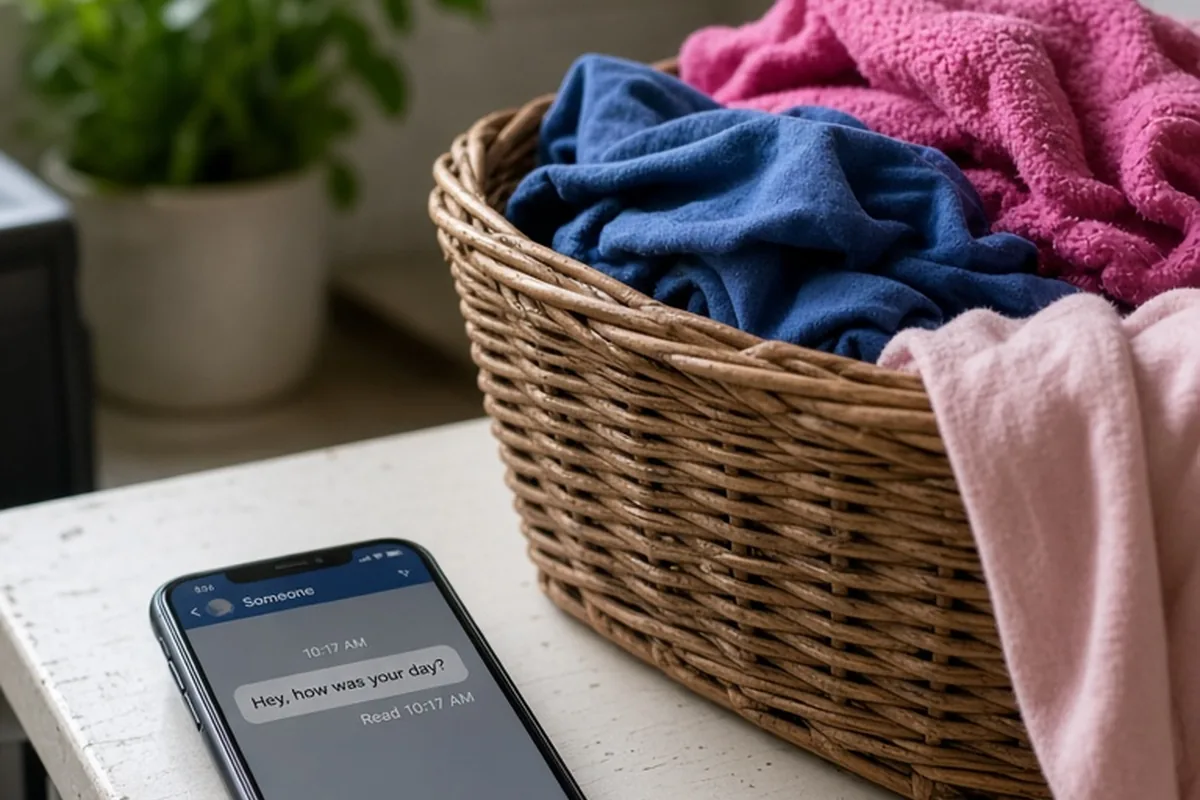
Getting left on read means someone opened your text message but did not send a response. While it often sparks immediate self-doubt, it typically indicates everyday distraction, shifting priorities, or conversational fatigue rather than intentional disrespect. The best initial response is giving the exchange twenty-four to forty-eight hours of space before deciding whether to send a low-stakes follow-up or simply redirect your attention elsewhere.
Modern digital messaging creates an unspoken expectation of constant availability, making a visible read receipt feel heavy with unspoken meaning when hours or days pass without a reply.
Decoding the Silence: Realistic Reasons Messages Go Unanswered
Seeing a read receipt without an accompanying reply can instantly send your thoughts into an analytical spiral. The human brain tends to fill informational voids with worst-case explanations, leading you to believe that the other person is angry, bored, or intentionally dismissive. In the vast majority of cases, however, the gap between reading a message and typing a reply is filled with mundane, everyday friction. Someone might open a notification while walking into a work meeting, stepping onto public transit, or juggling a phone call, fully intending to respond later once they have dedicated time, only for the notification badge to disappear from their screen.
Conversational fatigue is another major factor in unanswered texts. When people experience high stress or screen burnout, crafting an engaging or thoughtful reply can feel like a demanding chore. Open-ended inquiries or messages requiring emotional depth often get postponed until the recipient feels they have enough mental bandwidth to answer properly. While this does not make the waiting experience feel any better on your end, recognizing that someone else's delayed response is rarely a calculated personal critique helps you maintain perspective and avoid taking ordinary communication lapses to heart.
The Twenty-Four-Hour Pause: What to Avoid Doing Immediately
Your emotional reaction in the immediate aftermath of being left on read sets the tone for how the situation unfolds. When anxiety or frustration peaks, the instinct to send a rapid follow-up, a series of punctuation marks, or a passive-aggressive remark can be powerful. Reacting from a place of agitation almost always backfires, as it places unwarranted pressure on an otherwise neutral situation and can make an accidental delay turn into genuine conversational friction. Giving yourself a strict twenty-four-hour pause allows emotional urgency to settle and gives the other person a fair window to return to their inbox.
During this waiting window, avoid monitoring their digital footprint. Checking their social media activity to see if they have viewed stories, posted updates, or liked content only amplifies your frustration. Passive browsing requires zero emotional or intellectual effort, which is why people often scroll social media even when they lack the energy to hold an active one-on-one text conversation. Respect your own peace of mind by silencing the specific message thread, placing your phone face down, and choosing not to treat their online status as a direct reflection of your worth.
Choosing Your Next Move: How to Send a Low-Stakes Follow-Up
If more than two days have passed and the conversation involved practical logistics or a genuinely promising connection, sending a single, lighthearted follow-up is entirely reasonable. The key to a successful follow-up is resetting the tone rather than acknowledging the previous silence. Pointing out that they left you on read creates awkwardness and places the recipient on the defensive. Instead, act as though the conversation naturally paused and introduce a fresh, easy-to-answer topic or a clear logistical question that requires minimal effort to answer.
For example, if your previous message was a broad inquiry like how was your week, pivot to something concrete, such as asking for a specific restaurant recommendation you both discussed earlier or sharing a brief, relevant update about a shared hobby. Keep the message concise and devoid of guilt trips. The trade-off with sending a follow-up is that it gives the interaction one clean chance to restart, but it should remain a one-time effort; sending multiple consecutive follow-ups without an answer shifts the dynamic from friendly outreach to overbearing pressure.
Using Humor to Lighten the Awkwardness Without Self-Deprecation
Humor is an effective tool for defusing tension, provided it is used to lighten your own perspective rather than to subtly guilt-trip the other person. Treating a delayed text as a minor, slightly amusing quirk of modern life helps dismantle the dramatic weight we often assign to digital screens. You might internally joke about the mysterious void where unreturned texts go or share a laugh with a close friend about the absurdity of obsessing over a tiny glowing icon. This mental pivot keeps your self-esteem intact and prevents you from adopting a victim mentality over a simple pause in messaging.
However, there is a distinct boundary between healthy perspective-taking and sending bitter, sarcastic jokes to the person who did not reply. Texting something like glad to know you survived or sending memes about being ignored often reads as passive-aggressive hostility disguised as comedy. If you choose to incorporate humor in a direct follow-up, make sure it is genuinely warm and playful, such as sending a funny photo directly related to an ongoing inside joke without any reference to the delay itself.
Spotting the Pattern: Occasional Oversight Versus Breadcrumbing
It is essential to distinguish between someone who occasionally forgets to reply because of genuine busyness and someone who routinely engages in breadcrumbing or slow fading. An occasional missed message from a friend or dating partner who is otherwise attentive, reliable, and engaged in person is simply human error. In contrast, someone who consistently opens your messages, leaves you hanging for days, and only reappears with minimal, low-effort replies when it suits their schedule is demonstrating a clear pattern of low investment.
When dealing with inconsistent communication, focus on behavioral patterns rather than individual explanations. If an individual repeatedly vanishes whenever conversations require substance or scheduling commitments, their actions are signaling that they cannot or will not meet your standard for mutual engagement. Recognizing this distinction protects you from wasting energy trying to revive interactions that lack genuine reciprocity, allowing you to calibrate your investment accordingly.
Reclaiming Your Attention: Shifting Focus from the Screen to Reality
Waiting for a notification creates an open mental loop that quietly drains your focus and emotional stamina. Every time you glance at your phone hoping for a name to appear, you tether your present state of mind to someone else's arbitrary schedule. To close this loop, consciously redirect your attention toward physical, engaging tasks that demand full presence. Whether that means tackling a creative hobby, exercising, cooking a detailed meal, or meeting up with people who communicate consistently, active engagement breaks the trance of digital anticipation.
Notice the narrative you build around unanswered texts. Remind yourself that a person's messaging habits are not an objective evaluation of your attractiveness, intelligence, or value as a companion. People possess varying communication capacities, differing comfort levels with digital intimacy, and distinct personal priorities. By anchoring your confidence in your real-world life and tangible accomplishments, you stop relying on prompt text replies to validate your standing.
Setting Clear Personal Standards: When and How to Walk Away
Knowing when to stop reaching out is a fundamental aspect of healthy communication boundaries. If you have sent a friendly follow-up and received no response, or if the other person consistently provides monosyllabic answers after long silences, the most dignified response is complete stillness. You do not need to send an angry farewell paragraph or demand an explanation for their silence. Silence itself is an answer, and accepting it gracefully preserves your self-respect and saves your energy for relationships that offer clear enthusiasm.
Practical boundary management often involves cleaning up your digital environment. Archiving or deleting an inactive chat thread removes the visual reminder from the top of your messaging app, preventing unconscious triggers throughout your day. Muting notifications from individuals with erratic communication habits allows you to interact on your own terms rather than reacting impulsively whenever they decide to resurface. Walking away quietly allows you to maintain your standards without unnecessary drama.
Frequently asked questions
How long should I wait before assuming someone is not going to reply?
A standard window to consider a message genuinely unanswered is forty-eight to seventy-two hours. While many people respond within a few hours, work schedules, family commitments, and unexpected interruptions can easily cause a two-day delay. If several days pass with zero acknowledgment, it is reasonable to assume they have moved on or forgotten.
Should I confront someone about repeatedly leaving me on read?
Confronting someone is generally only worthwhile in an established relationship where you have agreed upon mutual communication standards. In early dating or casual acquaintanceships, direct confrontation often creates defensiveness and rarely changes their messaging habits. In those cases, matching their low investment or quietly stepping back is more effective.
What should I do if they text me weeks later as if nothing happened?
Evaluate how you feel about the interaction before responding. If you still want to engage, you can respond casually at your own pace without feeling obligated to jump back in immediately. If their sporadic communication feels frustrating or disrespectful of your time, you are entirely free to leave the message unanswered or decline further plans politely.
Your next step
Mute or archive the unanswered conversation thread today, put your phone out of reach for a couple of hours, and invest your attention into a concrete activity that brings you genuine satisfaction.