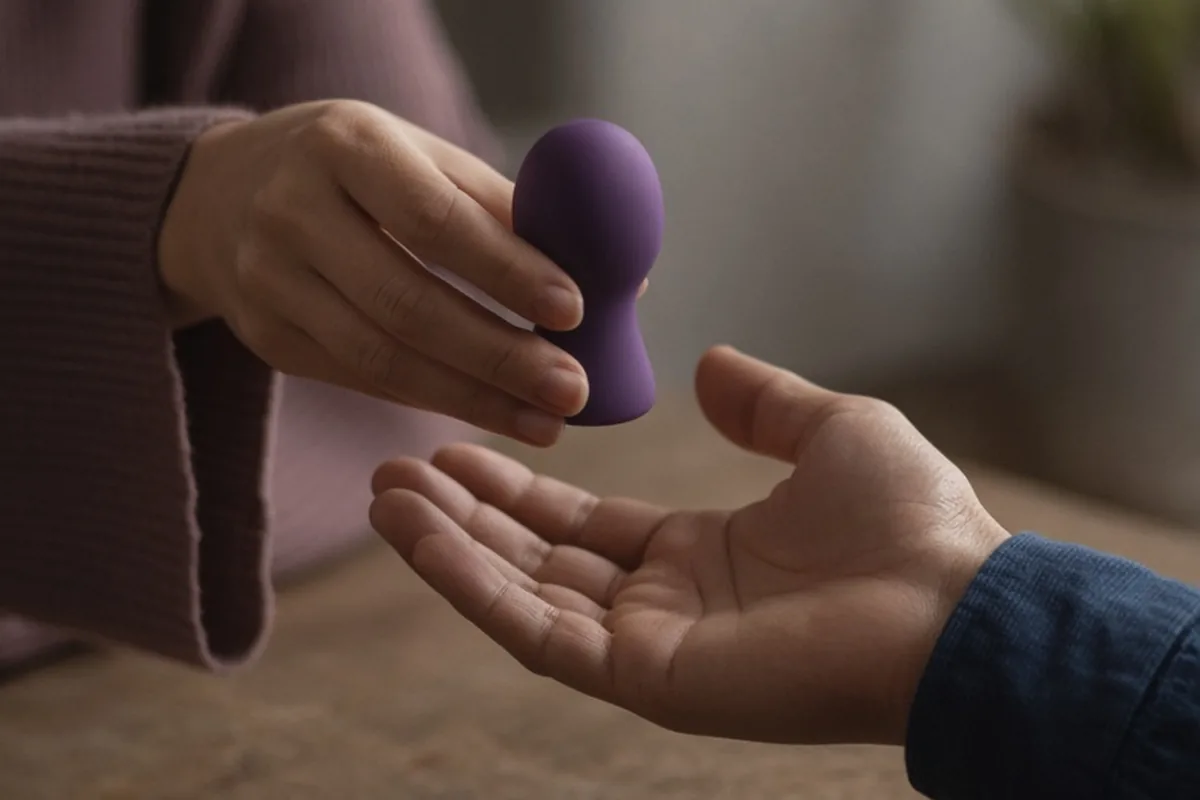
When you want to try sex toys but your husband does not, the most effective approach is addressing the underlying hesitation before introducing any devices. His reluctance often stems from feeling inadequate, unneeded, or uncertain of his role rather than disapproval of your pleasure. Invite a low-pressure conversation outside the bedroom, validate his emotional security, and emphasize that toys complement intimacy rather than replace him.
Couples often encounter unexpected friction when one partner envisions an adventurous addition to the bedroom while the other perceives that same addition as an unspoken critique of their performance. If your partner hesitates or outright declines to introduce bedroom accessories, pushing forward can create defensive walls, while staying silent can leave you feeling unfulfilled. Bridging this gap requires understanding what his hesitation actually protects.
Understanding What Lies Beneath His Hesitation
When a husband resists the idea of incorporating adult accessories, his initial response is rarely about the physical object itself. Modern culture frequently bombards men with narrow messages regarding sexual adequacy, reinforcing the unrealistic belief that a dedicated partner should inherently possess the natural ability to satisfy their spouse without external assistance. When an artificial device enters the conversation, it can easily trigger an unspoken fear of inadequacy, prompting him to wonder whether his touch, stamina, or physical presence are falling short of your expectations.
In addition to feelings of competition, unfamiliarity breeds discomfort. If your husband grew up in an environment where personal intimacy was treated as taboo or strictly private, novel accessories might feel clinical, excessive, or morally questionable. He might worry about feeling clumsy, unsure of how to hold or operate a device while remaining connected to you, or anxious that the natural rhythm of your love life will be disrupted. Recognizing that his initial hesitation usually shields vulnerability rather than stubborn malice can help you shift from frustration toward constructive dialogue.
It is equally crucial to recognize the limit of this empathy: validating his hesitation does not mean dismissing your own genuine desire for exploration. Understanding his perspective simply provides the diagnostic clarity needed to have a productive discussion instead of a recurring, emotionally charged argument that leaves both of you feeling misunderstood.
Shifting the Framing from Replacement to Teamwork
The language used to initiate novelty in the bedroom profoundly influences how the suggestion is received. Presenting a toy as a solution to an unmet need, such as saying that you cannot reach climax without one or that your routine has become monotonous, inadvertently positions the tool as a superior replacement for his efforts. This framing almost inevitably invites a defensive retreat, as his focus shifts toward protecting his dignity rather than considering a new shared experience.
A far more productive approach frames the accessory as an enhancement that you want to experience together, where he remains an active, indispensable participant. Emphasize that adding a new element is about expanding your mutual menu of sensations rather than compensating for a deficit. Phrases like wanting to explore new sensations with his hands guiding the experience, or sharing that his involvement makes the idea appealing to you, remind him that the ultimate goal is deepening your shared connection rather than pushing him to the periphery.
A helpful trade-off to consider here is patience versus momentum. While you might be ready to purchase an item immediately, allowing him the space to digest this reframe over several days or weeks establishes genuine safety, transforming the process from an ultimatum into genuine collaboration.
Creating Low-Stakes Conversations Outside the Bedroom
Timing plays a critical role in how intimate suggestions are perceived. Bringing up toys in the middle of lovemaking, or immediately after a session where you felt unsatisfied, places your partner in an intensely vulnerable spotlight. Under that kind of immediate performance pressure, even an open-minded person is prone to shutting down or agreeing superficially out of obligation, only to pull back when the moment actually arrives.
Instead, choose a neutral, relaxed environment completely removed from physical intimacy. A peaceful weekend walk, a quiet drive, or an unhurried conversation over coffee provides psychological distance from performance anxiety. In these settings, neither person is undressed, vulnerable, or evaluating current physical responses, allowing both of you to think clearly and speak honestly.
During this conversation, make it clear that the goal is simply sharing curiosity, not finalizing a purchase or setting an immediate deadline. Giving your husband the freedom to ask questions without the pressure of an imminent decision significantly lowers the emotional stakes, making curiosity far more accessible than anxiety.
Starting Small with Gentle and Mutual Options
If your husband shows tentative openness to discussing the subject, jumping straight into high-intensity, complex, or loud devices can quickly overwhelm his nascent comfort. Bold accessories can appear aggressive or intimidating to someone who has never handled them, reinforcing the subconscious belief that human touch cannot compete with mechanical power.
A gentler pathway involves selecting understated items designed specifically for partnered intimacy. Consider starting with non-threatening options that emphasize shared touch, such as warming massage oils, discreet textured rings, or compact, whisper-quiet tools that complement traditional positions rather than taking over the spotlight. Involving him directly in browsing discreet online retailers allows him to view descriptions, dimensions, and reviews at his own pace, giving him a sense of agency over what enters your shared bedroom.
Establish a clear agreement that either partner holds veto power at every step. Knowing that he can pause, set the item aside, or return to conventional touch at any second eliminates the fear of being trapped in an uncomfortable scenario, fostering the trust required for healthy exploration.
Navigating Solo Use and Personal Autonomy
A common point of confusion in marriage is the intersection between mutual intimacy and personal autonomy. If your husband remains uncomfortable with using devices together, you still retain the sovereign right to understand, care for, and explore your own body independently. Personal masturbation is a standard, healthy dimension of adult life that does not inherently threaten marital commitment or signify a lack of attraction to one's spouse.
Navigating this boundary requires both firmness and reassurance. You can clearly communicate that your personal self-care routine is your private domain, while simultaneously reassuring him that solo fulfillment does not diminish your love, commitment, or desire for shared intimacy with him. Discretion and respect regarding shared spaces, such as storing personal items privately, can help maintain domestic comfort while honoring your individual agency.
The trade-off here involves balancing transparency with privacy. You do not need to hide your personal choices in shame, but flaunting an item to provoke a reaction or incite jealousy will severely damage trust. Clear, calm ownership of your personal boundaries sets a healthy precedent for mutual respect.
Recognizing When Resistance Points to Deeper Issues
Sometimes a husband's resistance to bedroom accessories is not merely a hesitation about gadgets, but a symptom of wider marital tension. If suggestions around novelty consistently provoke hostility, silent treatment, accusations of infidelity, or rigid attempts to control your personal autonomy, the core issue is rarely the accessory itself. In these instances, the device serves as a lightning rod for unresolved struggles regarding trust, emotional safety, or vulnerability.
When conversations repeatedly stall into resentment despite thoughtful, empathetic approaches, continuing to press the specific issue of bedroom tools usually proves counterproductive. Shifting your focus toward the health of your broader emotional connection often yields far better insights into why vulnerability feels so hazardous in the relationship.
In persistent deadlocks, consulting a qualified marriage therapist or relationship counselor provides an objective, structured setting to explore these deeper anxieties. A skilled professional can help both partners articulate underlying fears without fear of ridicule, clearing the emotional brush so that genuine intimacy can flourish.
Illustrative Scenarios
Addressing Insecurity on the Weekend Drive
During a quiet Sunday drive, Elena mentioned she was interested in trying a small personal vibrator during their private time. Mark immediately stiffened, turned off the radio, and quietly asked if he was failing to satisfy her after nine years of marriage. Recognizing that Mark was responding out of personal inadequacy rather than hostility, Elena resisted the urge to present physiological facts about female anatomy. Instead, she took his hand, affirmed how much she loved their closeness, and explained that she wanted him to hold and control the device as a way to enhance what they already enjoyed together. Relieved that he was not being sidelined, Mark agreed to browse options online together that evening.
Key point: Meeting defensive hesitation with emotional reassurance rather than clinical argument transforms perceived competition into collaboration.
Respecting Pacing After an Uncomfortable Surprise
Hoping to add excitement to their anniversary getaway, Maya packed a new couple's accessory in her weekend bag without discussing it first. When Julian noticed it while unpacking in the hotel room, he felt blindsided, pressured, and visibly disconnected throughout their romantic dinner. Rather than getting frustrated at his withdrawal, Maya apologized for catching him off guard. She acknowledged that intimacy requires mutual consent at every stage and placed the item inside a drawer, promising it would stay there unless he explicitly asked to see it. Feeling respected and in control of the pace, Julian brought up the topic himself the following evening, curious about how it worked.
Key point: Springing intimate novelty unannounced can feel like an ambush; prioritizing your partner's comfort and agency restores mutual trust.
Frequently asked questions
Is it normal for a husband to feel insecure about sex toys?
Yes, it is very common. Many men are socialized to link their masculinity directly with their ability to satisfy their partner using only their body, leading them to view accessories as direct competitors rather than supportive tools.
Can I use toys on my own if my husband refuses to use them together?
Yes, individual bodily autonomy remains yours in a marriage. You have the right to enjoy personal self-care privately, provided you approach the topic with calm transparency and maintain respectful boundaries in your shared home.
How should I respond if he asks if he is not enough for me?
Reassure him directly of your attraction and the unique value of your physical bond with him. Clarify that exploring added sensations is about sharing an adventure with him as your partner, not replacing the warmth, affection, and connection that only he provides.
What if my husband shuts down and refuses to talk about the topic at all?
Avoid pressing the issue repeatedly, as continued pressure will only deepen his defensiveness. Step back, focus on strengthening your overall emotional and physical connection, and consider suggesting couples counseling if communication remains consistently blocked.
Your next step
Choose a relaxed, neutral moment this week to affirm three specific things you genuinely appreciate about your intimate connection, before gently asking your husband to share his thoughts on introducing subtle novelty into your routine.