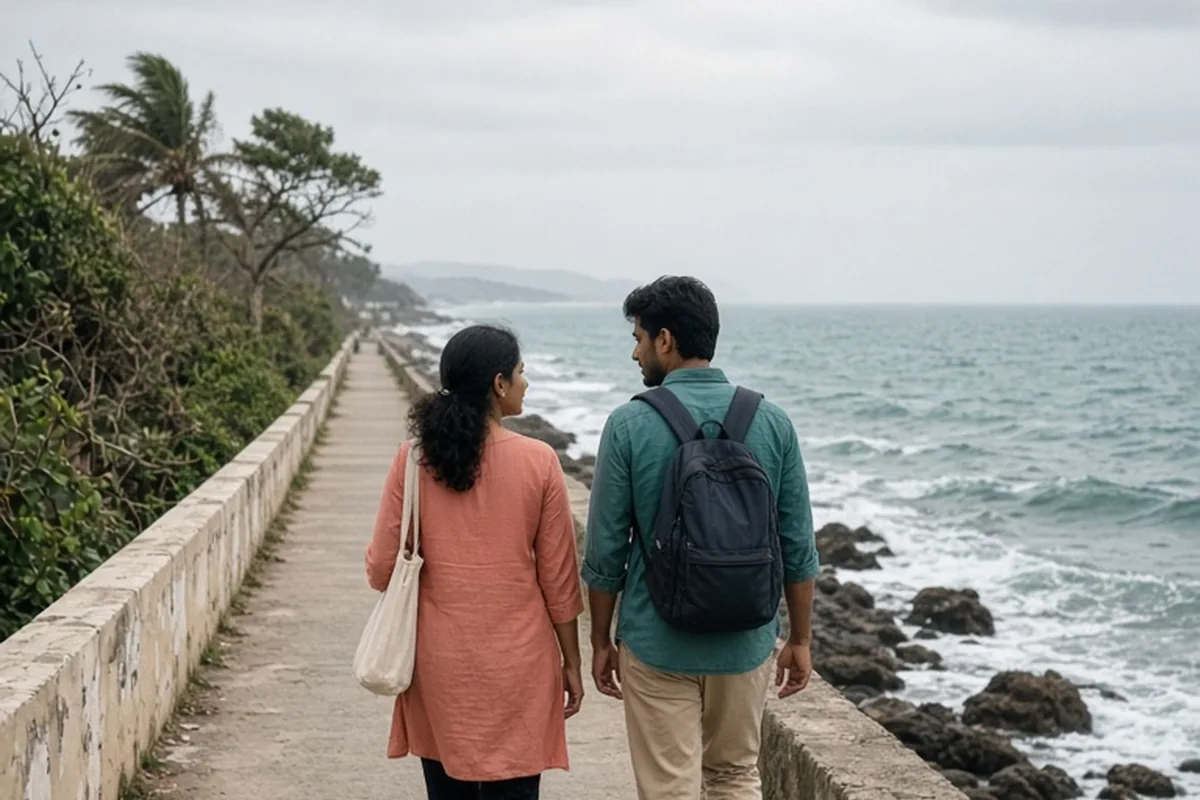
In arranged marriage matchmaking, image sources refer to the photographs, verified portfolio pictures, and visual media shared across matrimonial biodatas, family introductions, and matchmaking platforms. Choosing recent, unedited photographs from natural settings ensures prospective partners and families see your genuine appearance and lifestyle. Reliable visual sources reduce awkward first meetings, prevent unrealistic expectations, and establish early transparency between both individuals before deeper emotional and practical conversations begin.
Photographs often serve as the very first introduction between two families and prospective partners considering an arranged marriage. While a biodata outlines professional background and values, the images attached set immediate visual expectations and communicate personal style. Navigating how to curate your own photos, request images respectfully, and verify visual information helps both individuals begin the matchmaking process on a foundation of clarity rather than assumptions.
Selecting Authentic Personal Images for Matrimonial Profiles
The primary purpose of a matrimonial photo portfolio is to offer an honest, dignified representation of who you are in daily life. Selecting images taken within the last six to twelve months in good, natural lighting allows the other person to recognize you effortlessly when meeting in person. A well-rounded selection typically includes a clear headshot with a genuine smile, a full-length portrait showing your typical posture and attire, and one or two candid photos engaged in a hobby or casual setting. Avoid heavily filtered photos, dramatic studio retouching, or group pictures where identifying you becomes a guessing game.
For example, choosing a crisp outdoor photo taken during an afternoon walk communicates warmth and authenticity far better than an over-processed studio glamour shot. While it can be tempting to present an idealized version of yourself to impress family elders or prospective partners, artificial enhancement usually creates unnecessary pressure during in-person meetings. A practical limitation to keep in mind is that casual phone snapshots taken in dim lighting or messy backgrounds can unintentionally convey carelessness, so taking the time to capture neat, well-lit photographs is a worthwhile investment.
Evaluating Sourced Photographs with Balanced Perspective
When reviewing photos sent through family networks or matchmaking platforms, it is important to treat visual appearance as only one piece of a much larger compatibility puzzle. Physical attraction is a valid component of romantic compatibility, but relying solely on static images can lead to premature dismissals or unrealistic romanticizing. Photos capture a single frozen moment and often miss the dynamic qualities that make someone truly appealing, such as their voice, conversational warmth, sense of humor, and mannerisms.
Consider a scenario where a received photograph appears somewhat stiff or formal because it was taken under the watchful eye of traditional relatives. Dismissing that candidate immediately might cause you to overlook someone who is vibrant, articulate, and deeply supportive in one-on-one conversation. Conversely, being completely captivated by polished visuals can distract you from evaluating core values, financial goals, and emotional maturity. Viewing photographs as an initial greeting rather than a definitive character judgment keeps your expectations balanced.
Managing Image Requests and Privacy Boundaries Respectfully
Exchanging images during arranged marriage matchmaking requires careful attention to personal privacy, consent, and mutual comfort. Demanding numerous additional photographs, specific clothing styles, or immediate close-ups can make prospective candidates feel objectified or scrutinized rather than valued as potential life partners. Both parties should establish clear boundaries regarding where images are stored, who within the extended family views them, and when it is appropriate to transition from exchanging photos to a live video call.
A respectful approach involves providing standard profile pictures initially and offering a brief, structured video interaction if either party wants a more authentic sense of presence before traveling for an in-person meeting. If a family or individual repeatedly asks for unconventional angles or private casual pictures before any meaningful conversation has occurred, it is entirely reasonable to decline politely and suggest a scheduled phone or video conversation instead. Maintaining firm boundaries protects your comfort while filtering for candidates who respect your personal autonomy.
Recognizing Misrepresentation and Image Discrepancies
Occasionally, matchmaking profiles feature outdated photographs taken several years prior, heavily altered pictures, or images that misrepresent a person's current physical appearance and lifestyle. When an in-person meeting reveals significant discrepancies from the provided image sources, it can generate feelings of mistrust or discomfort. The core issue in these situations is rarely about aesthetics alone; rather, it centers on the lack of transparency at the very start of a potential life partnership.
For instance, if a candidate shares pictures from their college years that fail to reflect their current age or lifestyle changes, it raises valid questions about their openness and confidence. If you encounter noticeable misrepresentation, observe how the person and their family handle the topic. An honest acknowledgment that older family-sourced photos were used without recent updates offers a chance to reset expectations, whereas defensive or deceptive behavior serves as a clear signal to evaluate whether open communication is possible with this partner.
Navigating Family Involvement in Photo Selection and Distribution
In many arranged marriage traditions, parents, matchmakers, or extended relatives take the lead in circulating biodatas and image sources across community networks. While family support can be helpful in identifying shared cultural backgrounds, conflicts often arise when parents select traditional, conservative photos that do not align with the candidate's actual self-expression, or when relatives circulate images without the individual's explicit permission.
To prevent misunderstandings, sit down with your family beforehand to agree on a curated set of approved photographs that represent you accurately and comfortably. Explain why natural, contemporary photos are more effective for modern matchmaking than overly formal portraits from years past. Retaining direct oversight of the image sources shared on your behalf ensures that prospective partners receive a cohesive, honest impression of your lifestyle, values, and personal presentation.
Transitioning from Visual Impressions to Real Conversations
Photographs should serve only as a gateway to direct dialogue rather than an extended screening mechanism. Spending weeks analyzing photos or requesting continuous picture updates often delays the crucial step of evaluating interpersonal compatibility, shared life philosophies, and emotional readiness. Once basic visual comfort is established, the focus must shift promptly to structured conversations covering daily habits, career ambitions, family boundaries, and conflict resolution styles.
For example, after exchanging two or three clear photographs and verifying basic alignment on practical criteria, scheduling a thirty-minute video conversation allows both people to observe conversational pacing, expressive warmth, and active listening. This direct connection quickly clarifies whether there is genuine mutual rapport. Relying on prolonged image exchanges without voice or video interaction creates an illusion of intimacy while delaying the realistic evaluation necessary for a healthy arranged marriage.
Frequently asked questions
How many photographs should I include in an arranged marriage biodata?
Including three to four clear, recent photographs is usually ideal for a matrimonial profile. A practical set contains one friendly headshot, one full-length portrait in standard attire, and one or two casual lifestyle pictures that reflect your everyday personality.
Is it acceptable to use edited or filtered photos for matchmaking?
It is best to avoid heavy filters, skin-smoothing adjustments, or digital alterations that modify your facial structure or skin tone. Minor lighting corrections are acceptable, but prospective partners appreciate natural honesty that matches how you appear in person.
What should I do if a prospective match looks very different from their photos?
Focus on how the discrepancy makes you feel regarding honesty and transparency rather than purely physical changes. You can complete the conversation politely and later reflect on whether the misrepresentation signals broader communication issues before deciding whether to proceed.
How can I protect my privacy when sharing photos with matchmakers?
Share only watermarked or low-resolution portfolio images until mutual interest is confirmed, and avoid sending private or home-identifying pictures. Communicate clearly with family members that your photos should not be forwarded to third parties without your prior consent.
Your next step
Review your current matrimonial profile photos today to ensure they feature clear, unedited, and recent pictures that accurately reflect your daily lifestyle, then agree on approved sharing boundaries with your family.