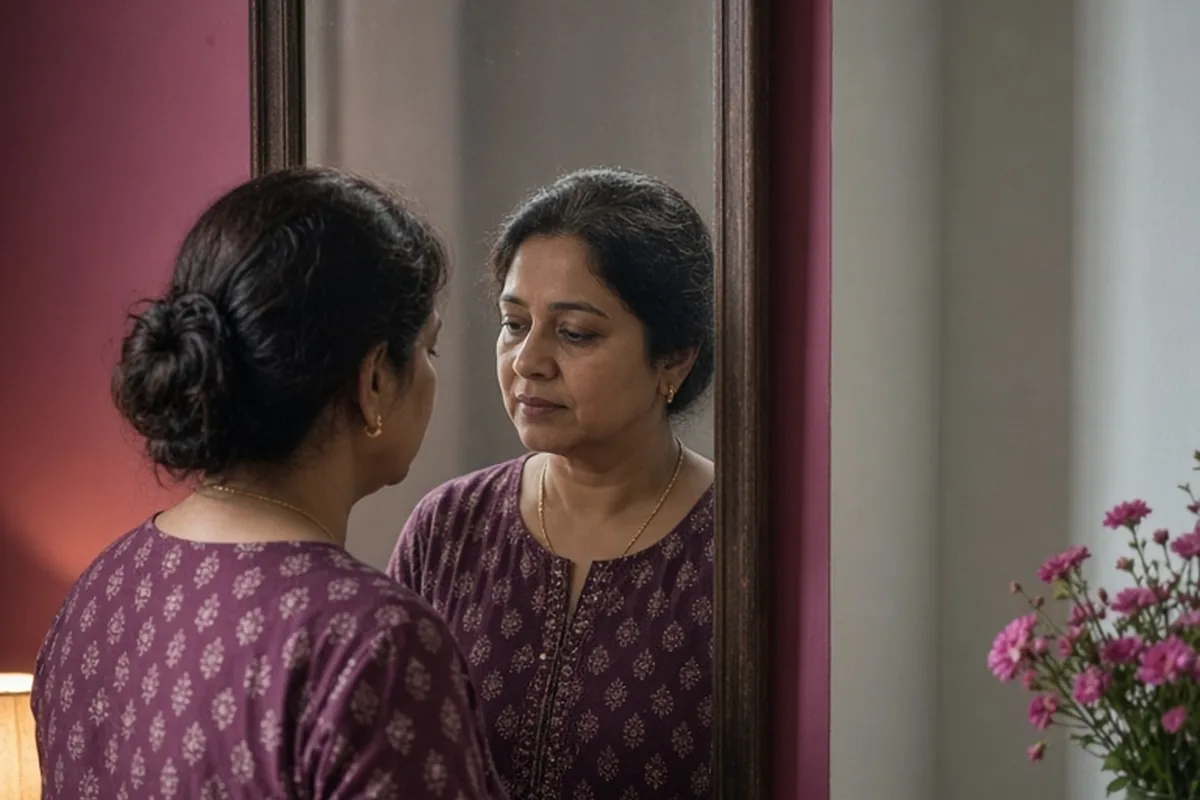
Indian parents can cope when their children leave home by shifting their focus from daily caregiving back to their partnership, establishing predictable communication rhythms that respect everyone's independence, and intentionally reclaiming individual interests. Transitioning from a child-centered household requires acknowledging the grief of an altered routine while actively building shared hobbies, strengthening social connections outside the family, and viewing this stage as an opportunity for personal renewal.
In many Indian households, daily life revolves almost entirely around children's academic schedules, meals, extracurricular routines, and long-term milestones. When those children leave for college, job relocations across cities, or marriage abroad, the sudden quiet can feel disorienting for parents whose identities were closely tied to active parenting.
Acknowledging the Cultural Shift Away from Child-Centric Living
In traditional and contemporary Indian homes alike, family life is frequently collective and child-centric. Parents often dedicate decades of emotional energy, financial resources, and daily planning toward their children's success. When the house suddenly becomes quiet, the absence of packed lunchboxes, chaotic morning rushes, and constant discussions about exams or career placements can trigger a profound sense of loss. Recognizing that this emptiness is a natural emotional response to a major life transition, rather than a failure of resilience, helps both partners process the change without self-criticism.
Coping with this phase begins by openly naming the mixed emotions that arise. It is entirely common to feel immense pride in a child's newfound independence alongside sadness over the altered domestic routine. Instead of brushing these feelings aside under the assumption that one must immediately stay busy, spouses benefit from talking honestly with each other about what they miss most. For instance, acknowledging that evenings feel unusually quiet creates space for mutual empathy, preventing one partner from withdrawing into silence while the other struggles with sudden isolation.
Rebuilding Marital Closeness and Daily Companionship
Decades of intensive parenting can gradually turn spouses into operational project managers who communicate primarily about household chores, tuition fees, and family logistics. When the children move out, couples are suddenly left face-to-face without the conversational buffer of daily youth activities. Rekindling the spousal bond requires conscious effort to transition from co-managers back to romantic companions. This involves learning what each person currently enjoys, values, and worries about outside their parental roles.
Couples can start by establishing small daily rituals that focus exclusively on each other. A morning walk around the neighborhood, an unhurried cup of evening chai without television distractions, or cooking a new recipe together allows partners to rebuild easy conversation. For example, rather than spending dinner discussing a child's job stress, partners can discuss books they are reading, local community news, or childhood memories. While rediscovering each other can occasionally surface unresolved disagreements that were previously ignored during busy parenting years, approaching these moments with patience and gentle curiosity allows the relationship to mature into a supportive second chapter.
Establishing Healthy Communication Rhythms with Grown Children
A frequent challenge for Indian parents with flown fledglings is finding the right balance between staying connected and respecting an adult child's autonomy. In an era of instant messaging and international video calls, it is tempting to expect multiple updates throughout the day. However, excessive checking-in can inadvertently create tension, making adult children feel micromanaged or guilty when work deadlines, social commitments, or time zone differences delay their replies.
Setting predictable, agreed-upon communication rhythms protects the quality of the parent-child relationship while honoring individual schedules. Parents can agree on a dedicated weekly video call and brief text check-ins rather than expecting hour-long daily conversations. For example, scheduling a relaxed Sunday afternoon call gives everyone something to look forward to without the pressure of squeezing hurried chats between busy work shifts. A helpful boundary is recognizing that a brief or delayed response from a child usually reflects their daily workload rather than a lack of affection or gratitude.
Managing Extended Family Expectations and Social Pressures
In joint families or close-knit community networks, the empty nest transition is rarely a private matter. Relatives, neighbors, and family acquaintances often offer unsolicited opinions, constant inquiries about when the child will visit next, or subtle judgments about parents living alone. These external comments can intensify parental worry, especially if cultural narratives suggest that aging parents should ideally live under the same roof as their adult offspring.
Managing these community pressures requires presenting a united front as a couple and maintaining clear boundaries. Spouses can agree on simple, neutral responses when relatives ask prying questions about their living arrangements or their children's marriage timelines. For instance, replying with genuine warmth that their son or daughter is thriving in their new environment firmly closes the door to pity while honoring the family's choices. Shifting the focus away from community validation and toward the child's personal growth helps parents protect their emotional well-being from unnecessary social guilt.
Reclaiming Individual Passions, Hobbies, and Career Goals
During active child-rearing years, many parents—particularly mothers—postpone personal ambitions, creative interests, and personal wellness to ensure the family runs smoothly. The departure of adult children frees up substantial mental space and hours in the week that can be redirected toward personal fulfillment. Viewing this surplus time not as an empty void, but as an earned opportunity for self-discovery, empowers parents to pursue lifelong interests that were previously deferred.
Taking practical steps toward personal growth can take many forms depending on individual interests and financial situations. One might enroll in a classical music or painting workshop, resume a paused professional career, join a local fitness or yoga group, or volunteer with local non-profit organizations and animal shelters. For example, joining a weekend gardening club introduces fresh routines, varied intellectual stimulation, and new social circles outside the family sphere. While trying unfamiliar activities can initially feel intimidating or self-indulgent after years of sacrifice, investing in one's personal development creates a rich, independent sense of purpose.
Nurturing Social Circles and Peer Friendships
As parenting responsibilities decrease, relying solely on one's spouse or adult children for emotional stimulation and companionship can place undue strain on those relationships. Expanding and deepening friendships with peers who are navigating similar life stages provides vital camaraderie, laughter, and perspective. Sharing stories with other parents whose children have also moved away helps normalize the quiet house and provides practical ideas for staying active.
Parents can actively reach out to old school friends, former colleagues, or neighborhood associations to organize casual gatherings. Initiating monthly book clubs, morning walking groups, community festival committees, or weekend road trips with fellow empty nesters transforms social life into an energizing resource. For instance, organizing a regular potluck dinner with nearby friends turns solitary weekends into vibrant social occasions. Cultivating a diverse circle of friends ensures that emotional fulfillment comes from multiple healthy avenues rather than a single source.
Creating New Traditions for Visits and Long-Term Independence
When adult children return home for annual holidays, festivals like Diwali or Eid, or summer breaks, the dynamic naturally shifts back into celebratory family mode. However, attempting to recreate the exact patterns of their childhood can lead to friction, as young adults have developed their own habits, dietary preferences, and schedules. Preparing for these visits with flexibility allows families to enjoy their time together without unrealistic expectations of total uniformity.
Healthy visits involve planning a mixture of shared family meals and unstructured downtime where adult children can rest, meet old friends, or work remotely. Similarly, when the visit ends, having a planned project or social event scheduled for the days immediately following their departure softens the post-visit emotional dip. Looking ahead, Indian parents who prioritize their own physical health, financial planning, and personal hobbies give their adult children the greatest possible gift: the freedom to pursue their aspirations knowing their parents are thriving, capable, and genuinely fulfilled in their own right.
Frequently asked questions
How can I stop feeling guilty about having free time after my children move out?
Remind yourself that raising capable, independent adults was the goal of your active parenting years. Having free time is not neglect or laziness, but a natural phase of life where you can redirect your energy toward your own health and interests.
What should my spouse and I do if we feel like strangers in an empty house?
Start with low-pressure daily interactions, such as taking evening walks or preparing a new meal together, rather than forcing profound conversations immediately. Rebuilding closeness takes time, and exploring shared hobbies gradually creates new common ground.
How often should Indian parents call their children who live in different time zones?
Establish a mutually agreeable schedule, such as one or two dedicated video calls per week, while using light messaging for quick updates. Respecting each other's working hours and time differences prevents communication from feeling like a mandatory chore.
Your next step
Sit down with your partner this week to list three personal or shared activities you postponed during active parenting, and choose one specific activity to schedule together this coming weekend.