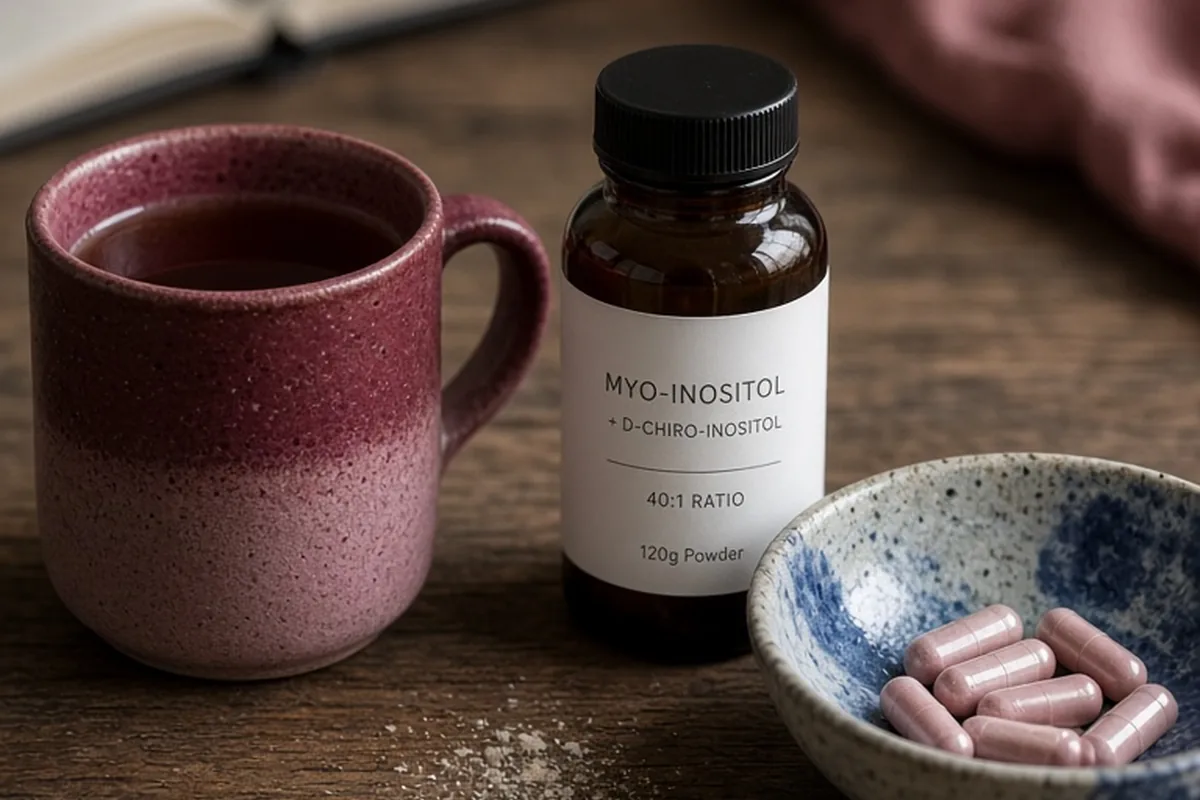
Inositol is a naturally occurring carbohydrate compound that acts as a cellular messenger, frequently used as a nutritional supplement to support metabolic and reproductive balance in polycystic ovary syndrome (PCOS). Inositol helps improve cellular insulin signaling, which can assist in regulating menstrual cycles, supporting ovarian function, and addressing androgen excess. Individuals exploring inositol typically combine it with broader lifestyle strategies and clinician-guided therapies tailored to their specific symptom profile.
Polycystic ovary syndrome affects endocrine, reproductive, and metabolic pathways, presenting differently across individuals. Navigating supplement options alongside standard medical care requires understanding how specific compounds interact with your physiology and where they fit into a comprehensive management plan.
Identifying Common PCOS Symptoms and Metabolic Indicators
Polycystic ovary syndrome is characterized by a combination of reproductive and metabolic disturbances. Recognizing your specific symptom pattern is the foundational step before introducing targeted supplements such as inositol. Clinically, PCOS is evaluated using specific criteria that look for ovulatory dysfunction, signs of elevated androgen hormones, and polycystic ovarian morphology on ultrasound imaging. From a day-to-day perspective, individuals often observe irregular, delayed, or absent menstrual cycles, which directly reflect unpredictable or absent ovulation.
Beyond reproductive irregularities, androgen excess often manifests visibly through persistent cystic acne along the jawline and chin, accelerated hair thinning on the scalp, and hirsutism, which is coarse hair growth on areas such as the face, chest, abdomen, or inner thighs. These physical signs frequently stem from underlying hormonal imbalances that are exacerbated by metabolic dysfunction.
Metabolic indicators form the second critical pillar of symptom assessment. Many individuals with PCOS experience underlying insulin resistance, where cells throughout the body respond less efficiently to insulin. This metabolic state can produce symptoms such as intense carbohydrate cravings, persistent fatigue, sudden energy drops following meals, unexplained weight gain, or difficulty managing weight despite consistent dietary patterns. In some cases, physical markers like acanthosis nigricans, characterized by darkened, velvety patches of skin around the neck, underarms, or groin, indicate significant insulin resistance.
- Menstrual cycle disruptions, including long cycles exceeding thirty-five days, highly unpredictable timing, or prolonged amenorrhea.
- Dermatological changes, such as resistant adult acne, androgenic alopecia, or hirsutism on hormone-sensitive areas.
- Metabolic and glycemic symptoms, including pronounced mid-afternoon energy crashes, constant sugar cravings, and difficulty maintaining a stable weight.
Further reading: Office on Women's Health
How Inositol Influences Insulin Sensitivity and Ovarian Function
Inositol refers to a family of sugar alcohols produced naturally by the human body and found in various dietary sources, including whole grains, beans, nuts, and fresh fruits. At the cellular level, inositol derivatives act as essential secondary messengers in the intracellular insulin signaling cascade. When insulin binds to its receptor on the cell membrane, inositol-containing molecules facilitate the internal chemical signals that allow glucose transporters to move to the cell surface, pulling glucose from the bloodstream into the cell to be converted into energy.
In individuals with PCOS, cellular inositol signaling pathways are frequently impaired or depleted. When cells fail to process insulin signals effectively, the pancreas compensates by releasing greater amounts of insulin into the circulation, leading to chronic hyperinsulinemia. Elevated circulating insulin directly stimulates the theca cells within the ovaries to overproduce androgens such as testosterone, while simultaneously suppressing liver production of sex hormone-binding globulin. This biochemical chain reaction leads to higher levels of free, active androgens, disrupting normal follicle development and halting regular ovulation.
By supplementing with specific forms of inositol, the intracellular signaling pathway receives the precursors necessary to restore appropriate insulin transmission. As cellular sensitivity to insulin improves, circulating baseline insulin levels tend to decline. Consequently, the ovarian stimulus for excessive androgen synthesis decreases, which allows ovarian follicles a greater opportunity to mature normally, potentially restoring regular ovulatory cycles and mitigating androgen-driven symptoms.
Myo-Inositol Versus D-Chiro-Inositol Formulations and Ratios
When researching inositol for PCOS, you will encounter two primary stereoisomers: myo-inositol and D-chiro-inositol. Although both isomers participate in cellular communication, they fulfill distinct physiological roles across different tissues in the body. Myo-inositol is predominantly involved in cellular glucose uptake and plays an essential role in facilitating follicle-stimulating hormone signaling within the ovaries. In contrast, D-chiro-inositol is primarily responsible for glycogen synthesis and mediating insulin-mediated androgen synthesis within the theca cells.
Under healthy physiological conditions, the human body converts myo-inositol into D-chiro-inositol through an insulin-dependent epimerase enzyme, maintaining a specific ratio within tissues. In human plasma, this balance exists at approximately a forty-to-one ratio of myo-inositol to D-chiro-inositol. In ovarian tissue, an exceptionally high concentration of myo-inositol is required to maintain healthy follicular development and oocyte quality.
Selecting an appropriate supplement formulation requires evaluating these isomer profiles carefully. Standalone myo-inositol supplements provide robust support for cellular glucose utilization and ovarian signaling. Combined formulations that mirror the physiological forty-to-one ratio are designed to supply both systemic insulin support and targeted ovarian support. Conversely, using disproportionately high doses of isolated D-chiro-inositol can lead to excessive accumulation within the ovaries, which may impair oocyte quality and disrupt follicular maturation rather than assisting it.
- Myo-Inositol: Primary isomer for cellular glucose uptake and ovarian follicle sensitivity.
- D-Chiro-Inositol: Secondary isomer responsible for hepatic glycogen synthesis and downstream insulin signaling.
- Forty-to-One Physiological Blend: Formulations combining myo-inositol and D-chiro-inositol in proportions mirroring natural human plasma.
Integrating Inositol into a Clinical PCOS Treatment Pathway
Inositol functions best not as an isolated quick fix, but as an integrated component of a broader, clinician-guided PCOS management pathway. A standard clinical care pathway begins with thorough baseline diagnostic testing, including fasting metabolic panels, lipid profiles, thyroid function assessments, and reproductive hormone evaluations. These objective metrics help establish whether your primary clinical focus is metabolic management, cycle regulation, fertility preservation, or symptom reduction.
Lifestyle interventions serve as the primary therapeutic baseline in any PCOS treatment plan. Nutritional strategies focusing on balanced macronutrients, consistent dietary fiber, and adequate protein help smooth postprandial glucose excursions, reinforcing the cellular mechanisms supported by inositol. Regular resistance training and aerobic exercise further enhance peripheral insulin sensitivity through muscle contraction-mediated glucose uptake, creating a complementary effect alongside supplementation.
Medical treatments may be integrated depending on personal goals and clinical indications. For individuals seeking cycle predictability and contraception, combined oral contraceptives or other hormonal birth control methods provide structured cycle control and suppress ovarian androgen synthesis. For those dealing with pronounced insulin resistance or glucose intolerance, prescription insulin sensitizers such as metformin may be prescribed by a physician. Inositol can sometimes be used alongside or as an alternative to these pharmaceutical therapies, provided that any combination is coordinated with your prescribing clinician to avoid redundant mechanisms or gastrointestinal overlap.
Further reading: Office on Women's Health
Further reading: CDC: Contraception and birth control methods
Evaluating Inositol Supplement Costs and Healthcare Expenses
Managing PCOS involves balancing recurring supplement expenses with broader medical care costs. Because inositol is categorized as an over-the-counter dietary supplement in the United States, it is rarely covered by standard commercial health insurance or prescription benefit plans. Consequently, consumers must budget for inositol as an entirely out-of-pocket, ongoing wellness expense.
The overall cost of inositol varies based on several distinct product variables. Powdered formulations sold in bulk canisters or pre-measured individual sachets often differ in price compared to encapsulated pills, which may require taking four to six capsules daily to achieve a standard dosage. Brand reputation, manufacturing standards, and the inclusion of independent third-party purity testing (such as NSF International or USP verification) can also create significant price differentials across available retail brands.
Beyond the supplement itself, an accurate PCOS budget must account for regular clinical follow-up expenses. These include copayments or coinsurance for periodic visits to an obstetrician-gynecologist or endocrinologist, recurring out-of-pocket laboratory fees for comprehensive metabolic and lipid panels, and potential costs for complementary clinical services such as registered dietitian consultations. Requesting a clear fee schedule from your laboratory and checking your health plan's specific diagnostic testing coverage ensures predictable expenses.
- Delivery Format: Unflavored powder tubs frequently offer a lower monthly cost per gram compared to multi-capsule daily servings.
- Quality Verification: Supplements holding independent third-party seals may carry a slight premium but ensure label accuracy and absence of contaminants.
- Medical Care Overhead: Clinic visit copays, recurring blood work, and specialized nutritional counseling form the surrounding clinical budget.
Further reading: Office on Women's Health
Practical Administration, Tolerability, and Daily Routine Setup
Establishing a consistent routine is critical when introducing inositol, as cellular signaling improvements occur gradually over weeks and months of sustained intake. Most standard supplemental regimens utilize a total daily intake of approximately four grams of myo-inositol (or a forty-to-one myo- to D-chiro-inositol blend). Splitting this total into two divided servings—such as two grams in the morning and two grams in the evening—helps maintain steady circulating concentrations throughout the day.
Powdered inositol is generally odorless and slightly sweet, making it straightforward to dissolve in a standard glass of water, unheated herbal tea, or a morning smoothie. Taking inositol with or immediately before meals can also help optimize its support for postprandial glucose handling while minimizing any potential digestive adjustment period.
Inositol is widely considered to have a favorable tolerability profile, but mild gastrointestinal side effects can occur when initiating supplementation or escalating dosage too rapidly. Symptoms such as mild nausea, abdominal bloating, loose stools, or flatulence are the most common complaints. Starting with a half-dose for the first seven to ten days allows the digestive tract to acclimate before transitioning to the full daily target. If digestive upset persists, switching from capsules to a dissolved powder or taking the supplement alongside a solid meal usually resolves the discomfort.
Safety Considerations, Medication Interactions, and Medical Follow-Up
Although inositol is available over the counter, thoughtful medical oversight remains essential, particularly if you take prescription medications for metabolic or endocrine conditions. Individuals currently prescribed pharmaceutical glucose-lowering agents, such as metformin or insulin, must consult their physician before initiating inositol. Because both substances enhance insulin sensitivity, concurrent use could potentially increase the risk of unexpected hypoglycemia or gastrointestinal distress if dosages are not carefully balanced.
Monitoring your body's response provides tangible data regarding whether the intervention is serving your health goals. Tracking menstrual cycle regularity, cycle length, and basal body temperature patterns can reveal improvements in ovulatory consistency over three to six months. Concurrently, observing changes in skin clarity, energy stability, and hair growth provides subjective feedback on hormonal balance.
Objective laboratory reassessment offers the most reliable measure of progress. Scheduling follow-up blood work with your healthcare provider after three to six months of consistent use allows for direct comparison of fasting glucose, fasting insulin, hemoglobin A1c, lipid profiles, and free androgen levels against your initial baseline. If objective markers show no improvement or if symptoms worsen, your clinician can help adjust your dosage, investigate coexisting conditions, or explore alternative medical strategies.
Further reading: Office on Women's Health
Illustrative Scenarios
Illustrative Management Example: Evaluating a Multi-Modal Plan
A twenty-eight-year-old adult experiencing forty-five to sixty-day irregular menstrual cycles, persistent jawline acne, and pronounced post-meal fatigue collaborated with her gynecologist to create a structured plan. Baseline lab testing identified elevated fasting insulin and borderline high free testosterone. Rather than relying on a single supplement, she implemented a forty-to-one myo-inositol to D-chiro-inositol powder twice daily, paired with a low-glycemic dietary approach and regular strength training. Over six months, she tracked cycle length and had follow-up labs completed.
Key point: Combining targeted inositol supplementation with measurable lifestyle adjustments and periodic medical lab evaluations allows for objective tracking of cycle predictability and metabolic health.
Frequently asked questions
How long does it typically take to see results from taking inositol for PCOS?
Cellular and metabolic adjustments develop gradually, with most individuals requiring consistent daily use for at least three to six months before observing measurable changes. Tracking menstrual cycle intervals and scheduling follow-up metabolic labs with your doctor provides an objective way to evaluate progress over time.
Can I take inositol if I am already taking metformin?
Combining inositol with prescription metformin should only be done under the direct supervision of your healthcare provider. Because both agents act on insulin sensitivity pathways, your doctor may need to monitor your blood glucose levels to prevent hypoglycemia and manage potential digestive side effects.
Does inositol cause significant side effects?
Inositol is generally well tolerated, but mild digestive symptoms such as bloating, loose stools, or nausea can occur if you start at a high dose. Splitting your daily dose into morning and evening servings and taking it with meals typically minimizes gastrointestinal discomfort.
What should I look for when purchasing an inositol supplement?
Look for products that clearly disclose the exact amounts of myo-inositol and D-chiro-inositol, ideally reflecting the physiological forty-to-one ratio or standalone myo-inositol. Choosing brands verified by reputable third-party testing organizations ensures ingredient purity, potency, and the absence of contaminants.
Your next step
Schedule an appointment with your healthcare provider to review baseline metabolic and hormone labs, and bring the specific inositol formulation you plan to use to confirm it aligns safely with your treatment plan.