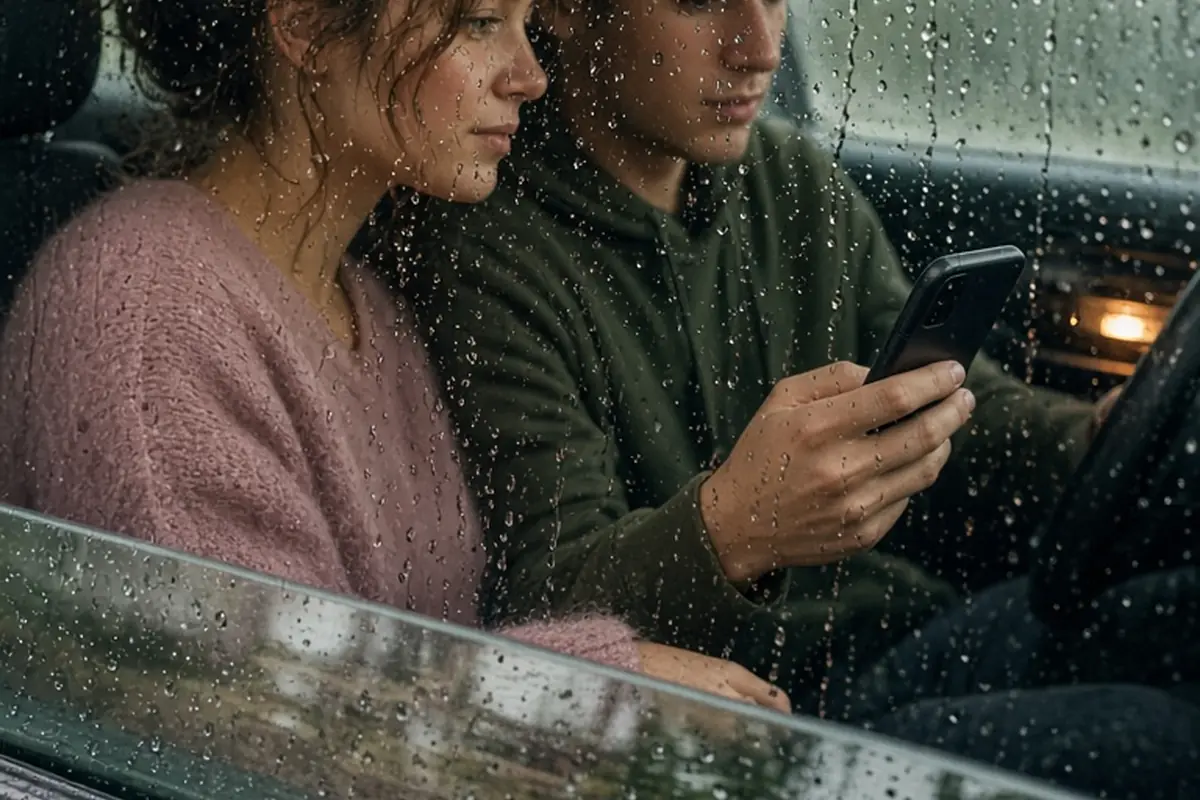
When Instagram acts as a modern messenger of love, finding romantic image sources and sending visual notes is often about bridging emotional distance. To connect meaningfully, use shared posts, reels, and curated images as gentle conversation starters rather than romantic substitutes. Always respect personal boundaries, verify that visual sentiments reflect your shared reality, and pair aesthetic sharing with direct, thoughtful communication.
Digital platforms have fundamentally shifted how couples initiate contact, exchange tenderness, and sustain everyday affection across physical space.
The Evolution of Direct Messaging as a Romantic Canvas
Modern romance increasingly unfolds inside private messaging feeds where visual imagery, humor, and tender gestures mingle throughout the workday. When someone treats an app like Instagram as a messenger of love, direct messages transform from a casual content stream into an ongoing private dialogue. Couples often send visual tokens, such as relationship quotes, serene art, or quiet snapshots of daily life, to signify that they are thinking of one another even when schedules keep them apart.
Relying primarily on visual cues and short messages carries distinct limits. An evocative picture or a witty reel can spark warmth, but it cannot express nuanced emotional needs or resolve underlying relationship tensions. Treating digital messaging as a complementary backdrop to direct dialogue keeps the gesture charming rather than evasive. For example, following up a shared illustration with a brief note explaining why it brought your partner to mind anchors the gesture in genuine vulnerability rather than passive scrolling.
Sourcing and Sharing Meaningful Visual Expressions
Finding an image that captures your specific feelings requires discernment in an online environment saturated with superficial sentiment. When searching for images, quotes, or digital artwork to send to a partner, looking beyond generic motivational accounts usually yields deeper resonance. Highlighting the work of independent illustrators, poets, or photographers whose work mirrors your partner's actual tastes demonstrates attentiveness. It turns a quick share into an intentional gift of attention.
Crediting the original creator or preserving account watermarks when reposting or sharing images also reflects intellectual honesty and care. If you come across an evocative photograph or piece of couple art that lacks clear attribution, taking a moment to identify the original artist honors creative labor. In personal messaging, showing that you selected a piece because it reminded you of a shared trip, an inside joke, or a mutual hope creates far more emotional traction than forwarding mass-produced relationship memes that feel impersonal.
Navigating the Illusion of Curated Perfection
Social media feeds inevitably present an idealized portrait of romantic partnerships, characterized by dramatic grand gestures, effortless harmony, and picture-perfect travel. When partners constantly consume and trade these hyper-curated representations, they risk measuring their real relationship against an unattainable digital standard. Real bonds are built through messy schedules, fatigue, quiet compromises, and periodic misunderstandings, none of which photograph well for an aesthetic grid.
The trade-off of using a public platform for romantic discovery is the constant exposure to comparative anxiety. If an individual sends romantic graphics hinting at dramatic passion while neglecting basic reliability, the recipient may feel confused or pressured by the dissonance. Cultivating grounded self-respect means using online images as playful inspirations rather than emotional scorecards. Recognizing that an aesthetic photograph represents a stylized mood rather than an everyday reality helps keep personal expectations reasonable and kind.
Digital Signals, Response Pacing, and Clear Boundaries
One of the most common friction points in digital communication is over-interpreting response times and interaction metrics. When you send an image or romantic note through direct message, it can be tempting to scrutinize seen receipts, activity indicators, or whether the other person posted a story before opening your message. This kind of passive tracking often breeds unwarranted resentment, as it ignores the reality that work responsibilities, mental fatigue, and daily stressors constantly shape how people engage with their screens.
A healthy response is to decouple a partner's messaging speed from their affection for you. Direct messaging should function as an open door, not an ongoing surveillance system. If you find yourself agonizing over whether an unread message indicates fading interest, step back from the app and focus on your immediate offline life. Setting mutual, spoken expectations about how frequently you both like to message removes the guesswork, giving both individuals room to breathe without fear of abandonment or smothered boundaries.
Sustaining Long-Distance Ties with Intentional Micro-Moments
For couples navigating long-distance dynamics, messaging platforms serve as a vital emotional anchor. Sending a picture of your morning coffee, a street scene that reminds you of your partner, or an image exploring an art exhibit bridges geographic separation by offering a window into your immediate reality. These small micro-moments recreate the spontaneous, informal companionship that co-located couples experience naturally during an evening walk or quiet dinner.
The risk arises when micro-interactions replace deeper, substantive conversations. Relying solely on fragmented updates, likes, and image forwards can produce a false sense of connection where both people feel continuously updated yet emotionally distant. To counteract this, use direct messages as stepping stones toward richer contact. For instance, pairing a shared image with an invitation to discuss its theme during an upcoming voice call helps transform passive digital consumption into meaningful joint reflection.
Moving from Digital Chemistry to Grounded Intimacy
While visual messaging provides a creative playground for early attraction or daily check-ins, authentic romantic maturity requires transferring that energy into embodied interaction. Digital chemistry can be intoxicating because the mind naturally fills in gaps with ideal traits, creating an elevated fantasy of the other person. However, true intimacy is tested through presence, active listening, handling real-time disagreements, and showing consistent care when no screen is present to filter the moment.
To keep a relationship anchored in truth, balance digital expressions with direct personal interactions whenever feasible. If you are dating someone new and exchanging frequent messages, prioritize planning in-person dates or voice calls where tone, posture, and pacing can be fully perceived. For established couples, intentionally setting aside phones during meals or before sleep safeguards personal space from the constant ping of notifications, ensuring that private affection remains prioritized over digital screen time.
Illustrative Scenarios
Deciphering the Late Reply
Marcus sent an artistic photograph and a thoughtful note to a woman he had been dating for six weeks. Hours passed, and although he noticed her profile active and posting updates, his message remained unopened. His initial impulse was to send a passive-aggressive follow-up or assume she had lost interest entirely. Instead of reacting out of defensive anxiety, Marcus put his phone aside, spent the evening exercising, and waited for her schedule to clear. She replied the next morning, explaining that a sudden deadline had overwhelmed her evening. By refusing to turn a normal delay into an emotional crisis, Marcus kept the connection calm and maintained his own dignity.
Key point: Pausing before assuming the worst preserves self-respect and prevents minor digital delays from derailing genuine dating potential.
Bridging Distance Through Context
Elena and Julian lived in different time zones and frequently shared travel imagery and inspirational couple quotes on social media. Over time, Julian felt the interaction had become mechanical, as if they were performing affection rather than sharing it. He decided to change how he used the messaging app. Rather than forwarding endless generic graphics, he began sending unedited pictures of his ordinary day accompanied by brief audio notes detailing his thoughts. Elena immediately welcomed the shift, noting that hearing his voice and seeing his unfiltered surroundings made her feel far more connected than polished memes ever did.
Key point: Personal authenticity and everyday context cultivate deeper emotional intimacy than curated, aesthetic images ever can.
Frequently asked questions
Is sending romantic images on social media an effective way to show affection?
Sharing thoughtful images can be a sweet, low-pressure way to signal that you are thinking of someone throughout the day. However, it works best when accompanied by personal words that explain the connection, rather than relying on generic memes to do the emotional lifting.
How should I react if my partner does not view or react to the images I send?
Give them time and avoid treating unread notifications as a lack of care, since people have varying energy levels and work demands. If you notice a persistent pattern of detachment, bring it up directly and casually during your next phone call or in-person conversation rather than brooding in silence.
Can relying too much on direct messaging harm an emerging relationship?
Yes, excessive messaging can create an artificial sense of intimacy that does not match real-world compatibility. Balancing digital notes with voice conversations and in-person time ensures that your mutual attraction is built on actual character rather than a curated screen presence.
Your next step
Choose one specific image or thought today that reflects a genuine memory you share with your partner, add a short sentence explaining why it matters to you, and then put your phone away to focus on your day.