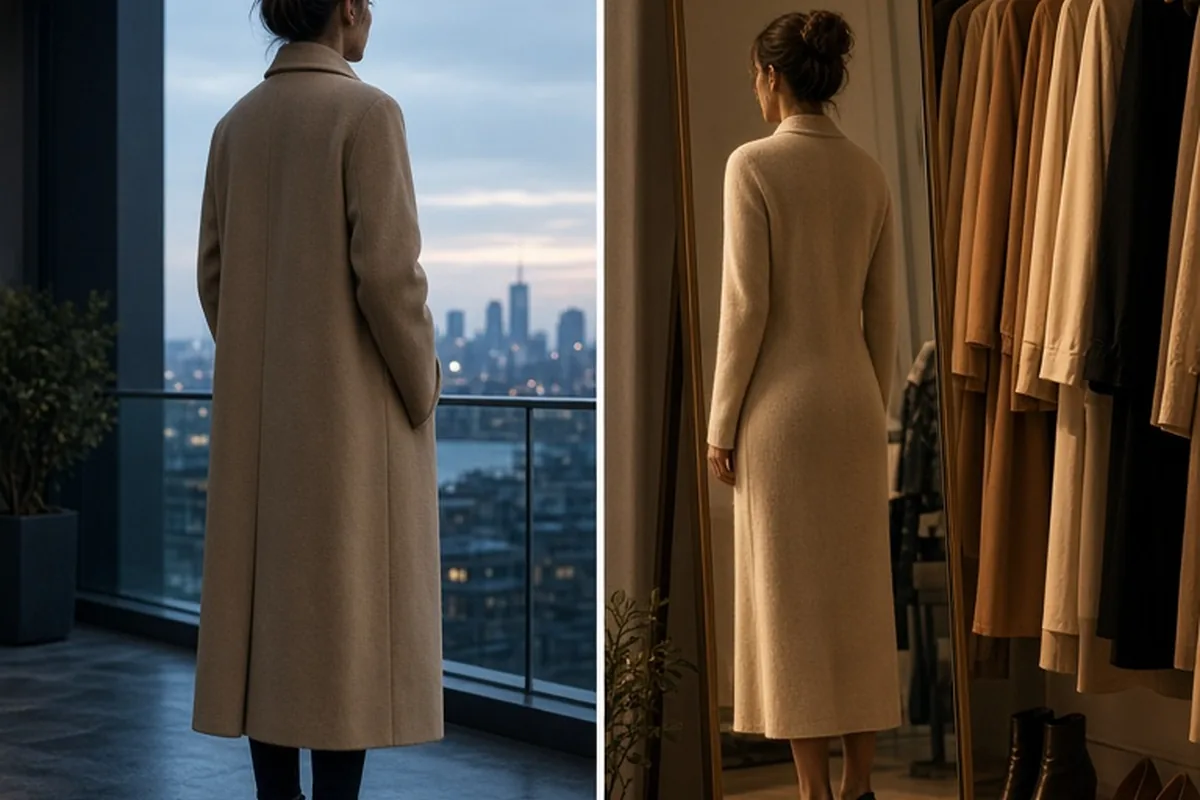
Yes, 5'8 is widely considered tall for a woman in the United States, where the general average female height is approximately 5'4. Standing four inches above that benchmark places you noticeably above typical crowd height. While not an extreme outlier, it provides an elongated, statuesque silhouette that noticeably shapes wardrobe choices, posture habits, and everyday social visibility.
Navigating life at five feet eight inches often means walking a distinct line between fitting standard clothing cuts and commanding an immediate visual presence in most rooms.
How 5'8 Compares to Population Averages and Daily Perceptions
In demographic terms across North America, the typical adult woman stands around 5'4. When you stand at 5'8, you sit comfortably in the upper tier of the height distribution, often taller than roughly eighty-five to ninety percent of adult females in standard peer environments. Because everyday items and spaces are constructed around the broad median, being four inches taller than average means your height is noticeable without making you seem completely out of proportion with your surroundings. You are likely tall enough to easily see over heads in crowded rooms or comfortably retrieve high shelf items that require others to use a step stool.
Social context naturally modifies this perception. In casual group settings, such as a dinner party or office gathering, you may frequently notice that you are the tallest woman in attendance, particularly if you choose to wear heels. Conversely, in athletic environments such as competitive volleyball or basketball teams, 5'8 is often considered average or even relatively compact. A common trade-off of this height is that while you enjoy a striking, elegant presence, people may frequently ask if you play sports or comment casually on your height, requiring you to navigate unsolicited observations with simple, grounded ease.
Navigating Ready-to-Wear Wardrobes, Inseams, and Proportion
One of the most immediate practical effects of being 5'8 surfaces in retail dressing rooms. Conventional women's clothing lines are patterned using fit models who generally measure between 5'5 and 5'6. Consequently, off-the-rack garments frequently sit slightly out of alignment on a 5'8 frame. Trousers designed with standard thirty-inch or thirty-one-inch inseams often land awkwardly around the upper ankle, while long-sleeve shirts and tailored blazers can fall an inch short at the wrists, interrupting an otherwise polished silhouette.
To build a wardrobe that flatters your proportions without constant frustration, focusing on specialized lengths and structural tailoring makes a measurable difference. Many major retailers now provide dedicated tall collections, which generally add one to two inches in sleeve length, lengthen the torso rise, and offer thirty-three-inch to thirty-four-inch inseams. An actionable approach is to buy foundational staples, such as work trousers or structured coats, in tall cuts and have a local tailor refine the waist. This avoids the boxy look that occurs when you simply size up in regular cuts just to gain extra vertical fabric.
Dresses present their own distinct fit dynamics. Midi dresses that are intended to fall mid-calf on an average-height woman might hit just below your knee, effectively turning into a stylish tea-length piece. Mini skirts and shift dresses demand careful checking of overall garment length to ensure they remain comfortable when sitting or bending down. Embracing high-waisted cuts and monochrome color blocking allows you to highlight your vertical line rather than breaking your body into abrupt, misaligned segments.
Workplace Presence and Visual Authority
Height naturally influences nonverbal communication in professional environments. At 5'8, standing at a podium, leading a presentation, or participating in a boardroom discussion affords an immediate visual anchor. Research into social perception suggests that taller individuals are often reflexively perceived as confident and authoritative, which can work to your advantage when establishing credibility or managing large groups. Your eye line aligns closely with many male colleagues and comfortably above average-height peers, fostering an instinctive parity during face-to-face dialogue.
However, there can be delicate social balances to navigate. A taller woman who communicates assertively might occasionally be misread as intimidating by individuals who are accustomed to conventional gender expectations regarding physical presence. The most effective counter to this dynamic is pairing physical stature with open, collaborative body language. Maintaining relaxed shoulders, uncrossed arms, and warm eye contact ensures that your height functions as an asset of calm authority rather than an unintentional barrier to approachable teamwork.
Overcoming the Slouching Habit and Cultivating Alignment
Many women who reached 5'8 during adolescence developed a subconscious habit of rounding their shoulders or dropping their head to blend in with shorter peer groups. Over time, this protective slouch can tighten the chest muscles, weaken upper-back stabilizers, and lead to chronic tension across the neck and lumbar spine. Diminishing your stature through poor posture does not make you significantly shorter; instead, it simply projects hesitation and strains your musculoskeletal system.
Retraining your posture involves rebuilding both kinesthetic awareness and physical support. Practicing a neutral spine requires imagining a gentle upward pull through the crown of your head, rolling the shoulder blades gently down and back toward the spine, and keeping your pelvis level rather than anteriorly tilted. When you walk, focus on leading with your sternum rather than your forehead. Embracing your full vertical height through upright posture fundamentally shifts how clothes drape on your body and reinforces an internal sense of ease.
Ergonomics and Everyday Structural Comfort
While standard household and office designs are more accommodating to a 5'8 frame than to someone six feet or taller, minor ergonomic misalignments can still accumulate into physical fatigue. Many basic office chairs have fixed lumbar supports that hit too low on the spine, and standard desk heights can cause taller individuals to crane their necks downward when viewing computer screens. Similarly, standard airline seats or compact car legrooms may leave your knees pressing against the forward barrier during extended travel.
Setting up your environment to support your dimensions prevents unnecessary strain. Position your primary computer monitor so that the top third of the screen sits at horizontal eye level, eliminating downward cervical flexion. When seated, adjust your desk chair so that your knees form an even ninety-degree angle with your feet planted flat on the floor, adding a separate footrest if you raise the seat to match a taller work surface. In the kitchen or bathroom, adopting a slightly wider stance while prepping food or washing dishes can alleviate the lower back ache caused by leaning over counters built for shorter torsos.
Dating Dynamics and Footwear Choices
Height frequently surfaces in social and romantic contexts, sometimes generating unnecessary anxiety. While the median adult man in the US is roughly 5'9, standing at 5'8 means you will be nearly eye-to-eye with an average male partner. Some women wonder whether wearing a three-inch heel—which places them at 5'11—disrupts traditional dating norms. In practice, concerns about female height in relationships are usually driven by lingering cultural stereotypes rather than authentic compatibility.
Making shoe choices should stem from personal aesthetic preferences, comfort, and event requirements rather than managing someone else's comfort level. Wearing an elegant pointed-toe heel or a bold platform boot can showcase long legs and elevate an outfit, while a tailored loafer or minimalist sneaker offers practical sophistication. When you carry your height with self-assurance, it sets a comfortable tone for your partner, demonstrating that physical height is simply a neutral trait rather than a complicated social variable.
Reframing Height as a Core Stylistic Advantage
In the fashion and design worlds, 5'8 is often considered the ideal baseline for showcasing clothing. High-fashion runway and editorial models commonly start around 5'9, meaning that high-street and couture garments are frequently envisioned with elongated proportions in mind. At 5'8, you possess the vertical canvas necessary to carry bold patterns, sweeping trench coats, floor-skimming maxi dresses, and wide-leg trousers that might visually overwhelm a shorter frame.
Maximizing this stylistic advantage involves playing with structural balance rather than hiding your dimensions. Try pairing voluminous wide-leg pants with a fitted top, or wearing an ankle-length woolen overcoat unbuttoned to emphasize vertical movement. Instead of feeling confined by clothing limitations, viewing your height as an opportunity allows you to experiment with expressive shapes, vibrant colors, and architectural cuts that feel commanding and uniquely personal.
Frequently asked questions
Is 5'8 considered tall for a woman internationally?
Yes, in most countries across the globe, 5'8 is well above average for women. The global female height average hovers around 5'3, with only a few Northern and Eastern European nations having female averages near 5'6 or 5'7.
What is the ideal pant inseam for a woman who is 5'8?
Inseam requirements depend on individual leg-to-torso proportions, but most 5'8 women fit best in a 32-inch to 34-inch inseam for full-length pants. For cropped styles or ankle pants, a 28-inch to 30-inch inseam typically lands at a flattering point above the ankle.
Does being 5'8 change the way a woman should wear heels?
Not at all. You can wear any heel height you enjoy, from subtle kitten heels to four-inch stilettos. Choosing footwear should be based on your comfort, personal style, and the occasion rather than an arbitrary desire to avoid being noticeably taller.
Your next step
Assess your current wardrobe inseams and work desk setup today to make small, deliberate adjustments that support your natural vertical posture.