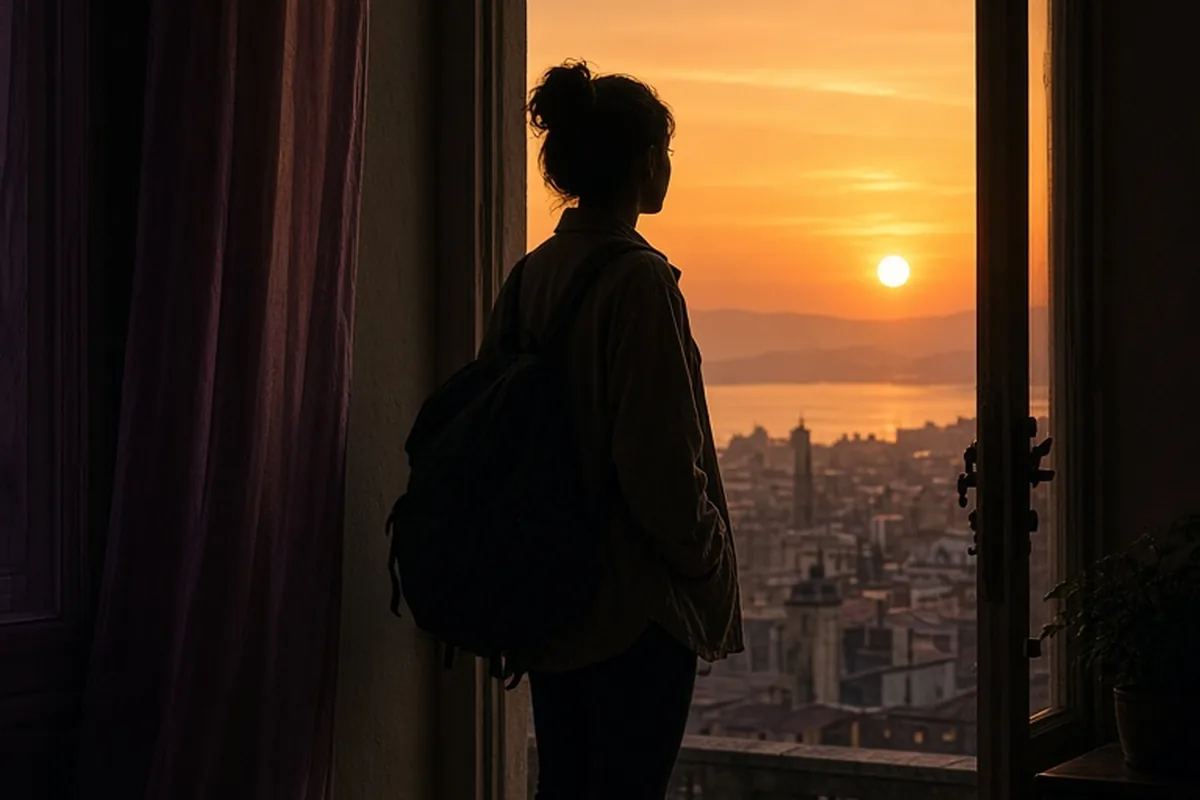
Argentina is generally considered safe for solo female travelers compared to many global destinations, provided you practice sensible situational awareness. Petty theft like bag snatching and phone grabbing occurs frequently in major transit hubs and tourist centers, but violent crime against tourists is relatively rare. Understanding local neighborhoods, using verified rideshares, and managing cash securely allow solo women to travel comfortably across both vibrant cities and remote regions.
Planning an independent trip to Argentina offers a mix of bustling cultural hubs, walkable neighborhood cafes, and vast natural landscapes like Patagonia and the Northwest wine valleys. While traveling alone as a woman here is widely rewarding and increasingly popular, navigating the country smoothly requires an honest look at common street scams, transport options, and regional differences.
Navigating Buenos Aires and Urban Neighborhoods Safely
Buenos Aires is often the arrival hub and entry point for solo travelers. Like any major global metropolis, safety varies significantly depending on the specific neighborhood and time of day. Areas such as Palermo, Recoleta, Belgrano, and Colegiales are largely residential, upscale, and active with foot traffic well into the night, making them popular bases for solo women. Conversely, neighborhoods surrounding major train terminals like Retiro and Constitucion require heightened caution, especially after dark. La Boca is famous for its colorful Caminito strip, but wandering off the designated tourist corridor into surrounding residential blocks carries a much higher risk of mugging.
The most widespread risk in urban Argentina is non-violent opportunistic theft, particularly phone snatching and pickpocketing. In sidewalk cafes, keep your phone off the edge of the table and loop your bag strap around your chair or leg rather than hanging it loosely on the chair back. Be particularly attentive at traffic lights and pedestrian crossings, where opportunistic thieves on motorbikes or bicycles may grab loose valuables from unsuspecting pedestrians. Using cross-body bags with secure zippers and keeping your phone inside a zipped pocket while walking along main avenues greatly reduces your chances of being targeted.
Transportation: Taxis, Subways, and Long-Distance Buses
Urban transportation is generally reliable and easy to navigate, but making conscious choices about how you move around at night enhances personal security. During the day, the Buenos Aires Subte subway network and extensive bus system are efficient and cost-effective, though crowded transit cars require vigilance against pickpockets. At night, relying on app-based rideshare services like Cabify or Uber provides a tracked, cashless journey with clear route monitoring. If hailing street taxis, prioritize official Radio Taxis identifiable by their roof signage and company details on the front doors, rather than unmarked private vehicles.
Long-distance travel throughout Argentina is exceptionally well-developed, with comprehensive sleeper coach networks offering a comfortable alternative to domestic flights. Bus terminals in provincial capitals can be hectic and attract opportunistic thieves, so arrive close to your departure time, wait in well-lit designated areas, and keep your primary personal belongings on your lap rather than in overhead luggage racks. When choosing between long-distance buses and domestic airlines, consider travel time; bus routes across Argentina cover enormous distances, so flights are often worth the additional cost for solo travelers looking to minimize transit fatigue.
Regional Differences: Patagonia, Mendoza, and the Northwest
Outside the capital, safety dynamics change significantly. Tourist destinations in Patagonia, such as San Carlos de Bariloche, El Chalten, and Ushuaia, and the wine valleys of Mendoza enjoy much lower rates of petty crime than urban centers. Solo female travelers often find Patagonia exceptionally welcoming and straightforward, as the local economies revolve around outdoor adventure, hiking, and eco-tourism. In towns like El Chalten, the atmosphere is small-scale, communal, and peaceful, allowing solo hikers to explore town amenities and trails with a high degree of comfort.
While violent crime is minimal in outdoor destinations, natural risks require thoughtful planning. If you plan to hike solo in national parks such as Los Glaciares or Nahuel Huapi, always register your route with park ranger stations and download offline maps before setting out, as cellular service drops off rapidly once you leave town borders. Weather conditions in the Andes can shift suddenly from mild sunshine to freezing winds, so carrying proper layers, water, and basic navigation gear is essential. Joining group day excursions or finding walking partners through local hostels is a simple way to combine independent travel with added backcountry security.
Social Dynamics, Street Culture, and Unwanted Attention
Understanding local cultural norms helps solo female travelers navigate social interactions with confidence. In Argentina, personal interactions are generally warm, expressive, and physically close, with cheek kisses standard among acquaintances. Solo women will likely encounter street remarks or catcalls known locally as piropos. While usually non-contact, these comments can feel intrusive or uncomfortable. The most effective approach is that taken by local women: maintain a neutral facial expression, ignore the comment, and continue walking without making eye contact or stopping to engage.
Argentina's social schedule operates exceptionally late compared to North American or northern European standards. Restaurants rarely fill up before nine or ten in the evening, and nightlife often peaks between two and five in the morning. While lively streets during late hours can provide a sense of collective presence, solo women should stay mindful of alcohol intake and watch their drinks closely in crowded bars or clubs. Sticking to well-lit main avenues when walking home, or scheduling a rideshare pickup directly from the venue, ensures you enjoy Argentina's vibrant social culture without putting yourself in vulnerable situations.
Money Logistics: Currency Handling and Secure Spending
Managing money in Argentina requires strategic planning due to fluctuating exchange rates and an economy where cash transactions remain common for small businesses. Historically, travelers relied heavily on physical cash, but foreign credit and debit cards now frequently receive favorable foreign tourist exchange rates, reducing the need to carry massive amounts of paper currency. However, smaller regional cafes, artisan markets, and rural transport services may still prefer or exclusively accept cash.
Handling physical money safely means never withdrawing or counting large stacks of pesos in public view. If using money transfer services or withdrawing from automated teller machines, choose branches located inside secure banks or shopping centers during daytime business hours. Divide your money across multiple locations: keep one daily payment card and a moderate sum of cash in your active purse or pocket, while securing backup cards, emergency foreign currency, and your passport in a safe inside your accommodation.
Health, Communication, and Emergency Preparedness
Maintaining reliable mobile connectivity and having emergency contingency plans is one of the easiest ways to bolster your safety when traveling solo. Purchasing an eSIM before departure or obtaining a physical SIM card from major Argentine carriers like Personal, Claro, or Movistar upon arrival allows you to access navigation tools, rideshare apps, and translation resources at all times. Argentina uses 911 as its general emergency telephone number in major cities, which routes callers to police, fire, and medical dispatchers.
Argentina possesses a dual healthcare system consisting of public hospitals and private medical facilities. While public emergency departments provide care to anyone in an acute crisis regardless of nationality, private hospitals and clinics offer faster service and more English-speaking staff. Solo travelers should carry comprehensive travel health insurance that includes medical evacuation coverage, along with digital copies of essential health documents stored securely in cloud storage. Choosing accommodations with twenty-four-hour reception desks provides an added layer of safety, offering round-the-clock assistance if unexpected medical or travel issues arise.
Frequently asked questions
Is Argentina safe for solo female travelers at night?
Major cities like Buenos Aires are active late into the night, but safety depends on the neighborhood. Sticking to well-lit, busy areas like Palermo and using rideshare apps such as Cabify for late travel keeps nighttime exploration safe.
Do I need to speak fluent Spanish to travel Argentina alone?
While fluent Spanish is not mandatory, knowing basic conversational phrases and transit vocabulary is very helpful. Tourism workers often speak some English, but local transport, smaller restaurants, and provincial regions operate almost entirely in Spanish.
How should solo female travelers dress to blend in?
Argentine urban style is casual, stylish, and practical. Wearing simple, comfortable clothing and keeping flashy jewelry, high-end watches, and expensive designer bags tucked away helps you avoid attracting unwanted attention from opportunistic thieves.
What is the best accommodation type for women traveling alone in Argentina?
Boutique hotels with 24-hour front desks and reputable hostels with female-only dorms are both excellent options. Hostels offer an easy way to meet fellow travelers for day trips, while staffed hotels provide reliable perimeter security and immediate local advice.
Your next step
Review your planned itinerary, map out the safest neighborhoods for your accommodation bases, and download offline maps and transit apps before you depart.