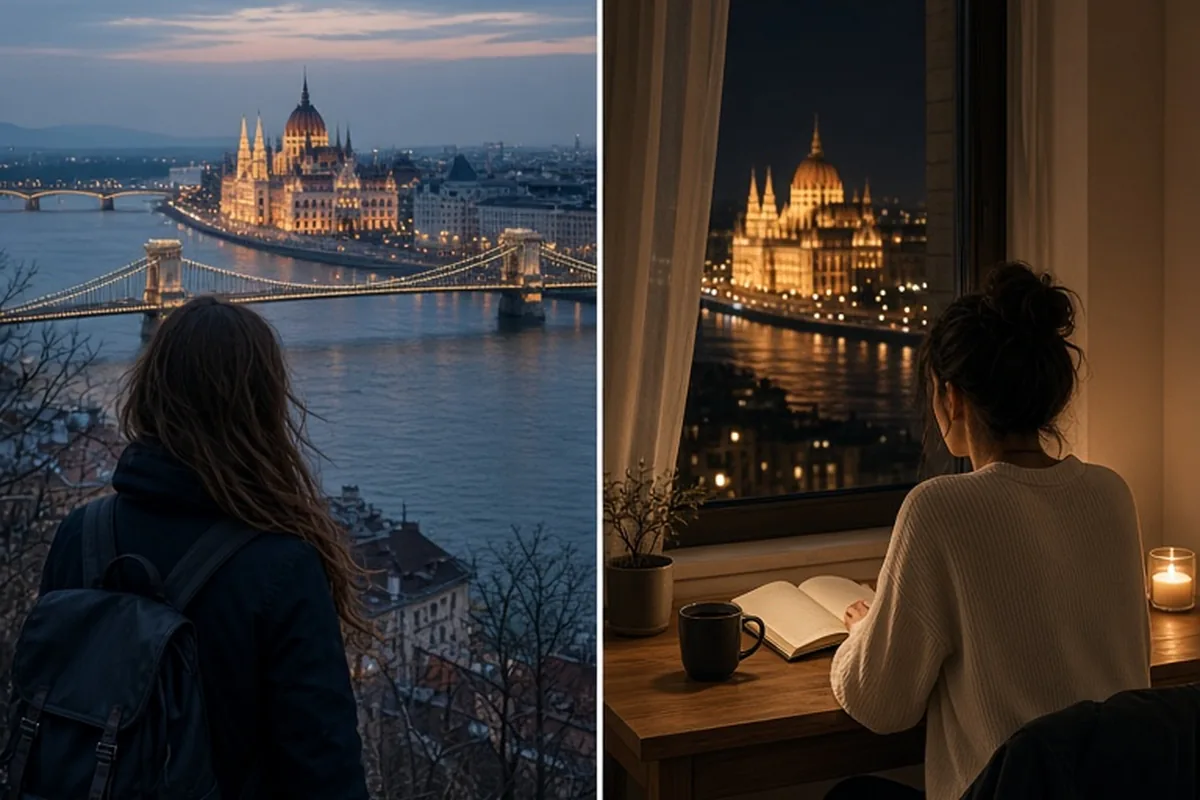
Yes, Budapest is generally considered very safe for solo female travelers, featuring low violent crime rates and an extensive, reliable public transit network. While routine city precautions apply—such as guarding against pickpocketing in crowded tourist centers and avoiding unmarked street taxis—most women navigate the Hungarian capital independently, day and night, with confidence and ease.
Hungary's capital offers an inviting blend of historic architecture, thermal bath culture, and walkable avenues that make it a favorite for independent exploration. Understanding local norms, transit systems, and neighborhood dynamics helps you plan an enriching solo itinerary while feeling secure at every stage of your journey.
Understanding the General Safety Climate in Budapest
Budapest consistently ranks among the safer European capitals for international visitors, supported by visible transit security, well-lit central avenues, and a culture accustomed to solo tourists. Violent street crime is uncommon, and everyday interactions in public spaces rarely involve aggressive confrontation. For solo female travelers, this means you can comfortably walk through main thoroughfares, dine alone in cafes, and explore major cultural sights without constant worry.
The primary safety concern you will encounter is non-violent opportunistic theft, especially in high-density tourist areas. Crowded transit hubs like Deák Ferenc tér, bustling shopping promenades such as Váci utca, and busy open-air markets see periodic pickpocketing. Protecting yourself does not require hyper-vigilance; simply using a zippered crossbody bag, keeping your phone secure rather than resting loosely on cafe tables, and staying alert in tightly packed tram cars will prevent the vast majority of incidents.
A useful consideration when assessing safety is understanding the difference between feeling momentarily disoriented and being in genuine danger. Central Budapest features grand, somewhat dimly lit side streets lined with 19th-century residential buildings that can feel quiet after dark. While these residential streets are generally peaceful, choosing main avenues with active storefronts and public transit lines can help you feel more at ease during late-night walks.
Choosing the Best Neighborhoods for Solo Stays
Budapest is bisected by the Danube River into Buda on the west and Pest on the east, each offering distinct environments for solo accommodation. Pest is home to the commercial, cultural, and nightlife core, making it the most practical side of the river for travelers who prefer walking to dinner and attractions. Buda is hilly, greener, and notably quieter, appealing to those who prioritize peaceful evenings over immediate proximity to evening venues.
District V (Belváros-Lipótváros) is widely regarded as the most convenient and secure home base for solo travelers, placing you within walking distance of the Hungarian Parliament, St. Stephen's Basilica, and major metro lines. District VI (Terézváros), particularly along the grand Andrássy Avenue, offers an elegant, safe setting with easy access to the Opera House and City Park. If you want a lively, central atmosphere, District VII (Erzsébetváros, the historic Jewish Quarter) is packed with restaurants, boutique cafes, and famous ruin bars, though street noise can be high on weekends.
When booking accommodations, weigh the trade-offs between convenience and late-night quiet. Staying directly in the heart of District VII means you will never have a long walk home after an evening out, but you may contend with rowdy party crowds and loud street chatter until the early morning. If you prefer quiet sleep, consider booking on the outer edges of District VI or across the river in District I (Castle District), keeping in mind that staying in Buda will require relying on late-night transit or ride-hailing to return home.
Navigating Public Transportation and Late-Night Travel
Budapest boasts one of Europe's most efficient and affordable public transportation networks, operated by BKK. The system includes four metro lines, classic yellow trams, trolleybuses, and standard buses that blanket the city. For solo travelers, public transit is not only economical but also safe and well-used by locals of all ages throughout the day.
To travel smoothly, purchase tickets or multi-day passes using the official BudapestGO mobile application or automated multilingual vending machines at stations. Validating single paper tickets upon entering metro stations or immediately inside trams and buses is essential, as plainclothes ticket controllers actively check fares and issue strict on-the-spot fines. Tram 2, which runs along the Pest bank of the Danube, provides a scenic, safe, and inexpensive way to view the riverfront landmarks without booking a tour.
For nighttime mobility, Budapest operates an extensive network of night buses (marked with 900-series numbers) and the 24-hour Tram 6, which circles the Grand Boulevard. While these services are safe, Tram 6 can attract loud or intoxicated crowds late on Friday and Saturday nights. If you prefer private transport after midnight, use licensed ride-hailing apps like Bolt or call official taxi companies such as Főtaxi. Avoid flagging unbranded yellow cabs on the street, as independent drivers are more likely to manipulate meter rates or take indirect routes.
Managing Nightlife and Solo Dining with Confidence
Budapest's nightlife is renowned for its ruin bars—eclectic gathering spaces established inside abandoned residential courtyards and factories. Solo female travelers can comfortably experience iconic venues like Szimpla Kert during early evening hours when the atmosphere is relaxed, artsy, and community-focused. As the night progresses and venues become packed, maintaining situational awareness ensures your experience remains positive.
Solo dining in Budapest is widely accepted and hassle-free. Traditional eateries (étkezde), specialty coffee shops, and modern bistros regularly host single diners, and staff are typically polite and accommodating. If you feel hesitant about sitting alone at a sit-down restaurant, choosing casual wine bars, counter-service bakeries, or bustling food halls like the Great Market Hall provides an approachable way to ease into solo meals while enjoying authentic Hungarian dishes like lángos or goulash.
When socializing in nightlife districts, standard personal boundaries apply. Watch your drinks being poured, keep them in hand, and decline open beverages offered by strangers. If someone becomes overly persistent in conversation, a firm and polite refusal is usually sufficient to end the interaction. If you ever feel uncomfortable in a crowded bar, approaching the bar staff or security personnel is an effective way to reset your space without escalating the situation.
Recognizing and Avoiding Common Urban Scams
While violent crime is rare, awareness of a few persistent tourist-focused scams can save you money and frustration. The most notable scheme involves friendly locals—often attractive duos—who approach solo travelers on pedestrian streets like Váci utca, strike up conversation, and suggest visiting a specific nearby bar or lounge. At the end of the visit, the traveler is presented with an exorbitant bill for basic drinks, with intimidating staff enforcing payment. You can prevent this entirely by choosing your own dining and drinking establishments rather than following strangers into unvetted venues.
Another common pitfall involves currency exchange and cash withdrawals. Hungary uses the Hungarian Forint (HUF), not the Euro. Avoid freestanding blue-and-yellow Euronet ATMs located along tourist strips, as they often apply unfavorable exchange rates and high transaction fees. Instead, withdraw local currency directly from official bank-affiliated ATMs such as OTP Bank, Erste Bank, or K&H, and always opt to be charged in the local currency (HUF) rather than your home currency when using payment cards.
Be cautious with independent street vendors and unofficial tour promoters around major transit plazas like Keleti Railway Station and Deák Ferenc tér. Legitimate walking tours, river cruises, and thermal bath passes can be booked directly online or through official visitor centers, eliminating the risk of purchasing invalid vouchers from unauthorized sellers on the street.
Practical Tips for Thermal Baths, Solo Well-Being, and Emergencies
A quintessential Budapest experience is visiting historical thermal baths, such as Széchenyi, Gellért, or Rudas Baths. Solo female travelers can enjoy these facilities safely, but understanding the setup makes the visit smoother. Most major baths are co-ed every day, though some historical baths maintain specific single-gender days for their traditional thermal sections. When purchasing your entry, opt for a private changing cabin (kabin) rather than a shared locker area; it provides a secure, private space to change and lock up your personal items with an electronic wristband.
Staying connected digitally will enhance both your comfort and independence while moving through the city. Local SIM cards and eSIMs offer fast mobile data across Hungary, allowing you to check transit schedules in real time, translate Hungarian signage, and share your live location with friends or family back home. Many central cafes and public spaces also provide dependable complimentary Wi-Fi.
Familiarize yourself with essential local emergency resources before your trip begins. Having these numbers saved in your phone ensures you can act swiftly if any unexpected situation arises during your stay.
- General European Emergency Number: 112 (connects to English-speaking operators for police, medical, and fire services)
- Hungarian Tourist Police Hotline: +36 1 438 8080 (available for reporting non-emergency theft or tourist-related incidents)
- Non-Emergency Medical Advice (Budapest Medical Services): +36 1 200 0100
- Official Ride-Hailing Apps: Download Bolt or Főtaxi for reliable, metered transportation
Illustrative Scenarios
Navigating Late-Night Transit Between Buda and Pest
A solo traveler spent the evening attending an organ concert near St. Stephen's Basilica in Pest before returning to her boutique hotel located across the river near Castle Hill in Buda. Rather than hailing an unmetered taxi waiting outside the church, she used the BudapestGO app to plan her journey. After finding that the connecting bus ran less frequently after 11:00 PM, she opened the Bolt app, confirmed the fixed fare and license plate in advance, and arrived directly at her accommodation within ten minutes.
Key point: Planning late-night cross-river transit ahead of time or utilizing vetted ride-hailing apps prevents unnecessary waiting at quiet transit stops and eliminates the risk of taxi overcharging.
Frequently asked questions
Is it safe to walk alone in Budapest at night?
Yes, central districts such as District V, VI, and VII are generally safe for solo walking at night due to consistent foot traffic and good lighting. Sticking to primary boulevards and avoiding poorly lit alleyways or empty parks after hours provides a comfortable experience.
Do I need to speak Hungarian to get around Budapest safely?
No, speaking Hungarian is not required, as English is widely spoken in hotels, restaurants, transit hubs, and tourist attractions across the city. Learning a few polite phrases like 'köszönöm' (thank you) is appreciated by locals but rarely necessary for basic communication.
Are the thermal baths in Budapest safe for women visiting alone?
Yes, thermal baths are safe and frequented by both locals and solo travelers of all ages. Booking a private changing cabin provides secure storage for your belongings and a comfortable, private space to change.
What should I do if a taxi driver refuses to use the meter?
Politely decline the ride and step out of the vehicle before departing. To avoid this issue entirely, book rides exclusively through the Bolt app or call established taxi fleets like Főtaxi rather than picking up random cars waiting at tourist hotspots.
Your next step
Download the BudapestGO and Bolt apps on your phone before departing so you can navigate transit routes and secure reliable transport seamlessly from your first day in the city.