Cologne is for anyone regardless of gender. Historically, cologne refers strictly to a light fragrance concentration containing two to five percent perfume oil diluted in alcohol and water, rather than a gender label. While modern retail stores often market men's fragrances under the broad term cologne and women's as perfume, aromatic notes carry no biological gender. Anyone can wear any fragrance that fits their style and body chemistry.
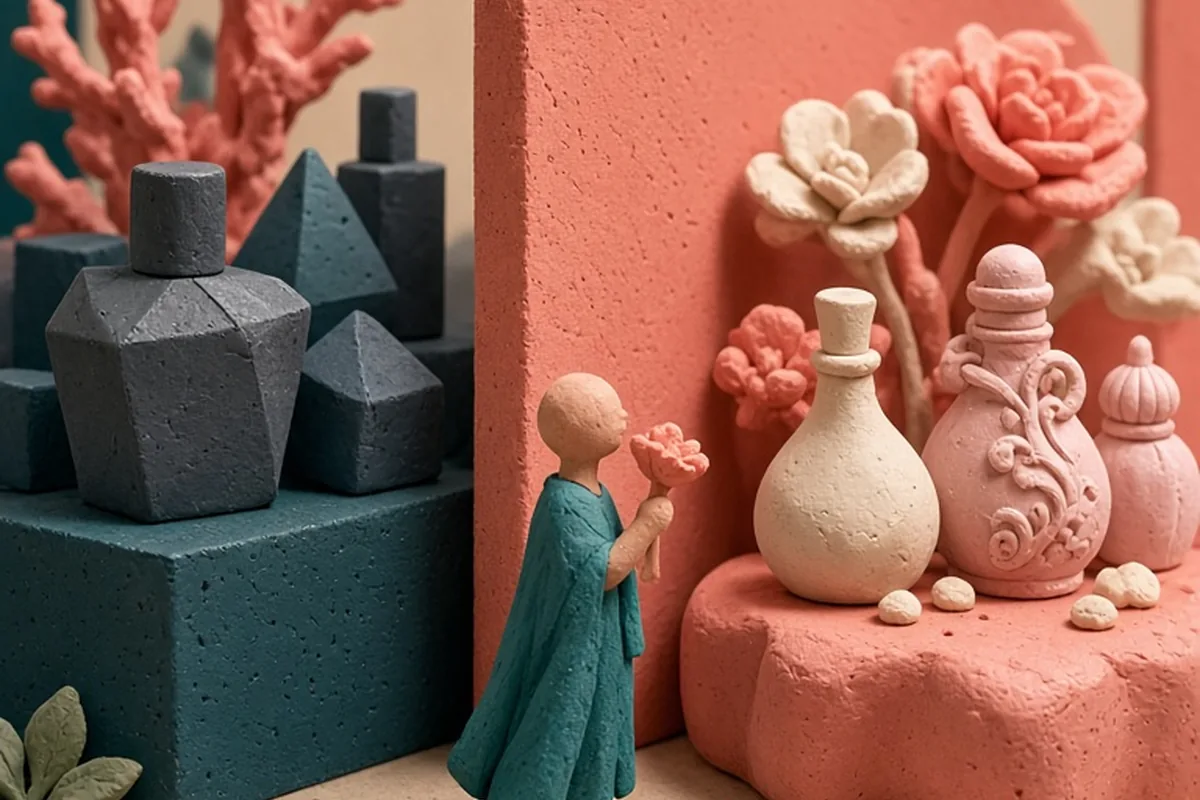
Walking into a department store fragrance aisle usually presents a distinct divide between heavy, geometric bottles on the men's counter and ornate, pastel bottles on the women's counter. This retail layout encourages shoppers to believe that specific scent notes belong exclusively to one sex, but the chemistry of perfumery tells a very different story.
The Historical Origin of Eau de Cologne
The term cologne originated in 1709 when an Italian perfumer named Johann Maria Farina created a scented water in Cologne, Germany. He formulated a blend of citrus oils, including lemon, orange, bergamot, and petitgrain, paired with herbs like rosemary and lavender. Farina designed this mixture to remind him of an Italian spring morning after rain. The product, named Eau de Cologne, became an immediate success among European royal courts and was purchased freely by both men and women without any gender distinction.
For centuries across Europe, scented waters functioned as personal hygiene products, refreshing tonics, and luxury accessories for anyone of high social standing. Historical figures like Napoleon Bonaparte and Queen Victoria were known to use large quantities of citrus-based colognes daily. Scent was treated primarily as an expression of cleanliness, vitality, and wealth rather than a statement about masculine or feminine identity.
The cultural separation between cologne and perfume emerged primarily in twentieth-century North America. Post-war fragrance marketers recognized that American men were hesitant to buy products labeled perfume, which had come to be associated exclusively with women's vanity tables. To build a robust men's grooming market, companies repositioned the word cologne as the acceptable, rugged alternative for male consumers, creating a lasting linguistic confusion that persists today.
Concentration Differences Across Fragrance Types
In technical perfumery, fragrance categories indicate the percentage of pure aromatic oils dissolved in alcohol and water, not the intended gender of the wearer. Extrait de Parfum sits at the highest tier, containing twenty to forty percent oil concentration, which provides exceptional depth and lasting power. Eau de Parfum follows with fifteen to twenty percent oil, making it the most common format for modern luxury fragrances due to its balanced projection and six to eight hours of longevity.
Eau de Toilette contains five to fifteen percent fragrance oil, offering a crisper, more volatile composition that lasts roughly three to five hours. True Eau de Cologne contains only two to five percent aromatic oils, designed specifically for a light, fleeting application that provides an instant burst of freshness without lingering heavily throughout the day. Below that sits Eau Fraiche, which contains one to three percent oil and consists mostly of water and alcohol.
When an American retailer sells a men's cologne, the bottle inside is frequently an Eau de Toilette or Eau de Parfum formulated with rich woods or spices. Conversely, a luxury heritage brand might offer an authentic Eau de Cologne meant to be applied generously by anyone on a hot afternoon. Understanding these concentrations allows you to evaluate a bottle by its performance and formula rather than relying on decorative packaging.
Why Aromatic Notes Have No Inherent Gender
Fragrance notes are chemical compounds derived from botanicals, resins, woods, and synthetic molecules. A molecule of cedarwood oil or Bulgarian rose absolute contains no biological gender markers. The perception of certain notes as masculine or feminine is entirely a cultural construct that shifts dramatically across time periods and geographical regions.
In Middle Eastern fragrance traditions, men have worn rich, concentrated rose, saffron, and oud compositions for centuries, viewing deep florals as symbols of strength, prestige, and hospitality. In contrast, Western marketing during the mid-twentieth century framed floral notes as delicate and feminine, while assigning dry woods, leather, tobacco, and oakmoss to men. These marketing frameworks created familiar associations that people mistook for natural preferences.
Modern perfumery increasingly rejects these binary boundaries. High-end niche perfume houses frequently release genderless collections built around notes like iris, vetiver, fig, and vanilla. A woman wearing a dark, smoky vetiver cologne projects an air of tailored sophistication, while a man wearing a bright jasmine or neroli water exudes effortless Mediterranean style. The notes simply reflect personal aesthetic preferences.
How Body Chemistry Shapes Fragrance Development
A fragrance smells noticeably different on living skin than it does when sprayed onto a paper blotter. Your skin surface possesses a unique combination of natural sebum levels, acidity, moisture balance, and surface temperature. These physiological factors influence the rate at which top, heart, and base notes evaporate, creating a personalized olfactory profile for every wearer.
For instance, naturally oily skin holds onto volatile aromatic compounds significantly longer than dry skin does, allowing light citrus colognes to project steadily across several hours. On very dry skin, the same citrus notes may vanish within thirty minutes, leaving behind only the subtle woody base. Body temperature also accelerates evaporation, which means a brisk herbal cologne can smell sharp and invigorating on one person but warm and muted on another.
To evaluate whether a cologne works for you, always test it directly on clean skin on your forearm or inner wrist. Allow the scent to develop through its full progression over three to four hours before forming an opinion. The opening blast of citrus or alcohol will fade within fifteen minutes, revealing the heart notes that define how the scent truly behaves on your body.
Selecting a Fragrance Based on Personal Scent Families
Instead of shopping by the label on the counter, navigating the fragrance world becomes much easier when you categorize scents by their olfactory families. Identifying which structural families resonate with your daily routine allows you to choose bottles from any department with confidence.
The primary fragrance families provide clear reference points for your search:
Fresh and Citrus: Dominated by lemon, bergamot, grapefruit, and neroli, these scents are uplifting, clean, and ideal for warm weather or professional workspaces.
Woody and Earthy: Featuring cedar, sandalwood, patchouli, and vetiver, these compositions provide grounded warmth, structure, and reliable longevity.
Floral: Encompassing rose, jasmine, tuberose, and lavender, floral profiles range from crisp green blossoms to creamy, sensual bouquets.
Amber and Warm Spice: Built on resins, vanilla, cinnamon, and tonka bean, these scents offer rich sweetness and comforting depth best suited for evening or cool weather.
Aromatic and Fougère: Combining lavender, oakmoss, and coumarin, this classic barbershop structure provides a crisp, herbaceous, and crisp profile.
If you discover that you enjoy earthy, dry profiles, you can comfortably explore a men's vetiver cologne or a unisex woody Eau de Parfum. If you prefer bright, refreshing aromas, classic citrus colognes will deliver that sensation regardless of which counter displays them.
Practical Application and Longevity Trade-offs
Because authentic Eau de Cologne formulas contain low oil concentrations, they possess natural physical limits in longevity and sillage. Expecting a traditional citrus cologne to last through an entire workday without reapplication will lead to disappointment. These lighter scents are formulated specifically for immediate refreshment and intimate projection rather than leaving a heavy scent trail.
To maximize the longevity of a lighter cologne, apply it to well-hydrated skin immediately after showering. Applying an unscented moisturizer or body oil creates a lipid barrier that slows down fragrance evaporation. Target warm pulse points such as the sides of the neck, inner elbows, and wrists, but avoid rubbing your wrists together, as friction breaks down delicate top notes prematurely.
If you require all-day performance without carrying an atomizer for midday touch-ups, choosing an Eau de Parfum or concentrated oil in your preferred scent family is a practical alternative. Conversely, if you work in healthcare, close office spaces, or environments where strong scents cause irritation, a true Eau de Cologne is the safer choice because it remains subtle and unobtrusive.
Navigating Retail Marketing and Packaging Bias
Department store displays, advertising campaigns, and bottle aesthetics are engineered to trigger specific social archetypes. Blue bottles with metallic caps and names referencing adventure, steel, or nocturnal themes are aimed at men, while curved bottles with ribbon accents and floral names target women. Recognizing these design choices helps you see past the marketing narrative and focus purely on the juice inside.
Many fragrance enthusiasts find their signature scents by actively browsing the opposite side of the store. A man looking for an elegant, powdery summer scent might discover that a classic women's iris fragrance provides exactly the refined freshness he wanted. Similarly, a woman looking for an unfussy, crisp herbal aroma may find that a traditional men's lavender-and-oakmoss cologne delivers cleaner lines than overly sweet feminine perfumes.
The most effective approach is to sample blind whenever possible. Spray blotters without reading the promotional material or gender designation, and let your nose determine what smells appealing. When you remove social conditioning from the decision, choosing a fragrance becomes an authentic reflection of what makes you feel comfortable and confident.
Frequently asked questions
Can women wear cologne marketed for men?
Yes, women can wear any cologne or fragrance marketed toward men. Scent compounds interact with personal skin chemistry rather than gender, and many classic masculine notes like cedar, bergamot, and vetiver smell balanced and sophisticated on women.
What is the real difference between cologne and perfume?
The primary difference lies in the concentration of aromatic oils. Perfume, particularly Eau de Parfum, contains fifteen to twenty percent oil for longer wear, whereas authentic Eau de Cologne contains only two to five percent oil for a lighter, refreshing effect.
Why do Americans call all men's fragrances cologne?
In mid-twentieth-century America, fragrance companies used the word cologne to market men's grooming products because the word perfume was perceived as exclusively feminine. This commercial habit created a lasting regional convention that does not reflect global perfumery standards.
How long should I expect a true cologne to last?
A traditional Eau de Cologne generally lasts between one and three hours on the skin. Because it is formulated with light citrus and herbal notes at low oil concentrations, it is designed for a quick burst of freshness rather than all-day longevity.
Your next step
Visit a fragrance counter or order sample vials from multiple scent families, testing one fragrance on each wrist to observe how the notes develop on your skin over four hours regardless of how the bottle is labeled.