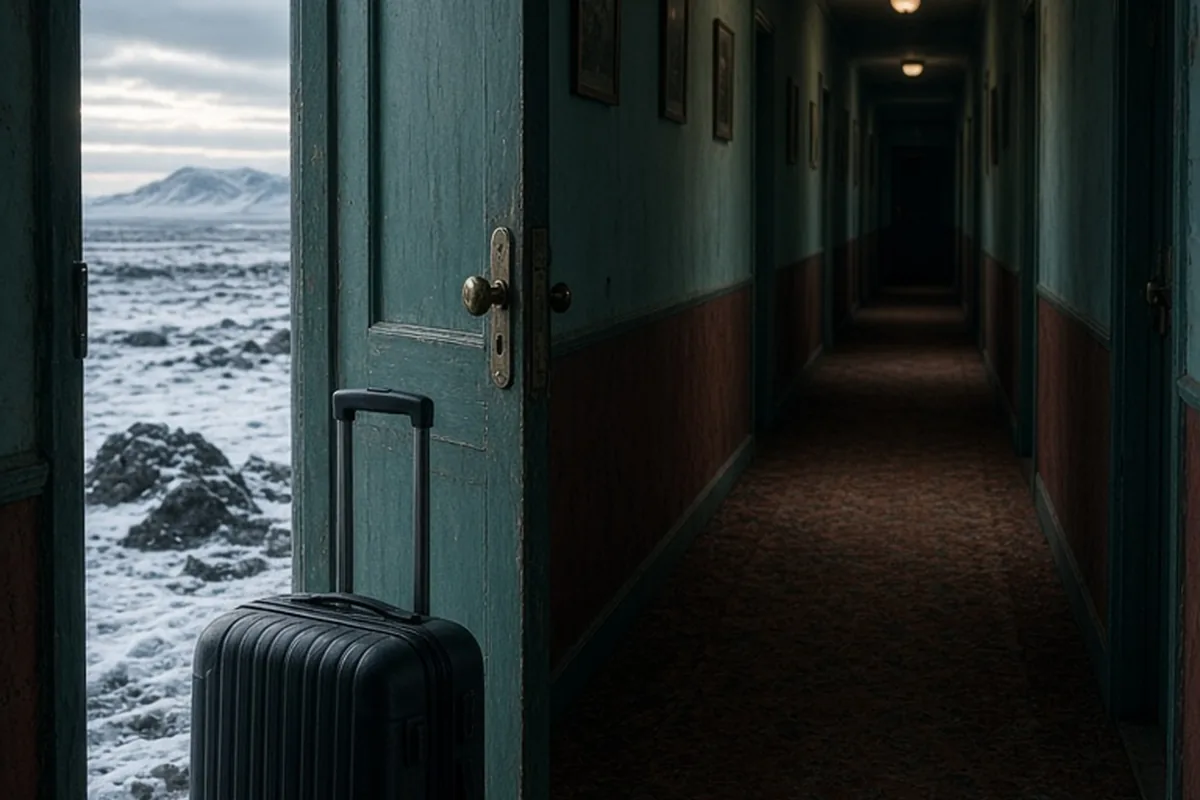
Iceland is widely considered one of the safest destinations in the world for solo female travelers. Violent crime is exceptionally rare, social norms strongly support gender equality, and English is spoken almost universally. The primary risks visitors encounter stem from rapidly shifting subpolar weather, rough road conditions, and sudden coastal swells rather than personal safety threats or interpersonal harassment.
Stepping out on an independent trip requires an honest evaluation of logistics, personal comfort, and physical safety. While the prospect of exploring volcanic landscapes, cascading waterfalls, and glacial lagoons alone can feel intimidating, Iceland offers an exceptionally supportive environment for women traveling on their own.
Everyday Social Safety, Street Harassment, and Nightlife
In everyday terms, personal security in Icelandic towns and cities is remarkably high. Street harassment and catcalling are uncommon, and women frequently walk alone at night through downtown Reykjavik, Akureyri, and rural villages without feeling pressured or unsafe. Because Icelandic culture values egalitarianism and individual autonomy, solo women can dine in restaurants, sit in cafes, or enjoy public spaces without drawing unwanted attention or facing social friction.
Nightlife in Reykjavik is lively, particularly on weekend evenings along the main thoroughfare of Laugavegur. While alcohol-fueled crowds can become boisterous late at night, serious incidents remain rare. Standard precautions still apply: keep an eye on your beverage, set boundaries clearly, and make a plan for getting back to your lodging. Taxis can be booked via phone dispatch or caught at designated central ranks, and the central downtown core is compact enough to navigate easily on foot without traversing unlit or isolated corridors.
Managing Environmental and Weather Risks
The greatest objective danger facing any traveler in Iceland comes from nature rather than other people. Weather in the North Atlantic shifts with remarkable speed, meaning bright sunshine can deteriorate into gale-force winds, horizontal rain, or dense fog in less than an hour. If you venture out without proper clothing or underestimate local forecasts, hypothermia and disorientation can become real hazards even in summer.
Coastal and geothermal locations demand active vigilance. For example, at Reynisfjara black sand beach, powerful sneaker waves regularly surge much farther up the shore than expected, posing a lethal risk to anyone walking too close to the waterline. In geothermal areas like Geysir or Hverir, crusty earth can conceal boiling mud and water, making it vital to remain strictly on marked wooden walkways. Before heading out each morning, consult the Icelandic Meteorological Office at vedur.is and check route conditions at safetravel.is to verify that your route remains clear.
Transportation Decisions: Self-Driving Versus Guided Excursions
Choosing how to get around Iceland as a solo traveler depends on your driving comfort and seasonal timing. Renting a car gives you total autonomy over your itinerary, letting you linger at scenic spots or shift plans when crowds arrive. However, driving alone means handling all navigation, fuel monitoring, and weather assessments without a copilot. Strong winds can catch vehicle doors and bend them backward, while unpaved gravel roads require cautious deceleration to avoid skidding.
If the thought of navigating unfamiliar roads or changing a tire in a remote area causes anxiety, joining small-group day tours or multi-day guided excursions is a reliable alternative. Guided trips eliminate navigational stress, handle unpredictable road conditions with experienced local drivers, and provide built-in opportunities to socialize with other travelers. A balanced approach often involves basing yourself in Reykjavik for guided excursions before renting a car for a short, accessible loop like the Golden Circle or the South Coast.
Selecting Lodging and Balancing Solitude with Connection
Iceland offers a diverse range of accommodation styles suitable for independent travelers, ranging from modern boutique hostels to quiet rural guesthouses and farm stays. Hostels in Reykjavik and regional hubs often feature female-only dormitories, communal kitchens, and social lounges, making them ideal if you want to meet other independent adventurers while keeping your lodging costs manageable.
If you prefer complete privacy, self-contained cabins, guesthouses, and hotels are widely available along the Ring Road. Rural accommodations can feel deeply quiet, especially during off-peak seasons when darkness settles early. If complete isolation feels unsettling, opt for guesthouses with on-site hosts or staffed reception desks. Engaging with local hosts provides reassuring local context, up-to-date road advice, and a welcoming point of contact throughout your journey.
Communication, Emergency Services, and Safety Systems
Iceland possesses a modern infrastructure that makes remaining connected straightforward. Mobile network coverage (4G and 5G) extends across almost the entire Ring Road and throughout most inhabited coastal valleys, allowing you to run maps, check weather alerts, and message family with minimal interruption. Purchasing an eSIM or a local physical SIM card upon arrival at Keflavik Airport ensures you maintain immediate access to data without incurring exorbitant roaming fees.
The national emergency response system is unified under the emergency telephone number 112. The Icelandic Association for Search and Rescue (ICE-SAR) maintains the SafeTravel platform, where solo travelers can submit their planned travel itinerary and dates. If you plan to hike remote trails or drive into the interior highlands, leaving your route details with the platform allows emergency services to respond quickly if you fail to check in or encounter unexpected delays.
Managing the Solo Budget and Avoiding Added Surcharges
Traveling independently means bearing the full cost of rental cars, fuel, and private rooms without splitting expenses with a partner. Food and fuel costs in Iceland are among the highest in Europe, making proactive budget management essential for solo travelers seeking to keep their spending sustainable over a long stay.
You can significantly reduce daily expenses by preparing simple meals using ingredients purchased at local discount grocery stores like Bonus or Kronan. When booking excursions, check whether tour operators charge single-supplement fees or offer flexible seat reservations. Packing reusable water bottles, quality thermal layers, and basic hiking provisions before you fly prevents expensive last-minute purchases at airport shops or roadside service stations.
Navigating Seasonal Shifts: Summer Daylight Versus Winter Darkness
Your experience as a solo female traveler in Iceland will vary substantially depending on the time of year you visit. The summer months bring the midnight sun, providing nearly 24 hours of continuous daylight. This abundant light enhances personal comfort, eliminates the stress of driving after dark, and allows you to visit popular tourist sites early in the morning or late at night when tour buses have departed.
Conversely, winter brings short days with as few as four to five hours of daylight, along with icy roads, blowing snow, and sudden storm closures. While winter offers the chance to witness the northern lights and explore ice caves, solo road trips require advanced winter driving skills and substantial schedule flexibility. If visiting between November and March, consider prioritizing guided day tours out of Reykjavik over ambitious solo self-drive Ring Road loops.
Frequently asked questions
Is it safe to hitchhike or camp alone in Iceland?
While hitchhiking has historically occurred in Iceland without widespread safety incidents, it is no longer widely recommended due to unpredictable weather and remote stretches of road. Camping alone is safe from a personal security perspective, but you must stay exclusively in designated official campgrounds, as wild camping with vehicles or tents on public and private land is heavily restricted by law.
What should a solo female traveler pack for an Icelandic trip?
Pack high-quality waterproof and windproof outerwear, thermal base layers made of wool or synthetic blends, sturdy waterproof hiking boots, and a portable power bank for your phone. Bring a sleep mask if traveling in summer under the midnight sun, and always carry a reusable water bottle since Icelandic tap water is clean, safe, and readily accessible.
How do locals in Iceland interact with solo visitors?
Icelanders are generally polite, respectful, and helpful when approached, though they tend to give people space and may not initiate unsolicited conversation. English is spoken fluently by nearly everyone in the service and tourism sectors, making asking for directions or local recommendations simple and comfortable.
What is the single most important safety rule for solo travelers in Iceland?
The most vital rule is to check both weather forecasts and road condition reports every single morning before departing your lodging. Adapting your daily schedule to changing weather conditions prevents getting stranded in hazardous conditions or remote locations.
Your next step
Download the 112 Iceland and SafeTravel apps, check local weather updates daily, and build a flexible itinerary that balances self-reliance with environmental awareness.