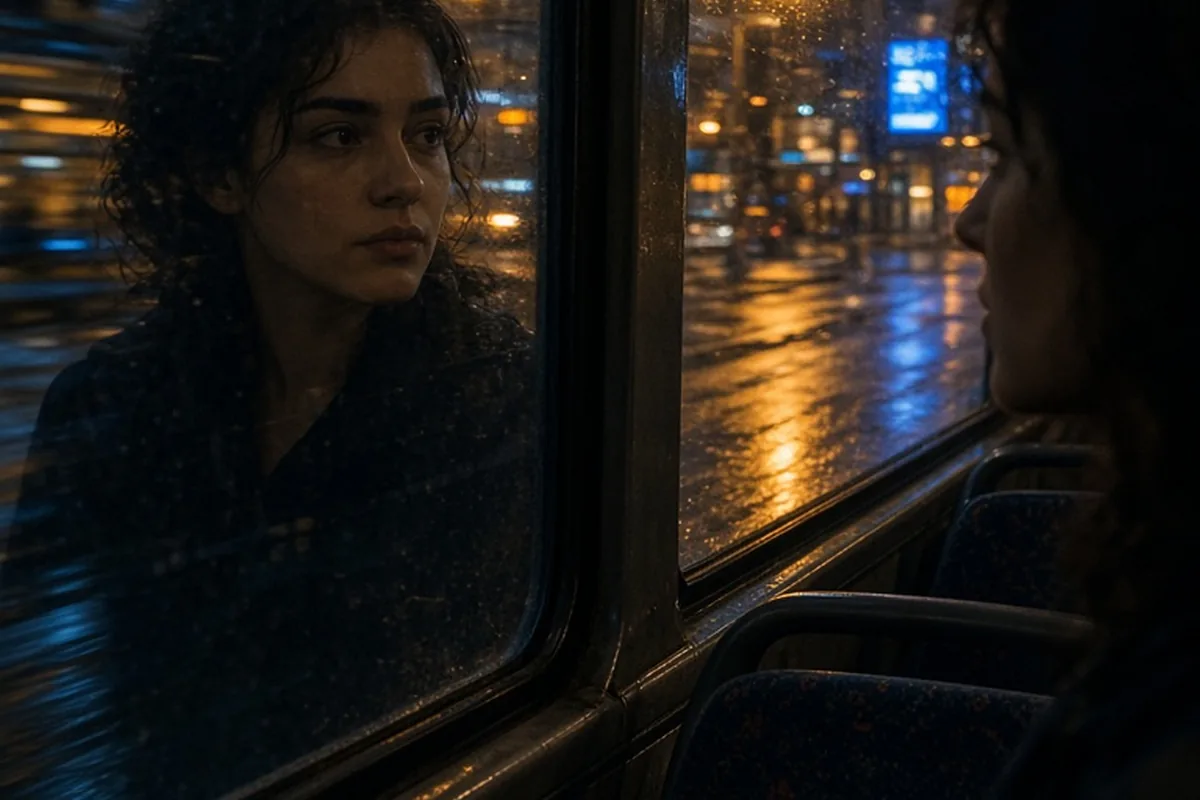
Istanbul is generally safe for solo female travelers who practice standard urban awareness. Violent crime against tourists is rare, but solo women frequently encounter persistent verbal attention, street harassment, and petty tourist scams. By choosing well-connected neighborhoods like Kadikoy or Beyoglu, using official transit apps, dressing thoughtfully for specific districts, and maintaining firm social boundaries, you can navigate the city comfortably and independently.
Exploring a metropolis of sixteen million people across two continents offers incredible cultural richness, but traveling alone as a woman requires an understanding of distinct local dynamics. While Istanbul possesses a strong tradition of hospitality and bustling public life, everyday experiences can vary widely depending on the neighborhood, the time of day, and how you choose to get around.
Understanding Everyday Street Dynamics and Social Attention
In most central parts of Istanbul, public life remains vibrant and active well into the evening. Solo female travelers generally find that violent crime rates are low compared to many Western European or American major cities. However, gendered social dynamics mean that solo women often draw curiosity and noticeable attention. This attention rarely escalates into physical danger, but it frequently takes the form of prolonged staring, casual comments from shopkeepers, or persistent invitations to drink tea.
Distinguishing between genuine Turkish hospitality and opportunistic attention is one of the most useful skills for an independent traveler. Traditional hospitality is widespread, especially in residential areas and family-run shops. Conversely, in tourist-dense areas such as Sultanahmet, Taksim, and the Grand Bazaar, overt friendliness often functions as a commercial sales tactic or an attempt to initiate unwanted socializing. You are never obligated to return conversation out of politeness. A brief, neutral acknowledgment followed by continued walking is completely acceptable, as is ignoring unsolicited comments entirely.
Establishing clear boundaries early prevents awkward situations. If someone follows you or refuses to disengage after you decline an invitation, stepping into a well-lit shop, hotel lobby, or modern cafe instantly shifts the environment. Turkish culture places high value on public decorum, so speaking loudly and firmly with a phrase like 'Rahatsiz etmeyin' (do not disturb) or simply a stern 'No' will readily draw the attention of nearby locals, who almost always step in to discourage harassment.
Choosing the Best Neighborhoods for Solo Accommodation
Neighborhood selection plays a defining role in how comfortable you feel returning to your lodging at night. The historic peninsula of Sultanahmet is convenient for sightseeing because major landmarks like the Hagia Sophia and Topkapi Palace sit within walking distance. However, Sultanahmet empties out after dark once tour groups leave, leaving quiet streets lined with aggressive restaurant barkers and limited evening life. Solo women walking back to their hotels late at night may find the quiet alleys uncomfortable.
For a better balance of walkability, safety, and lively evening energy, neighborhoods around Galata, Karakoy, and Cihangir on the European side, or Kadikoy and Moda on the Asian side, are widely preferred. Karakoy and Galata feature well-lit streets, boutique hotels, reliable transit links, and constant foot traffic from university students, young professionals, and international visitors. Cihangir offers a quiet, creative residential vibe with numerous cafes where solo women can sit comfortably with a book or laptop.
On the Asian side, Kadikoy and its upscale extension Moda provide a progressive, relaxed, and authentic urban lifestyle. The area is filled with independent coffee shops, seaside promenades, and pedestrianized streets that stay lively until midnight without the intense sales pressure found in the historic center. The minor trade-off is the daily ferry commute across the Bosphorus to reach Sultanahmet sights, though many travelers consider the scenic twenty-minute ferry ride one of the best parts of their stay.
Navigating Public Transit and Taxis Without Stress
Istanbul features an extensive, modern, and clean public transportation network consisting of metros, trams, funiculars, ferries, and buses. For solo female travelers, public transit is not only the most economical way to move around, but it is also significantly safer and less stressful than taking street taxis. Purchasing an Istanbulkart transit card at any major station allows seamless transfers across all modes of transport. Transit hubs and metro cars are heavily staffed with security personnel and monitored by surveillance cameras.
Ferries running between Europe and Asia offer a scenic, safe, and comfortable alternative to road transit during both daytime and evening hours. Metro lines like the M2 (running through Sisli, Taksim, and Sishane) and the T1 tram line (connecting Kabatas to Sultanahmet) are heavily utilized by local commuters, families, and solo women throughout the day. While these lines can become crowded during rush hours, standard precautions against pickpocketing—such as keeping your cross-body bag zipped in front of you—are all that is typically required.
Street taxis require caution due to persistent overcharging, broken meters, deliberate route elongation, and occasional unprofessional conduct by drivers. If you must travel by car late at night or with heavy luggage, use verified ride-hailing apps such as BiTaksi or Uber (which dispatches licensed yellow or turquoise taxis through the app). These applications log the driver's identity, map the journey in real time, and process credit card payments directly, removing the need to negotiate fares or handle cash.
Adapting Dress Codes Across Different Districts
Istanbul is a cosmopolitan city with no legal dress requirements outside of active religious sites, but social expectations shift noticeably between neighborhoods. In secular and affluent districts such as Kadikoy, Bebek, Moda, Nisantasi, and Karakoy, local women routinely wear shorts, tank tops, skirts, and contemporary Western clothing without incident. Dressing for comfort and warm weather in these districts feels natural and unremarkable.
In contrast, conservative residential areas like Fatih, Carsamba, or Eyup have more traditional community standards where modest dress—such as pants or long skirts and covered shoulders—is the cultural norm. Dressing more modestly in these historic districts reduces unsolicited stares and shows cultural consideration. Carrying a lightweight scarf in your day bag provides an effortless way to adjust your coverage whenever you move between diverse neighborhoods.
When entering mosques such as the Blue Mosque, Suleymaniye Mosque, or Hagia Sophia, all visitors must follow strict dress protocols. Women are required to cover their hair with a scarf, wear clothing that covers shoulders and knees, and remove their shoes before stepping onto the carpeted prayer halls. Many major mosques provide complimentary wraps at the entrance, but having your own scarf and wearing slip-on shoes makes the entry process faster and more comfortable.
Recognizing and Avoiding Common Scams
While violent crime is uncommon, petty scams targeting foreign visitors are prevalent in tourist centers. Being aware of how these scenarios unfold allows solo travelers to decline quickly and confidently without second-guessing their intuition. One frequent ruse is the 'dropped shoeshine brush,' where an artisan accidentally drops their brush in front of you. When you pick it up or call out to return it, they offer a profusely grateful shoe shine that ends with an aggressive demand for a substantial tip.
Another classic tactic involves the friendly stranger who speaks fluent English and suggests visiting an authentic rooftop venue, bar, or traditional tea lounge. Once inside, an exorbitant bill is generated, and intimidating staff may pressure you to pay. While this scam traditionally targets solo male travelers, solo women are occasionally approached by smooth conversationalists offering exclusive access to private galleries or specialty shops. Always choose your own dining and drinking spots rather than following an acquaintance met on the street.
In the Grand Bazaar and Arasta Bazaar, shopkeepers often invite visitors to sit for apple tea while browsing rugs, ceramics, or leather goods. Accepting tea does not obligate you to purchase anything, but it creates psychological pressure to make a concession. If you are not genuinely interested in negotiating for an item, politely decline the tea with a smile and continue moving through the market.
Dining Out and Enjoying Nightlife Comfortably as a Solo Woman
Dining alone in Istanbul is common and socially accepted, especially given the city's active cafe culture and fast-casual eateries. Traditional 'lokantas' (cafeteria-style home cooking restaurants) provide an approachable setting where you point to ready-made hot dishes at the counter. These venues are informal, budget-friendly, and staffed by teams accustomed to serving individual workers and travelers looking for a quick, wholesome meal.
For relaxed afternoons and evenings, Turkish tea gardens (cay bahcesi) and modern specialty coffee shops offer welcoming public spaces. Sitting alone with a book, journal, or phone while sipping Turkish tea or coffee is an integral part of local daily routine. Waterfront tea gardens in Moda or Uskudar allow solo travelers to enjoy sunset views alongside local families and students without unsolicited interaction.
Traditional meyhanes (taverns serving raki and meze) are vibrant, music-filled spaces that are traditionally social and group-oriented. While many modern meyhanes in Beyoglu and Kadikoy welcome solo patrons, they can occasionally feel overwhelming if you prefer quiet dining. If you wish to experience a meyhane alone, choosing an upscale or contemporary establishment in Karakoy or Cihangir usually ensures attentive, respectful service in a relaxed dining atmosphere.
Managing Connectivity, Emergencies, and Practical Health
Reliable mobile data is an essential safety asset for solo travel in Istanbul. Having active cellular service enables real-time navigation, instant translation via digital tools, and direct access to transit schedules and ride-hailing apps. You can easily install an eSIM before departure or purchase a physical tourist SIM card from official Turkcell or Vodafone shops in the city center. Buying your SIM card in the city rather than at the airport typically saves money.
In case of emergencies, knowing local emergency resources provides peace of mind. Dialing 112 connects you to the unified emergency services dispatch in Turkey, which covers medical emergencies, fire, and police response. The Tourism Police also maintain dedicated offices in major historic areas like Sultanahmet to assist international visitors with reports of lost property or travel disputes.
Pharmacies in Turkey, marked clearly with a large red 'E' sign (Eczane), are widespread, professional, and accessible. Pharmacists can dispense many routine medications over the counter and provide advice for common travel ailments such as digestive upset or minor infections. Outside normal business hours, every neighborhood operates a designated on-duty pharmacy (nobetci eczane), with locations listed on the door of any neighborhood pharmacy.
Illustrative Scenarios
Navigating Multiple Districts Across a Single Day
An independent traveler planned a full-day itinerary crossing from the conservative district of Fatih in the morning to the modern waterfront of Moda in the evening. In the morning, she wore lightweight linen trousers, covered her shoulders, and carried a compact scarf in her tote bag, allowing her to explore the historic Fatih Mosque comfortably without drawing unwanted scrutiny. When transitioning across the Bosphorus in the late afternoon, she used an Istanbulkart for the ferry, avoided unregulated taxis outside the terminal, and relaxed at an outdoor cafe in Kadikoy where solo diners were common and street vendors were absent.
Key point: Carrying a versatile scarf and planning transport via official ferries and public transit allows seamless transitions between conservative heritage quarters and progressive modern neighborhoods.
Frequently asked questions
Is it safe to walk around Istanbul alone at night?
Walking alone at night is generally safe in busy, well-lit neighborhoods like Kadikoy, Karakoy, Cihangir, and Moda where shops and cafes stay open late. Avoid poorly lit side streets, quiet industrial sections, and the deserted alleys of Sultanahmet after shops close. Use the BiTaksi app for late-night journeys instead of hailing unmetered street cabs.
What should solo female travelers wear while exploring Istanbul?
In cosmopolitan areas like Kadikoy, Bebek, and Beyoglu, modern Western clothing such as dresses, jeans, and sleeveless tops is completely standard. When touring active mosques or traditional districts like Fatih, bring a scarf to cover your hair and wear garments that cover your shoulders and knees. Carrying a light layer in your daypack allows easy adaptation throughout the day.
How should a solo woman respond to overly persistent street vendors or men?
Maintain confident body language and give a firm, neutral refusal such as 'Hayir, tesekkurler' (No, thank you) without stopping your stride. You do not need to engage in extended conversation out of politeness. If someone continues to follow or pressure you, enter a nearby store or restaurant, or speak up firmly to alert nearby locals.
Are taxis safe for solo women in Istanbul?
While licensed taxis are generally physically safe, drivers frequently overcharge tourists, claim their meters are broken, or take needlessly long routes. Solo women should download BiTaksi or use Uber to book licensed cabs with tracked routes and transparent pricing. Always ensure the meter is running if you must take a taxi from an official stand.
Your next step
Before your trip, set up an eSIM on your phone, download the BiTaksi app, and book accommodation in a walkable, well-lit district like Karakoy or Kadikoy to ensure a secure, independent stay.