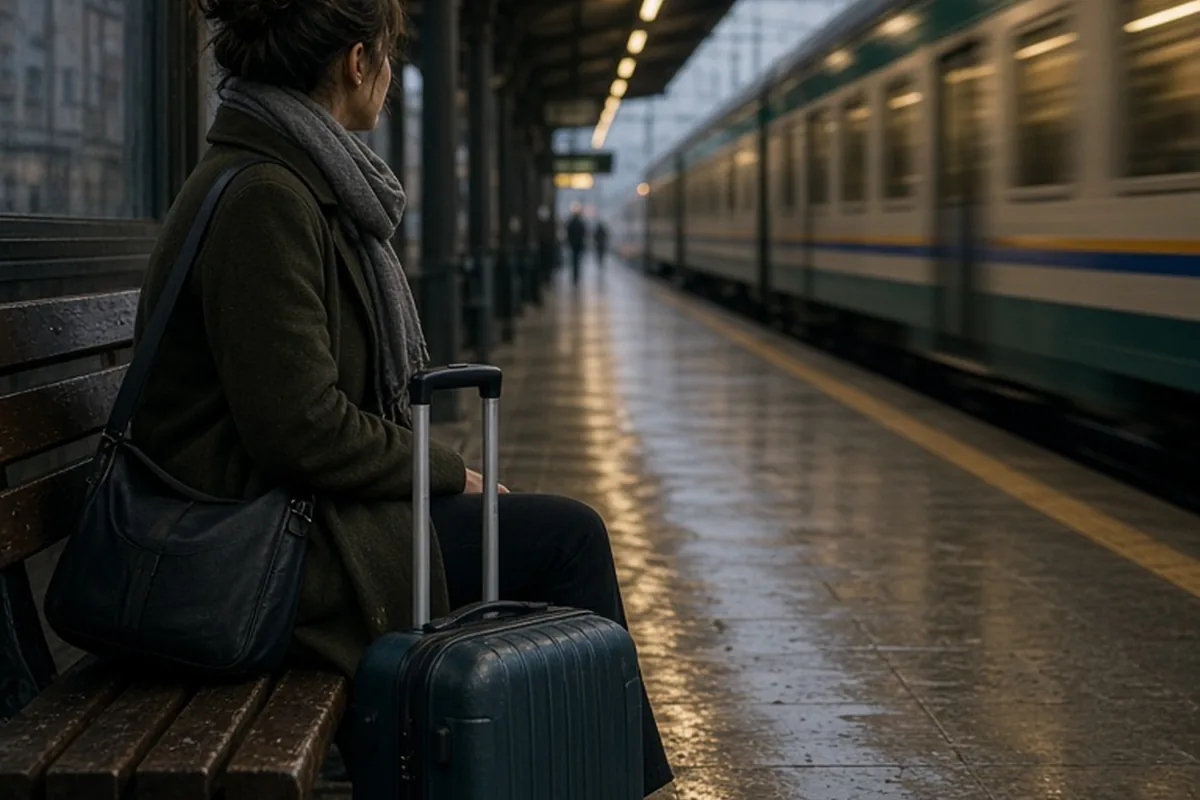
Italy is generally considered a safe destination for solo female travelers, featuring low rates of violent crime and reliable public transit networks. The primary safety concerns are opportunistic petty crimes, such as pickpocketing in crowded tourist centers and transit hubs, alongside occasional unwanted street attention. By practicing standard situational awareness, securing personal belongings, and planning local logistics ahead of time, solo women can navigate Italy comfortably.
Exploring Italy as an independent traveler offers the freedom to experience iconic landmarks, regional food traditions, and historic towns on your own schedule. Understanding local norms, transit systems, and everyday safety dynamics will help you navigate your journey with ease and self-reliance.
Understanding Common Safety Dynamics and Everyday Risks
Violent crime rates in Italy are among the lowest in Europe, making serious physical confrontation an uncommon experience for independent travelers. The vast majority of incidents involving tourists are non-violent property crimes, primarily pickpocketing and purse snatching. These events are concentrated in densely packed areas, such as the Roman Forum, Milan's Piazza del Duomo, Florence's Santa Maria Novella station, and the crowded waterbuses (vaporetti) of Venice. Thieves frequently work in small groups and rely on sudden distractions, such as asking for signatures on petitions, dropping items nearby, or crowding around train doorways during boarding.
To minimize your exposure to theft, carry your essentials in a secure crossbody bag that zips completely shut, and position it across the front of your torso when moving through heavy crowds. Avoid placing smartphones or wallets loosely on restaurant tables adjacent to pedestrian sidewalks, as drive-by scooter thefts or quick grab-and-run incidents can occur. While it is important to remain attentive in crowded areas, maintaining basic situational awareness should not lead to constant apprehension. Balancing thoughtful caution with a relaxed mindset allows you to enjoy historic piazzas and busy streets without unnecessary stress.
Navigating Public Transportation and Intercity Rail Confidently
Italy boasts an extensive and efficient rail network, including modern high-speed trains (Frecciarossa and Italo) that connect major cultural hubs such as Rome, Florence, Bologna, and Milan. High-speed rail is generally very safe, well-lit, and monitored by staff. When boarding trains, place heavier luggage in the overhead racks directly above your assigned seat whenever possible, rather than leaving bags out of sight in the vestibule racks near the carriage doors. For local regional trains and city metro systems, keep your bag closed and held against your body, particularly when trains come to sudden stops or doors open at major interchanges.
Late-night transit requires slightly more forethought, especially around central railway stations such as Roma Termini, Napoli Centrale, or Milano Centrale. While these terminals are heavily patrolled by armed military and state police (Polizia di Stato), the surrounding perimeter blocks can feel deserted or attract loiterers after business hours. If you arrive late in the evening, plan your onward route in advance by pre-booking a verified rideshare, identifying the official municipal taxi rank immediately outside the main entrance, or confirming walking directions to your nearby accommodation.
Choosing Accommodations and Evaluating Neighborhoods
Selecting the right base makes a significant difference in how secure and comfortable you feel returning to your room each evening. Look for lodgings located in vibrant, well-lit pedestrian areas or residential neighborhoods with steady foot traffic, open restaurants, and accessible transit links. In Rome, central neighborhoods like Monti, Trastevere, and Prati offer lively evening atmospheres and short walks to major sights. In Florence, staying within the historic center (Centro Storico) or the Oltrarno district ensures you remain close to active thoroughfares without having to navigate isolated outskirts at night.
When booking hotels, guesthouses, or vetted boutique hostels, check recent reviews from other independent female travelers to assess entrance security, street lighting, and staff responsiveness. Accommodations featuring a 24-hour reception desk provide an extra layer of assistance if you need local directions, late check-in support, or help organizing licensed transportation. While accommodations located directly around central train stations can be convenient and budget-friendly, paying a slight premium for a neighborhood with more residential life often results in a more pleasant and relaxed stay.
Handling Unwanted Attention and Setting Firm Boundaries
Italian public culture is inherently social, centered around outdoor piazzas, lively cafes, and the traditional evening stroll (la passeggiata). As a woman traveling alone, you may encounter casual conversation, direct eye contact, or occasional vocal remarks (often referred to as 'pappagalli' behavior). While most interactions are harmless, persistent or unsolicited attention can occasionally feel intrusive or uncomfortable. It helps to differentiate between cordial hospitality and invasive behavior so you can respond with proportionate confidence.
If you encounter unwanted attention, project clear boundaries through your posture and voice. A calm, direct 'No, grazie' (No, thank you) accompanied by firm eye contact and continued movement is usually sufficient to discourage further conversation. If an individual refuses to disengage, do not hesitate to use a sharper, unambiguous phrase such as 'Per favore, mi lasci in pace' (Please leave me alone) in a loud, steady tone. If you ever feel uneasy, step directly into an open cafe, shop, or hotel lobby and alert the staff; business owners in Italy are typically quick to assist travelers in uncomfortable situations.
Managing Money, Documents, and Digital Connectivity
Maintaining reliable mobile connectivity is one of the most effective tools for independent navigation and personal security. Purchasing an Italian eSIM or local SIM card upon arrival ensures uninterrupted access to live mapping tools, translation applications, transit timetables, and emergency calling services. It is practical to download offline maps of your destination cities via Google Maps or maps.me beforehand so you retain navigation capabilities even when underground in metro stations or exploring narrow alleyways with limited cellular signals.
Financial preparation requires redundancy to avoid disruptions if a card is lost or temporarily compromised. Distribute your financial resources across multiple locations: keep your primary payment card in your day bag, leave a secondary backup card secured inside your hotel safe, and store a small reserve of cash separately. Use bank-affiliated automated teller machines (Bancomat) situated inside physical bank branches during operating hours rather than freestanding tourist ATMs on street corners, as branch ATMs reduce the risk of card-skimming devices and provide immediate assistance if a card is retained.
Dining Solo and Navigating Italian Social Rhythms
Dining alone in Italy can be an enjoyable cultural experience once you understand the country's dining customs. Italian meal culture places immense pride on good food, and hospitality staff generally welcome solo diners with genuine warmth. If you feel self-conscious sitting alone at a formal table, start by participating in the classic aperitivo culture in the early evening. Ordering a glass of wine or a non-alcoholic bitter drink between 6:00 PM and 8:30 PM typically includes access to a selection of small bites, allowing you to enjoy a casual meal while soaking in the local atmosphere.
When planning sit-down dinners at popular trattorias or osterias, making a reservation in advance is recommended, as tables fill quickly after 8:00 PM when Italians traditionally eat. You can bring a book, a journal, or simply watch the bustle of the dining room. If you prefer a faster or more casual meal, consider dining at food hall counters, such as the Mercato Centrale in Florence or Rome, where communal seating and counter-service dining make independent eating straightforward, flexible, and social.
Frequently asked questions
Is it safe to walk alone at night in major Italian cities?
Walking alone at night is generally safe in busy, well-lit historic city centers where restaurants and foot traffic remain active until late. It is best to avoid poorly illuminated alleys, unmonitored parks, and the immediate outer perimeter of central railway stations late at night. Sticking to primary pedestrian routes ensures you stay in populated, visible areas.
What should I do if my passport or wallet is stolen in Italy?
First, cancel any stolen payment cards immediately through your mobile banking application. Next, visit the nearest station of the Carabinieri or Polizia di Stato to file an official police report (denuncia), which is required for insurance claims and emergency travel documents. Finally, contact your country's embassy or consulate in Rome, Milan, or Florence to arrange an emergency replacement passport.
Do I need to speak fluent Italian to travel safely on my own?
Fluent Italian is not necessary, as hospitality workers, transit agents, and many younger locals speak conversational English in tourist regions. However, learning essential Italian phrases for greetings, directions, and firm boundary-setting helps you navigate interactions with confidence and mutual respect. Offline translation apps are also helpful for interpreting signs and menus in smaller regional towns.
Are taxis in Italy safe for solo female passengers?
Official municipal taxis are regulated, metered, and safe for solo travelers throughout Italy. Look for white vehicles with official rooftop taxi signs, visible city emblem decals on the front doors, and functional meters on the dashboard. Avoid accepting rides from unauthorized drivers soliciting passengers inside airport terminals or outside train stations, and use official taxi ranks or dispatch apps like FreeNow.
Your next step
To start planning your solo trip with confidence, build a day-one arrival plan that includes your mapped transit route from the airport or train station to your accommodation, an activated local data plan, and emergency contact details stored securely offline.