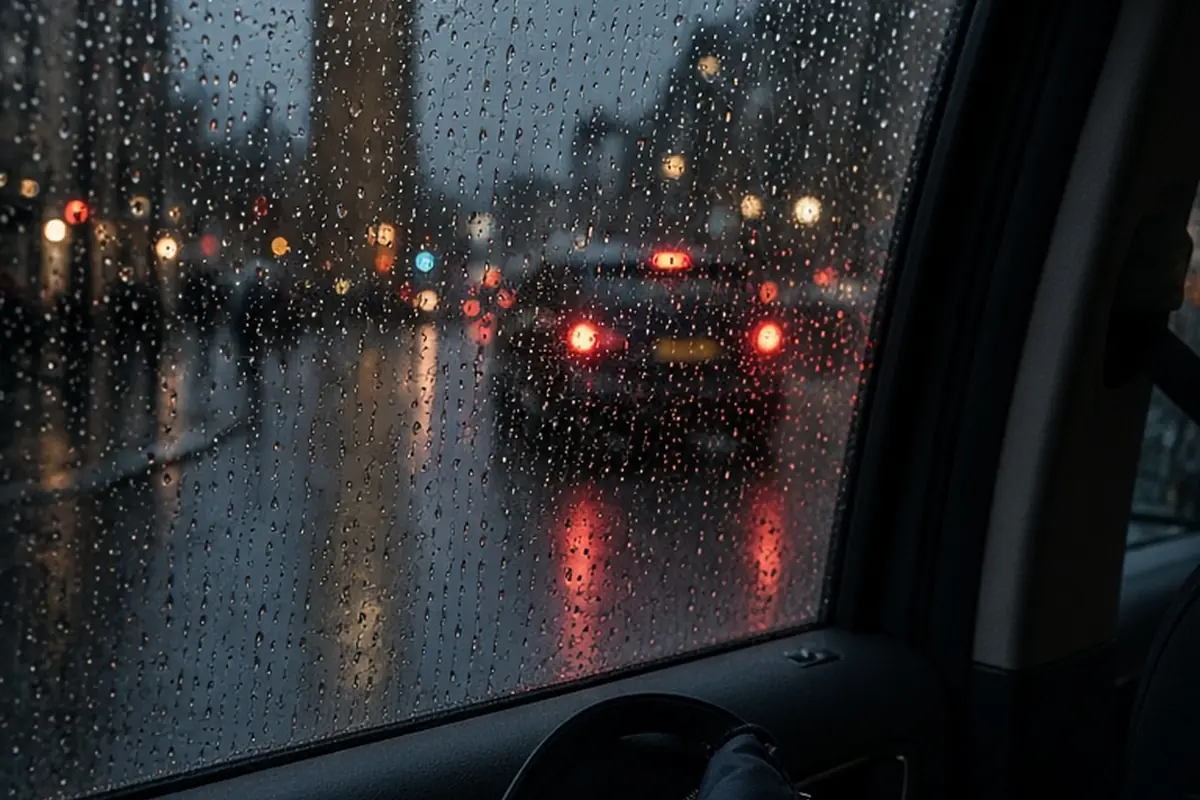
Yes, London is generally very safe for solo female travelers. It features an extensive and heavily monitored public transit network, busy central districts, and a culture where women live and travel independently every day. While petty theft like phone snatching and occasional street harassment occur, staying observant in crowded areas, booking accommodations in well-connected neighborhoods, and planning evening transit routes in advance allow women to explore the city with confidence.
Planning an independent trip to the British capital often raises questions about personal security, late-night transit, and navigating unfamiliar neighborhoods. Understanding the practical realities of daily life in London helps you balance spontaneous exploration with sensible, proactive precautions.
Understanding London's Everyday Safety Landscape
London ranks among the world's most accessible and manageable global capitals for solo travelers. The city benefits from high foot traffic throughout the day, extensive closed-circuit monitoring across commercial and transit corridors, and a diverse population where solitary commuters, diners, and museum-goers are completely standard. Emergency services are well organized and easy to access by dialing 999 for urgent help or 101 for non-emergency assistance. Because the city is built on interconnected urban villages, most central zones retain an active street presence well into the late evening.
The primary safety concerns in London involve opportunistic petty crime rather than violent confrontations. Handheld phone snatching by individuals on bicycles or mopeds represents the most common issue across central districts, alongside pickpocketing in crowded tourist squares and busy market halls. Maintaining spatial awareness when checking maps, keeping valuables zipped securely, and recognizing that tourist-heavy locations require the same baseline vigilance as any major metropolis will prevent most common travel disruptions.
Mastering the Public Transit Network Safely
London boasts one of the most reliable and safe public transport systems in the world, overseen by Transport for London. The London Underground, commonly called the Tube, along with the Overground, Docklands Light Railway, and extensive bus network, make navigating the city straightforward. Contactless payment cards and apps like Citymapper provide clear, real-time routing that eliminates lingering on platforms or looking lost. Most central Tube stations are staffed throughout operating hours, providing a clear point of contact if you ever feel uneasy or require directions.
When traveling during off-peak or late-night hours, practical adjustments enhance personal comfort. On the Tube, selecting carriages that contain a moderate number of passengers rather than sitting alone in an empty car is wise. Red double-decker buses serve as an exceptional alternative late at night; sitting on the lower deck near the driver offers both visibility and immediate assistance if someone makes you uncomfortable. Weekend Night Tube services run along select routes like the Victoria, Jubilee, Northern, Piccadilly, and Central lines, giving solo travelers a secure, well-lit method to return to their accommodation after midnight.
Choosing the Best Neighborhoods for Solo Lodging
Selecting the right area for your accommodation significantly influences both convenience and peace of mind. Central neighborhoods such as Bloomsbury, South Kensington, Covent Garden, and the South Bank provide walkable access to primary attractions, continuous street lighting, and dense foot traffic. If you prefer a more residential or trendy atmosphere, areas like Angel in Islington, Richmond in the southwest, or parts of Shoreditch and Hackney in the east offer thriving restaurant scenes, independent shops, and rapid connections to central transport hubs.
When balancing accommodation costs against location, evaluate the walk between the nearest Underground or railway station and your lodging. A slightly cheaper hotel located in an isolated industrial pocket or along a poorly lit corridor often requires expensive taxi rides that offset any savings. Prioritize properties situated on active main roads, close to transit stops, and with round-the-clock reception desks so that arriving back late remains simple and stress-free.
Navigating Nightlife, Dining, and Social Spaces Alone
London has a welcoming pub and restaurant culture where dining alone or having a drink with a book is entirely customary. Neighborhood pubs, museum cafes, and casual food halls like Seven Dials Market or Mercato Mayfair offer relaxed environments where solo patrons blend in effortlessly. In bustling nightlife zones like Soho, Shoreditch, or Camden, venues are vibrant and lively, making it easy to enjoy live music, comedy shows, or West End theater productions independently.
Standard nightlife safety practices remain essential. Always keep your beverage in sight, monitor your personal alcohol consumption in unfamiliar areas, and avoid taking shortcuts through unlit public parks such as Hyde Park or Regent's Park after dusk, as gates are often locked and visibility is minimal. For late-night returns, use official black cabs hailed from designated taxi ranks or pre-booked through the Gett app, or use verified ride-share services like Uber or Bolt after confirming that the driver's details and license plate match your screen.
Preventing Phone Thefts and Urban Scams
Phone snatching is the most prevalent street crime affecting both locals and visitors in London. Opportunistic thieves operating electric bicycles or mopeds frequently mount the pavement or ride close to the curb, grabbing phones directly from the hands of unsuspecting pedestrians. This commonly happens near pedestrian crossings, outside tube stations, or while people pause to consult navigation maps. To avoid this, hold your device with two hands securely, stand away from the curb facing building facades rather than the road, or use audio directions through a single earbud to keep your device tucked away.
Street scams in London are relatively infrequent but visible near high-profile tourist landmarks. Along bridges such as Westminster Bridge or near the London Eye, you may encounter illegal street gambling setups like the shell game or three-card monte, operated by coordinated groups designed to take cash from curious onlookers. Other common nuisances include costumed street performers aggressively seeking tips for photos or petition canvassers seeking donations. The best approach is to walk briskly past without making direct eye contact or stopping to engage.
Digital Preparation and Personal Security Resources
Staying digitally connected ensures seamless travel throughout the city. Purchasing a local UK eSIM or regional data plan upon arrival guarantees uninterrupted access to map routing, transit updates, and emergency communication. Sharing your live location via messaging apps with a family member or trusted friend provides an easy, unobtrusive safety check-in, particularly when you are returning to your accommodation late in the evening.
Familiarize yourself with local safety initiatives established across the United Kingdom. Many bars, pubs, and venues participate in the 'Ask for Angela' safety scheme, where asking staff for 'Angela' discreetly signals that you feel uncomfortable, unsafe, or harassed, prompting staff to help you exit safely or call transport. In railway and Underground stations, the British Transport Police can be reached via text message at 61016 to report non-emergency concerns or harassment discreetly without escalating a situation aloud.
Structuring Your Itinerary for Confidence and Ease
Designing your daily schedule thoughtfully helps reduce travel fatigue and ensures you feel grounded throughout your stay. Maximize daylight hours for outdoor sightseeing, such as exploring open-air markets, visiting royal parks, or taking walking tours through historic districts. Reserve early evenings for world-class institutions like the British Museum, Tate Modern, or Victoria and Albert Museum, which frequently host late-evening openings in well-lit, secure environments.
Pacing yourself is critical to maintaining sharp situational awareness. Solo travel requires continuous decision-making, which can lead to sensory overload in a bustling metropolis of nine million people. Schedule regular downtime in quiet green spaces, historic churchyards, or independent bookshops to recharge. By trusting your instincts, planning transit transitions in advance, and maintaining practical urban awareness, your solo experience in London will be empowering, rewarding, and smooth.
Frequently asked questions
Is it safe to ride the London Underground alone late at night?
Yes, the London Underground is safe for solo women late at night, especially on weekend Night Tube lines and well-staffed central stations. For peace of mind, choose carriages occupied by several other passengers and avoid empty cars.
What should I do if I feel lost or uncomfortable while walking in London?
Step inside a well-lit business such as a cafe, hotel lobby, or grocery store to check your bearings and re-route your map safely away from the sidewalk. You can also approach transport staff at the nearest Underground station for assistance.
Are black cabs safer than ride-share apps for solo travelers in London?
Both options are safe when used properly. Traditional black cabs are heavily regulated and driven by vetted drivers, while ride-shares like Uber require verifying the vehicle make, model, and registration plate before entering.
Can I comfortably visit London pubs and restaurants by myself?
Yes, dining and drinking alone is completely normal in London. Solo patrons regularly sit at pub bars, casual counters, and neighborhood cafes without receiving unwanted attention.
Your next step
Before your trip, download an offline navigation app like Citymapper, set up a UK-compatible data plan, and map out the exact transit route between your arrival airport and your accommodation.