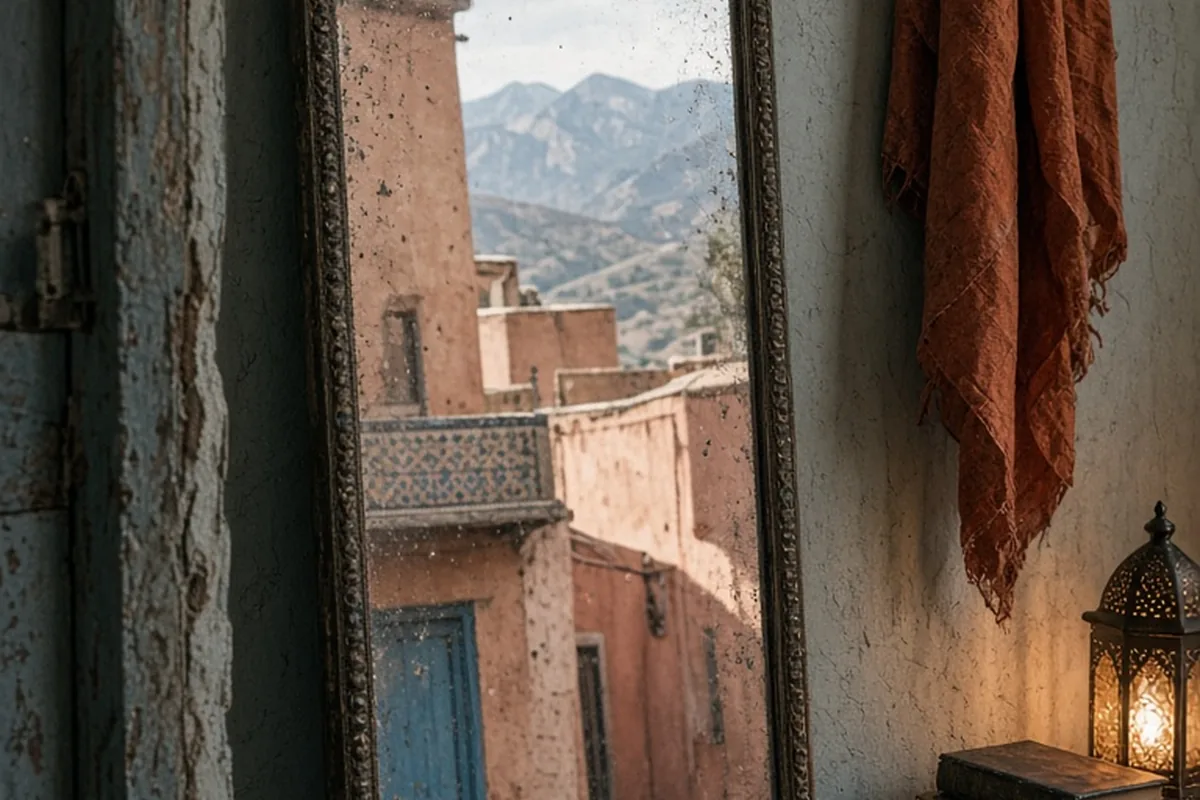
Morocco is generally safe for solo female travelers, though it frequently involves navigating persistent street harassment, intense sales tactics, and conservative cultural expectations. Violent crime against tourists is relatively rare, but verbal attention and scams in busy urban areas can feel draining. With intentional wardrobe choices, firm communication boundaries, pre-planned transit, and neighborhood awareness, women can travel across Morocco independently, comfortably, and securely.
Planning an independent trip to Morocco often brings up contrasting accounts, ranging from glowing cultural endorsements to stark warnings about unwanted attention. Understanding the practical realities of day-to-day interactions, regional differences, and local etiquette allows you to prepare effectively rather than relying on generalized anxiety or unrealistic expectations.
Understanding Street Dynamics and Verbal Harassment
The most common challenge solo female travelers encounter in Moroccan cities is street harassment, commonly consisting of unsolicited comments, catcalling, staring, or persistent attempts to start conversations. In traditional Moroccan public spaces, street life and open-air cafes are predominantly occupied by men. When an unaccompanied foreign woman walks through these areas, she naturally stands out, which can draw frequent, unwanted verbal engagement ranging from friendly greetings to invasive remarks.
Managing this environment requires understanding that engaging, arguing, or smiling out of politeness is often interpreted as an invitation to continue the interaction. Wearing dark sunglasses helps eliminate accidental eye contact, which is a frequent trigger for unsolicited conversations. Adopting a purposeful, confident walking pace while keeping your gaze directed straight ahead signals that you are moving with clear intent. If someone follows you or refuses to disengage, stepping directly into an occupied shop, hotel lobby, or restaurant immediately changes the dynamic and offers a natural boundary without escalating tension.
Navigating Cultural Dress Norms and Wardrobe Choices
Morocco is a predominantly Muslim, socially conservative country where modest dress is the standard for both men and women in most everyday settings. While major tourist hubs like Marrakech or coastal surf towns like Taghazout and Essaouira are accustomed to seeing Western-style clothing, dressing conservatively significantly reduces unwanted scrutiny, shows respect for local customs, and makes daily transit through markets and residential quarters much smoother.
A practical wardrobe for solo travel focuses on lightweight, breathable, and opaque fabrics that cover your shoulders, chest, and knees. Loose linen pants, midi or maxi skirts, breathable tunics, and light button-down shirts allow you to stay cool in hot weather while maintaining coverage. Carrying a lightweight scarf or pashmina in your daypack is particularly useful, as it provides a quick way to cover your chest or head when entering conservative neighborhoods, visiting historic religious sites, or simply feeling overexposed in a crowded market.
While you may see other tourists wearing tank tops or short shorts, doing so often increases the frequency and intensity of street commentary. Modest dressing will not eliminate all unwanted attention, but it establishes a baseline of cultural alignment that makes navigating bustling medinas considerably less stressful.
Navigating Ancient Medinas and Common Urban Scams
The historic medinas of cities like Fes and Marrakech are labyrinthine networks of narrow alleyways designed centuries before modern street grids. Getting disoriented in these pedestrian-only centers is nearly inevitable, and local opportunists often capitalize on confusion by offering unprompted navigation assistance that ends with demanding high fees or leading travelers into specific souvenir shops.
A standard scenario involves someone telling you that a particular street is closed, that prayer time has started, or that you are walking toward a dangerous area, only to offer to guide you back to safety. In almost all cases, the street is completely open. To prevent these interactions from derailing your day, download offline mapping tools like maps.me or offline Google Maps before leaving your accommodation, and mark your lodging, landmarks, and key destinations in advance.
When you need directions, bypass individuals lingering on street corners and instead ask shopkeepers seated inside their stores, families, or uniformed hospitality staff. If you prefer to explore dense historic quarters without navigation friction, hiring an official, licensed tour guide through your riad or local tourism office ensures you learn the history without managing constant sales pressure.
Selecting Safe Accommodations and Planning Daily Arrivals
Choosing the right lodging plays a critical role in how safe and comfortable you feel throughout your trip. Traditional guesthouses, known as riads, offer exceptional hospitality, personalized advice, and secure interior environments, but many are tucked deep inside dimly lit, pedestrian-only residential alleys that can feel intimidating to navigate after sunset.
When booking a riad, read recent reviews specifically written by other solo female travelers to assess the walking route and neighborhood feel. For your initial arrival, especially if you land after dark, always arrange an airport or station transfer directly through your riad. Guesthouse staff will typically meet your taxi at the nearest vehicle drop-off point and escort you through the alleys to the front door, eliminating the vulnerability of navigating confusing streets while carrying luggage.
If you prefer straightforward transit, modern hotels located in newer city districts like Gueliz in Marrakech or Ville Nouvelle in Fes offer direct vehicle access, wider streets, and well-lit surroundings. However, they are often located further from historic attractions, requiring you to budget for regular taxi rides.
Intercity and Urban Transportation Best Practices
Traveling between Moroccan cities is straightforward and reliable if you use established, official transit networks. The national railway network, operated by ONCF, connects major destinations including Tangier, Casablanca, Rabat, Fes, and Marrakech with modern, efficient trains. For solo travelers, booking a first-class train ticket offers assigned seating, quieter carriages, dedicated luggage space, and a noticeably calmer environment for a modest price difference.
For destinations not served by rail, such as Chefchaouen or the desert towns of the south, reputable long-distance bus operators like CTM and Supratours provide reliable, air-conditioned service with assigned seating and monitored luggage storage. Avoid informal minibus transit or unvetted private transfers when traveling alone over long distances.
Within cities, urban transportation requires basic assertiveness. In cities where metered petit taxis operate, ensure the driver turns on the meter before you depart, or agree on a clear price before getting into the car. In cities where ride-hailing apps like Careem, Indrive, or Roby operate, using them removes the need to negotiate fares and provides digital ride-tracking.
Setting Clear Boundaries and Handling Social Interactions
Moroccan culture is deeply hospitable, and many locals genuinely enjoy conversing with visitors. However, as a solo traveler, distinguishing between genuine warmth and opportunistic friendliness is an essential safety skill. Salespeople, unofficial guides, and friendly strangers may use conversational rapport to lead you into commercial obligations or uncomfortable personal discussions.
Establishing boundaries early prevents misunderstandings. A polite but firm 'La, Shukran' (No, thank you) accompanied by a slight nod and an assertive walking pace is the most effective way to decline offers. You do not need to apologize, justify your refusal, or pause your stride. If someone asks personal questions regarding your relationship status or whether you are traveling alone, stating that you are meeting your spouse or a tour group at a nearby hotel sets an immediate social boundary.
Trust your intuition whenever an interaction feels uncomfortable or manipulative. You are never obligated to accept mint tea, enter a shop, or continue a conversation out of politeness. Prioritize your comfort and security over avoiding awkwardness.
Connectivity, Night Safety, and Emergency Preparedness
Reliable mobile data is one of the most effective safety assets for an independent traveler in Morocco. Purchasing a local physical SIM card or installing an eSIM from providers like Maroc Telecom or Orange upon arrival ensures you maintain access to digital maps, translation apps, ride-hailing platforms, and communication channels throughout your journey.
Night safety requires thoughtful planning. While main avenues and restaurant districts remain lively well into the evening, quiet residential corridors in the medinas empty out rapidly. Plan your evenings so that you return to your lodging before foot traffic dies down, or coordinate with your riad staff to have someone meet you at a designated landmark if you return late.
Keep local emergency numbers programmed into your phone: dial 19 for urban police (Surete Nationale), 177 for the Royal Gendarmerie in rural areas, and 15 for medical emergencies and fire services. Pharmacies are widely available across Moroccan towns and are staffed by trained professionals capable of assisting with minor travel ailments, though carrying a basic personal first-aid kit with rehydration salts and digestive remedies remains advisable.
Frequently asked questions
Is it safe for a woman to walk alone at night in Morocco?
Walking alone at night is generally manageable along busy, well-lit commercial streets and main tourist plazas. However, you should avoid poorly lit, deserted alleyways inside ancient medinas after shops close. If you are staying deep within a medina, arrange a walking escort through your guesthouse or return before foot traffic clears.
Do female tourists need to cover their hair in Morocco?
No, foreign women are not legally or culturally required to cover their hair in Morocco. Local women make diverse personal choices regarding head coverings. However, carrying a light scarf is helpful for sun protection, entering specific religious landmarks that permit visitors, and feeling more comfortable in traditional rural areas.
How should a solo female traveler handle persistent catcalling?
The most effective approach is to maintain a confident pace, wear sunglasses to prevent accidental eye contact, and ignore verbal remarks entirely. Responding or debating often prolongs the interaction. If someone follows you, step directly into an open business, cafe, or hotel lobby to end the pursuit.
Are trains and long-distance buses safe for solo women in Morocco?
Yes, official public transit options like ONCF trains and reputable coach services like CTM and Supratours are reliable and safe. Booking a first-class train ticket provides a quieter carriage and reserved seating, making longer journeys comfortable and peaceful for independent travelers.
Your next step
Start your trip preparation by downloading offline maps for your destination cities and booking an arrival transfer through your initial accommodation to ensure a smooth, secure first day.