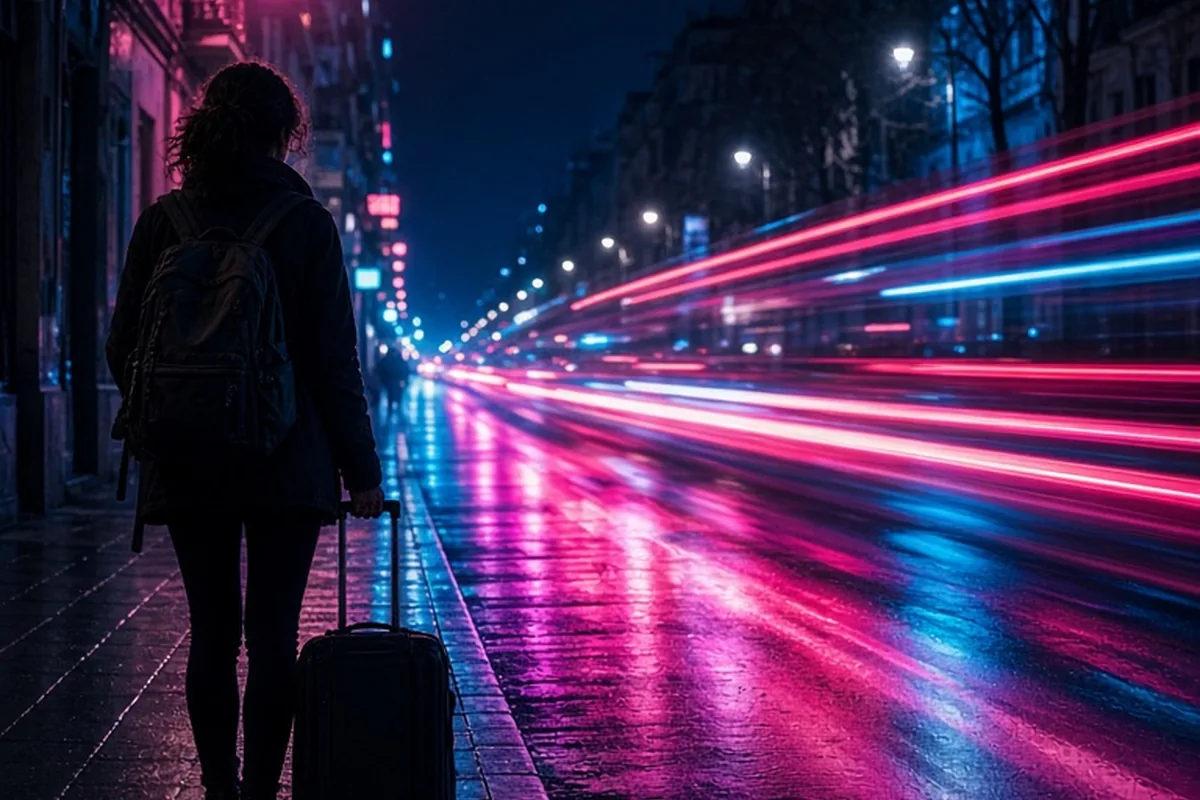
Spain is generally considered one of the safest destinations in Europe for solo female travelers, featuring low rates of violent crime, reliable public transportation, and a welcoming social culture. While petty theft like pickpocketing is common in crowded tourist centers such as Barcelona and Madrid, standard street awareness, secure luggage handling, and basic local knowledge make traveling alone in Spain manageable and rewarding.
Planning an independent trip abroad often brings up practical questions about personal security, local communication, and navigating unfamiliar streets after dark. Spain consistently attracts solo travelers because of its walkable cities, extensive passenger rail network, and lively public spaces that remain active well into the evening.
Understanding the Safety Landscape and Managing Petty Theft
Violent crime rates in Spain are among the lowest in the European Union, meaning solo female travelers rarely encounter physical hostility or severe danger during regular travel activities. The primary safety challenge you will face is non-violent opportunistic property crime, specifically pickpocketing and bag-snatching in heavily visited urban corridors. High-traffic transit interchanges like Madrid Atocha or Barcelona Sants, crowded pedestrian thoroughfares such as Las Ramblas, and popular public plazas demand consistent vigilance regarding your personal belongings.
Pickpockets in Spain frequently operate in coordinated teams using distraction techniques rather than overt confrontation. A stranger might spill liquid on your jacket, drop coins near your feet, ask for directions while holding a large map over your table, or approach with a petition to sign. While one individual engages your attention, an associate quietly removes valuables from an open tote bag, unzipped pocket, or a chair-back purse. To neutralize these tactics, use a secure crossbody bag with locking zippers, keep your phone in your hand or a zipped inner pocket rather than loose on a café table, and wear your daypack on your front when boarding packed metro cars.
The trade-off of maintaining high street awareness is avoiding unnecessary anxiety that might detract from your travel experience. You do not need to view every stranger with suspicion or avoid public gatherings entirely; instead, establish baseline habits such as securing your wallet before stepping into a busy market and periodically verifying your zippers. Once these physical safeguards become second nature, you can navigate bustling plazas and markets with calm confidence.
Selecting Secure Accommodations and Neighborhoods
Your choice of lodging significantly influences both your comfort level and your ability to navigate cities safely after dark. When booking accommodations in major metropolitan areas, prioritize neighborhoods with steady foot traffic, excellent street lighting, and direct access to metro or bus lines. In Madrid, districts like Chamberí, Retiro, and Salamanca offer residential tranquility paired with safety, while central areas like Barrio de las Letras provide walkable proximity to major sights without the overwhelming congestion found around Puerta del Sol.
In Barcelona, neighborhoods such as Eixample and Gràcia provide wide, well-illuminated avenues, active neighborhood commerce, and a relaxed atmosphere. Conversely, older medieval quarters like El Raval or the deeper corridors of the Gothic Quarter feature narrow, labyrinthine alleys that can feel disorienting or quiet late at night. If you choose to stay in historic city centers across Andalusia, such as the Santa Cruz neighborhood in Seville or the Albaicín in Granada, check ahead to ensure your lodging is accessible via well-lit main paths rather than isolated dead-end stairways.
When evaluating individual properties, read recent reviews specifically written by other solo women to assess entry security, front desk staffing hours, and neighborhood atmosphere at night. Boutique hotels with 24-hour reception desks and verified hostels offering female-only dormitories with personal keycard lockers provide an extra layer of structural security. While opting for centrally located accommodations may come with a slightly higher nightly price tag, it eliminates the need to navigate long, unlit suburban walks or negotiate late-night regional transport transfers alone.
Navigating Public Transit, High-Speed Trains, and Taxis
Spain possesses one of the most efficient and modern public transportation infrastructures in the world, making travel between distant provinces straightforward and safe for independent visitors. High-speed rail operators—including Renfe, Iryo, and Ouigo—connect major hubs such as Madrid, Barcelona, Valencia, and Seville with frequent daily departures. Train stations are generally well-policed, clean, and equipped with clear digital signage, making navigation manageable even if you do not speak fluent Spanish.
When traveling by train, keep essential personal belongings, identification documents, and expensive electronics in a small bag that stays on your lap or beneath your seat, rather than in the overhead luggage racks. For urban transit, municipal metro networks in Madrid, Barcelona, Bilbao, and Valencia run frequently and maintain security personnel across central stations. If you find yourself traveling late at night, ride in cars that have several other passengers or sit close to the conductor or emergency intercom units.
For late-night returns to your accommodation after dining or social events, official metered taxis and licensed ride-hailing services are safe and reliable. Official street taxis operate on clear meter rates and are strictly regulated across Spanish municipalities. You can hail them at designated taxi ranks marked with a blue sign and white 'T', book them through regional apps like Free Now, or use ride-hailing platforms like Cabify and Uber where available. Avoid entering unmarked private vehicles offering rides outside airport arrivals or train terminals.
Dining, Social Norms, and Managing Street Attention
Spanish social culture is communal, lively, and oriented around public life, with locals of all ages occupying town squares and sidewalk terraces late into the evening. Spain operates on a distinct daily schedule: lunch typically occurs between 1:30 PM and 3:30 PM, while dinner rarely begins before 8:30 PM or 9:00 PM. As a solo diner, taking a seat at a traditional tapas bar counter is not only socially standard but often offers faster service and an engaging way to observe the culinary process without feeling out of place at a multi-course dining table.
Street harassment and unsolicited comments are generally less aggressive in Spain than in many other global destinations, but catcalling or persistent conversation attempts can occasionally happen in busy nightlife districts or around late-night bars. Spanish culture places a high value on personal autonomy, and women commonly use firm, direct body language to signal disinterest. If someone approaches you unwantedly, a calm, neutral refusal such as 'No, gracias' paired with breaking eye contact and continuing on your path is usually sufficient to end the interaction.
When participating in Spain’s renowned nightlife, keep standard personal safety practices intact by monitoring your drinks closely, avoiding unmonitored communal punch bowls, and setting a firm limit on your alcohol intake. Because social life extends late into the night, main streets in entertainment districts often stay populated until the early morning hours. However, it is prudent to plan your route back to your hotel before you head out, ensuring you have cash or an active card to secure a taxi if you feel fatigued.
Handling Language Barriers, Healthcare, and Emergency Services
While English is widely spoken in hotels, major transport hubs, and primary tourist attractions, English proficiency varies significantly in residential neighborhoods, smaller municipalities, and rural regions. Learning a handful of fundamental Castilian Spanish phrases—along with downloading an offline translation app and digital offline maps—will significantly ease your daily logistics and help you resolve minor issues independently. In regions with co-official languages, such as Catalonia, Galicia, and the Basque Country, public signage is frequently bilingual, but Castilian Spanish is universally understood.
If you encounter a medical issue or an emergency while traveling, Spain maintains an exceptional public healthcare infrastructure alongside modern private clinics. For minor ailments such as transit sickness, minor cuts, or mild allergic reactions, look for a local pharmacy, identifiable by an illuminated green cross outside the shopfront. Spanish pharmacists ('farmacéuticos') undergo extensive training and can evaluate common symptoms and provide appropriate over-the-counter remedies without requiring a formal doctor visit.
In the event of an urgent safety, medical, or fire emergency, dialing 112 connects you to the national emergency dispatch service, which offers multi-language support including English. If you experience a theft, you will need to file a formal police report known as a 'denuncia' for insurance reimbursement purposes. You can file these reports at local police stations (Policía Nacional or municipal police) or, in major tourist hubs, through dedicated Foreign Tourist Assistance Services (SATE) that provide translation support.
Regional Considerations: Tailoring Your Solo Itinerary
Safety and logistical dynamics can vary depending on which regions of Spain you choose to explore, so aligning your itinerary with your travel comfort level is essential. Andalusia in the south—featuring cities like Seville, Córdoba, and Granada—is celebrated for its warm hospitality and walkable historical centers, though extreme summer heat requires planning indoor activities during mid-afternoon hours. The historic streets are generally welcoming, though navigating winding alleys in ancient quarters requires comfortable walking shoes and basic orientation tools.
Northern Spain, encompassing the Basque Country, Cantabria, Asturias, and Galicia, offers a distinctly different atmosphere characterized by cooler maritime weather, lush landscapes, and culinary excellence in cities like San Sebastián and Bilbao. These regions experience fewer mass tourism crowds than the Mediterranean coast, resulting in exceptionally safe urban environments and a peaceful atmosphere for solo hikers and cultural travelers. However, public transit between small rural villages can run on limited schedules, requiring more meticulous advance planning.
The Balearic and Canary Islands present another distinct setting, blending resort communities with dramatic nature reserves. While island resort zones are typically very safe, solo travelers who rent vehicles to explore remote volcanic trails or secluded coastal coves should ensure their mobile devices remain charged, carry ample water, and avoid leaving visible luggage inside parked rental cars at scenic lookout points.
Frequently asked questions
Do I need to speak fluent Spanish to safely travel alone in Spain?
No, fluency in Spanish is not required to navigate the country safely, as major transport centers, hotels, and tourist attractions routinely accommodate English speakers. However, mastering basic greetings, courtesy phrases, and directional vocabulary helps you communicate respect and resolve daily situations smoothly, especially when visiting smaller towns or residential neighborhoods.
Is it safe to walk alone at night in Spanish cities?
Walking alone at night is generally safe across most central, well-lit neighborhoods in Spanish cities, where locals and families frequent public plazas late into the evening. You should still exercise standard caution by staying on main avenues, avoiding poorly lit or empty side streets, and utilizing official taxis if you are unfamiliar with the area.
What is the most effective way to protect valuables from pickpockets in Spain?
The most reliable approach is keeping high-value items out of open pockets and using a secure, zipped crossbody bag held toward your front in crowded areas. Avoid placing smartphones or wallets on restaurant tables, and leave unnecessary backup cards and your original passport safely locked in your accommodation safe.
How do Spanish locals respond to solo female diners in restaurants and bars?
Solo dining is completely normal and widely accepted in Spain, particularly during lunch service and at casual tapas bars. Eating at the bar counter is a popular, comfortable way to enjoy traditional dishes while feeling integrated into the lively atmosphere of the establishment.
Your next step
Begin planning your itinerary by selecting centrally located accommodations with positive solo female reviews, downloading offline navigation maps, and assembling a secure day bag with locking zippers for effortless daily peace of mind.