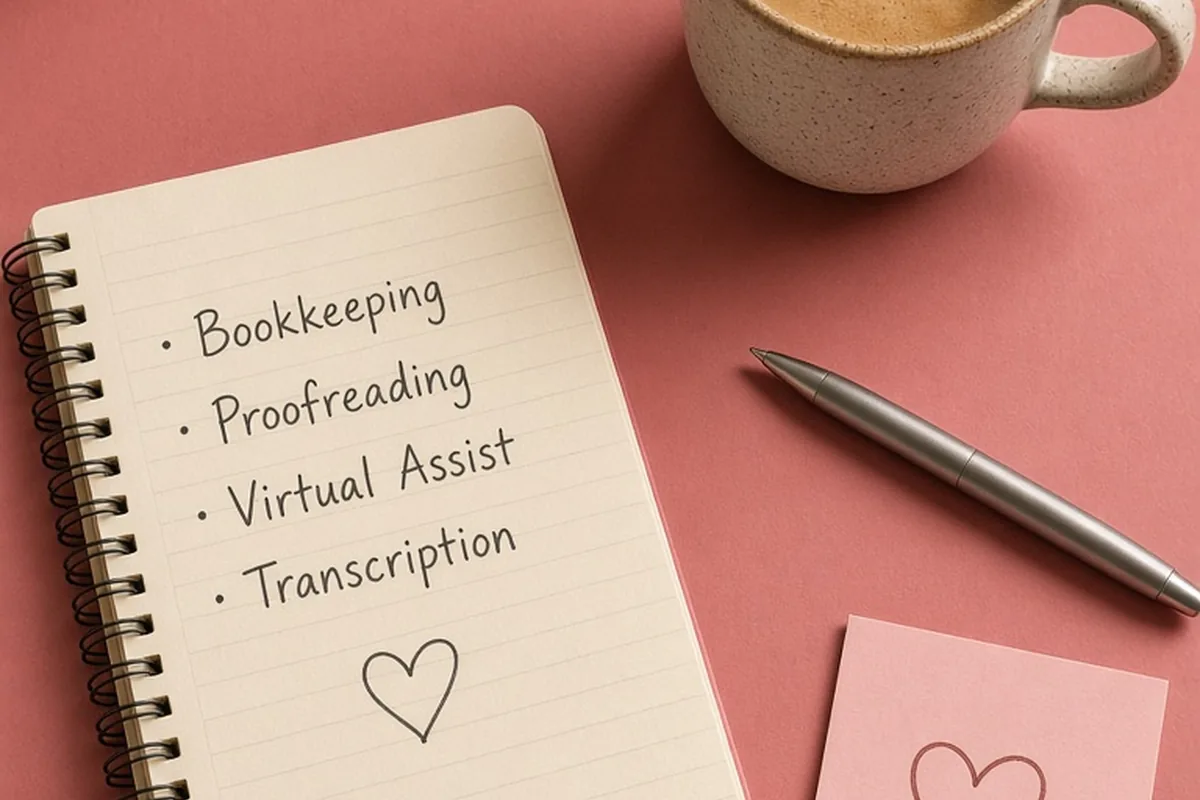
Legit work from home jobs for moms fall into three main categories: flexible freelance services such as bookkeeping, proofreading, and copywriting; scheduled remote employment including customer support, virtual assisting, and corporate recruiting; and project-based contract work like transcription or search evaluation. To secure a legitimate position, apply through established employer career portals or verified platforms, confirm payment terms in writing, and avoid any offer requiring upfront payment or check cashing.
Balancing family responsibilities with professional aspirations requires remote work options that provide dependable compensation without compromising household stability. Navigating the remote job market means distinguishing sustainable, high-integrity career paths from predatory listings, understanding employment classifications, and selecting roles that align with your specific caregiving rhythm.
Matching Remote Roles to Your Daily Caregiving Schedule
The primary factor determining whether a work-from-home position is sustainable for a mother is the degree of schedule autonomy the employer or client permits. Remote roles broadly divide into synchronous positions, which demand real-time collaboration during fixed business hours, and asynchronous roles, which allow tasks to be completed whenever time permits. If you are caring for infants, toddlers, or young children during the day without dedicated secondary childcare, synchronous roles requiring constant phone availability or live video meetings generally create intense conflict and rapid burnout.
Asynchronous work, such as freelance writing, digital proofreading, data analysis, and bookkeeping, offers the latitude to work early in the morning, during afternoon nap windows, or in the evening. Conversely, if your children attend school full-time or you have arranged daytime childcare, synchronous positions—such as remote corporate recruiting, project coordination, or live customer success management—offer predictable routines, steady hourly or salaried compensation, and clearer boundaries between working hours and family life. Defining your available blocks of uninterrupted time before submitting applications ensures you target opportunities that fit your domestic realities.
High-Flexibility Freelance Careers for Variable Hours
Freelance opportunities provide mothers with the highest level of control over workload volume, client selection, and working hours. Independent bookkeeping, for example, represents a stable path for individuals with financial literacy, attention to detail, or prior accounting experience. Small businesses frequently outsource monthly reconciliations, payroll entry, and accounts payable to remote contractors. While basic software proficiency in tools like QuickBooks or Xero is essential, the work is predominantly deadline-driven rather than time-bound, enabling completion across flexible shifts throughout the week.
Content editing, technical writing, and commercial copywriting similarly allow parents to leverage strong language and research capabilities on an independent basis. Client engagements in these fields focus on finished deliverables rather than time spent at a desk, meaning project milestones can be met during nontraditional hours. The trade-off for this flexibility involves managing self-employment taxes, invoicing clients directly, and absorbing periods of fluctuating income, making disciplined financial budgeting and active pipeline management critical components of the role.
Structured Remote Employment with Steady Compensation
For mothers seeking regular pay schedules, employer-sponsored benefits, and defined expectations, structured W-2 remote employment provides organizational stability. Remote customer care and technical support positions represent a substantial segment of this market. Major retailers, financial institutions, and software companies regularly hire home-based representatives to handle client inquiries via chat, email, or telephone. These positions typically supply clear training programs, defined shift patterns, and continuous supervisor support, though they do require reliable quiet environments and strict adherence to attendance schedules.
Virtual assistance and remote administrative coordination are also robust options for individuals with organizational, scheduling, and communication strengths. Corporate virtual assistants manage executive calendars, draft correspondence, coordinate travel logistics, and organize digital files. Depending on the employer, administrative roles can range from standard part-time hours during midday intervals to full-time salaried positions. These roles deliver consistent earnings and eliminate the business-development overhead associated with freelancing, though they require availability during standard business operations.
Specialized Contract Roles in Education, Research, and Operations
Mothers with subject-matter expertise, professional certifications, or instructional backgrounds can access contract roles tailored to specialized fields. Online tutoring, curriculum development, and standardized test scoring allow former educators or academic specialists to apply pedagogical skills remotely. Tutoring platforms often experience peak demand during late afternoons, weekends, and early evenings, creating opportunities for parents to generate income while a partner or relative handles evening routines.
Search engine evaluation, AI data labeling, and medical transcription represent alternative specialized contract tracks. Data annotation and search evaluation involve assessing search engine results, categorization accuracy, or machine learning responses against strict quality guidelines. While compensation is typically calculated on a piece-rate or modest hourly basis, these tracks offer self-directed task queues that accommodate unpredictable parenting schedules without long-term client commitments or phone-based interruptions.
FTC Red Flags and Screening Out Remote Job Scams
The high demand for flexible home-based employment has made remote job seekers frequent targets for predatory schemes and fraudulent postings. Genuine employers pay workers for completed labor; they never require candidates to transfer funds, pay for job training, purchase proprietary starter kits, or pay processing fees to secure an interview. According to guidance from the Federal Trade Commission, common warning signs of work-from-home scams include unsolicited job offers via direct messaging apps, requests for sensitive personal or banking information before a formal written agreement is executed, and offers sent without an interview process.
Another prevalent scam involves counterfeit checks sent under the guise of purchasing home office equipment. The scammer sends a check, instructs the candidate to deposit it into their personal account, and directs them to wire a portion of the funds to a specific vendor for supplies. When the initial check inevitably bounces days later, the victim remains financially responsible for the full wired amount. Legitimate organizations either ship necessary hardware directly to your address or provide established corporate procurement accounts rather than requesting personal financial transactions.
Further reading: FTC: Job scams
Workspace Requirements, Technology Setup, and Caregiving Boundaries
Sustaining a remote career alongside parenting demands a functional workstation and clear physical boundaries. For positions involving inbound calls, audio transcription, or confidential data handling, a dedicated room with a closing door, a reliable computer, noise-canceling headphones, and high-speed broadband internet are mandatory. Many remote employers require speed tests during the application phase to verify that your home network meets latency and bandwidth minimums.
Beyond hardware, professional boundaries are necessary to prevent home responsibilities from spilling into working commitments. Establishing predictable routines, utilizing visual cues such as a closed office door during focus sessions, and organizing reliable backup care options for critical meetings help maintain professional standards. Communicating transparently with household members about working hours establishes respect for your professional commitments while preserving intentional family time once work concludes.
Evaluating Tax Classifications, Benefits, and Hidden Costs
Before accepting a remote position, candidates must examine whether the role is classified as a standard W-2 employee or a 1099 independent contractor. As a W-2 employee, the employer withholds income taxes, pays a share of Medicare and Social Security taxes, and may offer health insurance, paid leave, and retirement contributions. These protections simplify tax obligations and offer a stable baseline, though the company dictates your working methodology and hours.
Independent contractors (1099) retain full authority over how and when their work is completed, but they are subject to self-employment tax, which covers both the employer and employee portions of Social Security and Medicare. Contractors must also budget for their own health insurance, equipment maintenance, software subscriptions, and quarterly estimated tax filings. Understanding these financial trade-offs prevents unexpected tax liabilities at year-end and allows you to calculate the true net compensation of any remote role.
Illustrative Scenarios
Balancing Independent Bookkeeping with Early Childhood Routines
An illustrative composite case demonstrates how an individual can structure asynchronous freelance work around domestic obligations. A mother with previous office administration experience completed an online certification in small-business accounting software. Rather than applying for synchronous full-time customer service roles that required continuous phone availability between 9:00 AM and 5:00 PM, she contracted with three local retail businesses to perform monthly reconciliation, vendor invoicing, and receipt filing.
Key point: By choosing an asynchronous contract model, she completed the majority of her billable hours during early mornings and weekend blocks, avoiding the need for full-time daytime childcare while generating predictable recurring income.
Frequently asked questions
How can I verify if a remote job posting is legitimate before applying?
Confirm the company exists by checking official business registries and contacting the organization directly through verified corporate phone numbers or official website domains. Avoid listings that conduct interviews exclusively through untraceable messaging apps, refuse to share clear business addresses, or make unrealistic wage promises for entry-level work.
What work-from-home positions do not require live phone calls?
Asynchronous roles such as freelance writing, digital copy editing, medical coding, data labeling, graphic design, and back-office bookkeeping operate primarily via text, email, or project management platforms. These paths are well suited for environments where background silence cannot be guaranteed throughout the day.
Do remote employers supply computer equipment for home-based roles?
Many established W-2 employers provide company-configured laptops, monitors, and security peripherals directly to employees upon hire. Conversely, 1099 contractor arrangements and freelance clients almost universally expect workers to supply their own hardware, high-speed internet, and software licenses.
Are entry-level work-from-home jobs available for mothers returning after a career break?
Yes, roles in virtual customer support, data entry, proofreading, and basic administrative coordination frequently accept candidates with transferable organizational skills. Highlighting relevant past experience, volunteer work, and software proficiencies on a functional resume helps bridge employment gaps effectively.
Your next step
Audit your weekly calendar to identify your realistic hours of uninterrupted focus, choose between flexible freelance contracts and structured W-2 employment, and begin screening positions directly on verified corporate career pages.