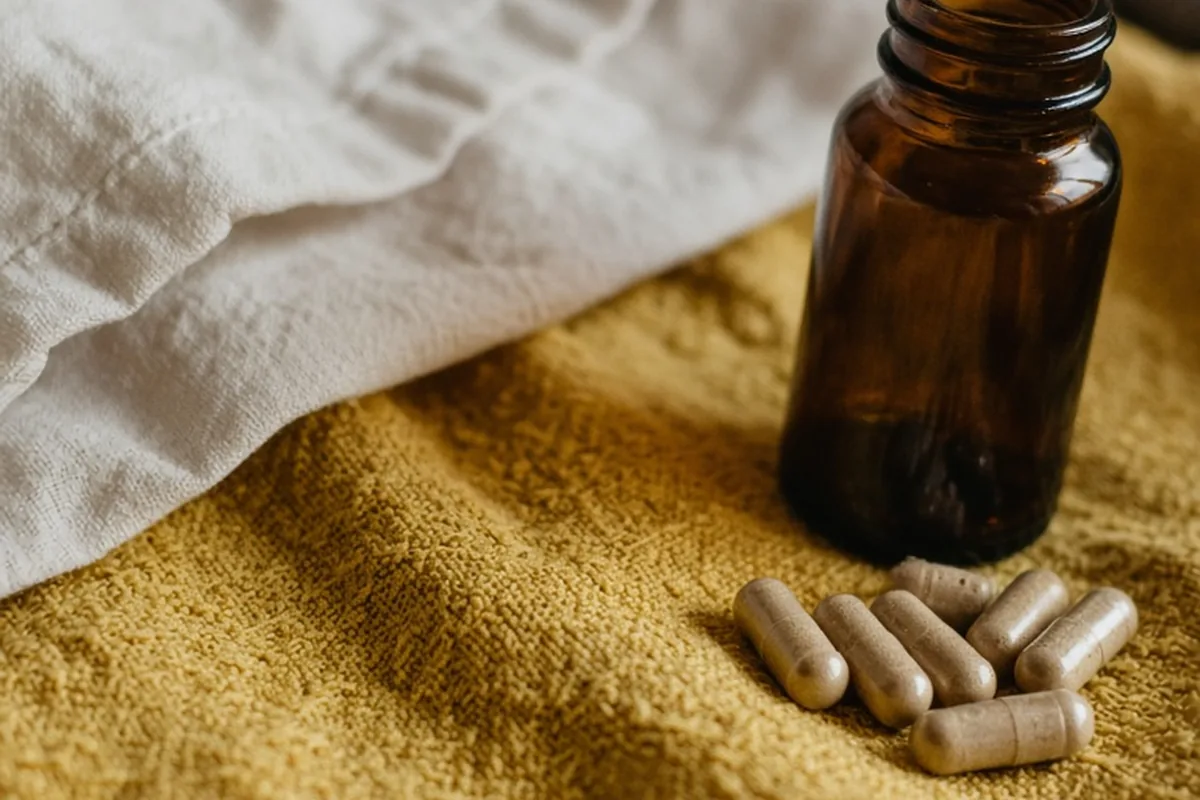
Libido supplements for women are over-the-counter products formulated with herbs, adaptogens, vitamins, and amino acids aimed at supporting sexual desire, blood flow, energy, and stress balance. While some women report modest improvements in vitality or relaxation, these supplements are not regulated like pharmaceuticals and rarely resolve complex sexual concerns alone. A holistic approach combining medical guidance, relationship communication, and lifestyle support yields the most reliable results.
Experiencing shifts in sexual desire is a common, normal part of adult life that can stem from hormonal changes, daily stress, relationship dynamics, or overall physical fatigue.
How Female Libido Supplements Are Formulated to Work
Female libido supplements are typically designed around the idea of systemic wellness rather than an instant physical trigger. Unlike pharmaceutical medications designed to induce a specific vascular or neurological reaction on demand, over-the-counter wellness blends usually aim to address secondary contributors to low desire. Manufacturers frequently combine adaptogenic herbs, amino acids, and essential micronutrients to support general energy levels, enhance peripheral blood circulation, and help the body manage physical and emotional stress.
From a physiological perspective, female sexual desire involves a complex interplay between neurotransmitters such as dopamine and oxytocin, hormones including estrogen and testosterone, and autonomic nervous system regulation. When chronic stress elevates cortisol levels, the body naturally prioritizes survival mechanisms over reproductive and sexual drive. Botanical ingredients like ashwagandha or rhodiola are often included to help moderate the body's stress response, while compounds like L-arginine and ginkgo biloba are added to encourage nitric oxide production and tissue responsiveness.
However, it is crucial to recognize the trade-offs and limits of these formulations. Over-the-counter blends vary widely in concentration, ingredient purity, and bioavailability. Because individual biology and the root causes of low desire differ significantly from person to person, a supplement that helps one person feel more relaxed or energized may produce no noticeable change for someone else.
Common Botanical Ingredients and Their Proposed Roles
Understanding what is inside a supplement bottle allows consumers to evaluate products realistically rather than relying on promotional marketing. The most common formulations incorporate a mixture of traditional herbs that have a long history of use in various wellness traditions, though scientific validation varies widely across individual compounds.
When evaluating product labels, consumers frequently encounter several recurring botanical and nutritional components, each chosen for a specific theoretical mechanism:
- Maca Root: A traditional Peruvian root vegetable often taken to support stamina, mood stability, and general energy without directly altering estrogen levels.
- Ashwagandha: An adaptogen widely utilized to help reduce perceived stress and promote a calm, balanced nervous system state.
- L-Arginine and L-Citrulline: Amino acids that act as precursors to nitric oxide, which helps relax blood vessels and support healthy blood flow.
- Tribulus Terrestris: A plant extract often included for its historical use in supporting vitality and general sexual well-being.
- Ginkgo Biloba: An herbal extract traditionally used to support microvascular circulation and cognitive alertness.
- B-Complex Vitamins and Zinc: Essential nutrients that support cellular energy metabolism, nervous system health, and baseline hormone production.
Distinguishing Physical, Psychological, and Relational Factors
A primary limitation of relying solely on supplements is that low libido is rarely an isolated biochemical issue. Female sexual interest operates within a delicate framework often described as responsive desire, where emotional safety, mental presence, and context play much larger roles than sudden spontaneous physical urge. If a person is carrying an unequal mental load, navigating unresolved conflict, or dealing with chronic exhaustion, an herbal pill cannot resolve those foundational obstacles.
For couples, a mismatch in desire can easily lead to misunderstandings, where one partner feels rejected and the other feels pressured or inadequate. When a couple treats low libido purely as a physical deficit to be fixed with a pill, they risk overlooking necessary relational adjustments. Creating a supportive environment where intimacy is free from immediate sexual expectations often creates the relaxation and emotional closeness required for desire to emerge naturally.
Consider the practical difference between a temporary energy slump and deep-seated relational tension. If a partner is physically depleted from work demands, better sleep hygiene and shared household responsibilities will provide far more meaningful relief than a dietary capsule. Addressing the practical friction points in daily life creates the baseline emotional safety that supplements cannot manufacture.
Safety Considerations and Quality Control Challenges
Dietary supplements are not subject to the same rigorous pre-market safety and efficacy evaluations by regulatory agencies, such as the US Food and Drug Administration, that prescription drugs must undergo. As a result, product quality, ingredient concentration, and contamination risks can vary substantially between brands. Consumers must exercise caution to ensure they are taking safe, unadulterated products.
Herbal ingredients can also interact with prescription medications or existing health conditions. For example, herbs that influence serotonin or blood pressure can interact unpredictably with antidepressants, blood pressure medications, or blood thinners. Furthermore, individuals with hormone-sensitive conditions, such as certain types of breast cancer or endometriosis, should be especially cautious with products containing plant-derived estrogens or hormone-modulating extracts.
To minimize risks, look for brands that voluntarily submit their products for third-party verification through independent testing organizations like USP, NSF International, or ConsumerLab. These certifications confirm that the product actually contains the ingredients listed on the label and is free from dangerous levels of heavy metals, pesticides, or hidden pharmaceutical additives.
How Couples Can Navigate Low Desire Together
When desire fluctuates within a relationship, constructive communication makes the difference between growing apart and building deeper mutual trust. Often, male partners or supportive spouses misinterpret a partner's low libido as a loss of attraction, leading to defensive behavior, withdrawal, or unintentional pressure. In turn, the partner experiencing low desire may feel guilt, anxiety, or performance pressure, which further suppresses sexual interest.
A much more productive approach begins with taking pressure off the outcome of physical encounters. Shifting focus toward non-sexual touch, verbal appreciation, and intentional quality time helps rebuild intimacy without performance anxiety. Practical support, such as proactively handling daily domestic tasks or planning restorative downtime, directly addresses the fatigue that often dampens desire.
Conversations about trying wellness supplements should be collaborative and non-judgmental. A partner should never present a supplement as a demand or an ultimatum. Framing the discussion around overall vitality, comfort, and mutual enjoyment allows both individuals to explore supportive options as a unified team.
When to Consult a Healthcare Professional
While over-the-counter products are accessible, persistent or distressing changes in sexual desire warrant an evaluation by a qualified medical professional, such as a primary care doctor, gynecologist, or endocrinologist. Low libido can frequently be an early indicator of underlying physiological conditions that require targeted medical intervention rather than self-treatment.
A physician can perform routine blood tests to evaluate thyroid function, iron and vitamin levels, and hormone balances, particularly during life stages like perimenopause or postpartum recovery. Additionally, common medications—including selective serotonin reuptake inhibitors (SSRIs), hormonal contraceptives, and certain blood pressure drugs—frequently list decreased libido as a side effect. In these situations, a doctor can safely adjust dosages or explore alternative therapies.
In cases where physical causes are ruled out and relationship factors are stable, a medical provider can also assess for conditions such as Hypoactive Sexual Desire Disorder (HSDD) and discuss evidence-based medical treatments or referrals to a certified sex therapist. Professional guidance ensures that time and resources are focused on safe, effective solutions tailored to individual needs.
Illustrative Scenarios
Addressing Daily Exhaustion Before Supplementing
Rachel and her partner noticed a sharp decline in their physical intimacy after Rachel transitioned to a high-stress corporate role that involved frequent late evenings. Her partner initially wondered if she had lost interest in their connection, while Rachel felt guilty and ordered an herbal libido supplement online in hopes of a quick fix. After two weeks with no change other than minor digestive upset, they had an open conversation about her overwhelming schedule. Instead of relying on the pills, they agreed to redistribute household duties, established a consistent digital curfew at night, and prioritized non-sexual cuddling on weekends. Within a few weeks, Rachel's natural energy and responsiveness returned.
Key point: Physical exhaustion and chronic stress are often the true root causes of low desire; relieving daily pressure is far more effective than relying on over-the-counter supplements.
Identifying Hormonal Shifts and Seeking Professional Guidance
At age 46, Lisa noticed a gradual drop in sexual interest along with mild sleep disruptions and vaginal dryness. Assuming it was simply a natural consequence of aging, she spent months trying various multi-ingredient libido blends advertised on social media, experiencing frustration when none produced results. During an annual wellness visit, she discussed her symptoms with her gynecologist, who explained that her changes were classic signs of perimenopause. The doctor recommended targeted local moisturizers and a guided medical plan rather than unregulated herbal blends, providing Lisa with comfort, clarity, and genuine relief.
Key point: Persistent changes in desire during reproductive transitions are best evaluated by a physician who can provide targeted, evidence-based care.
Frequently asked questions
How long does it take for female libido supplements to work?
Most over-the-counter formulations require several weeks of consistent use because they rely on adaptogens and micronutrients designed to support general well-being rather than providing immediate stimulation. However, if no noticeable changes in energy or well-being occur after four to six weeks, the product is unlikely to be effective for your specific needs.
Are female libido supplements safe to take with birth control or other medications?
Not all supplements are safe to combine with prescription drugs. Certain herbs can alter how the liver metabolizes medications, potentially reducing the effectiveness of birth control or interacting with antidepressants and blood pressure treatments. Always review the full ingredient list with a healthcare provider or pharmacist before starting a new product.
Can over-the-counter supplements cure Hypoactive Sexual Desire Disorder (HSDD)?
No, over-the-counter dietary supplements are not approved or clinically proven to treat clinical conditions like Hypoactive Sexual Desire Disorder. HSDD is a recognized medical condition that typically requires comprehensive evaluation, lifestyle adjustments, therapy, or FDA-approved prescription therapies under the supervision of a physician.
How can I tell if a libido supplement is high quality?
Look for products that feature transparent labeling with specific ingredient amounts rather than proprietary blends that hide dosages. Additionally, choose brands that carry third-party quality certifications from independent testing bodies like USP, NSF International, or ConsumerLab to verify purity and potency.
Your next step
Schedule a routine consultation with your primary healthcare provider or gynecologist to rule out underlying hormonal or medical factors before introducing any new supplement into your routine.