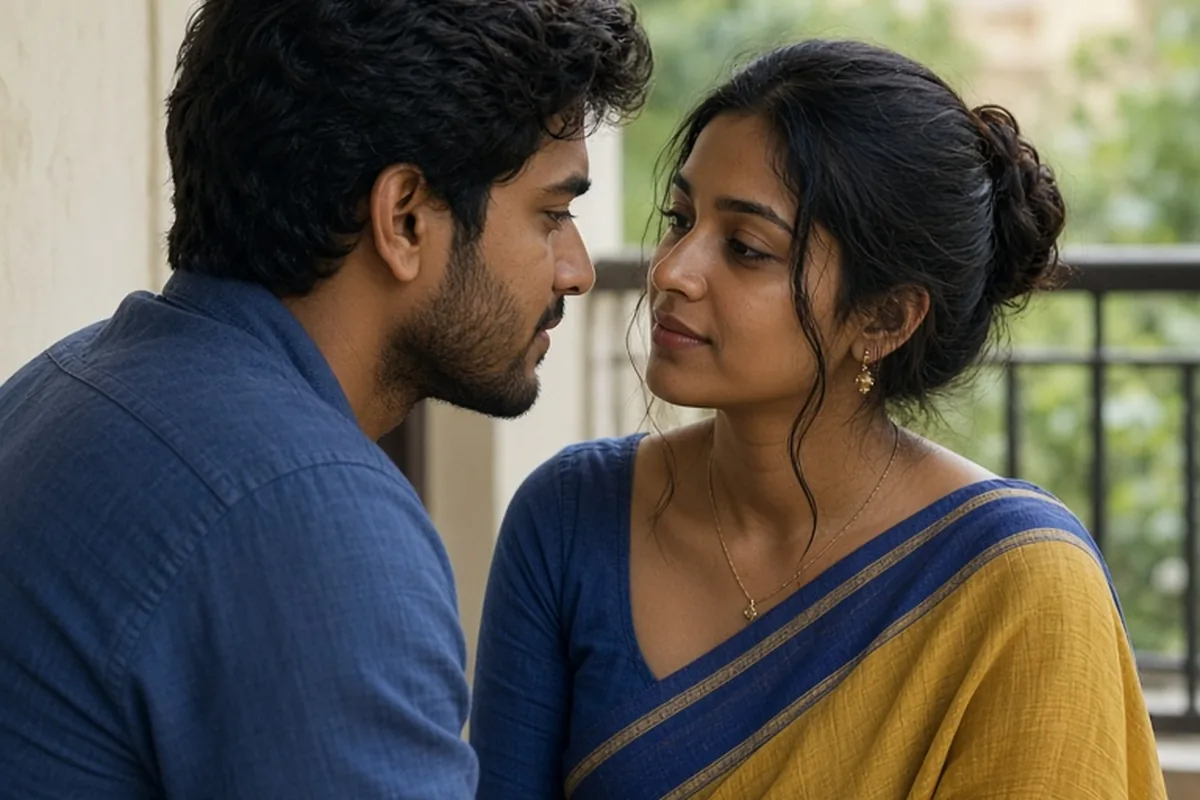
A love marriage in India involves partners choosing each other based on mutual affection and personal compatibility rather than traditional family-arranged matchmaking. While increasingly embraced across urban and semi-urban regions, it typically requires balancing personal autonomy with extended family expectations. A smooth love marriage relies on early alignment on shared values, clear communication with parents, proactive planning for cultural differences, and understanding the practical legal frameworks available for self-chosen unions.
Deciding to marry a partner of your own choosing in India represents an empowering personal milestone that often exists alongside rich, collectivist social traditions. While societal attitudes continue to broaden, couples frequently discover that building a life together involves far more than mutual affection—it requires thoughtful conversations, patience with family dynamics, and a grounded approach to long-term compatibility.
Understanding the Modern Landscape of Love Marriages
In contemporary India, the concept of a love marriage has shifted from being an act of outright social rebellion to a recognized, valid path toward partnership. Increased access to higher education, independent careers, urbanization, and digital platforms has created expansive spaces where adults meet, form emotional bonds, and evaluate compatibility independently. However, unlike Western contexts where marriage is predominantly viewed as a private contract between two individuals, marriage in India remains an alliance between two extended family ecosystems. This dual reality means that couples must navigate both modern expectations of romantic fulfillment and enduring social customs regarding family integration.
Today, the boundaries between love and arranged marriages are more fluid than ever before. Many couples opt for what is often termed an assisted love marriage or a hybrid model, where the partners meet independently, develop a relationship, and subsequently involve their families to perform traditional ceremonies and seek formal blessings. Recognizing where your relationship stands along this spectrum can help you anticipate how much family involvement you will need to balance and what cultural expectations might emerge during the wedding process and beyond.
Aligning as a Couple Before Approaching Family
Before presenting your relationship to parents or relatives, it is vital that you and your partner establish complete clarity on foundational life priorities. When families question a love marriage, their concerns often center on stability, shared values, and long-term security rather than malice. If you and your partner are not already aligned on fundamental matters, external family pressure can quickly expose cracks in your relationship. Spending time explicitly discussing expectations around careers, finances, daily habits, and family boundaries creates a resilient foundation before any public introductions occur.
Take the time to discuss practical scenarios: How will you handle financial responsibilities? What are your views on living arrangements, such as living independently versus living with in-laws? How will you support aging parents while protecting your marital privacy? Addressing these practicalities early ensures that when you approach your families, you present a united, mature, and thoughtful front. For instance, if one partner assumes you will live in a nuclear household while the other expects a traditional joint family setup, discovering this discrepancy during a parental meeting creates unnecessary tension. Clarity between partners must always precede family diplomacy.
Introducing Your Partner to Parents with Clarity and Respect
Introducing a partner of your own choice to traditional Indian parents requires deliberate pacing, empathy, and strategic communication. A common misstep is dropping the news abruptly or demanding immediate, unconditional acceptance. Parents often experience an emotional adjustment period, moving through surprise, anxiety about social reputation, and fear of losing a connection with their child. Initiating the conversation by acknowledging their care, sharing what you value about your partner, and emphasizing how this choice supports your long-term happiness allows parents to process the information without feeling sidelined.
It is generally beneficial for each partner to speak with their own parents first before organizing a joint meeting. This approach gives both individuals the room to address specific parental hesitations privately and honestly. When arranging the first formal meeting between parents and your partner, choose a relaxed, neutral, and low-pressure setting. Keep the initial focus on building familiarity and comfort rather than finalizing wedding dates. Showing patience and giving parents time to ask questions demonstrates maturity and reinforces that you are making a well-considered life decision.
Navigating Inter-Caste, Inter-Faith, and Cross-Cultural Dynamics
A significant proportion of love marriages in India bring together individuals from different linguistic, regional, caste, or religious backgrounds. Cross-cultural partnerships can be deeply enriching, but they also bring practical differences in lifestyle, dietary choices, language, and ritual practices to the surface. Rather than ignoring these differences in the name of romance, successful couples actively explore how their backgrounds shape their daily routines and worldviews, deciding together which traditions they wish to celebrate and which boundaries they need to establish.
When families express skepticism regarding cultural differences, their anxiety often stems from fear of the unfamiliar. You can ease this friction by proactively introducing elements of each other's culture in warm, inclusive ways—such as celebrating festivals together, learning basic phrases in each other's native languages, or appreciating regional cuisines. However, it is equally important to set clear, respectful limits if family members demand compromises that violate either partner's personal autonomy or beliefs. A healthy marriage honors diversity through mutual curiosity rather than unilateral sacrifice.
Managing Financial Independence and Legal Frameworks
Financial independence is one of the strongest pillars supporting a self-chosen marriage. When both partners demonstrate the ability to support themselves and manage their household expenses, parental anxieties about practical stability tend to decrease substantially. Establishing an emergency fund, discussing career trajectories, and agreeing on shared financial contributions reduces reliance on external family support and gives the couple greater autonomy over their major life decisions, including wedding scale, living arrangements, and long-term investments.
From a legal perspective, couples in India have well-defined statutory rights to marry an adult partner of their choice. Couples belonging to the same religion can register under specific religious acts, such as the Hindu Marriage Act or the Indian Christian Marriage Act, while inter-faith or secular couples can marry under the Special Marriage Act. The Special Marriage Act requires a mandatory public notice period and solemnization before a marriage officer, without requiring either individual to convert or renounce their faith. Understanding the legal documentation, witness requirements, and registration steps ahead of time protects your marital rights and simplifies administrative procedures.
Handling Parental Resistance and Resolving Family Conflict
In situations where parents or extended family members express intense resistance, maintaining composure is critical. Reacting with immediate hostility or giving dramatic ultimatums often deepens divisions and entrenches opposition. Instead, adopt a strategy of steady, consistent communication. Listen to their specific objections without becoming defensive, validate their underlying care where genuine, and calmly reaffirm your commitment to your partner. Many parents who initially resist a love marriage soften their stance over time when they witness consistency, emotional stability, and mutual respect.
Involving respected, open-minded third parties can also bridge difficult communication gaps. A trusted family elder, an understanding aunt or uncle, or a respected mutual family friend can often articulate your perspective to hesitant parents in a way that feels less confrontational. However, couples must also acknowledge practical trade-offs: while familial harmony is deeply desirable, your ultimate responsibility is to build a healthy, mutually supportive partnership. If extended family remains unyielding despite prolonged, respectful efforts, you may need to move forward with your marriage independently while leaving the door open for future reconciliation.
Transitioning from Romantic Courtship to Daily Matrimonial Life
The transition from dating to married life involves a shift from selective, intentional dates to managing shared domestic realities and extended kinship responsibilities. In India, marriage brings a web of social obligations, including family gatherings, festival celebrations, and mutual responsibilities toward both sets of parents. Couples who transition successfully maintain their romantic bond by protecting dedicated couple time while learning to function as a collaborative domestic team.
Building a sustainable love marriage requires continuous communication about workload division, personal space, and emotional needs. It is completely normal for minor conflicts to arise over household habits, social commitments, or differing coping mechanisms during stressful periods. By treating these adjustments as natural learning curves rather than signs of incompatibility, couples cultivate the resilience, trust, and mutual admiration needed for a thriving, lifelong partnership.
Illustrative Scenarios
Illustrative Scenario: Bridging Regional and Cultural Differences
Kunal and Ananya, working in Bengaluru, came from North and South Indian backgrounds respectively. When they decided to marry, Kunal's parents expressed deep apprehension about linguistic differences, contrasting wedding customs, and dietary habits. Kunal's initial instinct was to argue that modern life had moved past these traditions, which only escalated his parents' anxiety. Recognizing the standoff, Ananya and Kunal shifted their approach: they invited both families to an informal lunch, spent time explaining the significance of each other's core traditions, and agreed to blend elements of both cultures into a single, cohesive celebration. By addressing specific concerns calmly instead of dismissing them, both families felt respected.
Key point: Patience and proactive cultural inclusion often turn parental apprehension into active support.
Illustrative Scenario: Setting Boundaries on Living Arrangements
Vikram and Priya, who met during graduate school in Mumbai, faced a major dilemma regarding their future home. Vikram's family expected them to move directly into the traditional joint family home, while Priya felt strongly that their demanding work hours and lifestyle required an independent apartment nearby. Instead of avoiding the subject until after the wedding, Vikram and Priya held honest conversations together to define a compromise. They decided to rent an apartment within a fifteen-minute drive of Vikram's parents, committing to weekly weekend dinners and shared festival celebrations. Vikram presented this plan to his parents as a constructive way to support their careers while staying closely connected.
Key point: Addressing living arrangements collaboratively before marriage protects couple autonomy while maintaining warm family ties.
Frequently asked questions
What is the primary difference between a love marriage and a semi-arranged marriage in India?
A love marriage is initiated entirely by the couple based on mutual affection and courtship, whereas a semi-arranged marriage begins with family matchmaking but grants both individuals the autonomy to date and decide whether they wish to proceed.
How can an inter-faith couple get legally married in India without religious conversion?
Inter-faith couples can legally marry under the Special Marriage Act, 1954. This civil marriage framework allows adults of different religions to marry without requiring either party to convert or alter their religious identity.
What should we do if parents refuse to attend our love marriage?
Give your parents time to process their emotions and continue reaching out with calm, respectful communication or through supportive intermediaries. If their refusal persists, proceed with your legal registration while maintaining polite openness for future reconciliation whenever they are ready.
Do love marriages in India require parental consent for legal registration?
No, Indian law does not require parental consent for legal marriage if both partners are of legal age (currently 18 for women and 21 for men). You only need valid identity proofs, age verification, and eligible witnesses to complete civil or statutory registration.
Your next step
Sit down with your partner this week to write out your top non-negotiables regarding finances, living arrangements, and family boundaries so you are completely aligned before having your next major family conversation.