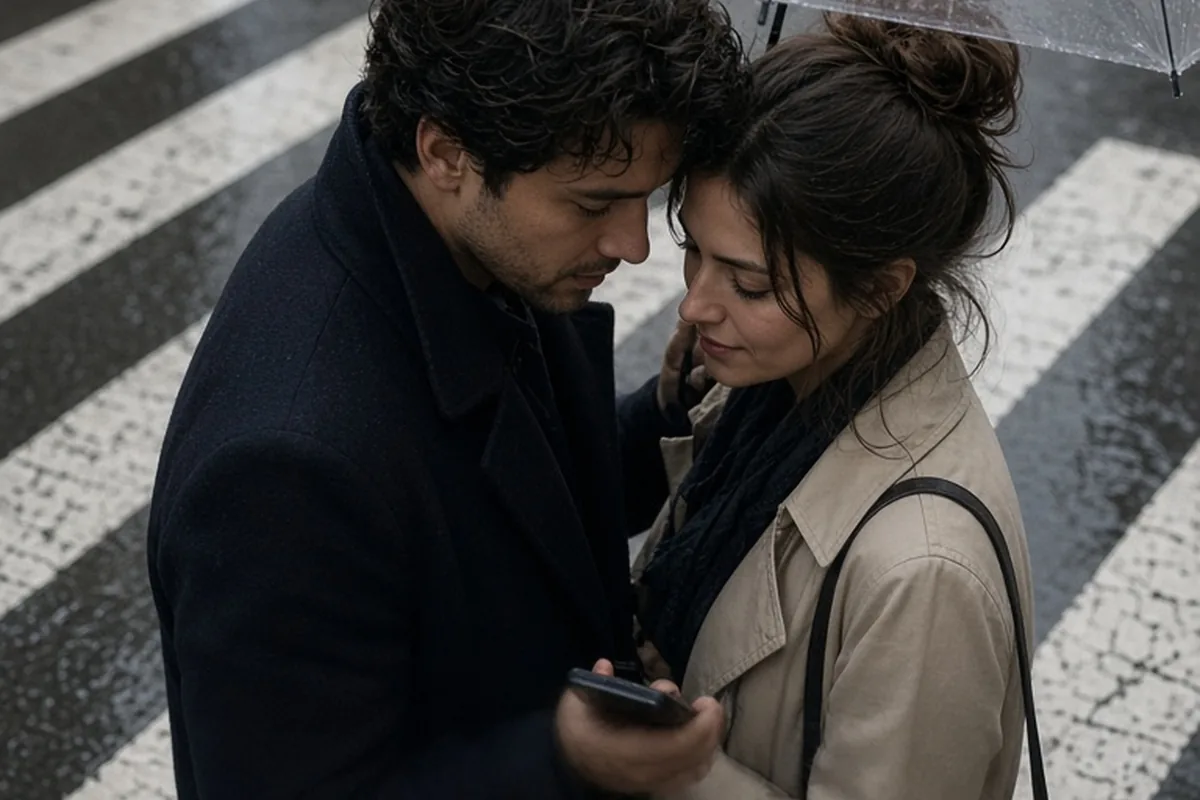
The most effective long-distance love poems for him focus on shared sensory memories, steady commitment, and the quiet reality of daily life rather than dramatic grief over separation. By anchoring your words in specific details—a shared morning routine, an inside joke, or the certainty of your next visit—you offer reassurance and emotional intimacy that makes physical distance feel manageable, deliberate, and temporary.
Maintaining emotional closeness across separate cities or time zones requires intentional communication. While routine text messages handle daily logistics, a thoughtfully crafted poem captures the deeper texture of your affection, reminding your partner that physical absence does not weaken mutual trust or attraction.
Anchoring Emotion in Concrete Detail Rather Than Melodrama
When writing or choosing poetry for a man living at a distance, sweeping dramatic statements about unending sorrow often ring hollow. General phrases such as 'my heart bleeds in your absence' or 'the world is completely dark without you' can inadvertently create emotional fatigue. Instead, sentiments that reference tangible objects, familiar routines, and shared experiences produce a far more grounded sense of connection. Men frequently respond to imagery that feels authentic to the partnership rather than elevated theatrical language that feels disconnected from real life.
Consider focusing on specific sensory touchstones: the heavy wool of his favorite jacket left in your closet, the distinct cadence of his laugh during a late-night phone call, or the shared ritual of drinking black coffee on Sunday mornings. Grounding your words in reality reassures him that the relationship is built on solid ground rather than fleeting sentimentality. It honors what you have already established together while making the physical distance feel like a temporary hurdle rather than an overwhelming tragedy.
A clear limitation of highly dramatic poetry is that it can unintentionally place emotional pressure on the recipient. When one partner continuously expresses profound despair over the separation, the other may feel guilty for having an ordinary day, focusing on work, or enjoying independent activities. By choosing grounded, warm imagery over theatrical longing, you invite intimacy without creating an unspoken emotional debt.
Short Verses for Time Zone Gaps and Busy Mornings
Not every poem needs to be an extensive multi-stanza composition. In long-distance partnerships where work schedules, military deployments, or shifting time zones create irregular availability, brief verses sent at opportune moments can serve as quiet anchors throughout the day. A four-line note left on his phone for when he wakes up signals presence without demanding an immediate, lengthy conversation during his morning rush.
Short verses work best when they convey ease and steady affection. For instance, consider a concise rhythm like this: 'The coffee is hot on my side of the map, while dawn is still quiet and slow on yours. Keep my place in your day, as I keep yours in mine, until the hours turn into tickets home.' This type of note acknowledges the geography while immediately reframing the separation around shared patience and an eventual reunion.
The practical benefit of brevity is low emotional demand. It allows a partner who may be overwhelmed with professional obligations to read, smile, and absorb the care behind the gesture without feeling inadequate if he does not have the time or poetic inclination to craft an equally elaborate reply. Simple consistency often builds far more safety than sporadic grandiosity.
Verses Focused on Anticipation and Mutual Security
A common hazard in long-distance romance is allowing conversations to revolve exclusively around missing one another. While longing is a natural component of separation, dwelling solely on absence can breed frustration and restlessness. Strong poetry balances the honest ache of missing a partner with clear anticipation of future companionship and confidence in the bond.
Poems that highlight the countdown to an upcoming visit or celebrate the progress made as a couple reinforce forward momentum. Consider a verse structured around shared certainty: 'The hallway is quieter without your keys, but the calendar is losing its days. We have learned how to hold a conversation across static, how to laugh across screens, and how to trust the road that leads straight back to the terminal where you stand.' This framing highlights resilience and the active choice both people make to stay aligned.
Writing with security also avoids the pitfall of seeking reassurance under the guise of romance. If a poem subtly asks 'do you still love me as much as I love you?', it ceases to be a gift and becomes an interrogation. Maintaining a confident, giving posture in your writing demonstrates emotional maturity and strengthens mutual attraction across the miles.
Drafting Your Own Lines Without Forcing Rhyme or Rhythm
Many people hesitate to write poetry because they assume every romantic verse requires strict rhyming schemes like AABB or ABAB. In practice, forced rhymes frequently lead to awkward phrasing, where words are chosen simply because they end in the right sound rather than because they express genuine truth. Free verse—writing that follows natural speech rhythms rather than rigid meter—often delivers a much more honest and moving message.
To draft a simple, effective free-verse message, start with a three-step exercise. First, select one specific memory from your last visit that felt effortless and comfortable. Second, describe the scene using concrete nouns—the diner counter, the hum of the car engine, the rain tapping the passenger window. Third, connect that memory to an attitude of appreciation for his role in your life. This method removes the pressure of sounding literary and replaces it with personal authenticity.
Consider the contrast between a forced rhyme and a natural reflection. A forced rhyme might read: 'Your eyes are bright like stars above, you are the only one I love.' In contrast, an authentic reflection sounds like: 'I drove home with your podcast still playing in the console. Even three hundred miles out, the quiet felt shared, not empty.' The latter creates an immediate emotional connection because it could only come from you.
Selecting Delivery Mediums That Match His Routine
The impact of a romantic message is shaped not just by the words, but by how and when it is received. Delivering a heartfelt poem in the middle of a chaotic workday can lead to distraction or a rushed acknowledgment, whereas delivering it through a thoughtful medium allows him to experience it in a calm frame of mind.
Consider using different mediums based on the nature of the message:
Handwritten letters sent via standard mail carry tactile weight. Holding an envelope, recognizing your handwriting, and keeping the card on a desk or nightstand provides physical evidence of care that digital text cannot duplicate.
Audio notes recorded in your natural speaking voice provide the warmth of vocal tone, cadence, and inflection. For a partner who spends long hours driving or working alone, hearing your voice recite a brief thought can bridge emotional distance instantly.
Hidden cards tucked into his luggage, jacket pocket, or car visor before he leaves after a visit offer an unexpected moment of comfort hours or days into his return trip.
The trade-off of tactile or audio delivery is patience. Postal mail takes time, and voice notes require private space to listen. Choosing the right channel means respecting his daily schedule and avoiding expectations of instant digital gratification.
- Handwritten letters sent via standard mail carry tactile weight. Holding an envelope, recognizing your handwriting, and keeping the card on a desk or nightstand provides physical evidence of care that digital text cannot duplicate.
- Audio notes recorded in your natural speaking voice provide the warmth of vocal tone, cadence, and inflection. For a partner who spends long hours driving or working alone, hearing your voice recite a brief thought can bridge emotional distance instantly.
- Hidden cards tucked into his luggage, jacket pocket, or car visor before he leaves after a visit offer an unexpected moment of comfort hours or days into his return trip.
Using Poetry to Complement Rather Than Replace Hard Conversations
While romantic words are powerful tools for sustaining warmth, they cannot replace the practical work required to maintain a long-distance relationship. Sometimes couples lean on poetry, sweet texts, and nostalgic affirmations as a way to avoid addressing underlying tensions, differing expectations about visit frequency, or the eventual timeline for closing the distance.
Poetic gestures should act as an accent to a healthy, functioning partnership, not a shield against necessary conflict resolution. If you notice that romantic expressions are being used immediately after an unresolved disagreement to smooth things over prematurely, step back. Clear prose, honest dialogue, and agreed-upon plans provide the safety upon which romantic gestures can genuinely thrive. When used in harmony with straightforward communication, poetry deepens a foundation that is already structurally sound.
Illustrative Scenarios
Marcus and the Shift from Stiff Grandeur to Real Presence
When Marcus was working three time zones away from his partner, he wanted to send a romantic note to mark their six-month anniversary. Intimidated by the idea of writing about his feelings, he copied an archaic Victorian poem from a website and texted it across the distance. His partner's reply was polite but visibly confused, as the flowery language sounded completely unnatural coming from him. Recognizing the disconnect, Marcus took ten minutes to write a simple, original three-line note describing how much he missed making coffee for two on Sunday mornings and looking forward to their booked flight in two weeks. His partner called him shortly after, deeply touched by the honesty of his actual voice.
Key point: Personal, everyday language carries far more emotional weight and credibility than borrowed grandeur that obscures your genuine personality.
Elena and Aligning Messages with Her Partner's Bandwidth
Elena frequently sent multi-paragraph love poems to her partner, David, while he was navigating an intense clinical residency several states away. When David responded with quick, functional replies like 'love this, thank you,' Elena felt deflated and wondered if his feelings were cooling. After having a calm discussion about their daily communication, Elena realized David was reading her messages in hospital corridors between patient rounds, feeling stressed that he could not give them proper attention. She adjusted her approach, slipping handwritten cards into his coat pocket during visits for him to open on Sunday evenings. The pressure vanished, and their communication regained its mutual ease.
Key point: Matching the timing and format of your romantic gestures to your partner's actual schedule prevents affectionate efforts from turning into unintended obligations.
Frequently asked questions
How can I tell if my partner genuinely appreciates receiving poems?
Observe how he engages with the sentiment over time rather than looking for an identical poetic response. If he mentions a specific line during a phone call, keeps physical cards on his desk, or expresses warmth about the gesture, he values it even if he is not naturally expressive in writing.
What if I feel awkward writing poetry for him?
Drop the expectation of writing traditional verse and treat it as a short, focused note of appreciation. Describing a single concrete memory from your time together or expressing steady support in simple sentences creates far more impact than forced rhymes.
Can sending emotional poetry create unwanted pressure in a long-distance relationship?
Yes, if the poems consistently emphasize suffering, intense loneliness, or implicit demands for constant reassurance. Keeping your messages grounded in mutual security, warmth, and shared anticipation prevents your partner from feeling burdened by your affection.
Is digital delivery or handwritten mail more effective across distance?
Both serve valuable purposes depending on context and frequency. Digital notes provide timely encouragement during busy routines, while handwritten letters offer a lasting, tangible object that anchors your connection during longer stretches between visits.
Your next step
Choose one specific, grounding memory from your last visit together, write a three-line note about why that moment remains meaningful, and share it at an unhurried time without expecting an immediate reply.