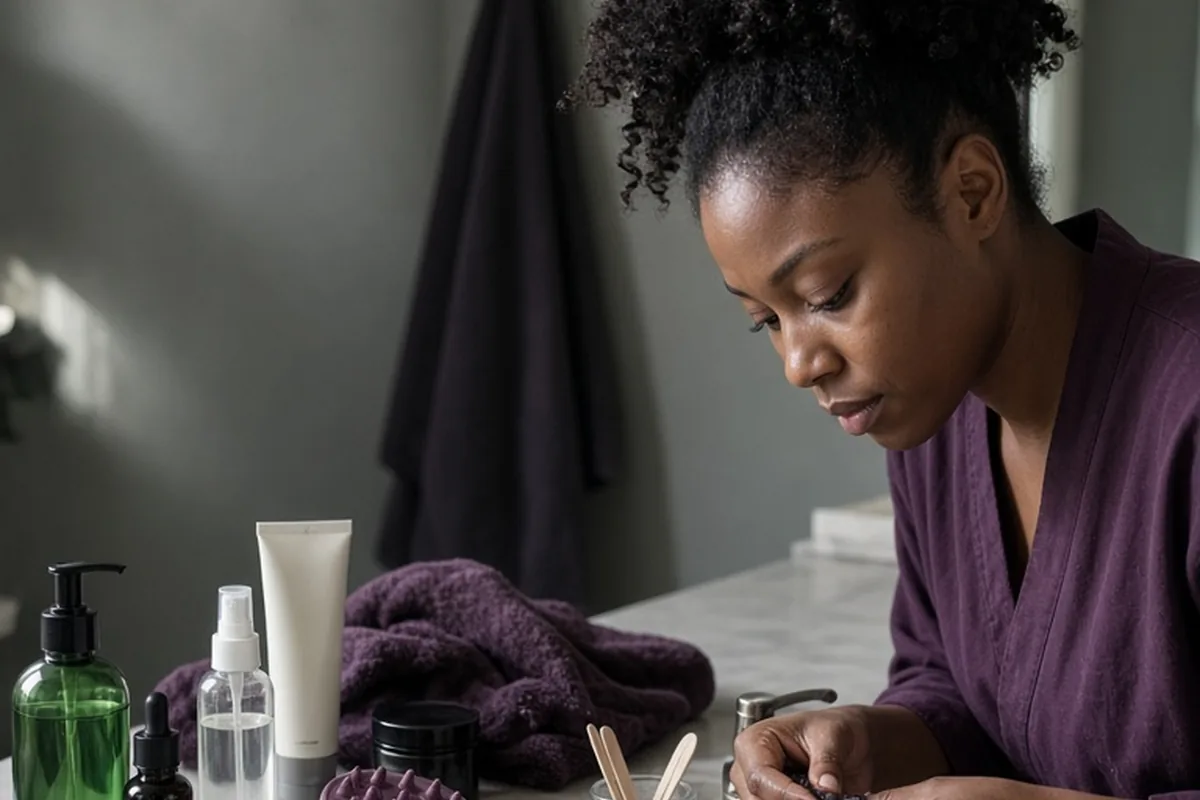
Upkeep for low porosity hair centers on opening tightly bound cuticles using heat and lightweight, water-based moisture rather than heavy butters. Ongoing expenses include clarifying cleansers, penetrating leave-in conditioners, and indirect heat tools such as microwavable thermal caps or hooded dryers. Because low porosity strands resist absorption and accumulate buildup rapidly, budgeting for regular clarifying agents and thermal assistance prevents product waste and keeps maintenance costs manageable over time.
Managing low porosity hair requires shifting focus from rich, heavy sealing creams to lightweight hydration techniques backed by heat. Understanding how your hair cuticles behave helps you choose formulations that genuinely penetrate rather than sitting on top of the strand.
Recognizing Low Porosity Characteristics and Upkeep Challenges
Low porosity hair possesses a tightly closed, overlapping cuticle layer that naturally resists water absorption. When water or product meets untreated low porosity strands, moisture tends to bead on the surface rather than sinking in immediately. While this tight structure excels at retaining hydration once it finally penetrates, getting moisture inside requires deliberate effort. Without an intentional approach, moisturizers sit on the hair shaft, creating an oily or dull film that attracts environmental debris and causes premature dryness beneath the surface.
The primary upkeep challenge with low porosity hair is chronic buildup. Because standard styling creams, heavy botanical butters, and thick silicones cannot easily slip beneath the cuticle scales, they accumulate on the exterior. Over several days, this accumulation hardens, blocking subsequent attempts at hydration. The hair may feel stiff, straw-like, or greasy simultaneously. Recognizing these traits early allows you to construct a routine centered on cuticle manipulation, lightweight humectants, and targeted cleansing rather than repeatedly buying heavier styling products that worsen the condition.
Core Product Expenses: Building a Low Porosity Wash Day Kit
Constructing a functional regimen for low porosity hair does not require an overwhelming number of products, but it does require specific formulations. At the foundation of your expenses is a dependable clarifying shampoo alongside a gentle, sulfate-free hydrating cleanser. Clarifying removes the stubborn mineral and product deposits that cling to closed cuticles, resetting the hair surface so water can enter. A standard wash kit also requires a slippery, protein-free or low-protein deep conditioner, a water-based leave-in spray or milk, and a lightweight sealing oil.
When purchasing these essentials, formula texture matters far more than brand luxury. Water-based liquids, watery leave-ins, and emulsions containing aloe vera juice, vegetable glycerin, or rosewater penetrate compact cuticles far better than thick pastes. Purchasing heavy pomades or pure raw shea butter often leads to wasted money, as these heavy emollients form an impenetrable barrier that repels ambient moisture. Investing in simpler, water-soluble products lowers the total recurring cost of your regimen while delivering visibly better softness and elasticity.
Thermal Hydration Tools: Evaluating Steamers, Heat Caps, and Dryers
Because low porosity cuticles remain naturally flat at room temperature, thermal tools are an essential category in your upkeep budget. Applying indirect warmth gently lifts the outer cuticle layers, allowing conditioning agents and water molecules to enter the inner cortex. The most accessible entry point is a microwavable gel heat cap or a thermal conditioning cap, which provides twenty to thirty minutes of consistent warmth without requiring electrical cords or large storage spaces. These reusable caps represent a modest one-time purchase that significantly enhances the performance of standard conditioners.
For those seeking a more intensive setup, tabletop hair steamers or soft bonnet dryer attachments offer continuous, controlled heat. Steaming provides the dual benefit of thermal opening and direct vaporized water delivery, which can dramatically revive chronically parched curls and coils. Bonnet attachments connect directly to hand-held blow dryers, directing warm air evenly over the scalp during deep conditioning or set styling. While dedicated freestanding steamers carry a higher initial purchase price and demand dedicated storage space, thermal heat caps and soft bonnet attachments deliver comparable penetration benefits at a fraction of the cost.
Ingredient Selection: Choosing Penetrating Emollients Over Heavy Sealers
A major variable in ongoing hair care expenses is product turnover caused by buying formulas that sit on the hair surface. Low porosity strands thrive when treated with lightweight oils whose molecular structures allow them to absorb efficiently or lubricate without suffocating the strand. Jojoba oil, argan oil, sweet almond oil, and grapeseed oil are ideal choices because they offer lubrication, shine, and slip without forming heavy, sticky coatings that attract dirt.
Conversely, heavy plant butters like pure cocoa butter, thick castor oil, and high-concentration coconut oil frequently cause issues for low porosity textures. While these ingredients are beneficial for high porosity hair that struggles to retain moisture, they tend to solidify or form an occlusive shield over low porosity cuticles, trapping dryness underneath. By carefully reading ingredient lists and prioritizing humectants such as panthenol, agave nectar, and hydrolyzed silk alongside lightweight oils, you eliminate the trial-and-error spending associated with products that weigh down your texture.
Salon Services Versus At-Home Maintenance Budgeting
Managing low porosity hair at home requires a modest initial investment in tools and regular product replenishment, but incorporating professional salon care introduces different cost variables. Salon-grade micro-mist hydration treatments, customized deep conditioning services, and precision dusting or trims help maintain healthy ends and clear stubborn buildup. Salons utilize commercial-grade ozone steamers that deliver ultra-fine vapor particles, providing an intensive moisture reset that can sustain hair health for several weeks between appointments.
Deciding whether to budget for regular professional visits depends on your hair length, density, styling preferences, and personal schedule. If you wear protective styles or complex sets, visiting a licensed stylist every six to eight weeks for a dedicated steam hydration service and shape maintenance can prevent split ends from traveling up the shaft. However, if your budget favors at-home care, duplicating the salon process with a microwavable cap, warm water rinses, and disciplined clarifying yields strong, consistent results while keeping ongoing costs limited to basic product restocks.
Establishing a Sustainable Weekly and Monthly Upkeep Schedule
Upkeep for low porosity hair is most economical and effective when structured around a predictable rhythm. A typical weekly routine begins with washing under warm to hot water, which helps relax the cuticles before applying cleanser. Following shampooing, applying a deep conditioner with indirect heat for fifteen to twenty minutes ensures genuine penetration. Rinsing thoroughly with warm water prevents conditioner residue from hardening, while applying a water-based leave-in immediately to damp hair locks in hydration before the cuticles fully close.
On a monthly basis, schedule a dedicated clarifying session to strip away residual styling polymers and light oils that accumulate over multiple wash cycles. Between wash days, refresh moisture using warm water mist bottles paired with lightweight leave-in sprays rather than reapplying heavy creams. This disciplined routine prevents product layering, reduces the amount of formula you consume each month, and extends the lifespan of your core wash-day essentials.
Protective Styling and Night Care Upkeep Considerations
Maintaining low porosity hair extends beyond wash day into daily preservation habits that protect moisture levels. Low porosity strands are vulnerable to mechanical friction from cotton pillowcases, which absorb the water-based leave-ins applied during styling. Budgeting for a quality satin or silk bonnet, headscarf, or pillowcase provides a frictionless barrier that preserves moisture across multiple days, reducing how frequently you must re-dampen and restyle your hair.
If you use low-manipulation or protective styles such as twists, braids, or buns, upkeep requires keeping the scalp clear without weighing down the roots. Applying lightweight, water-diluted leave-in mists directly to the length of the style maintains suppleness without causing product buildup along the hairline or base of the braids. Regularly cleansing the scalp with a clarifying rinse while wearing protective styles prevents sebum and product buildup from cementing against closed cuticles, making post-style takedown much smoother and minimizing shedding.
Frequently asked questions
How often should low porosity hair be clarified?
Most low porosity routines benefit from clarifying every two to four weeks, depending on the number of styling products used. Clarifying removes the surface film that naturally builds up on tightly closed cuticles, allowing future moisture to penetrate effectively.
Is heat necessary when conditioning low porosity hair?
While not mandatory for every single wash, indirect heat is the most effective method for opening compact cuticle scales. Using a thermal cap or warm towel during deep conditioning ensures nourishing ingredients reach the inner hair cortex rather than resting on the surface.
Why does low porosity hair feel dry even after applying heavy creams?
Heavy creams and raw butters have large molecular structures that cannot slip past tightly sealed cuticles at room temperature. The product sits on the outer shaft and hardens, creating a barrier that actually blocks atmospheric moisture and water from entering the strand.
Should protein treatments be avoided on low porosity hair?
Protein treatments do not need to be eliminated entirely, but they should be used sparingly and in hydrolyzed forms. Because low porosity hair already has a tightly reinforced protein structure, excess protein can cause strands to become stiff, brittle, and prone to breakage.
Your next step
Inspect the ingredient list of your current leave-in conditioner to verify water is the primary ingredient and switch to a warm-water, heat-assisted deep conditioning method on your next wash day.