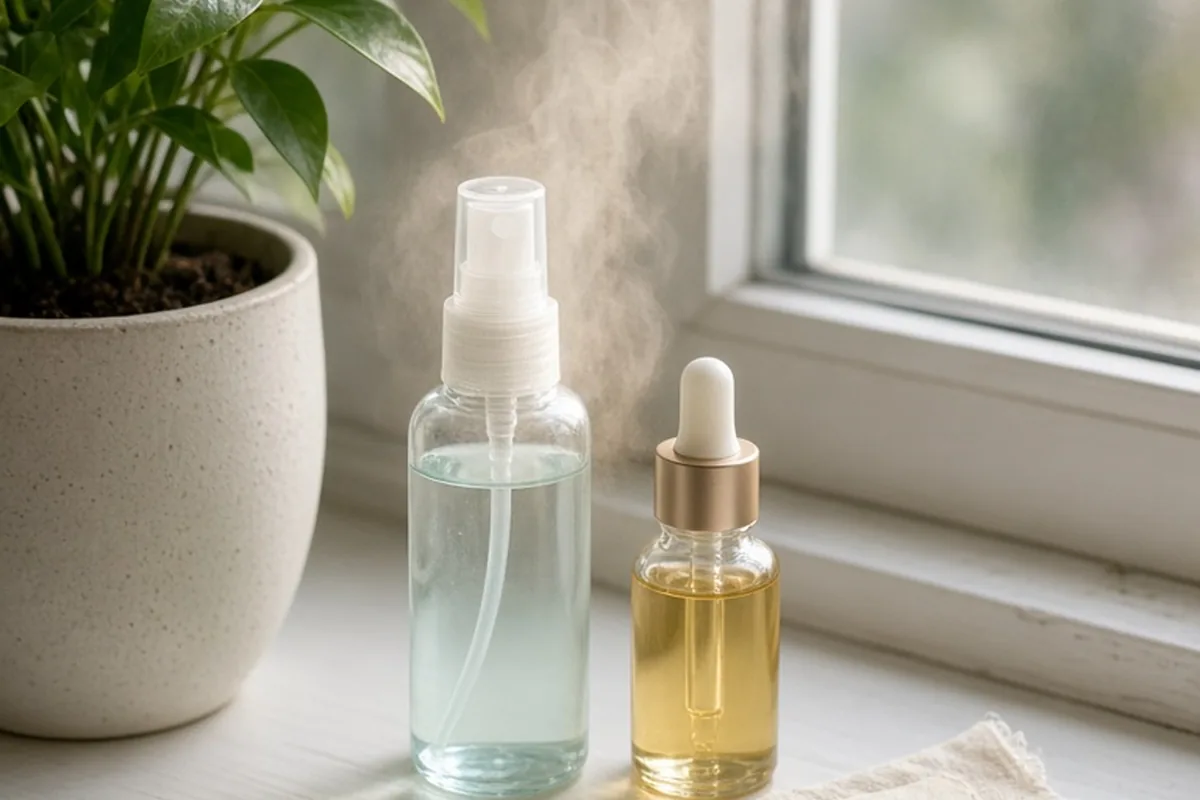
Low porosity hair for women over 40 requires indirect heat, lightweight humectants, and regular clarifying to overcome tightly closed cuticles and slower natural oil production. Because midlife hormonal shifts often reduce sebum while coarsening emerging gray strands, heavy butters typically sit on the surface, causing stiffness. Applying water-based moisture with gentle steam or warm water opens the cuticle, allowing lasting hydration without heavy buildup.
Navigating midlife hair changes often reveals that products that once softened your strands now create dullness, flakes, or greasy residue. When cuticles naturally clamp tight, moisture repels rather than absorbs, requiring a deliberate shift toward lighter formulations and thermal application.
How Hormonal Shifts Change Low Porosity Strands After 40
As estrogen and progesterone levels decline in your forties and beyond, the scalp undergoes measurable physiological adjustments. Sebaceous glands gradually produce less sebum, leaving hair without its habitual lipid conditioning. When combined with a low porosity cuticle structure, where overlapping keratin shingles lie flat and resist fluid penetration, hair can paradoxically experience chronic interior dryness alongside surface film from topical products. This balance becomes trickier because the protective barrier remains structurally stubborn even as overall fiber suppleness drops.
Simultaneously, changing follicular dynamics can alter hair diameter and bend patterns across different zones of your head. You might discover that while your crown maintains low porosity characteristics, the nape or temples display finer, more fragile textures that react poorly to tension or heavy coatings. Understanding that midlife dryness stem from internal cuticle resistance rather than an absolute absence of moisture helps prevent over-compensating with thick, occlusive creams that suffocate mature strands.
Recognizing Low Porosity Characteristics Versus Product Buildup
A common point of confusion is differentiating between inherently low porosity hair and strands weighed down by weeks of accumulated conditioners, silicones, and styling polymers. When hair has low porosity, droplets of water bead up on clean, unconditioned strands for several minutes during a shower before slowly soaking through. Drying times also stretch out significantly, frequently requiring hours for inner layers to release water completely, even when the outer surface feels dry to the touch.
In contrast, artificial product buildup leaves a distinct gummy, coated sensation that persists on wet hair and creates immediate dullness or flaky residue upon drying. If your hair repels moisture immediately after using a clarifying wash, you are dealing with genuine low porosity mechanics. Identifying this difference ensures you do not mistake accumulated butter or oil films for cuticle tightness, allowing you to establish an accurate regimen centered on true absorption.
Designing a Low Porosity Hair Routine for Women Over 40
A successful regimen for low porosity hair after forty relies on strategic pacing rather than daily product additions. Washing every seven to ten days with a gentle, sulfate-free cleanser removes environmental debris without stripping fragile aging lipid barriers, while a dedicated chelating or clarifying wash every three to four weeks clears away mineral deposits from hard tap water. Following cleansing, deep conditioning should occur under controlled warmth so cuticles relax enough to receive replenishing humectants.
Between wash days, daily maintenance should avoid layering multiple heavy creams or gels that attract lint and weigh down reduced density. Instead, utilize warm water mists mixed with vegetable glycerin or aloe vera juice to reactivate existing hydrators without suffocating the scalp. This measured cadence protects the scalp microbiome, keeps the follicular ostia clear to encourage healthy fiber emergence, and avoids creating brittle casts over delicate mature strands.
Hydration Techniques Using Heat, Steam, and Water-Based Formulations
Because tightly bound cuticles naturally block cool liquids, heat serves as the primary functional key to softening mature low porosity fibers. Using warm water during your initial shampoo cycle raises the shingle-like cuticle layers slightly, preparing the cortex for subsequent treatment. When applying conditioners, wearing a reusable thermal heat cap or sitting under a tabletop facial steamer for fifteen to twenty minutes softens the hair shaft, allowing moisture to permeate rather than evaporate from the exterior.
Product chemistry matters just as much as temperature when delivering water to low porosity hair. Formulations listing water, aloe vera, rosewater, or flaxseed extract as the first ingredients travel inward much faster than emulsion bases dominated by petroleum derivatives or thick plant butters. Rinsing thoroughly with lukewarm rather than freezing water maintains adequate fiber softness, preventing the cuticle from snapping shut prematurely before conditioning agents integrate evenly.
Selecting Lightweight Emollients and Avoiding Protein Overload
Mature low porosity strands require sealing agents that lock in water without suffocating the fiber or causing limp flatness. Heavy choices like pure shea butter, castor oil, and unrefined coconut oil frequently congeal at room temperature, creating an impermeable barrier that blocks subsequent moisture from entering. Lighter botanical oils such as argan, grapeseed, jojoba, and sweet almond oil possess smaller molecular profiles that provide slip, seal moisture, and enhance light reflection without dulling aging hair.
Protein balance also demands careful attention, as low porosity hair already maintains a dense, unbroken protein architecture. Adding high concentrations of hydrolyzed keratin, collagen, or wheat protein can turn mature strands rigid, straw-like, and prone to snapping during gentle detangling. Unless your hair has experienced significant chemical processing or thermal heat damage, prioritize emollient-rich moisture formulas and limit concentrated protein treatments to occasional intervals, monitoring your strands closely for any sudden stiffness.
Managing Gray Textures, Scalp Dryness, and Density Shifts
The appearance of gray or silver hair introduces new structural variations to an existing low porosity pattern. When melanin cells cease production within the follicle, the resulting unpigmented strand frequently emerges with a slightly irregular, wiry shape and an even more compact outer cuticle. This can create localized patches across the hairline or crown that feel noticeably coarser and resist wetting far longer than surrounding pigmented sections, requiring targeted fingertip massage with light oils.
At the same time, midlife density changes make scalp health an essential priority within your daily styling practices. Applying heavy stylers directly onto the root zone risks clogging follicle openings, exacerbating age-related thinning or shedding. Keep rich leave-in conditioners at least an inch away from the roots, and support dry scalp areas with lightweight squalane or jojoba drops applied sparingly between wash cycles to comfort tight skin without loading the hair base.
Illustrative Scenarios
Managing Stiff Gray Patches and Product Buildup
Evelyn, age 46, noticed her emerging gray crown felt brittle and wiry despite slathering it with rich curl butter every morning. Instead of softening, her hair grew increasingly dull and took nearly two full days to dry after washes. Suspecting that her tight cuticles were repelling the heavy butter, she washed with a clarifying cleanser to reset her strands and switched to a warm water mist followed by three drops of argan oil under a thermal cap. Within three weeks, the wiry patches became pliable and held hydration without coated residue.
Key point: Thick hair butters often sit on low porosity gray strands; switching to lightweight oils paired with gentle heat restores natural flexibility.
Balancing Thinning Density With Moisture Needs
Monica, age 52, struggled with fine, low porosity waves that collapsed and looked greasy whenever she tried deep conditioning for midlife dryness. Her scalp felt tight, yet her ends remained parched and prone to breakage during combing. She eliminated heavy leave-in conditioners from her root area, incorporated a fifteen-minute steam session using a lightweight aloe-based mask once a week, and applied jojoba oil solely to her ends. Her waves regained bounce while maintaining hydration across the lengths.
Key point: Target moisture toward mid-lengths and ends with lightweight humectants to hydrate low porosity hair without sacrificing root volume.
Frequently asked questions
How often should women over 40 clarify low porosity hair?
Most women over 40 benefit from using a clarifying shampoo every three to four weeks. Because low porosity hair is prone to mineral and cosmetic buildup, this periodic reset clears the cuticle surface so water-based hydrators can penetrate effectively without over-stripping mature, lower-sebum scalps.
Can low porosity hair become high porosity with age?
Porosity can shift over time due to external factors like chemical coloring, frequent heat styling, and environmental weathering. However, natural chronological aging and graying tend to produce tightly packed, coarse cuticles that reinforce low porosity traits unless substantial structural damage has occurred.
Is coconut oil beneficial for mature low porosity hair?
Coconut oil is generally not recommended for low porosity hair because its rich lauric acid content binds tightly to natural proteins, which can cause low porosity fibers to feel brittle and stiff. Lighter alternatives like jojoba, argan, or grapeseed oil provide better conditioning without hardening mature strands.
Your next step
Inspect your current conditioning products today and replace heavy butter bases with a water-first humectant and a lightweight botanical oil to use during your next warm-heat washing session.