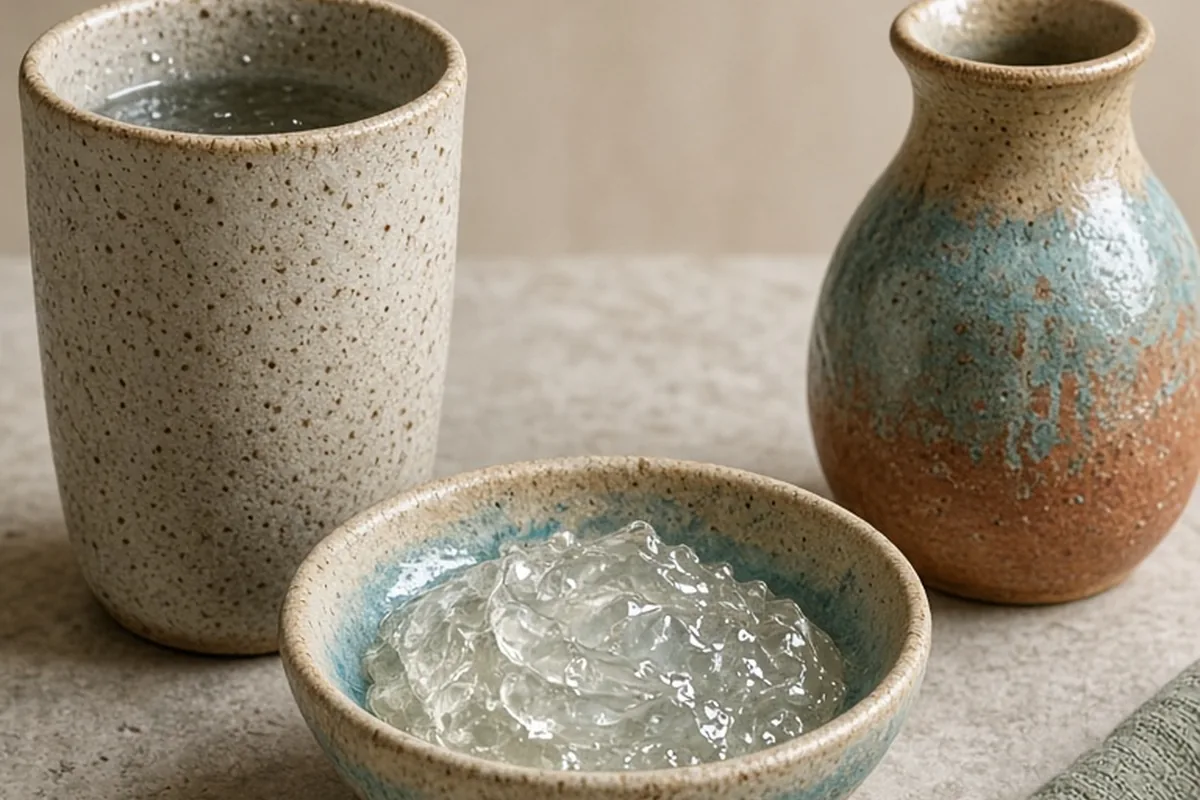
Low porosity hair features flat, tightly bound cuticle scales that resist moisture absorption and cause products to sit on the surface. Effective low porosity hair products rely on lightweight, water-based formulas enriched with penetrating humectants like aloe vera, glycerin, and agave nectar, combined with fast-absorbing oils such as jojoba, argan, or grapeseed. Applying these products alongside indirect warmth or warm water gently lifts the cuticle layer, allowing hydration to enter the hair shaft instead of coating it.
Managing low porosity hair often feels like an uphill battle against products that simply refuse to absorb. Water may roll off your strands in tiny beads in the shower, conditioners can leave behind a slick coating that dries into dull residue, and styling creams frequently cause stiff buildup within days of washing. Understanding the mechanical behavior of your hair cuticle changes how you evaluate ingredient labels, select cleansers, and layer moisture.
Cuticle Architecture and Why Heavy Products Fail
The outer layer of each hair strand, known as the cuticle, consists of overlapping keratinized scales structured much like shingles on a roof. In low porosity hair, these scales lie exceptionally flat, compact, and seamless. This tight alignment creates a resilient, natural barrier that protects the internal cortex from environmental friction and mechanical damage. However, that same defensive barrier makes it difficult for ambient water molecules and conditioning agents to penetrate the interior cortex where true hydration takes place.
When you apply dense, occlusive formulations to tightly shut cuticles, the ingredients cannot pass through the microscopic gaps between scales. Heavy vegetable butters, thick mineral oils, and unrefined waxes remain stranded on the exterior surface. Over several days, these surface-bound coatings attract environmental dust and trap old sebum, resulting in a greasy cast, chronic dryness underneath, and an unyielding brittleness that resists restyling.
Low Porosity Hair Products: Ingredients That Actually Absorb
Formulations suited for low porosity textures prioritize low molecular weight ingredients that can either slip past the tightly laid cuticles or draw ambient moisture into the outer fibers without forming a suffocating film. Humectants are foundational to this process. Ingredients like pure aloe vera juice, vegetable glycerin, propanediol, panthenol, and agave nectar act as moisture magnets. Because these substances are water-soluble, they deliver pliable moisture without leaving a waxy barrier that requires aggressive scouring to remove on wash day.
When choosing lipid agents or emollient sealants, the viscosity and fatty acid profile matter considerably. Heavy lipid profiles like raw shea butter, castor oil, and cocoa butter contain long-chain saturated fatty acids that solidify into dense barriers. In contrast, lightweight carrier oils such as grapeseed, sweet almond, jojoba, and argan oil feature higher concentrations of polyunsaturated or monounsaturated fatty acids that spread into an ultra-thin veil. These lighter oils soften the hair strand, reduce friction, and seal in underlying water without weighing down fine or densely packed coils.
Cleansers and Clarifiers to Prevent Product Accumulation
Because products readily accumulate on the surface of low porosity hair, a gentle co-wash or conditioning cleanser is rarely sufficient as a primary cleansing step. When residue forms across the cuticle, fresh moisture cannot penetrate, accelerating chronic dehydration. Integrating a clarifying shampoo into your schedule resets the strand environment by dissolving mineral scale, styling polymers, and accumulated emollients.
Select cleansers based on the nature of your routine and local water quality. If you live in an area with hard municipal water, a chelating shampoo formulated with disodium or tetrasodium EDTA strips away invisible calcium and magnesium deposits that bind to tight cuticles. For routine cleansing, look for sulfate-free shampoos utilizing amphoteric surfactants such as cocamidopropyl betaine or sodium lauroyl sarcosinate. These surfactants clean thoroughly without stripping natural lipid lipids or causing the cuticle edges to lift aggressively.
Conditioners, Heat Application, and Managing Protein Sensitivity
Rinsing out conditioner with cold water is a frequent recommendation in general hair care, but it works against low porosity hair. Because the cuticle scales are already tightly closed, low temperatures keep them locked, preventing conditioning agents from penetrating. To encourage absorption, introduce moderate warmth during the conditioning phase. Applying a deep conditioning mask under a thermal heat cap, a warm processing bonnet, or inside a steamy shower expands the cuticle scales slightly, allowing water-soluble conditioners to reach the cortex.
Protein balance requires close attention in low porosity regimens. Many commercial repair masks rely heavily on large-molecule proteins, including hydrolyzed wheat protein, collagen, and keratin, to patch damaged cuticle gaps. Because low porosity hair generally possesses an intact, undamaged cuticle foundation, these large proteins often cannot penetrate and instead harden on the exterior surface. This accumulation can make hair feel straw-like, brittle, and prone to snapping. Prioritize moisture-dominant masks that highlight botanical extracts, fatty alcohols like cetyl and stearyl alcohol, and small-chain amino acids if strengthening is required.
Leave-Ins, Gels, and the Liquid-Conditioner-Oil Layering Method
The sequence in which you layer post-wash products determines whether your styling products hydrate or pill into visible residue. The traditional Liquid-Oil-Cream (LOC) routine frequently overwhelms low porosity textures because placing an oil layer directly over wet hair creates a barrier that prevents the heavier cream from interacting with the strand. A Liquid-Cream-Oil (LCO) or Liquid-Leave-in-Gel sequence generally produces cleaner, longer-lasting results.
Begin with water or an aloe-based liquid leave-in conditioner as your primary foundation. Work the product through thoroughly damp or wet hair until the strands feel slick and slippery. Next, apply a lightweight moisturizing milk or lotion to provide emollience. If you need curl definition or hold, finish with a water-based botanical gel containing flaxseed, marshmallow root, or pectin rather than synthetic carbomer-dense hold gels. If an oil is desired for sheen and sealing, press a few drops of argan or jojoba oil over dry or mostly dry curls as the final touch.
Water Temperature and Application Mechanics on Wash Day
The physical mechanics of applying your products are just as influential as the chemical formulations you purchase. Because low porosity hair repels water, simply passing your head beneath a showerhead for a few seconds leaves internal sections completely dry. Use warm to comfortably hot water at the start of your wash cycle to encourage cuticle relaxation, and spend several minutes actively working the water through your hair with your hands before applying shampoo.
When applying styling products, smooth them down the strand in small, distinct sections rather than raking large handfuls over your crown. Techniques like squish-to-condense or praying-hands application force aqueous formulations between the cuticle layers. Keep a spray bottle filled with warm distilled water nearby; if a section begins to dry before you finish distributing the product, re-saturating the hair prevents the styler from drying into white, tacky clumps on the cuticle surface.
Resolving Flash Drying, White Flakes, and Mid-Week Stiffness
Two frustrating phenomena common to low porosity hair are flash drying and product pilling. Flash drying occurs when hair feels instantly stiff, rough, and dry the moment a product touches it. This reaction typically happens when a product contains an unfavorable ratio of drying polyquaterniums, humectants used in very dry climates, or incompatible surface proteins. If flash drying occurs, immediately rinse the hair with warm water and clarify to prevent mechanical breakage during detangling.
White flaking and mid-week stiffness, on the other hand, signal that two or more of your leave-in stylers are chemically incompatible or that your hair has reached its saturation ceiling. You can verify product compatibility before washing by blending a dime-sized amount of your leave-in conditioner and styling gel in the palm of your hand. If the mixture turns pasty, cloudy, or curdles into white grains within thirty seconds, those products will react similarly on your hair shaft and should not be paired together.
Frequently asked questions
Can low porosity hair become high porosity over time?
Yes, cuticle porosity can shift through external factors like chemical relaxers, hair dyes, frequent heat styling, and aggressive mechanical brushing. These processes chip away at the protective cuticle scales, causing previously tight hair to become more porous, moisture-absorbing, and prone to rapid moisture loss.
How often should low porosity hair be clarified?
Most low porosity routines benefit from clarifying every two to four weeks, depending on the number of styling products used. If your strands begin to feel waxy, dull, or take an unusually long time to become wet in the shower, clarify immediately to reset your hair foundation.
Is coconut oil suitable for low porosity hair?
Coconut oil is rich in lauric acid, which penetrates the hair structure and binds strongly to internal proteins. In low porosity hair with an intact protein matrix, coconut oil often causes strands to feel brittle, stiff, and rough, making lighter surface oils like jojoba or sweet almond safer alternatives.
Your next step
Test your current leave-in conditioner and styling gel together on the back of your hand to confirm they blend smoothly without pilling, then apply your chosen lightweight products to freshly clarified, soaking wet hair using warm water.