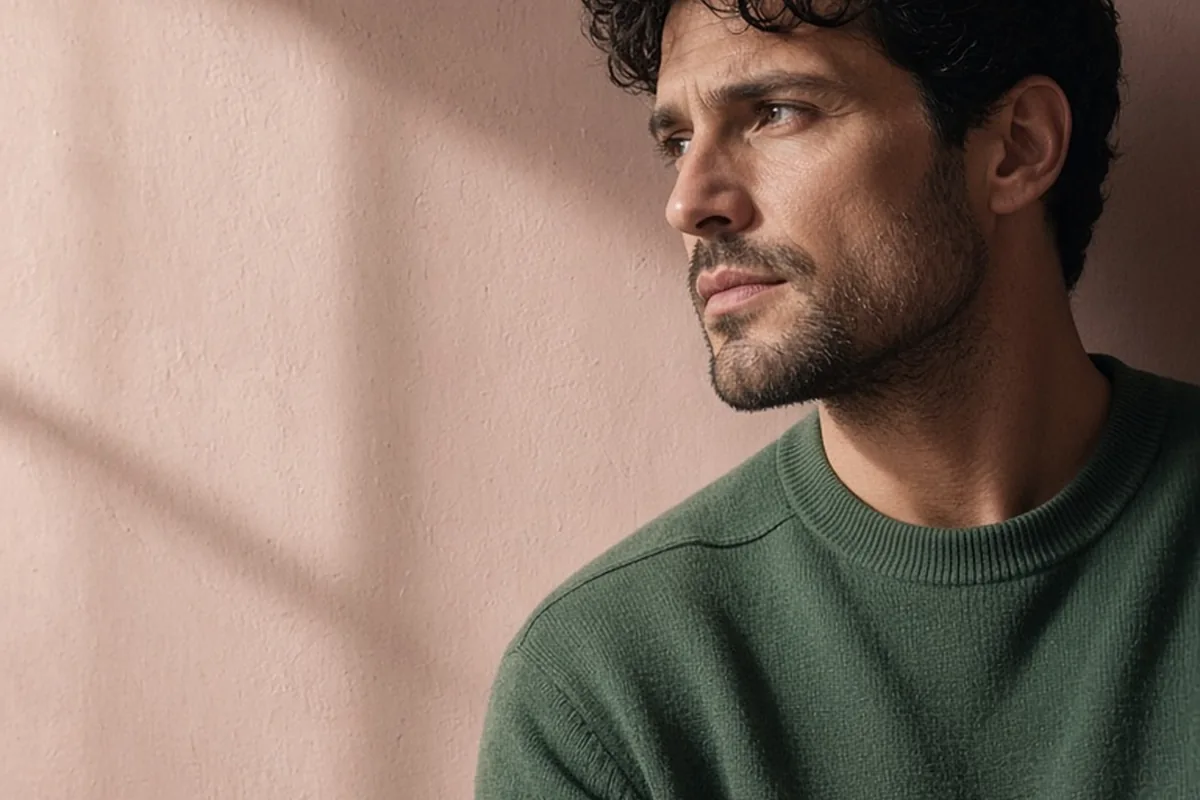
Macho men traditionally embody traits like unyielding stoicism, physical toughness, and assertive dominance, but modern relationships require psychological flexibility and emotional presence. While protective instincts and decisive confidence remain valued, rigid bravado often creates emotional distance and conflict. True strength in contemporary partnerships involves balancing personal confidence with vulnerability, active listening, domestic shared responsibility, and mutual respect.
Cultural ideals surrounding manhood have shifted dramatically over recent decades, leaving many people navigating conflicting messages about strength, authority, and emotional expression in romantic life.
The Evolution of Macho Behavior from Posture to Partnership
For generations, traditional masculinity was framed around a specific template: the stoic protector and undisputed head of household who maintained absolute emotional composure at all costs. This archetype, often distilled into the concept of the macho persona, rewarded men for suppressing fear, pain, uncertainty, and softness in favor of unwavering self-reliance and control. In historical contexts where physical defense or strict economic division of labor dictated survival, these attributes served clear social functions. However, when these behaviors are brought unmodified into modern relationships, they often conflict with the collaborative, emotionally attuned partnerships people seek today.
Modern couples typically thrive on mutual vulnerability, empathetic communication, and shared decision-making rather than rigid hierarchy. When a person relies entirely on performative toughness, romantic interactions become negotiations of power rather than opportunities for genuine connection. Recognizing how cultural conditioning shapes these behaviors allows individuals to separate genuinely admirable traits, such as resilience, accountability, and dependable care, from outdated demands for dominance and emotional detachment.
The Relational Costs of Constant Bravado
Maintaining an impenetrable exterior takes a heavy toll on relationship health over time. When a partner feels compelled to appear invincible, they inevitably hide their genuine fears, professional anxieties, or interpersonal hurts. This defensive posture frequently manifests as stonewalling during disagreements, sudden flashes of irritability, or an inability to apologize when mistakes occur. Rather than projecting confidence, persistent bravado often signals deep-seated insecurity, leaving the other partner feeling isolated, unheard, and responsible for carrying the emotional weight of the entire relationship.
Consider a scenario where a couple faces financial strain or a major life transition. A partner operating under rigid macho expectations might refuse to discuss their worries, dismiss practical suggestions from their significant other, or insist on solving the crisis in isolation to preserve an image of total competence. The cost is a profound breakdown in trust; the other person is shut out from authentic intimacy and forced to manage the unspoken tension in the home. Over months or years, this dynamic breeds resentment and emotional fatigue.
Distinguishing Grounded Confidence from Performative Toughness
True confidence is calm, steady, and internally anchored, whereas performative toughness relies on constant external validation and comparative superiority. A grounded individual does not feel threatened when their partner expresses an independent opinion, succeeds professionally, or offers constructive feedback. They recognize that another person's strength does not diminish their own, allowing them to celebrate their partner's achievements without feeling emasculated or sidelined. This internal security creates a stable foundation where both people can thrive without competing for dominance.
In contrast, performative bravado is inherently fragile. It requires constant reinforcement through displays of physical swagger, stubbornness, or territorial behavior in social settings. For instance, an insecure person might feel compelled to challenge friends, belittle service staff, or dismiss their partner's feelings in public to assert control. Learning to spot the difference between quiet self-assurance and defensive posturing helps individuals build healthier dating standards and allows men to cultivate authentic self-esteem that does not depend on diminishing others.
Navigating Vulnerability Without Losing Self-Respect
A common fear among men trying to step away from traditional macho expectations is that opening up will be viewed as weakness or lead to a loss of attraction. This apprehension is often reinforced by past experiences where sharing an insecurity was met with judgment, awkwardness, or weaponization during a later argument. Consequently, many men decide that keeping emotional barriers permanently raised is the safer path for self-preservation.
The key to healthy emotional expression lies in distinguishing productive vulnerability from unfiltered emotional dumping. Productive vulnerability means clearly naming an emotion and taking ownership of it, such as saying, 'I am feeling overwhelmed by this work situation and could use some quiet time before we talk,' rather than acting out through passive-aggressive silence or angry outbursts. Expressing genuine feelings with clarity and composure demonstrates profound courage and self-awareness, strengthening attraction and deepening mutual trust rather than compromising personal dignity.
Shared Labor and Mutual Respect in the Modern Home
Domestic life is often where outdated macho beliefs clash most visibly with modern reality. In dual-income households, clinging to traditional notions that household chores, childcare management, and emotional labor are exclusively feminine responsibilities creates immediate imbalance and friction. True partnership requires viewing domestic responsibilities as shared logistical tasks essential for a thriving life together, rather than favors performed for a partner.
When both individuals actively manage their shared living space, meal planning, and schedule coordination without needing reminders or supervision, mutual respect increases significantly. A confident partner takes pride in being competent across all facets of daily living, whether managing finances, caring for children, cooking meals, or keeping the home organized. Dismantling rigid domestic roles frees both partners from unnecessary resentment and fosters an egalitarian team dynamic where neither person feels exploited or overburdened.
How to Communicate with a Partner Trapped in Rigid Masculine Roles
If you are dating or married to someone who struggles with emotional openness or falls back on defensive macho habits, addressing the behavior directly without triggering defensiveness requires thoughtful communication. Shaming a partner or mocking their stoicism typically causes them to retreat further into protective silence or double down on aggression. Meaningful progress occurs when you invite connection while establishing clear, consistent boundaries around disrespectful behavior.
Focus on expressing your own needs and highlighting the positive value of collaboration rather than critiquing their character. Using neutral, non-accusatory language allows your partner to lower their guard without feeling humiliated. For example, framing a conversation around how much closer you feel when they share their honest thoughts invites them to view vulnerability as a relationship asset rather than a personal risk.
- Acknowledge their contributions and practical support before raising sensitive emotional topics.
- Frame requests in terms of emotional closeness and teamwork rather than pointing out character flaws.
- Give them time and conversational space to process feelings without demanding immediate, articulate responses.
- Set firm boundaries against stonewalling, aggressive tones, or dismissive remarks during conflicts.
Illustrative Scenarios
Navigating Professional Pressure Without Withdrawal
After experiencing an unexpected setback at work, Julian stopped communicating with his partner, Elena. He spent evenings staring at his phone, gave short one-word answers, and insisted everything was fine whenever she asked what was wrong. Julian believed that admitting his professional anxiety would make him look weak and incompetent as a provider. Elena felt shut out and assumed his coldness meant he was unhappy with their relationship. During a calm weekend walk, Julian decided to take a small risk by simply stating, 'I am really stressed about my job security and I feel embarrassed talking about it.' Elena responded with support rather than judgment, relieving the household tension.
Key point: Sharing stress directly prevents misunderstandings and invites supportive teamwork without diminishing personal capability.
Redefining Domestic Teamwork and Equality
When Maya and Tariq moved into their first home, old expectations surfaced quickly. Tariq focused exclusively on heavy yard work and car maintenance, leaving daily cleaning, grocery planning, and cooking to Maya, despite both working full-time. When Maya brought up her exhaustion, Tariq felt criticized, viewing his role as the traditional protector who handled outside labor. Realizing that the uneven workload was damaging their romance, they sat down with a shared digital board to map out all recurring domestic tasks. Tariq took ownership of specific daily routines, recognizing that real partnership requires active day-to-day engagement rather than symbolic traditional roles.
Key point: Equitable collaboration in everyday responsibilities builds genuine trust and eliminates lingering domestic resentment.
Frequently asked questions
Does moving away from macho behavior mean abandoning masculine traits entirely?
No, letting go of rigid bravado does not mean discarding healthy masculine qualities like resilience, protective care, or decisive focus. Instead, it expands a person's toolkit to include empathy, emotional awareness, and collaborative problem-solving, making those traditional strengths far more effective in relationships.
How can someone help their partner open up emotionally without causing conflict?
Create a calm, low-pressure environment by expressing curiosity rather than frustration. Praise their willingness to communicate when they do share, and avoid interrupting or offering immediate unsolicited advice so they feel safe expressing complex thoughts.
What are early signs in dating that a person uses bravado to mask insecurity?
Common warning signs include an inability to admit even minor mistakes, constant competitive behavior with peers, treating service workers dismissively, and reacting with sudden anger or cold withdrawal whenever their opinions are politely questioned.
Your next step
Choose one specific area this week—whether sharing a genuine concern or taking on a shared domestic task—to practice grounded, honest teamwork instead of retreating into self-reliant silence.