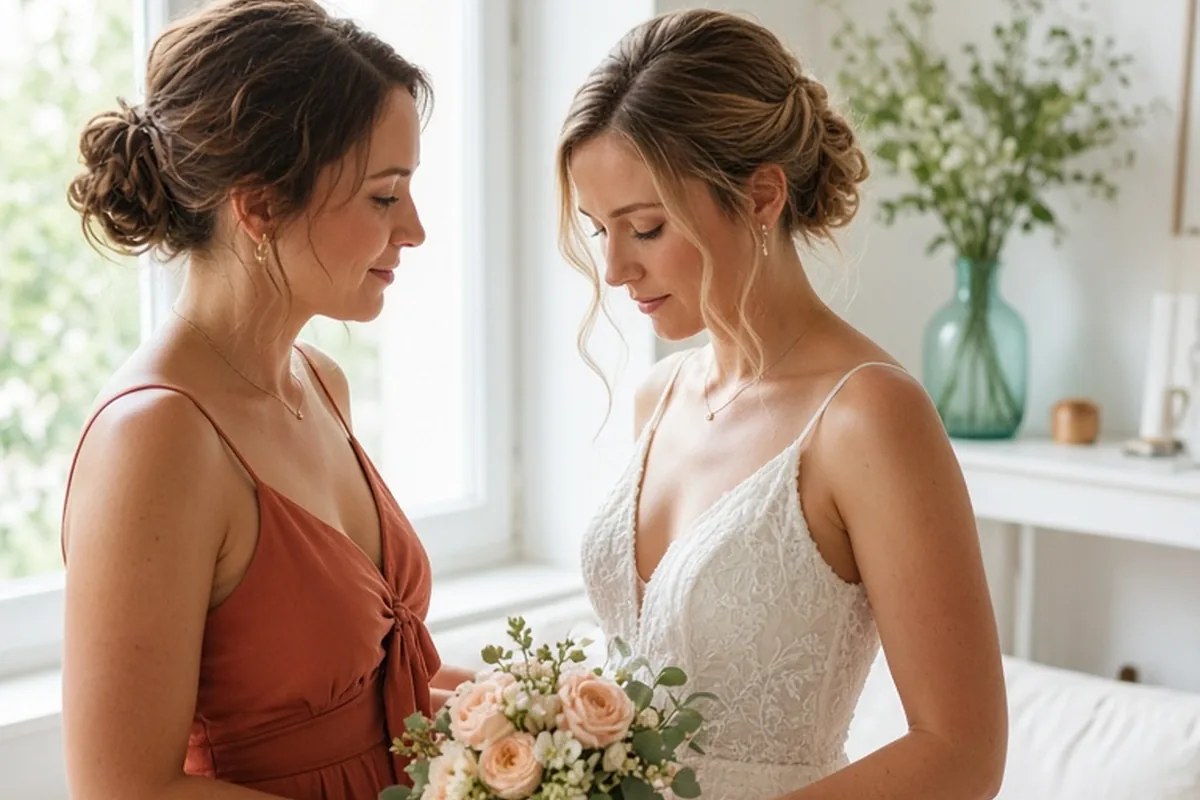
Maid of honor duties encompass emotional support, logistical coordination, and event hosting before, during, and after the wedding. Key responsibilities include leading the bridal party, planning the bachelorette party and bridal shower, assisting with attire selection, holding the bouquet and rings during the ceremony, giving a reception toast, and managing day-of emergencies to ensure the bride enjoys a seamless celebration.
Being chosen as the maid of honor is both a meaningful tribute to your friendship and an active role that requires organization, diplomacy, and practical support throughout the wedding journey.
Pre-Wedding Planning and Emotional Support
The maid of honor serves as the bride's primary confidante and sounding board long before the wedding day arrives. From the moment the engagement is announced, planning involves dozens of decisions that can easily become overwhelming for the couple. As maid of honor, your role is not to replace a professional planner, but to offer steady companionship and objective feedback. You might accompany the bride to bridal salons, attend gown fittings to learn how the dress fastens, or help curate mood boards for decor and floral arrangements. Keeping an organized record of dress details, color swatches, and vendor contacts allows you to answer quick questions from the wedding party without constantly pulling the bride away from her daily routines.
Equally important is providing emotional grounding during moments of decision fatigue or interpersonal stress. Family expectations, guest list limits, and budget constraints frequently create pressure points during the planning months. Checking in with intentional conversations that have nothing to do with the wedding helps the bride maintain perspective and balance. When planning discussions do happen, offering practical help—such as creating a shared digital checklist, researching reputable local vendors, or organizing address spreadsheets—turns abstract stress into manageable tasks. However, it is essential to remember that your suggestions are advisory; the final choices always belong to the couple, and your support should reinforce their vision rather than your personal taste.
Leading the Bridal Party and Group Communication
A central responsibility of the maid of honor is acting as the primary liaison between the bride and the bridesmaids. Clear, centralized communication prevents confusion about schedules, attire requirements, and travel logistics. Early in the process, setting up a dedicated communication channel—such as an email thread, group messaging app, or shared document—ensures that everyone receives consistent updates without cluttering the bride's inbox. You will share deadlines for ordering dresses, coordinate alteration timelines, and ensure every attendant knows when and where they need to be for various pre-wedding milestones.
Managing a group with varying personalities, budgets, and schedules requires patience and proactive leadership. When communicating attire guidelines or event details, clearly state expectations while remaining approachable to individual concerns. For example, if a bridesmaid has questions about dress styles or budget constraints, handling those conversations privately allows you to find workable solutions without causing group friction. Fostering a collaborative and encouraging environment keeps the entire bridal party focused on supporting the bride, ensuring everyone arrives at the wedding weekend prepared, unified, and enthusiastic.
Organizing the Bridal Shower and Bachelorette Party
Planning the bridal shower and bachelorette party represents one of the most visible pre-wedding duties for a maid of honor. The first step in organizing either event is consulting the bride to understand her general vision, guest list preferences, and comfort boundaries. Some brides prefer a relaxing weekend at a quiet cabin, while others envision a high-energy city getaway; some want an intimate family brunch, while others enjoy interactive group activities. Once the general direction is clear, collaborate with the bridesmaids and any family co-hosts to distribute responsibilities such as booking reservations, arranging decor, planning games, and organizing favors.
Financial transparency is crucial when planning these milestone celebrations. Before committing to bookings, accommodations, or group dining, discreetly survey the bridal party to determine realistic individual budget ranges. Structuring the itinerary with a blend of prepaid group activities and flexible downtime prevents financial strain and allows everyone to participate comfortably. As the host, you will track RSVPs, manage the shared payment collection, and coordinate the day-of timeline. On the day of each event, your focus should be on facilitating the flow of activities, taking photos, keeping track of gifts for thank-you notes, and ensuring the bride feels relaxed and celebrated.
Wedding Rehearsal and Morning-of Preparations
As the wedding weekend begins, the maid of honor helps set an organized and calm tone. During the ceremony rehearsal, pay close attention to the officiant's directions regarding pacing, spacing at the altar, and the timing of your specific cues. You will also help ensure that the bridal party knows where to stand, how to hold their bouquets evenly, and when to recess. If a rehearsal dinner follows, you may be invited to deliver a brief welcome or simply assist the hosts in keeping the gathering running smoothly so everyone gets adequate rest before the big day.
On the morning of the wedding, your main priority is maintaining a peaceful, positive environment in the bridal suite. You can facilitate this by managing the hair and makeup schedule, ensuring the bridal party has food and water, playing curated music, and keeping the space tidy for getting-ready photographs. Assembling a comprehensive bridal emergency kit is one of the most valuable practical tasks you can handle. A well-stocked kit should include essential items such as safety pins, clear fashion tape, stain-remover wipes, blister bandages, hairpins, travel sewing supplies, breath mints, and pain relievers to resolve minor surprises swiftly without alarming the bride.
Key Ceremony Roles and Stage Management
During the ceremony, the maid of honor plays a vital, visible role in ensuring the proceedings look and feel effortless. Before the processional begins, do a final check of the bride's attire, adjusting the veil, smoothing the train, and confirming that the boutonnieres and corsages are properly pinned. As the last attendant to walk down the aisle before the bride or flower attendants, your entrance sets the stage for the bridal entrance. Once at the altar, stand in your designated spot and remain attentive throughout the ceremony.
As the bride arrives at the altar, step forward smoothly to take her bouquet and arrange her gown's train so it lays flat and photograph-ready. You will hold her bouquet alongside your own for the duration of the vows and ring exchange. If the couple is exchanging rings, you may be entrusted with holding the partner's wedding band until the officiant asks for it. You should also keep a clean tissue tucked into your palm or pocket in case the bride needs one. Following the ceremony, you will sign the marriage license as an official legal witness alongside the best man, solidifying the formal union before heading to portraits.
Reception Flow, Bustling, and the Maid of Honor Toast
Once the ceremony concludes and formal photographs are complete, the maid of honor assists with the transition to the reception. One immediate technical task is bustling the wedding gown so the bride can walk, mingle, and dance without tripping on her train. Because wedding dress bustles can be intricate with multiple hooks or ties, practicing this during final dress fittings ensures you can complete it quickly on the wedding day. Throughout the cocktail hour and dinner, assist in coordinating with the venue coordinator or catering staff to ensure the couple receives drinks and a chance to eat undisturbed.
The maid of honor toast is one of the centerpiece moments of the reception. A well-crafted speech typically lasts between two and four minutes and strikes a balance between warmth, humor, and sincerity. Focus on sharing a brief, engaging story that highlights the bride's character, celebrate how the couple complements each other, and conclude with a warm toast to their future. Avoid embarrassing inside jokes, references to past relationships, or overly lengthy monologues. Delivering a speech that honors both partners creates a memorable and uplifting moment for the couple and their guests.
Post-Reception Wrap-Up and Day-After Responsibilities
As the reception draws to a close, the maid of honor provides vital logistical support to ensure nothing valuable is overlooked. While the couple participates in their final send-off or farewell dance, work with designated family members to collect essential items. This includes gathering the guest book, wedding cards, monetary gifts, cake-cutting sets, custom signage, and any sentimental heirlooms used during the day. Ensure these items are securely transferred to a pre-arranged vehicle or locked hotel room according to the couple's instructions.
In the days immediately following the wedding, minor post-event tasks may still require attention, especially if the newlyweds depart promptly for their honeymoon. You might assist by returning rented attire or decor items, dropping the bridal gown off at a professional dry cleaner or preservation specialist, or checking the bridal suite for misplaced personal belongings. Following up with a warm, supportive message to check in on the couple once the festivities settle down brings the experience to a thoughtful and complete close.
Frequently asked questions
What expenses is the maid of honor typically expected to pay for?
The maid of honor generally pays for her own bridesmaid attire, alterations, shoes, and personal travel or lodging for the wedding. She also contributes to or co-hosts the bridal shower and bachelorette party expenses, while the couple or their families typically cover the rehearsal dinner, bouquets, and wedding-day meals.
How long should the maid of honor speech be?
An ideal maid of honor speech lasts between two and four minutes, which corresponds to roughly 350 to 500 spoken words. This timeframe is long enough to share a heartfelt story and celebrate the couple without slowing down the reception program.
How should a maid of honor handle disagreements within the bridal party?
Address disagreements privately and directly with the individuals involved rather than debating in group chats. Focus discussions on practical solutions and shared goals, keeping the bride insulated from minor disputes so her planning experience remains calm.
Your next step
Schedule an initial planning conversation with the bride to review her priorities, clarify timeline expectations, and establish your main areas of support for the wedding journey.