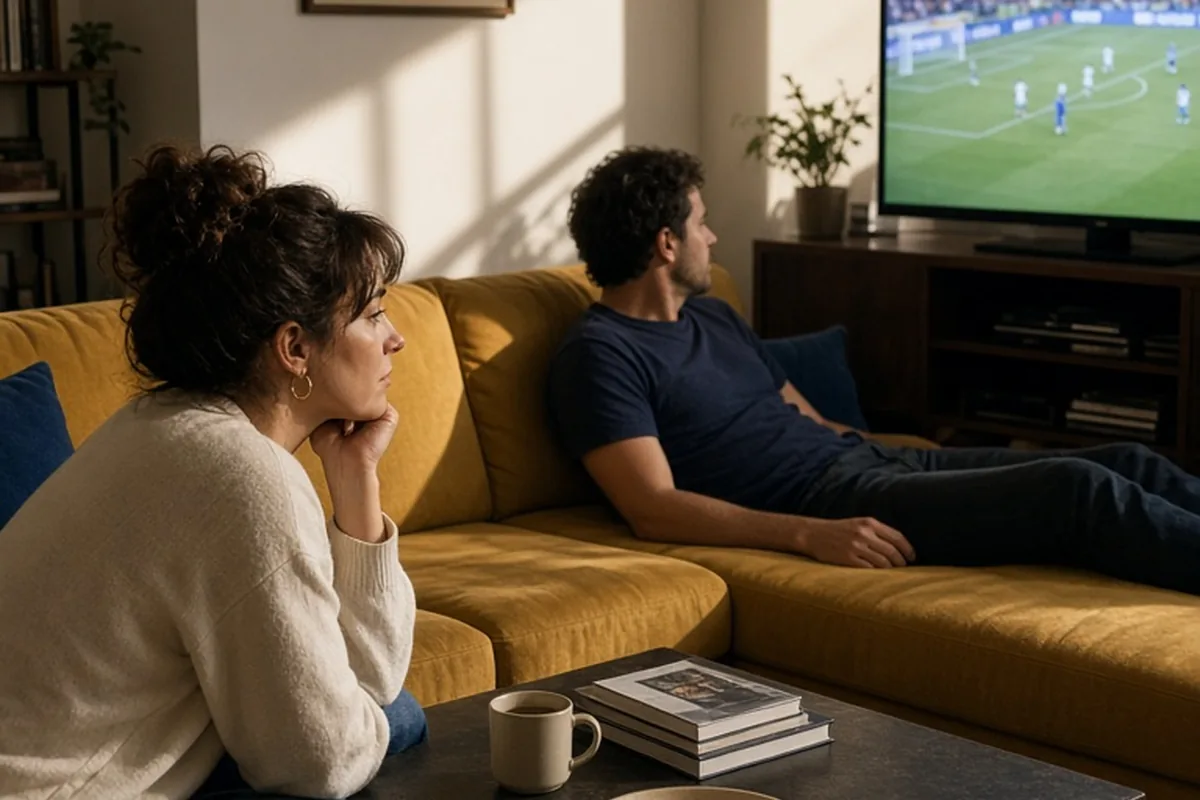
When a man spends excessive time watching TV, it often signals mental exhaustion, stress decompression, habitual boredom, or emotional avoidance rather than an intentional lack of affection. Address this pattern by initiating low-pressure conversations away from the screen, setting clear agreements around household responsibilities, and introducing engaging off-screen activities together. Focus on inviting connection and establishing sustainable balance rather than criticizing his downtime.
Living with a partner who regularly retreats into the glow of a television screen can leave you feeling isolated, unappreciated, and emotionally disconnected in your own home. While media consumption provides a simple way to unwind after demanding days, habitual disengagement often strains relationship intimacy and creates an unspoken divide between partners.
Understanding Why Partners Retreat into the Television Screen
Television offers an immediate, low-effort escape from the cognitive demands of work, financial pressures, and daily decision-making. When someone spends hours staring at a screen, it is frequently a coping mechanism for mental exhaustion rather than a conscious choice to ignore their partner. The passive nature of watching television allows the brain to downshift into a state of low stimulation, providing relief for an overwhelmed nervous system that lacks the energy for active conversation or social engagement.
In some cases, excessive television watching serves as an emotional buffer against unresolved stress or relational tension. Engaging in a meaningful dialogue requires vulnerability, active listening, and emotional labor, which can feel daunting when a person is already depleted. By immersing themselves in a sports match, movie marathon, or streaming series, individuals create a predictable, low-stakes environment where nothing is demanded of them, unintentionally leaving their partner feeling shut out.
The Difference Between Restorative Downtime and Avoidance
Distinguishing between healthy relaxation and chronic emotional avoidance is essential for addressing media habits effectively. Restorative downtime is intentional, time-bound, and leaves an individual feeling refreshed and ready to re-engage with their household and relationship. A partner engaging in healthy relaxation might watch a specific game or a single episode of a favorite show, after which they are naturally open to conversation, shared meals, or helping around the home.
Avoidance, on the other hand, is characterized by continuous consumption that displaces daily responsibilities, mutual communication, and shared physical presence. When screen use consistently takes priority over basic household collaboration, intimacy, or quality time, it shifts from self-care to a barrier. Noticing whether your partner uses television as a brief bridge between work and home life or as a fortress against engagement helps clarify the type of conversation you need to have.
How to Discuss Screen Habits Without Triggering Defensiveness
The timing and framing of your conversation play a significant role in how your message is received. Attempting to address television habits while your partner is actively watching a show or right when they sit down to unwind almost always triggers irritation and defensiveness. Instead, choose a neutral, calm moment when the television is off, such as during a weekend morning walk or while preparing a casual meal together.
Frame the issue around your desire for connection rather than criticizing their behavior. Expressing that you miss their company and want to spend meaningful time together invites collaboration, whereas accusing them of being lazy or neglectful leads to immediate withdrawal. For example, saying, 'I miss having time to talk with you in the evenings and would love for us to find a balance between winding down and catching up,' communicates vulnerability and warmth without making the other person feel attacked.
Establishing Mutual Agreements Around Evening Routines and Chores
One of the primary sources of resentment surrounding excessive television watching is the unequal division of evening domestic tasks. When one partner is actively managing dinner, household chores, or childcare while the other rests in front of the screen, it creates an imbalance that breeds frustration. Establishing clear, mutual routines ensures that both partners contribute fairly before either settles in for leisure time.
Work together to define practical boundaries that respect both individuals' need for downtime. You might agree that evening chores and family responsibilities are handled collaboratively first, followed by designated personal time. Alternatively, you might establish screen-free zones during dinner or set aside specific weeknights where the television remains off entirely. Consistency and shared ownership of these agreements prevent either person from feeling micromanaged or overburdened.
Designing Engaging Alternatives to Passive Media Consumption
Simply asking someone to turn off the television often creates an uncomfortable void if no alternative activity is planned. Because television is a default habit born of convenience, breaking the routine requires introducing appealing, low-friction shared experiences that do not require intense cognitive effort. When you propose an alternative, aim for activities that foster togetherness without demanding complex coordination.
Consider low-pressure options such as taking a short evening stroll around the neighborhood, listening to an engaging podcast or audiobook together, playing a casual board game, or preparing a dessert. By introducing activities that are enjoyable and easy to step into, you make connection feel rewarding rather than like an obligation, gradually shifting the household dynamic away from automatic screen reliance.
Turning Shared Viewing into an Opportunity for Connection
Television does not have to be an inherently isolating activity if both partners approach it with intentionality. Rather than sitting in parallel silence with each person focused on their own screen, you can use shared viewing as a foundation for lighthearted interaction and shared interests. Selecting a show that both of you genuinely look forward to transforms media time into a mutual ritual.
To make screen time more collaborative, discuss plot developments, share reactions to characters, or establish a tradition of pausing to chat about your favorite moments. Agreeing on a clear endpoint, such as watching one episode before transitioning to an evening routine, keeps viewing intentional and prevents the passive drift into late-night binge-watching.
Recognizing When Screen Use Points to Deeper Emotional Strain
In certain instances, chronic immersion in television reflects deeper psychological challenges, such as chronic burnout, persistent stress, or symptoms of depression. When an individual lacks the energy to pursue personal hobbies, neglects social ties outside the home, and appears chronically apathetic, excessive screen time may be an attempt to numb difficult emotions or cope with persistent fatigue.
If you suspect underlying distress, approach the situation with empathy rather than frustration. Ask gentle, open-ended questions about how they are coping with work, stress, or life changes, and express your genuine concern for their well-being. If self-directed adjustments do not shift the dynamic, suggesting support from a mental health counselor or couples therapist can provide a safe space to explore the underlying causes of withdrawal.
Frequently asked questions
How can I tell if my partner is watching TV out of habit or avoiding me?
Habitual viewing usually responds well to gentle invitations for alternative activities or short conversations. Avoidance often involves defensive reactions when interrupted, consistently turning on the screen to shut down necessary discussions, or using television to evade shared responsibilities.
What should I do if my partner refuses to turn off the television?
Avoid escalating the conflict in the moment by arguing or demanding immediate compliance. Instead, prioritize your own evening with fulfilling independent activities, and revisit the conversation during a calm, neutral moment the following day to discuss how the behavior impacts your connection.
Is it realistic to expect a completely screen-free household in the evenings?
For most couples, an all-or-nothing approach is difficult to sustain and can create unnecessary resistance. A more practical balance involves setting designated screen-free windows, such as during meals or the hour before sleep, while allowing reasonable periods for personal relaxation.
Your next step
Choose a neutral time tomorrow to share how much you value spending quality time together, and propose one specific, screen-free activity or boundary you can try as a team this week.