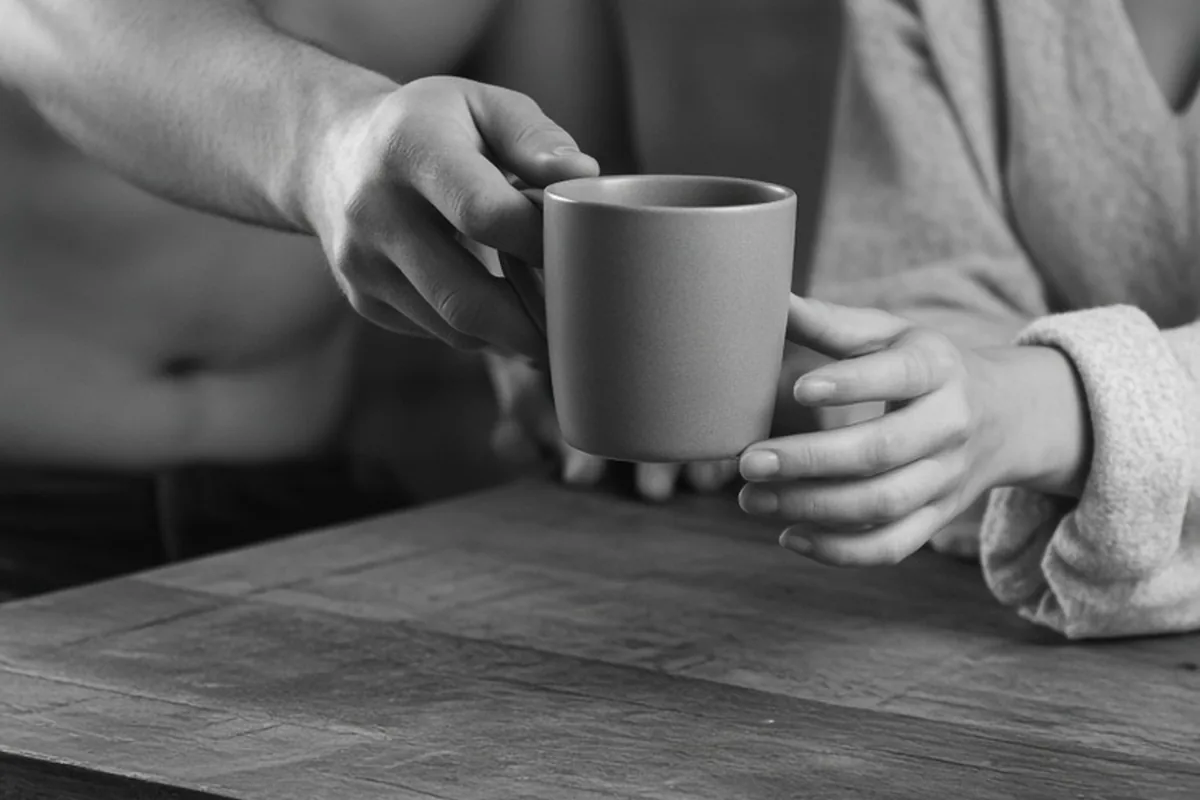
A man frequently being shirtless at home often stems from temperature regulation, physical comfort, or feeling relaxed in his private space. While it can enhance casual intimacy, it can also create tension if it clashes with a partner's preferences, household modesty, or expectations around guests and family. Openly discussing comfort levels, context, and mutual boundaries helps balance personal ease with shared relationship respect.
Domestic life involves constant small negotiations over how we occupy our shared physical environment, including the clothes we wear behind closed doors. When one partner prefers minimal clothing while lounging, resting, or working around the house, it can evoke a wide range of reactions ranging from attraction to mild annoyance or genuine discomfort.
The Practical and Psychological Reasons Behind Domestic Shirtlessness
For many men, shedding a shirt upon arriving home is an immediate physical transition from public vigilance to private ease. Modern work attire often involves restrictive collars, stiff fabrics, or synthetic layers that trap heat throughout the day. Stripping down to the waist serves a direct thermoregulatory purpose, allowing the skin to breathe and cooling the core body temperature quickly. Beyond temperature control, the bare upper body represents an unconstrained state where there are no belts, seams, or buttons creating friction, which can be a significant sensory relief after hours in structured clothing.
Psychologically, domestic unclothedness frequently acts as a boundary marker between professional obligation and personal sanctuary. Being shirtless at home signals that a person feels completely secure in their environment, free from external judgment or corporate dress codes. For instance, someone who spends ten hours in high-pressure client meetings might view removing their shirt as the clearest signal that their workday is finished. However, a potential trade-off arises when one person's symbol of absolute relaxation inadvertently interferes with another household member's visual or cultural expectations of shared domestic order.
How Casual Exposure Influences Intimacy and Daily Attraction
Visible physical form plays an interesting role in romantic relationships, often shifting between everyday familiarity and erotic charge. Seeing a partner with a bare upper body during regular chores, cooking, or lounging can foster casual intimacy and provide spontaneous moments of physical appreciation. Casual skin contact, such as a hand on a bare shoulder or leaning against a bare back while resting on the couch, stimulates closeness without demanding sexual performance, reinforcing everyday warmth between partners.
Conversely, constant undress can occasionally lead to domestic habituation, where visual exposure becomes so routine that it loses any romantic novelty. In some partnerships, if one person views constant unclothedness as unkempt or overly informal during shared activities like dining, it can diminish romantic desire rather than enhance it. For example, a partner might appreciate a bare chest in the bedroom or during a lazy weekend morning, but feel turned off if it is the default attire at the dinner table. Recognizing that physical context changes how domestic nudity is perceived prevents mutual frustration.
Managing Boundaries Around Family, Roommates, and Guests
Shared living arrangements inevitably introduce external social contexts where individual habits intersect with broader household comfort. While an individual may feel completely uninhibited in their own living room, the presence of children, in-laws, roommates, or unexpected delivery workers introduces competing social norms. Modesty standards vary widely across cultural, generational, and familial backgrounds, meaning that what feels harmless and natural to one person may feel inappropriate or awkward to another.
Addressing these situations requires clear situational awareness rather than blanket rules. For example, keeping a light t-shirt or robe near the main living area allows for quick accommodation when guests arrive or when children have friends visiting. The goal is not to police a person's body within their own home, but rather to foster an environment where everyone, including visitors and cohabitants, feels comfortable. The practical limit here is recognizing that shared spaces require compromise, whereas private quarters like personal bedrooms can remain governed by individual preference.
Sensory Sensitivities, Skin Health, and Body Perception
A preference for having a bare upper body is not always purely habitual; it is frequently tied to sensory processing and skin health. Individuals with conditions like contact dermatitis, eczema, heat rash, or heightened tactile sensitivities often experience noticeable discomfort from fabric friction, laundry detergents, or moisture retention. For these individuals, removing a shirt is an effective, non-medical way to alleviate physical irritation and prevent sweat buildup during warmer months or physical household tasks.
Body image and self-perception also play an essential role in how comfortably a man navigates being shirtless. For some, walking around without a shirt is an expression of body acceptance and self-confidence, whereas for others, doing so only in front of a partner represents a deep level of emotional safety and vulnerability. If a partner suddenly comments critically on their habit, it can inadvertently trigger self-consciousness about their physique, posture, or aging. Framing conversations around household etiquette rather than physical appearance ensures personal dignity is preserved.
Communicating Preferences and Discomfort Without Shaming
When one partner is uncomfortable with frequent shirtlessness, addressing the issue constructively requires focus on specific environments rather than character attacks. Direct criticism such as telling someone they look sloppy often creates defensiveness and shuts down productive dialogue. Instead, using neutral, collaborative language helps explain the underlying reason for the preference, whether it relates to household hygiene, temperature differences, or social expectations.
For instance, saying, I find it harder to relax during dinner when we are dressed completely differently; could we wear casual shirts at the table? addresses the specific setting without shaming their body or comfort habits. The key trade-off in these conversations involves balancing one person's right to physical autonomy in their private space with the other person's need for a mutually agreeable living environment. When both people acknowledge that neither preference is inherently wrong, practical solutions become much easier to reach.
Establishing Realistic Household Norms and Seasonal Agreements
Creating sustainable household norms involves establishing practical routines that adjust for seasons, activities, and changing household dynamics. During peak summer heat, lighter clothing or going shirtless indoors might be entirely reasonable, especially in homes without central air conditioning. In contrast, colder seasons naturally encourage more layers, making the habit less prominent. Setting flexible, commonsense guidelines helps avoid rigid rules that create unnecessary domestic tension.
A balanced household agreement might specify designated common areas where casual dress is welcome, alongside agreed-upon exceptions such as formal meals, hosting company, or professional remote video calls. For example, designating the bedroom, back patio, or home gym as fully flexible zones while agreeing on basic coverage in the kitchen or front entryway respects both personal liberty and shared decorum. Regularly checking in on how these habits feel ensures that minor irritations do not build into prolonged domestic resentment.
Frequently asked questions
Is it normal for a man to prefer being shirtless whenever he is at home?
Yes, it is very common and typically reflects a desire for physical relaxation, cooling down, or sensory comfort after wearing restrictive daytime clothing. It is usually an expression of feeling safe and unconstrained in a personal environment rather than a deliberate statement.
How can I ask my partner to put on a shirt around guests without causing an argument?
Frame the request around social etiquette and shared hosting rather than personal criticism. Letting him know in advance when company is expected and agreeing on a simple casual standard makes the transition seamless and respectful.
What if my partner being constantly shirtless diminishes my romantic attraction?
Communicate honestly about how different contexts impact your desire, emphasizing that setting boundaries around shared spaces like the dining table can preserve romantic novelty. Focusing on how intentional presentation enhances attraction helps keep the conversation constructive.
Your next step
Choose a neutral time today to discuss household comfort zones together, agreeing on simple guidelines for shared spaces and guest visits while preserving personal relaxation.