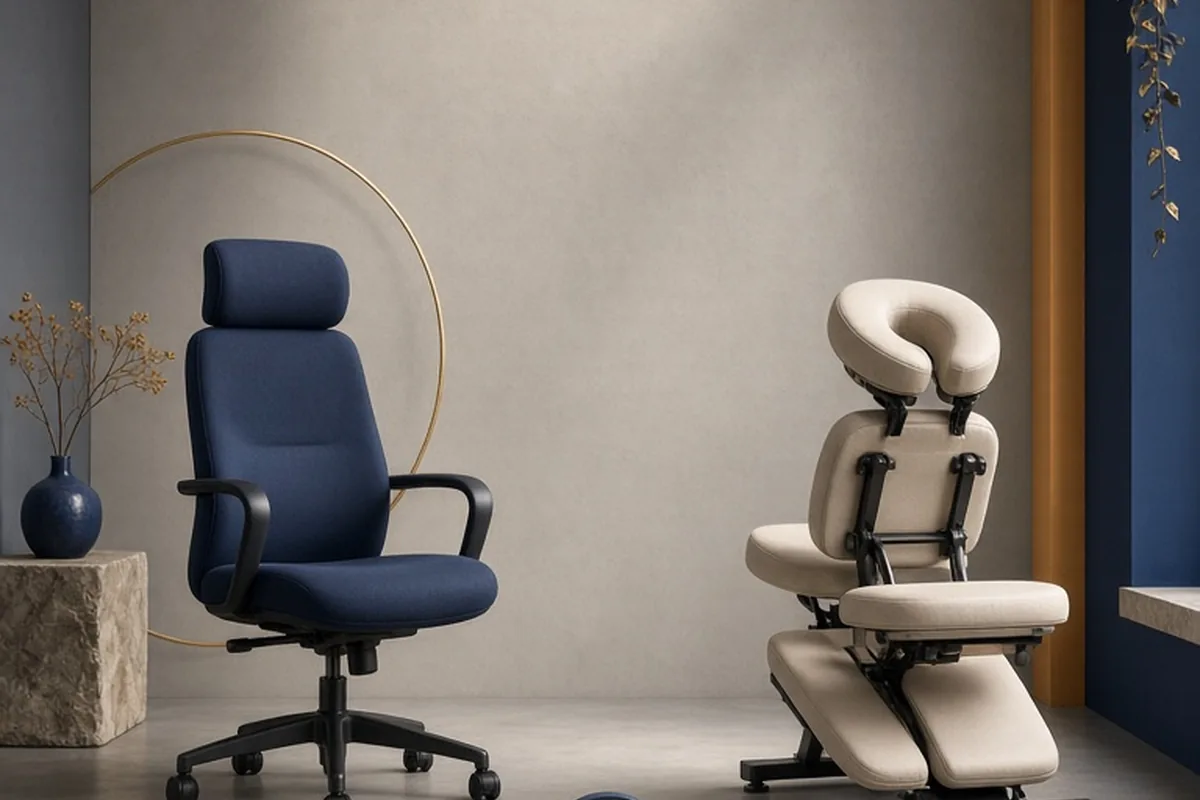
Workplace massage stories capture the shared experiences, awkward moments, and practical benefits employees encounter during corporate wellness events. People share these narratives to understand etiquette, calibrate personal comfort zones, and manage practical concerns like dress codes and scheduling. Approaching office chair massages with clear communication, realistic expectations, and firm personal boundaries ensures the experience remains supportive, professional, and entirely stress-free.
Corporate wellness initiatives frequently introduce seated chair massages to break up sedentary routines and ease physical strain during high-stress business quarters. Hearing firsthand accounts of how colleagues navigate these sessions helps individuals decide whether participating aligns with their personal comfort and daily work schedules.
The Realities Behind Office Wellness Days
Corporate massage sessions typically arrive in office environments as part of broader wellness initiatives, employee appreciation weeks, or seasonal stress-reduction campaigns. Unlike private spa appointments conducted in secluded rooms, corporate massages almost always utilize specialized ergonomic chairs set up in conference rooms, break spaces, or quiet annexes. Employees remain fully clothed while a licensed practitioner targets tension in the neck, upper back, shoulders, arms, and hands. Many stories emerging from these events describe a mix of anticipation and slight hesitation, particularly for staff members who have never received professional bodywork or who feel self-conscious about relaxing in front of coworkers.
Understanding the logistical backdrop of these events clarifies why shared experiences vary so widely. Event planners often book outside vendors for fixed time blocks, allotting anywhere from ten to twenty minutes per employee. This tight schedule means transitions must happen quickly, leaving little room for extended consultations. When workers share their accounts of these days, a recurring theme is the unexpected contrast between rapid-paced corporate deadlines and the slower rhythm of physical relaxation. Recognizing that this environment prioritizes quick, targeted muscle relief helps participants set practical expectations before they even step away from their desks.
While many employees report feeling re-energized, an office setting naturally introduces social variables that do not exist in clinical or retreat spaces. Ambient noises, ringing phones, and colleagues passing nearby can make it difficult for some participants to mentally disconnect. Acknowledging these constraints in advance prevents disappointment and allows individuals to appreciate the brief physical reprieve for what it actually is: a modest, functional pause in an otherwise demanding day.
Handling Social Awkwardness and Self-Consciousness
A substantial share of office massage anecdotes centers on minor social awkwardness, such as worrying about personal scent, clothing rumpling, or accidentally nodding off during a session. Because corporate environments emphasize self-regulation and polished presentation, the vulnerability of leaning into a face cradle can feel unsettling. It is common for professionals to worry about whether they are breathing too heavily, whether their posture seems tense, or how their hair will look when they return to their workstations. Hearing that nearly everyone experiences similar self-doubts can immediately normalize the process and defuse unnecessary anxiety.
To manage these concerns gracefully, seasoned participants recommend taking two minutes of personal preparation before heading into the designated massage area. Brushing your teeth, rinsing your face with cool water, and smoothing your clothing can provide a quick mental reset that bolsters confidence. Furthermore, licensed corporate practitioners work with hundreds of office workers across various industries; they are thoroughly accustomed to sleepy clients, tense neck muscles, and nervous laughter. Recognizing that practitioners operate under strict professional standards can reassure employees that normal bodily reactions are completely mundane.
However, overcoming self-consciousness does not mean ignoring personal boundaries. If an individual feels deeply uncomfortable receiving physical touch in an environment adjacent to supervisors or peers, declining participation is entirely legitimate. An authentic wellness program should never require individuals to perform relaxation in public view if doing so creates genuine distress rather than comfort.
Communicating Pressure and Boundaries in the Chair
One of the most valuable lessons shared across workplace massage experiences is the vital importance of verbal feedback. Corporate chair massages move swiftly, which can occasionally lead employees to remain silent when a therapist uses too much pressure or focuses on an area that feels tender. Many people report leaving a session with increased soreness simply because they felt too polite or intimidated to speak up. In reality, bodywork professionals rely entirely on active verbal feedback to calibrate their technique to individual preferences.
Establishing comfort begins the moment you sit down. Take ten seconds to inform the practitioner of your preferences, mentioning whether you prefer light, moderate, or firm pressure, as well as any areas to avoid entirely, such as a sensitive neck or a past shoulder strain. If at any point during the session the pressure feels too intense, a clear, neutral phrase such as 'Could you ease up on the pressure a bit?' or 'Please skip the lower back' is both standard and helpful. Therapists view direct direction as collaborative rather than critical.
A meaningful trade-off to consider is that chair massages cannot resolve deep, chronic musculoskeletal issues within a ten-to-fifteen-minute window. Pressing through sharp discomfort in the hope that a practitioner can permanently untangle months of poor desk ergonomics often backfires, resulting in bruising or localized inflammation. The primary purpose of an on-site session is temporary circulatory improvement and immediate stress reduction, making gentleness and steady breathing far more beneficial than intense, aggressive manipulation.
Navigating Attire, Scheduling, and Transitioning Back to Work
Practical logistical missteps frequently feature in workplace wellness stories, with inappropriate clothing and poorly planned meetings heading the list. Seated massage requires leaning forward into a chest pad and placing your face into a cushioned ring. Stiff corporate wear, high-necked starched shirts, delicate fabrics prone to deep creasing, or bulky jewelry can make the experience physically uncomfortable and leave garments visibly wrinkled. Similarly, rushing from a massage chair directly into an important client presentation can produce a jarring mental shift.
Planning ahead substantially improves the outcome. Opting for flexible, breathable fabrics on designated wellness days allows the practitioner to work through clothing without pulling or bunching. Leaving necklaces, earrings, and watches at your desk eliminates snagging hazards and saves precious session time. Additionally, reserving a ten-minute buffer after your allotted slot provides a gentle cushion to drink water, adjust your clothing, and mentally transition back to task management before engaging with demanding colleagues or clients.
There is, however, an operational limitation: fast-paced business deadlines do not always accommodate ideal transition windows. If an urgent deadline coincides with your scheduled massage slot, the stress of rushing through the session may outweigh its calming benefits. In such instances, swapping slots with a coworker or gracefully canceling gives someone else an opportunity while preserving your own focus and workflow.
- Wear soft, breathable layers that do not wrinkle excessively when pressed against support cushions.
- Remove bulky jewelry, watches, glasses, and restrictive neckwear before sitting in the massage chair.
- Schedule a five-to-ten-minute buffer immediately following your session to hydrate and regain mental clarity.
- Carry a small pocket comb or compact mirror to quickly adjust hair and makeup before returning to shared areas.
Addressing Cultural Norms and Opt-In Culture
While many employees eagerly sign up for on-site wellness perks, corporate massage stories also highlight perspectives from individuals who prefer to decline. Cultural backgrounds, religious observances, past injuries, neurodivergent sensory sensitivities, and personal boundaries all influence whether an individual welcomes physical touch from an unfamiliar professional. In poorly managed workplace cultures, well-meaning organizers or team leaders can inadvertently exert social pressure, treating wellness perks as mandatory team-building rituals rather than voluntary benefits.
Healthy workplace cultures recognize that true wellness requires explicit, unpressured autonomy. When companies organize massage days, they should clearly frame participation as entirely optional, offering private sign-up sheets rather than public roll calls. Employees who choose to pass on the opportunity should never be asked to justify their choice, nor should they be subjected to teasing or assumptions about their stress levels. Respecting colleague privacy preserves mutual trust and psychological safety across the organization.
For employees deciding how to handle unwanted peer pressure, simple and definitive statements work best. A polite response such as 'I appreciate the offer, but I am passing this time to focus on my projects' sets a firm boundary without opening the floor for negotiation. Preserving personal autonomy over one's body at work is an essential professional boundary that supersedes any company-sponsored perk.
Evaluating the Broader Impact of Workplace Bodywork
Accounts from both human resources managers and long-term employees demonstrate that on-site massage programs carry both meaningful benefits and distinct organizational limits. When deployed thoughtfully, chair massage days can boost office morale, introduce a momentary pause into stressful quarters, and signal that leadership values physical comfort. Employees frequently report that a short session serves as an effective mental circuit breaker, clearing cognitive fatigue and easing tension built up from hours of continuous screen viewing.
At the same time, wellness perks cannot substitute for structural workplace health. Anecdotes often reveal cynicism when organizations offer fifteen-minute massages while ignoring excessive workloads, unmanageable overtime, or poor ergonomic equipment. An occasional chair massage will not offset the physical toll of poorly adjusted office chairs, improper monitor heights, or relentless deadline stress. Meaningful workplace wellness requires addressing underlying labor conditions alongside occasional comfort perks.
When evaluating whether to advocate for or participate in future wellness events, staff members should view chair bodywork as an enjoyable supplement rather than a comprehensive health strategy. Pairing these events with self-directed desk stretches, consistent hydration, regular standing breaks, and proper ergonomic assessments creates a sustainable working environment that supports long-term physical well-being.
Illustrative Scenarios
Navigating a First Workplace Massage Session
Jordan, a project coordinator at a digital agency, hesitated to sign up for the company quarterly wellness day due to concerns about sensory overload and neck stiffness from long hours at a laptop. Unsure of the etiquette, Jordan initially planned to cancel but chose instead to attend after speaking with a colleague who shared what to expect. Upon arriving, Jordan clearly communicated past neck sensitivity to the visiting practitioner and requested light, steady pressure across the upper shoulders only. The practitioner adjusted the ergonomic chair to support Jordan's height, skipped direct neck pressure, and worked within the requested limits.
Key point: Communicating physical preferences and specific boundaries upfront transforms an intimidating wellness perk into a personalized, restorative experience.
Frequently asked questions
Do I need to tip an on-site corporate massage therapist?
In most corporate arrangements, the hosting employer covers all vendor fees, including gratuities, making tipping unnecessary. If you are uncertain about your company policy, check the event announcement or quietly ask the organizing committee beforehand.
What should I do if a chair massage causes physical pain?
Speak up immediately and ask the practitioner to stop or lighten the pressure, as massage should relieve discomfort rather than inflict sharp pain. You always retain complete authority to pause or end the session at any moment.
Is it rude to decline a company-sponsored massage day?
Declining an optional wellness perk is completely acceptable and never rude. Your body boundaries and personal comfort take precedence, and a brief, polite statement declining the slot is all the explanation required.
How should I prepare my workstation before stepping away for a session?
Lock your computer screen, silence your notifications, and place an away status on your internal messaging application for your scheduled window. This prevents distracting interruptions and ensures your materials remain secure while you are away.
Your next step
Before your next office wellness day, review your daily schedule, pick comfortable attire, and outline your personal physical boundaries so you can decide with clarity whether participating fits your needs.