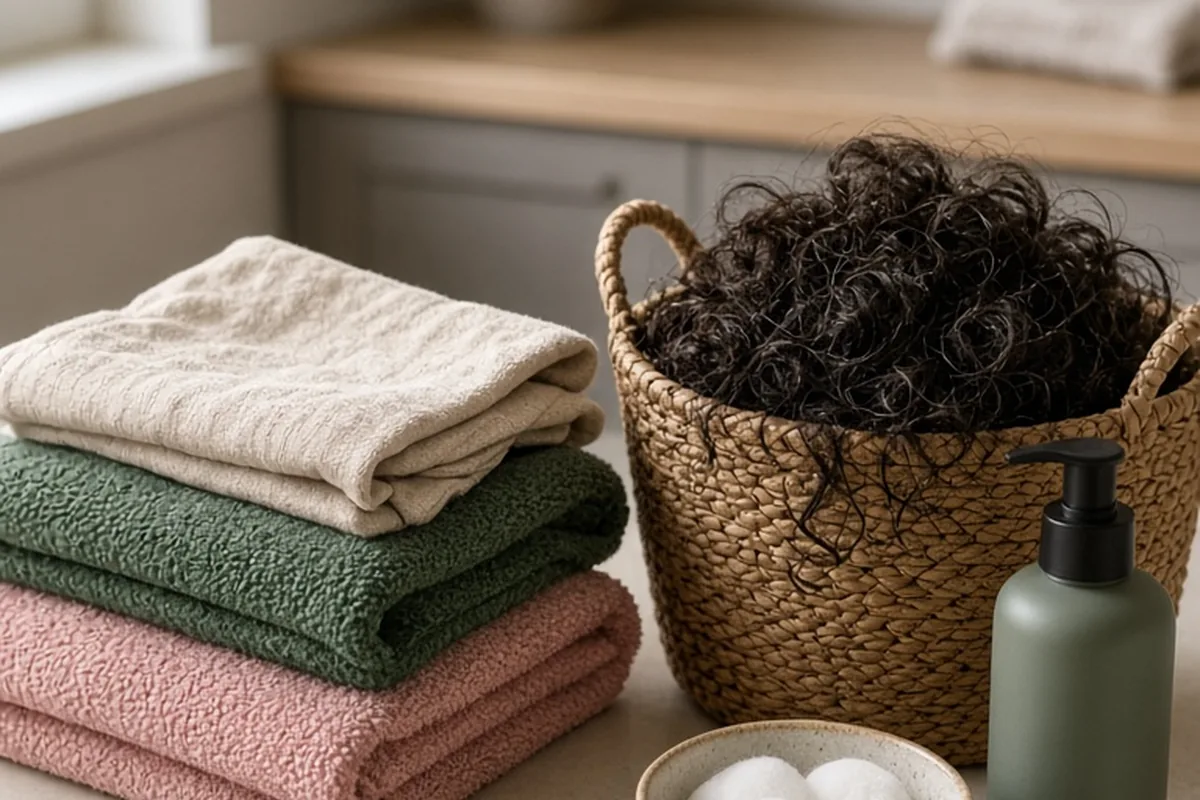
Maternity hair changes for textured hair typically begin during pregnancy with elevated estrogen levels that prolong the hair growth phase, resulting in thicker-feeling coils, reduced daily shedding, and shifts in sebum production. Following delivery, dropping hormone levels trigger sudden shedding, known as postpartum telogen effluvium. Managing these transitions requires adjusting moisture retention, reducing styling tension, detangling shed strands frequently to avoid matting, and choosing safe ingredients.
Navigating maternity involves distinct physical shifts, and for individuals with textured hair, changing hormone levels bring noticeable differences in curl pattern, moisture needs, and density. Understanding how pregnancy and the postpartum phase influence coily and curly hair helps you adjust your styling and care routines with confidence.
How Pregnancy Hormones Shift the Natural Growth Cycle in Curls and Coils
During pregnancy, elevated levels of estrogen and progesterone dramatically alter the biological timeline of your follicles. In a standard hair cycle, individual follicles move independently through anagen (active growth), catagen (transition), and telogen (resting and shedding) phases, resulting in the normal loss of fifty to one hundred strands per day. High hormonal levels during gestation delay the transition into the telogen phase, effectively locking a much higher percentage of follicles into prolonged growth. For individuals with Type 3 curls and Type 4 coils, this leads to an apparent surge in volume and thickness, as hair that would typically shed remains anchored to the scalp.
The shift in density is often accompanied by changes in scalp chemistry and sebum distribution. Hormones can stimulate or suppress the sebaceous glands, leaving some individuals with an unusually oily scalp while others experience increased dryness, flaking, or heightened scalp sensitivity. Because the helical structure of curly and coily hair naturally impedes the travel of sebum from the scalp down to the ends, any reduction in natural oil production makes strands more vulnerable to brittleness and dehydration.
Some women also notice subtle or pronounced changes in their curl pattern during pregnancy. Tightly coiled patterns may loosen slightly, while loose curls may develop tighter spirals or irregular wave distributions across different zones of the head. These textural shifts occur because hormonal changes can influence the shape and orientation of the hair follicle itself. These changes are generally temporary and represent normal physiological adaptations rather than permanent damage.
Adapting Your Wash Day When Fatigue and Scalp Dryness Set In
A comprehensive wash day for textured hair can be physically demanding, often involving multi-step detangling, deep conditioning, and thorough styling. During the first and third trimesters, profound physical fatigue, nausea, or back strain can make extended sessions over a sink or in the shower unsustainable. Simplifying your wash routine into manageable, high-impact steps ensures your hair receives necessary hydration without depleting your physical energy. Sitting comfortably on a shower bench or washing hair in sections over a basin can immediately reduce physical strain.
When cleansing, prioritize gentle, hydrating formulas that maintain your scalp's protective moisture barrier. Sulfate-free shampoos enriched with humectants cleanse away product residue and dead skin cells without stripping natural oils from tight coils. If full lathering sessions feel too strenuous, alternating between a gentle clarifying wash and a moisturizing cleansing conditioner can maintain scalp hygiene while reducing the time required to restore moisture afterward.
To streamline the conditioning process, focus on products formulated with exceptional slip, which allow fingers or wide-tooth combs to glide effortlessly through the hair. Applying a rich mask, covering your hair with a plastic cap, and letting body heat activate the conditioner for ten to fifteen minutes provides deep moisture without requiring heavy hooded dryers or extended steaming. Always detangle while the hair is completely coated in conditioner, working in four to six twisted sections from the ends upward to prevent unnecessary breakage.
Protective Styling Decisions for Textured Hair During Pregnancy
Protective styling offers a practical way to minimize daily manipulation, conserve energy, and protect delicate ends throughout pregnancy. However, the physical state of your hair and scalp during maternity requires adjustments in how these styles are installed and maintained. Because hormonal shifts can make the scalp more tender and sensitive, installing styles with high mechanical tension can lead to traction folliculitis or irreversible follicle damage, particularly along the fragile hairline and nape.
When selecting a style, opt for lightweight installations such as medium-to-large knotless braids, loose two-strand twists, flat twists, or crochet styles using lightweight synthetic or human hair. Traditional box braids with heavy knots at the base should be avoided, as the downward pull creates sustained tension on the root. Ensure your stylist understands that your comfort is paramount and that braids or cornrows should never pull tightly against the scalp or cause headaches.
Planning the timeline of your protective styles is equally crucial as you approach your delivery date. Avoid installing intricate, micro-sized styles in your ninth month that require hours of meticulous takedown during early postpartum recovery. A practical delivery style should allow easy scalp access for cleansing and moisturizing sprays, fit comfortably under a satin bonnet or surgical cap, and remain manageable even if takedown is delayed by several weeks after childbirth.
Evaluating Chemical Treatments, Dyes, and Ingredient Safety
Many individuals with textured hair rely on chemical processes such as relaxers, texturizers, keratin treatments, or permanent dyes to maintain their desired look. During pregnancy, the safety of these chemical treatments involves evaluating both potential systemic absorption through the scalp and the respiratory impact of inhaling strong chemical fumes. Most healthcare providers suggest exercising caution and deferring harsh chemical straighteners or permanent treatments, particularly during the critical developmental window of the first trimester.
For color services, techniques that minimize scalp contact present a lower-risk alternative to full-head permanent dyes. Highlighting, balayage, or applying demi-permanent glosses off the root allows you to refresh your appearance without placing chemical formulations directly against the skin. If you choose to apply color, ensure the application takes place in a well-ventilated space to prevent dizziness or nausea triggered by strong chemical odors.
Scrutinizing daily hair care ingredients is equally important during pregnancy and while nursing. While natural plant butters like shea, mango, and cocoa butter are safe and effective emollients, certain concentrated essential oils and active chemical compounds should be used with discretion. High concentrations of undiluted essential oils such as clary sage, rosemary, or juniper, as well as medicated scalp treatments containing high-strength salicylic acid or prescription retinoids, should be cleared by your obstetrician or midwife before use.
Preparing for Postpartum Telogen Effluvium in Type 3 and Type 4 Hair
Between two and five months after giving birth, the abrupt decline in circulating estrogen and progesterone triggers a widespread biological reset known as postpartum telogen effluvium. The large volume of hair follicles that remained unnaturally sustained in the growth phase during pregnancy simultaneously transitions into the resting stage and begins to shed. For textured hair, this sudden loss can feel particularly dramatic because dense coils capture shed strands within the canopy, creating large balls of hair during detangling sessions.
Understanding the structural difference between shed hair and broken hair is essential for managing your expectations and avoiding unnecessary worry. A shed hair has reached the natural conclusion of its growth cycle and will feature a small, white keratinized bulb at its root. Broken hairs, by contrast, are fragmented sections of varying lengths with blunt or split ends, resulting from physical friction, dryness, or excessive styling tension. Postpartum shedding consists predominantly of full-length shed hairs with intact bulbs.
This shedding phase is a temporary, self-limiting process that typically peaks around the fourth month and gradually subsides over the course of six to twelve months as follicular cycles regain their normal asynchronous rhythm. Recognizing that this shedding represents the release of hair accumulated during pregnancy, rather than a failure of your hair care regimen, prevents reactive decisions such as applying harsh chemical treatments or cutting off healthy growth out of distress.
Preventing Matting and Breakage During the Postpartum Shedding Surge
The primary risk associated with postpartum shedding in textured hair is not the shedding itself, but the rapid formation of severe mats and locs. Because curly and coily strands have a natural tendency to interlock, loose shed hairs act like fibers in a web, wrapping around neighboring anchored strands. If detangling is neglected due to postpartum exhaustion, these intertwined hairs can form solid mats that become nearly impossible to unravel without causing substantial mechanical breakage.
To prevent severe tangling, establish a consistent, low-stress detangling cadence at least once a week or every ten days. Never attempt to detangle dry or minimally damp textured hair during this vulnerable period. Thoroughly saturate the hair with warm water and apply a generous layer of a slippery conditioner, detangling cream, or flaxseed-based gel to provide maximum surface lubrication. Work through the hair in small, manageable sections, using your fingers first to gently tease apart shed clusters before using a flexible, wide-tooth detangling tool.
If you encounter stubborn knots or localized matting, avoid pulling downward with force, which only tightens the knot and snaps anchored strands. Instead, apply a small amount of pure plant oil (such as jojoba or sweet almond oil) directly to the knot to reduce friction, and use the tip of a rat-tail comb or your fingernails to separate the strands horizontally. Gently pull the shed hairs out from the top of the tangle until the knot dissolves naturally.
Rebuilding Your Hairline and Restoring Curl Elasticity
The hairline, temples, and nape are the most common areas to experience noticeable thinning during postpartum shedding. The hair along the perimeter naturally has a smaller follicle size and finer diameter, making it exceptionally vulnerable to both hormonal shedding and daily friction. To encourage healthy regrowth, eliminate tight ponytails, high buns, slicked-back puffs, and heavy edge-control products that dry into stiff, brittle residues. Allow your hairline to rest by wearing loose, low-manipulation styles that exert zero tension on the front perimeter.
Rebuilding elasticity across your entire head requires a deliberate balance between moisture and structural reinforcement. Hormonal fluctuations and postpartum lifestyle changes can leave the hair shaft porous, making it difficult for strands to hold hydration. Incorporating mild protein treatments, such as hydrolyzed wheat or silk protein conditioners, once a month helps repair the hair cortex and reinforce weakened points along the strand. Follow every protein treatment with a rich moisturizing deep conditioner to maintain softness and flexibility.
Consistent nighttime protection is critical to preserve regrowing edges and prevent moisture loss while sleeping. Always cover your hair with a high-grade satin or silk bonnet, or sleep on a satin pillowcase to minimize surface friction. In the morning, refresh your curls with a lightweight water-based leave-in mist and a few drops of sealing oil rather than restyling from scratch, allowing your delicate new growth to thrive undisturbed.
Frequently asked questions
When does postpartum hair shedding typically start, and how long does it last for textured hair?
Postpartum shedding generally begins between two and four months after childbirth as estrogen levels return to pre-pregnancy baselines. For textured hair, the heaviest shedding usually lasts two to three months, with total shedding stabilizing and new growth becoming visible within six to twelve months.
Can I safely dye or chemically straighten my textured hair while pregnant?
Most medical providers recommend avoiding relaxers, texturizers, and chemical straighteners during pregnancy due to scalp sensitivity and potential chemical absorption. If you wish to color your hair, opt for off-scalp techniques such as highlights or demi-permanent glosses in a well-ventilated space, preferably after the first trimester.
How can I tell the difference between postpartum shedding and traction alopecia?
Postpartum shedding occurs diffusely across the scalp and produces full-length hairs with small white bulbs at the root. Traction alopecia presents as localized thinning, redness, bumps, or broken stubs along areas subjected to direct tension, such as the temples, edges, and nape.
What is the best way to handle severe postpartum hair matting without cutting my hair?
Saturate the matted section thoroughly with warm water, a rich slippery conditioner, and a botanical oil like jojoba or olive oil. Working in tiny sub-sections, use your fingers to gently separate strands horizontally rather than pulling downward, slowly sliding shed hairs out of the tangle.
Your next step
Evaluate your current hair routine and schedule a simplified, low-tension protective style or gentle sectioned wash schedule that accommodates your energy levels and protects your scalp throughout your maternity journey.