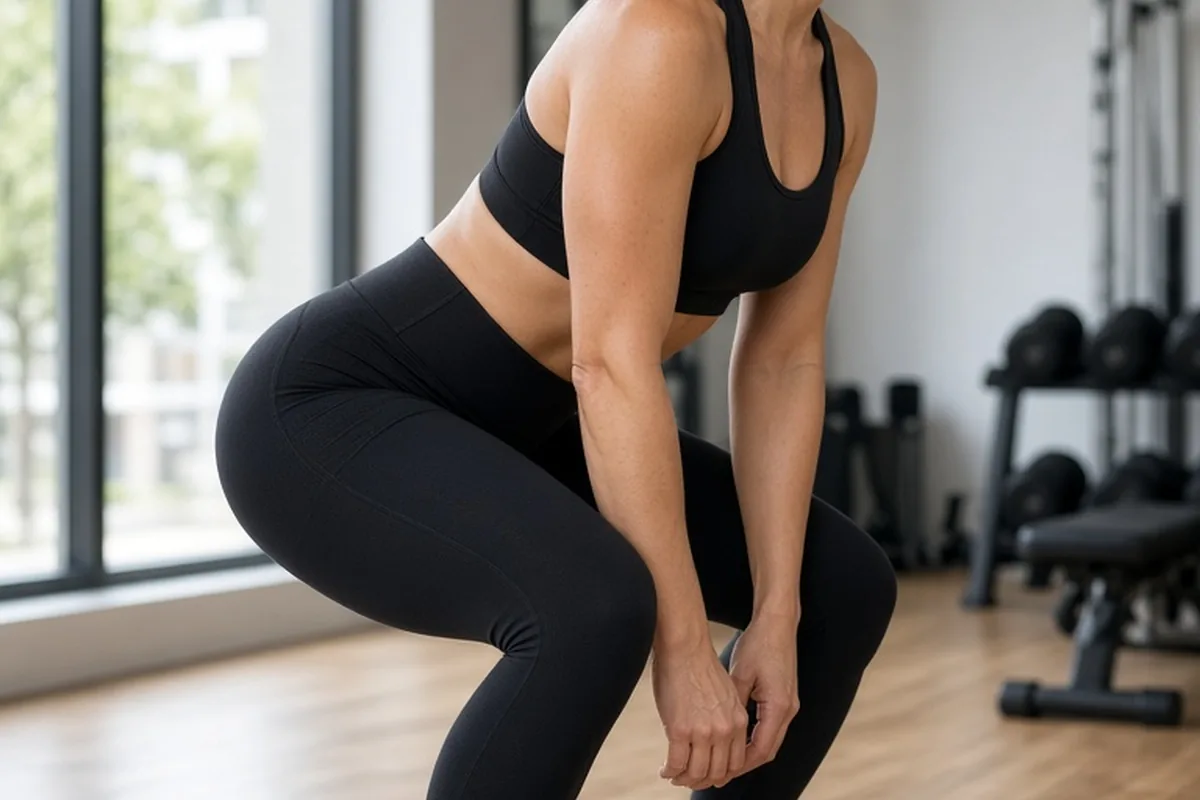
Girlfriend Collective is an apparel brand recognized for manufacturing activewear and loungewear using recycled post-consumer materials, primarily recycled polyethylene terephthalate sourced from plastic water bottles and recycled nylon. The label emphasizes broad size inclusivity, offering garments across an expansive sizing spectrum. By combining compressive technical fabrics with minimalist aesthetics, the brand provides supportive leggings, sports bras, and outerwear designed for athletic performance while incorporating closed-loop garment recycling initiatives.
Navigating sustainable activewear requires balancing material performance, structural support, and true fit across diverse body types. Girlfriend Collective built its identity around transparent manufacturing and accessible sizing, yet choosing the right pieces requires understanding how recycled textiles behave during movement, how compressive knits fit, and how to maintain fabric longevity over years of wear.
How Girlfriend Collective Converts Post-Consumer Bottles into Performance Fabric
The core technical foundation of Girlfriend Collective activewear rests on recycled polyethylene terephthalate, commonly known as RPET. This material originates from discarded post-consumer plastic beverage bottles that would otherwise occupy landfills or enter marine ecosystems. The manufacturing journey begins with sorting and thoroughly sanitizing consumer plastic waste to eliminate labels, caps, and chemical residues. Once cleaned, the clear plastic is crushed into uniform flakes, melted down, and extruded through specialized spinnerets into fine filament fibers. These filaments are spun into strong, flexible yarn that is subsequently knitted into high-gauge performance textiles.
To achieve the elasticity required for athletic garments, these recycled polyester fibers are blended with elastane or spandex. The resulting knit offers mechanical properties that closely mirror virgin synthetic fabrics, including robust tensile strength, rapid moisture-wicking capabilities, and reliable colorfastness. Because RPET utilizes existing polymers rather than extracting raw petroleum, the production cycle consumes less energy while yielding a durable, matte-finish textile. The brand also utilizes recycled nylon sourced from post-industrial waste, such as fishing nets and fabric scraps, to create lighter-weight collections that offer softer hand-feel and high breathability for warmer climates and lower-impact routines.
Evaluating Fabric Weight, Compression Levels, and Everyday Performance
Activewear textiles must support varied physical demands, and Girlfriend Collective structures its product line across distinct fabric weights and tension levels. The brand's signature compressive fabric is characterized by a dense, heavyweight interlock knit designed to hold muscles firmly during dynamic workouts. This heavy compression creates a structured, sculpted sensation that stabilizes core muscles, prevents waistbands from sliding during deep squats, and eliminates fabric transparency under full stretch. The dense knit is particularly well-suited for high-impact activities such as long-distance road running, functional strength training, and high-intensity interval workouts where apparel stability is critical.
Conversely, lighter fabric lines prioritize unrestricted mobility, drape, and breathable softness over muscular hold. These lightweight variations use a finer yarn gauge and a looser knit structure, making them feel barely perceptible against the skin. While these lighter garments excel during restorative yoga, hot Pilates, walking, or warm-weather lounging, they do not provide the locked-in sensation of the compressive line. When selecting between these fabric weights, evaluate your sweat output and support preferences: heavy compression provides substantial shaping and moisture resistance in cooler or high-friction environments, whereas lighter knits prevent heat buildup and chafing during prolonged, gentle movement.
Navigating the Girlfriend Collective Size Spectrum: Cut, Proportions, and Fit
A defining characteristic of Girlfriend Collective is its commitment to extensive size grading, offering pieces across an expansive spectrum from petite to extended sizing. Unlike brands that simply scale a single mid-size sample pattern upward or downward, effective size inclusivity requires re-engineering proportions at every tier. The brand adjusts waistband heights, crotch gusset dimensions, armhole depths, and bust cup structures to accommodate diverse bone structures, torso lengths, and curves. This structural grading ensures that larger sizes retain adequate support without pinching at the waist or gaping at the ankles, while smaller sizes maintain proper compression without bunching.
When finding your optimal size, prioritize accurate body measurements over standard vanity sizing tags. Because the signature compressive fabric features high initial tension, garments may feel unusually tight when first pulled over the hips or shoulders. However, the knit adapts to body heat after a few minutes of wear while retaining its structural memory. If you fall between sizes, consider your functional use case: staying true to size delivers a snug, locked-in athletic fit that prevents downward slippage during sprints, whereas sizing up creates a comfortable, all-day fit suitable for travel, work-from-home wear, and gentle stretching without feeling overly restrictive.
Environmental Trade-Offs: Microfibers, Synthetics, and Circular Garment Programs
While turning single-use plastic bottles into durable activewear helps divert landfill waste, synthetic textiles present distinct environmental trade-offs that conscientious consumers should understand. Like all polyester and nylon garments, recycled activewear sheds microscopic synthetic fibers during mechanical washing cycles. Because wastewater treatment plants cannot capture every microscopic particle, these microfibers can eventually migrate into aquatic ecosystems. Recognizing this reality allows consumers to take practical mitigating actions, such as using specialized laundry wash bags or installing micro-waste filters on household washing machines to capture shedding fibers before water drains.
Another vital consideration in sustainable fashion is circularity and garment end-of-life. Girlfriend Collective addresses this through dedicated take-back initiatives, such as its ReGirlfriend program, which encourages customers to return worn-out garments rather than discarding them. Returned items are collected, mechanically disassembled, and re-spun into new fibers or downcycled into industrial padding. While mechanical recycling processes face natural limits before polymer chains degrade, circular infrastructure represents a meaningful step toward closed-loop apparel systems, ensuring that synthetic fibers remain in productive utility for as many lifecycles as possible.
Caring for Recycled Activewear to Prevent Pilling, Odor Retention, and Elastic Breakdown
Proper maintenance is essential to preserve the technical qualities and stretch elasticity of recycled activewear. Synthetic fibers such as RPET and recycled nylon are oleophilic, meaning they naturally attract and bind to body oils, sebum, and sweat-borne bacteria. To prevent persistent workout odors without degrading the synthetic yarn, wash garments inside out in cold water using a mild, plant-derived or sports-specific liquid detergent. Avoid using traditional fabric softeners or scent-boosting beads; these products deposit a silicone-based chemical coating on the fibers that traps bacteria within the knit and permanently impairs the fabric's natural moisture-wicking and breathability.
Heat is the primary enemy of synthetic elasticity and structural integrity. Exposing elastane-blended activewear to high-temperature dryer cycles weakens the rubberized elastic filaments, leading to sagging waistbands, rippling seams, and surface pilling. After washing, lay garments flat on a drying rack or hang them in a well-ventilated area away from direct sunlight. For deep deodorization after heavy athletic sessions, soak garments in a mixture of cool water and a splash of distilled white vinegar prior to regular laundering. This natural rinse dissolves detergent residue and neutralizes odor-causing compounds without stripping the recycled textile's protective finish.
Matching Specific Garment Styles to Workout Intensity and Daily Routines
Building a functional activewear rotation requires pairing specific garment silhouettes with your physical routine. High-rise compressive leggings paired with a structured longline sports bra create an ideal setup for high-impact training, marathon preparation, and powerlifting. The wide, elastic-free double-layer waistband distributes pressure evenly across the abdomen, preventing the roll-down effect during deep forward bends and burpees while offering gentle lower-back stability. For outdoor runners and trail hikers, choosing styles with deep side pockets allows secure storage for smartphones and keys without uncomfortable bouncing.
For low-intensity movement, restorative practices, and casual lifestyle use, one-piece unitards, bike shorts, and relaxed-fit crops offer superior ease of movement. Unitards eliminate waistband pressure entirely, making them exceptionally comfortable for prenatal movement, Pilates, and continuous floor work where overlapping layers can shift or bunch. When curating your wardrobe, begin with versatile neutral tones like black, navy, or moss that transition seamlessly from gym settings to casual errand running, layering with oversized natural-fiber knitwear or jackets for polished everyday wear.
Illustrative Scenarios
Maya Adjusts Compression Sizing for Hybrid Strength Training
Maya, an avid weightlifter and runner, ordered a pair of compressive recycled leggings in her standard size. When she first tried them on, the tight waistband and dense fabric felt far more restrictive than the loose cotton leggings she was used to, leading her to believe she had ordered the wrong size. Instead of returning them immediately, she wore them through a dynamic warm-up and noticed the knit softened under body heat while keeping the waistband completely locked in place without slipping during squats.
Key point: High-compression recycled textiles require a brief period to adapt to body warmth; evaluate athletic garments during active movement rather than judging fit solely from initial static trying-on.
Julian Solves Synthetic Odor Retention Through Proper Wash Routines
Julian noticed that his favorite recycled workout shirts retained a persistent, stale sweat smell even after standard machine washing. He had been using warm water and conventional fabric softener to keep the material soft. After switching to a cold-water wash cycle with a gentle detergent, eliminating fabric softener, and air-drying the garments on a drying rack, the synthetic fibers released the trapped oils and recovered their original fresh breathability.
Key point: Eliminating fabric softeners and washing synthetic activewear in cold water preserves moisture-wicking performance and prevents lingering sweat odor.
Frequently asked questions
How does recycled polyester activewear feel compared to traditional virgin synthetic fabrics?
High-quality recycled polyester derived from plastic bottles feels virtually identical to virgin polyester. It provides a smooth, soft, and substantial hand-feel with a non-shiny matte texture, offering high moisture-wicking performance and durability without feeling rough or synthetic.
Does Girlfriend Collective activewear stay opaque during squats and deep stretches?
The brand's compressive fabric line is engineered with a dense, high-gauge interlock knit that maintains full opacity even under deep tensile stretch. Choosing your accurate size ensures the yarn is not over-stretched, preventing any fabric sheer during heavy training.
What is the best way to prevent microfiber shedding when washing recycled leggings?
Wash your synthetic activewear in cold water on a gentle cycle, preferably inside a specialized micro-waste filtration wash bag. Air-drying instead of machine drying also minimizes mechanical friction, significantly reducing fiber shedding while extending the garment's usable lifespan.
Should I size up or down in Girlfriend Collective compressive activewear?
Most people find that staying true to their verified body measurements provides the intended supportive, high-compression fit. If you prefer a relaxed feel for lounging or dislike a tight, body-hugging sensation around the ribs and waist, sizing up provides greater daily comfort.
Your next step
Measure your bust, natural waist, and fullest hip circumference against the official brand size chart before ordering, select compressive fabrics for athletic workouts and lighter knits for casual lounging, and wash your garments inside out in cold water to maximize fabric longevity.