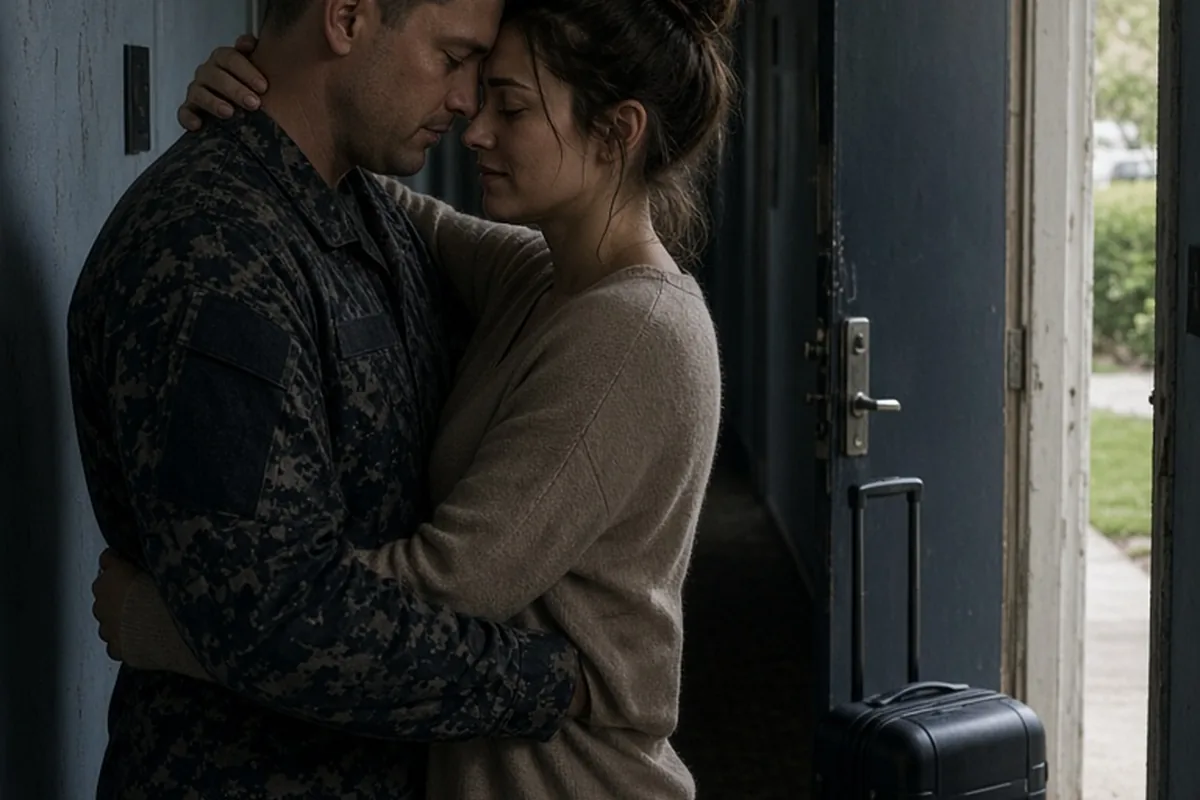
Military relationships require intentional communication, emotional adaptability, and structured independence to withstand frequent relocations, irregular schedules, and extended deployments. Partners thrive by establishing clear communication routines before separations, maintaining individual identities and local support networks, dividing household responsibilities pragmatically, and giving each other patience during reintegration phases when transitioning between long-distance life and living under the same roof.
Loving a service member involves navigating a unique lifestyle where operational demands, sudden orders, and geographical separation frequently intersect with personal goals and family routines. While the challenges are distinct, couples who approach the lifestyle with clear systems and shared commitment can build durable, deeply connected partnerships.
Navigating Deployment Cycles and Operational Unpredictability
The military rhythm alternates between routine training, sudden field exercises, and extended deployments. The uncertainty inherent in this cycle can create chronic low-grade anxiety if couples view plans as rigid guarantees. A fundamental shift involves adopting flexible planning habits where dates, family events, and personal milestones are penciled in rather than treated as immutable. When both partners acknowledge from the outset that military taskings can alter schedules without notice, sudden changes feel less like personal slights or organizational failures and more like operational realities to manage cooperatively.
Preparation before a separation significantly softens the emotional impact of leaving. Successful couples establish operational checklists that cover practical details such as financial access, powers of attorney, home maintenance contacts, and emergency protocols several weeks before departure. Taking care of administrative logistics early frees up the final days before deployment for quality time and emotional connection. For instance, rather than scrambling to fix a broken vehicle or set up bill auto-pay the night before departure, having these systems settled allows couples to share calm, focused time together, reducing departure-day friction.
Establishing Reliable Communication Across Time Zones
Communication during deployments or remote assignments rarely follows civilian expectations. Bandwidth constraints, operational security restrictions, time zone differences, and unpredictable mission tempos mean daily calls or instant replies are often impossible. Coupes often encounter frustration when they equate communication frequency with devotion. Setting realistic expectations early prevents misunderstandings; agreeing that quality of contact matters more than constant connectivity protects both individuals from undue pressure.
Diversifying communication methods helps maintain emotional intimacy without demanding synchronized schedules. When voice or video calls are sporadic, asynchronous tools such as recorded voice notes, shared digital photo albums, written letters, and short video messages allow partners to share daily reflections at their own pace. For example, a partner at home can send a brief recap of minor household moments and personal thoughts that the deployed partner can access whenever connectivity allows. The trade-off is accepting that rapid problem-solving is not always possible over distance, which requires both partners to exercise patience and grant the benefit of the doubt when delays occur.
Balancing Household Autonomy and Role Shifts
When a service member is away, the partner at home takes on full operational control of the household, managing finances, home repairs, parenting, and daily decisions independently. While this autonomy builds resilience and competence, it can create a sharp imbalance when the deployed partner returns. The returning partner may feel sidelined or unsure of where they fit into established routines, while the stay-at-home partner might struggle to relinquish control or feel resentful if expectations are not aligned.
Navigating this dynamic requires deliberate boundary management and flexible role renegotiation. During deployments, keeping the absent partner informed about major household updates helps them stay mentally connected, even if they cannot assist in real-time. Upon return, couples benefit from treating the first few weeks as a collaborative transition period rather than expecting an instantaneous snapback to past routines. For instance, the couple might assign specific, distinct responsibilities back to the returning partner gradually, allowing both individuals to adapt without feeling micromanaged or displaced.
Fostering Independent Identities and Support Networks
A common hazard in military life is allowing the service member's career to completely overshadow the civilian partner's personal goals, professional ambitions, and social life. Permanent Change of Station (PCS) moves can disrupt career trajectories and sever local friendship circles, leading to isolation if an individual relies entirely on their romantic relationship for emotional and social fulfillment. Building a sustainable life requires the non-serving partner to actively cultivate their own interests, career flexibility, and personal community.
Developing portable careers, pursuing independent hobbies, and connecting with both military and civilian peer groups provide essential emotional balance. Leaning exclusively on military spouse groups works well for some, but others find greater satisfaction by engaging in local community organizations, professional associations, or fitness groups unrelated to the base. A healthy limitation to keep in mind is that building a solid local network after each relocation takes time; expecting an immediate social circle can cause unnecessary disappointment, so pacing one's expectations across the first six months at a new duty station is advisable.
Managing Post-Deployment Reintegration and Emotional Adjustment
Reintegration after a prolonged absence is often romanticized as an effortless reunion, but it is frequently the most delicate phase of the deployment cycle. Both partners have evolved, developed new coping mechanisms, and adapted to living independently. The service member must decompress from a high-vigilance environment, while the partner at home must adjust to sharing space, time, and decision-making authority once again. Expecting instant romance or unblemished harmony can generate unnecessary tension.
Successful reintegration relies on deliberate pacing, realistic expectations, and open dialogue about sensory and emotional overload. Allowing the returning partner quiet space to decompress without overwhelming social obligations during the first two weeks helps reduce stress. Similarly, validating the stay-at-home partner's fatigue acknowledges the heavy burden they carried solo. For example, rather than hosting large family gatherings immediately upon homecoming, scheduling low-key, private time gives both individuals room to rediscover each other's rhythms and rebuild physical and emotional intimacy without external pressure.
Handling Conflict Under High Stress and Tight Timelines
Stress levels in military relationships naturally spike before major transitions, such as imminent deployments, significant career exams, or pending relocation orders. During these windows, minor disagreements over chores or schedules can escalate quickly into intense arguments, often fueled by underlying fears of separation or transition anxiety. Recognizing that heightened friction is often a byproduct of situational stress rather than fundamental incompatibility allows couples to de-escalate unproductive fights.
Implementing structured communication guidelines protects the relationship during sensitive periods. Couples can agree to table complex, non-urgent relationship assessments right before a major departure, focusing instead on mutual support and logistical clarity. If a serious disagreement arises, using clear 'I' statements and scheduling a specific, calm time to revisit the issue prevents conversations from devolving into mutual defensiveness. The limitation is that not all issues can be resolved instantly; learning to sit comfortably with temporary ambiguity is a vital coping skill for both partners.
Frequently asked questions
How can couples maintain intimacy during months of separation?
Intimacy during separation is sustained through intentional vulnerability, shared experiences across distance, and steady asynchronous communication. Exchanging written letters, scheduling dedicated virtual dates when possible, and reading the same book or watching the same show simultaneously help maintain a sense of shared daily life.
What is the best way to handle frequent relocations as a couple?
Handling frequent moves requires proactive division of moving logistics, maintaining digital organization for essential documents, and researching local resources before arrival. Viewing each relocation as a shared project and establishing small familiar rituals in each new home helps create stability amidst environmental changes.
When should military couples seek professional counseling or support?
Couples should consider seeking support early if communication consistently breaks down, if reintegration challenges persist for several months, or if symptoms of acute stress and emotional withdrawal interfere with daily life. Utilizing military family life counselors, chaplain services, or specialized civilian therapists provides objective tools before resentment solidifies.
Your next step
Choose one upcoming transition or routine, such as an approaching field exercise or your weekly check-in schedule, and hold a calm fifteen-minute conversation today to align your expectations and practical responsibilities.