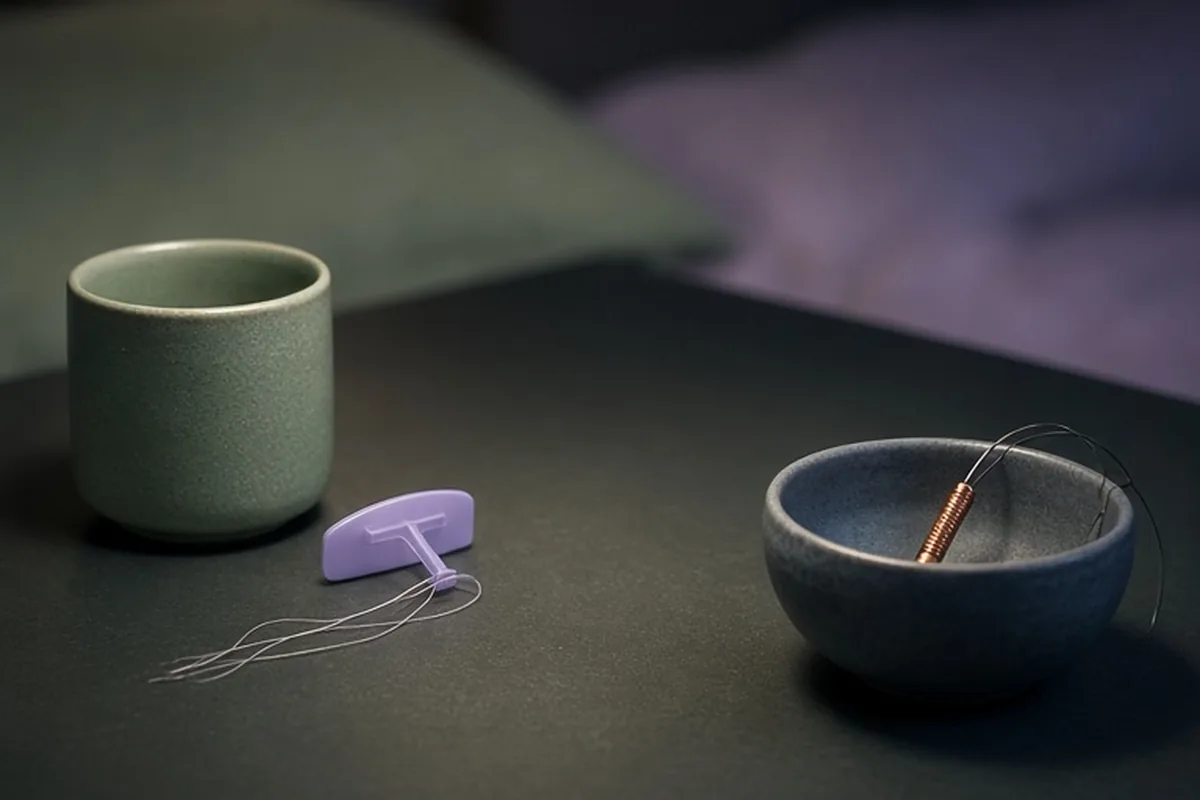
Mirena and Paragard are both long-acting reversible intrauterine devices (IUDs), but they prevent pregnancy through fundamentally different mechanisms. Mirena delivers a localized progestin hormone that thins the uterine lining and thickens cervical mucus, frequently resulting in lighter periods or absent bleeding over time. Paragard contains no hormones, utilizing copper to create an environment that prevents fertilization while leaving your natural menstrual cycle and ovulation intact. Your choice depends primarily on your hormone preferences, baseline bleeding patterns, and medical history.
Selecting a long-acting contraceptive method is an important personal decision that involves balancing your reproductive goals, menstrual preferences, and overall comfort. Because intrauterine devices are placed directly into the uterus by a trained clinician, evaluating the day-to-day experience of each device before your appointment ensures you can make a fully informed choice with your healthcare provider.
Mirena and Hormonal IUD Mechanism: How Levonorgestrel Works
Mirena is a small, T-shaped plastic device that steadily releases low amounts of levonorgestrel directly into the uterine cavity. Levonorgestrel is a synthetic progestin, similar to the natural progesterone produced by the body. Because the hormone is delivered locally within the uterus, systemic absorption throughout the bloodstream remains relatively low compared to combination oral contraceptive pills, transdermal patches, or injectable methods. The presence of levonorgestrel primarily thickens cervical mucus to block sperm from entering the upper reproductive tract, while simultaneously keeping the endometrium (uterine lining) thin so an egg cannot easily implant.
For many individuals, the localized action on the uterine lining transforms monthly menstruation. During the initial months following insertion, irregular spotting and unpredictable light bleeding are common as the endometrium adjusts to the progestin. Over extended use, however, the thinned lining typically causes menstrual periods to become noticeably shorter, lighter, and far less painful. Many users eventually experience amenorrhea, where menstrual bleeding stops completely during the lifespan of the device. This characteristic makes Mirena a frequent choice for people who struggle with naturally heavy, prolonged, or debilitating periods, provided there are no underlying contraindications identified by a clinician.
Further reading: CDC: Contraception and birth control methods
Further reading: Office on Women's Health
Paragard Copper IUD Mechanism: Hormone-Free Contraception Explained
Paragard is a T-shaped polyethylene frame wound with pure electrolytic copper wire and fitted with copper collars on its horizontal arms. Unlike hormonal devices, Paragard contains no active chemicals, medications, or synthetic hormones. The primary mechanism of action relies entirely on the continuous release of copper ions into the uterine fluid. Copper acts as a natural spermicide by altering the biochemical environment of the uterus and fallopian tubes, impairing sperm motility, viability, and capacity to fertilize an ovum. Because copper prevents fertilization before it occurs, it serves as a highly reliable, non-medicinal barrier to pregnancy.
Because Paragard does not introduce external hormones into your system, your hypothalamic-pituitary-ovarian axis functions completely unaltered. You will continue to ovulate according to your natural biological rhythm, produce your own estrogen and progesterone, and experience your standard cyclical hormonal shifts. For individuals who prefer tracking their natural physiological cycles, or those who experience adverse physical or emotional side effects from synthetic progestins, Paragard provides long-term pregnancy prevention without interrupting baseline endocrine activity.
Further reading: CDC: Contraception and birth control methods
Further reading: Office on Women's Health
Comparing Bleeding Patterns, Cramping, and Menstrual Cycle Changes
The impact on monthly bleeding represents the most pronounced practical difference between Mirena and Paragard. With Mirena, the progestin suppresses endometrial growth, which leads to a gradual reduction in total menstrual flow. While the first three to six months often involve intermittent breakthrough spotting and unpredictable light bleeding, long-term use is characterized by substantially lighter periods or the complete cessation of menses. Dysmenorrhea (menstrual cramping) often diminishes concurrently because the uterus sheds minimal tissue each month.
Conversely, Paragard often intensifies menstrual symptoms, particularly during the first few cycles following placement. The local presence of copper induces a mild, sterile inflammatory response in the endometrium, which can result in heavier flow, longer cycle duration, and more pronounced menstrual cramping. For many individuals, this increased flow gradually moderates after several months, but periods generally remain somewhat heavier than baseline. If you already experience heavy, painful, or irregular periods, Paragard may exacerbate those symptoms, whereas individuals with naturally light, easy cycles often tolerate the copper device with minimal disruption.
Further reading: Office on Women's Health
Side Effect Profiles and Systemic Considerations for Each Device
Because Mirena releases a progestin hormone, a small percentage of users may notice systemic progestogenic effects even though blood concentrations are low. Potential side effects can include transient breast tenderness, mild acne or skin texture changes, benign ovarian cysts that typically resolve on their own, and minor mood shifts or headaches during the initial adjustment window. These systemic symptoms tend to peak within the first few months after insertion and decline as the body stabilizes. Mirena is also free of estrogen, making it an appropriate option for individuals who cannot take combination birth control due to blood pressure concerns or migraine with aura, subject to clinical evaluation.
Paragard, carrying no hormones, has zero hormonal side effects: it will not cause hormonal acne, breast soreness, or endocrine-driven mood fluctuations. However, its primary physiological trade-offs center around blood loss and structural compatibility. Increased monthly blood loss can potentially contribute to iron-deficiency anemia in individuals who are already prone to low ferritin levels or who consume iron-poor diets. Additionally, individuals with diagnosed copper allergies or Wilson disease cannot safely use Paragard. Reviewing your personal medical history, including past reactions to birth control and chronic health conditions, allows your doctor to pinpoint which side effect profile represents the lower risk for you.
Further reading: CDC: Contraception and birth control methods
Further reading: Office on Women's Health
Insertion, Daily Maintenance, and Removal Expectations
The physical placement procedure is virtually identical for both Mirena and Paragard. A medical professional inserts a speculum, stabilizes the cervix, measures the depth and orientation of the uterine cavity using a sound or ultrasound, and advances the device through the cervical canal using a specialized slender applicator tube. Patients commonly experience brief, moderate-to-severe cramping during the sounding and deployment steps. Clinicians may recommend over-the-counter pain relievers, prescription cervical softening agents, or local paracervical anesthetic blocks to improve comfort during the visit.
Once in place, both devices require minimal daily effort. Each IUD has thin monofilament strings that extend through the external cervical os into the upper vagina, allowing you and your clinician to periodically verify proper positioning. Unlike daily pills or quarterly injections, there are no routines to remember. When you decide to discontinue the method—whether to attempt pregnancy, switch to another option, or address persistent side effects—a clinician can remove either device in an office visit by applying gentle traction to the strings. Fertility typically returns immediately following the removal of either device once normal ovulation patterns resume.
Further reading: CDC: Contraception and birth control methods
Insurance Coverage, Out-of-Pocket Costs, and Access in 2026
In the United States, contraceptive coverage depends on your specific health insurance policy, employer plan exemptions, and regional healthcare regulations. Under the Affordable Care Act (ACA), most non-grandfathered private health plans and expanded Medicaid programs are required to cover at least one form of each FDA-approved contraceptive category—including hormonal and non-hormonal intrauterine devices—with zero out-of-pocket copay or coinsurance when obtained in-network. However, individual insurance formularies may prefer specific brand names or require prior authorization if a non-preferred device is requested.
If you are uninsured, underinsured, or covered by a plan with religious exemptions, the total out-of-pocket expense includes multiple billing components: the pre-insertion consultation, the physical IUD device itself, the clinical placement procedure, and any follow-up visits or ultrasound imaging used to confirm placement. To avoid unexpected medical bills, contact your insurance provider beforehand and ask for the exact coverage details of the specific device code and procedure codes. Community health centers, Title X family planning clinics, and federally qualified health centers often provide IUD services on a sliding-fee scale based on household income.
Further reading: Office on Women's Health
Decision Framework: Which IUD Aligns with Your Health Priorities?
Determining whether Mirena or Paragard is the superior option comes down to how your body responds to hormones, your baseline menstrual experience, and your lifestyle priorities. Mirena is often the preferred choice for individuals who want to minimize menstrual bleeding, reduce severe menstrual cramps, or address heavy periods while maintaining reliable long-term contraception. It is also suitable for those who appreciate the low-maintenance nature of an IUD and are comfortable with the possibility of their period disappearing completely.
Paragard is typically the ideal fit for individuals who want an entirely hormone-free method, who have experienced negative emotional or physical side effects from progestin in the past, or who have medical conditions where synthetic hormones are contraindicated. It is best suited for individuals whose baseline periods are light to moderate and manageable, making the potential increase in flow a reasonable trade-off for hormone-free cycle tracking. Discussing these specific trade-offs openly with a certified gynecologist, midwife, or family physician will help you choose the method that best matches your personal health profile.
Further reading: CDC: Contraception and birth control methods
Further reading: Office on Women's Health
Frequently asked questions
Can either Mirena or Paragard be used as emergency contraception?
The copper IUD (Paragard) can be inserted by a healthcare provider as a highly effective form of emergency contraception within five days of unprotected intercourse. Certain hormonal IUDs may also have emergency contraceptive applications depending on current clinical guidelines. Consult a clinician promptly if you need emergency pregnancy prevention.
How do Mirena and Paragard affect future fertility after removal?
Neither device causes long-term delays in fertility once removed by a medical provider. Because Paragard contains no hormones, your pre-existing cycle continues immediately, while with Mirena, your natural menstrual cycle and ovulation typically return shortly after the device is taken out.
What should I do if I cannot feel my IUD strings?
If you cannot locate the strings, notice they feel noticeably longer or shorter, or can feel the hard plastic tip of the IUD emerging from your cervix, the device may have shifted. Avoid pulling on the strings yourself, use a backup barrier method of birth control, and contact your healthcare provider for an exam or ultrasound confirmation.
Are there people who should not get an IUD?
Individuals with active pelvic inflammatory disease, unexplained vaginal bleeding, certain uterine anatomical anomalies that prevent correct placement, or active untreated cervical or uterine cancers should avoid IUD placement until evaluated. Your clinician will review your complete health history and perform a pelvic exam to ensure safety before insertion.
Your next step
Schedule an appointment with your healthcare provider to discuss your menstrual history, review your insurance benefits for both devices, and choose the IUD that aligns best with your reproductive goals.