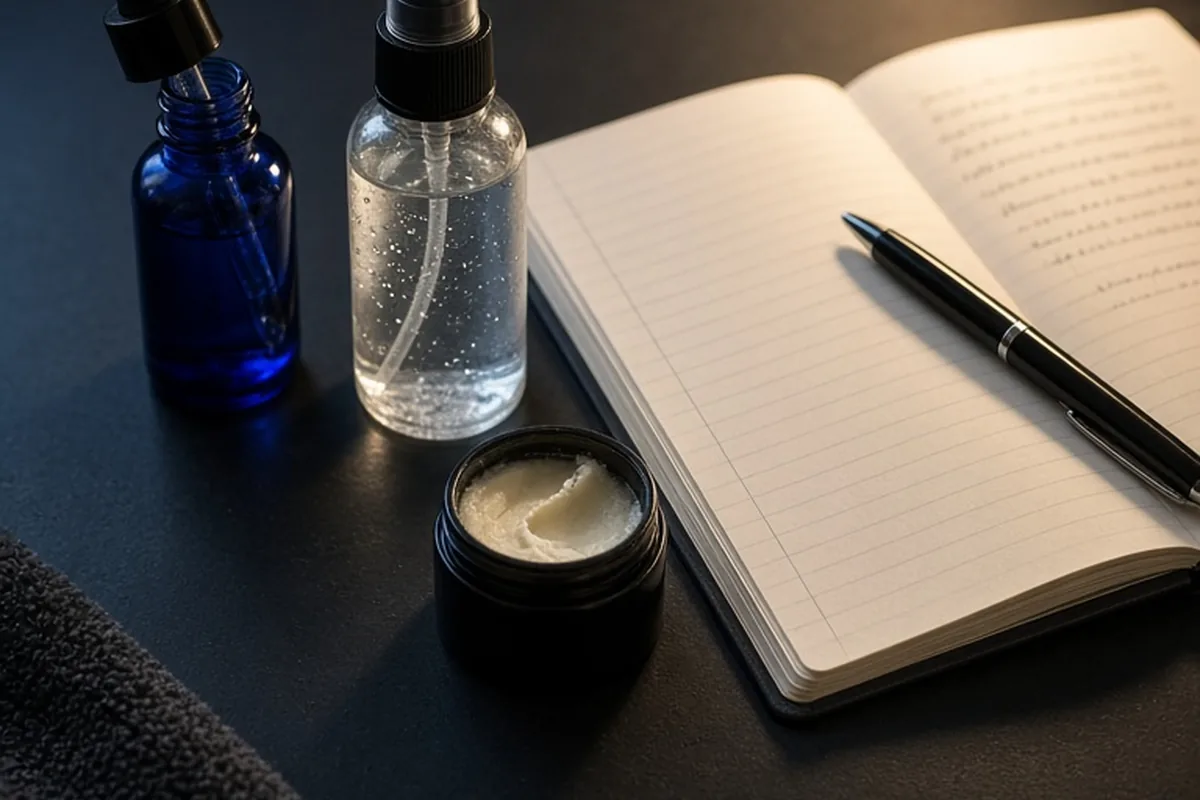
Maintaining adequate moisture in Black hair typically requires an ongoing investment in water-based leave-in conditioners, penetrating oils, and sealing butters. Product prices range from accessible drugstore staples to premium salon formulas, with monthly expenses depending on hair density, porosity, and styling habits. Consistent upkeep involves refreshing hydration every two to four days, applying formulas using systematic layering techniques, and clarifying regularly to prevent buildup from blocking subsequent moisture absorption.
Textured and afro-coiled hair patterns naturally slow the journey of scalp oils down the hair shaft, making deliberate hydration a foundational requirement rather than an optional cosmetic step. Understanding the practical balance between monthly product costs and day-to-day maintenance routines allows you to build a sustainable regimen that preserves strand elasticity without overspending.
Price Tiers and Expense Variables for Black Hair Moisturizers
The retail landscape for textured hair moisturizers spans three main categories: mass-market drugstore formulas, mid-range specialty natural lines, and high-end professional salon treatments. Drugstore options provide accessible hydration through widely distributed commercial blends, often utilizing familiar humectants and mineral or plant-derived emollients. Specialty natural brands, frequently formulated specifically for coils and curls, prioritize cold-pressed plant oils, unrefined butters, and aloe-based liquid foundations. Salon-exclusive lines emphasize concentrated active ingredients, specialized botanical extracts, and micro-emulsified formulas designed to penetrate dense cuticles with minimal physical weight.
Your recurring financial outlay depends heavily on your hair length, porosity, and strand density. High-porosity hair, which absorbs and loses moisture rapidly, typically requires more frequent product application and heavier butter-based sealants than low-porosity strands. Similarly, thick, waist-length coils require substantially more product volume per session than a short cropped cut or fine-textured spirals. Repurchase frequency generally ranges from every six weeks for daily-use water mists to three or four months for dense sealing butters, making it critical to budget by product category rather than total upfront basket size.
Formulating an Upkeep Schedule Based on Porosity and Density
A successful moisture upkeep routine is governed by how your hair cuticle interacts with water. Low-porosity hair features tightly bound cuticles that resist moisture entry but retain it well once absorbed. For this hair profile, upkeep centers on lightweight, water-based leave-in sprays and light oils like jojoba or sweet almond oil, applied alongside mild heat or warm water to lift the cuticle. Heavy creams and raw butters should be used sparingly, as they sit on the surface, creating a greasy film that repels subsequent hydration and leads to premature product exhaustion.
High-porosity hair possesses raised, open, or damaged cuticles that welcome water readily but lose it through rapid evaporation. Upkeep for high-porosity strands demands a multi-layered approach, typically scheduled every two to three days. This routine pairs a hydrating liquid or leave-in conditioner with a nourishing oil and a heavy lipid barrier, such as shea butter or castor oil, to lock moisture inside the cortex. Fine strands within any porosity category require lighter cream formulations to maintain volume, whereas coarse strands benefit from dense, highly viscous creams that soften the outer cuticle layer.
Core Ingredients That Drive Hydration Versus Fillers to Avoid
True moisturization requires water or water-soluble ingredients to enter the hair cortex; oils and butters alone do not hydrate hair, but rather seal existing moisture inside. When evaluating product labels, look for water, aloe vera leaf juice, or rose water as the very first ingredient. Effective supporting humectants include vegetable glycerin, panthenol (provitamin B5), and agave nectar, which draw ambient moisture from the environment into the hair shaft. Emollients such as avocado oil, argan oil, and cetearyl alcohol soften stiff strands and smooth down cuticle scales.
Conversely, formulas dominated by drying short-chain alcohols, such as isopropyl alcohol or alcohol denat, can strip essential moisture from fragile coils during evaporation. Heavy mineral oils and petroleum derivatives can act as aggressive barriers; while they seal moisture effectively, they resist removal with gentle sulfate-free cleansers, necessitating harsh detergents that restart the cycle of dryness. Scrutinizing the ingredient order ensures you pay for functional plant lipids, proteins, and humectants rather than synthetic thickeners and cosmetic fillers that provide temporary slip without lasting nourishment.
Application Techniques That Maximize Product Lifespan
Applying moisturizing products haphazardly leads to uneven hydration, mechanical breakage, and rapid product waste. Implementing structured methods such as the LOC (Liquid, Oil, Cream) or LCO (Liquid, Cream, Oil) technique ensures that each strand receives balanced coverage. In the LOC sequence, a water-based liquid hydrates the core, an oil penetrates and lubricates the cuticle, and a cream seals the exterior. The LCO sequence places the moisturizing cream directly over the damp hair before finishing with an oil seal, which many low-to-medium porosity individuals find prevents surface flaking.
To reduce product consumption while increasing efficacy, always divide the hair into four to eight manageable sections. Dampen the section with a fine-mist spray bottle before applying a dime-to-quarter-sized amount of moisturizer, working it from the ends upward toward the roots using the praying-hands method or gentle finger-raking. Applying products to completely dry hair often requires twice the volume of product to achieve the same softening effect, needlessly accelerating your replacement schedule.
Managing Moisturizer Costs Across Protective Styles and Natural Curls
Protective styling alters your moisture upkeep needs and budget. When wearing box braids, faux locs, or twists with synthetic extensions, thick creams cause lint accumulation and stubborn scalp buildup that is difficult to wash out. Instead, upkeep shifts to lightweight, water-based mist sprays containing glycerin, tea tree oil, and light botanical extracts applied directly to the exposed natural hair along the shaft two to three times a week. These spray formulas are often less expensive per ounce and last longer than heavy styling butters.
When wearing out-styles such as wash-and-gos, twist-outs, or braid-outs, moisture loss accelerates due to direct environmental exposure, friction against clothing, and frequent manipulation. These styles require richer leave-in conditioners and curl creams to maintain definition and elasticity. To keep maintenance costs manageable during natural wear, focus on extending style longevity through nighttime protection, minimizing the need for full mid-week wash-and-restretch sessions that consume large amounts of product.
Preventing Moisture Blockers and Product Buildup
A common cause of chronic dryness is the accumulation of residual oils, butters, and styling polymers on the hair shaft, which forms an impenetrable barrier against new water intake. When hair feels dry despite frequent moisturizing, applying more cream only compounds the problem and increases monthly spending. Incorporating a dedicated clarifying shampoo or an apple cider vinegar rinse once or twice a month dissolves persistent product residues and resets the cuticle layer.
Following a clarifying wash, the hair cuticle is exceptionally receptive to deep conditioning treatments. Investing in a concentrated, protein-balanced deep conditioner to use during these reset sessions provides deep hydration that lasts significantly longer than daily surface-level touch-ups. By maintaining a clean slate, everyday leave-in moisturizers absorb instantly and work at maximum efficiency, allowing you to use smaller amounts per application.
Long-Term Budgeting and Accessory Investments
Sustaining healthy moisture levels does not require purchasing every trending product release. Long-term cost control relies on identifying a dependable trio of foundational items: a clarifying cleanser, a balanced leave-in conditioner, and a botanical sealing oil or butter. Buying staple items in salon-sized bulk containers or during seasonal retail promotions substantially lowers the cost per fluid ounce compared to purchasing standard retail bottles every few weeks.
One-time investments in physical accessories also deliver ongoing savings by preventing environmental dehydration and physical friction. Using a high-quality satin or silk pillowcase, sleeping in a lined bonnet, and drying hair with a microfiber towel or cotton t-shirt rather than a rough terrycloth towel preserves hair moisture overnight. Similarly, a thermal deep-conditioning heat cap enhances product penetration during wash days, maximizing the performance of your conditioners and reducing overall product consumption.
Frequently asked questions
How often should Black hair be moisturized?
Most textured hair profiles require a light moisture refresh every two to four days, depending on environmental humidity, porosity, and styling methods. Tight coils and high-porosity hair may benefit from daily water-based mists, while low-porosity hair often retains hydration for several days after a thorough wash-day routine.
Can pure oils serve as a standalone hair moisturizer?
No, pure oils do not contain water and cannot hydrate dry hair on their own. Oils function primarily as lubricants, emollients, and sealants that trap pre-existing moisture within the hair shaft, so they must always be applied over damp hair or a water-based leave-in product.
Why does my hair feel dry even after applying heavy moisturizers?
This sensation typically stems from surface buildup, low-porosity cuticles resisting absorption, or applying heavy oils to dehydrated strands. Clarifying your hair with a chelating or clarifying shampoo removes old product layers, allowing fresh water-based hydration to penetrate into the cortex.
What is the difference between daily mists and leave-in creams?
Daily mists are liquid, water-dominant sprays formulated with lightweight humectants designed to refresh curls without causing heavy buildup or requiring wash-out. Leave-in creams are thicker emulsions containing conditioning agents and fatty alcohols designed to provide longer-lasting softness and detangling support during styling.
Your next step
Assess your hair porosity using warm water on a clean strand, select a water-first leave-in conditioner paired with a single sealing oil, and track product usage over four weeks to establish an accurate monthly upkeep budget.