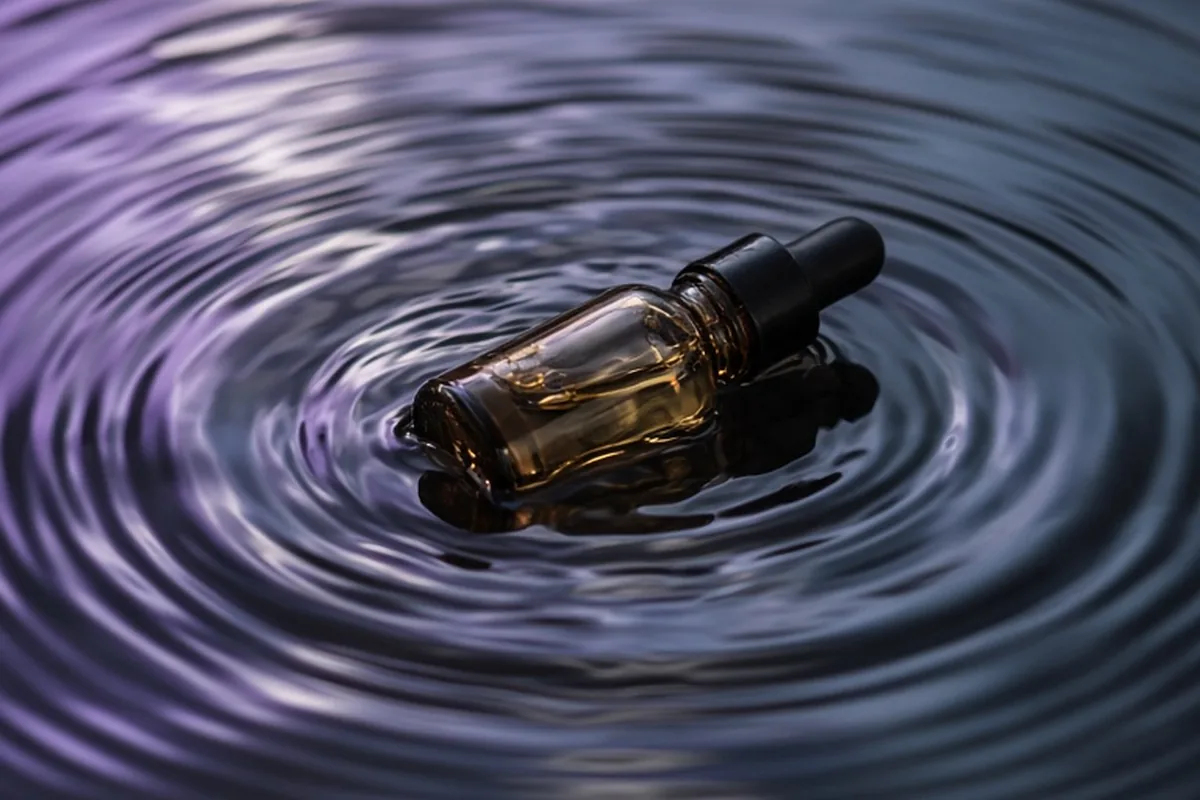
The ideal moisturizer for fine Black hair is a lightweight, water-based lotion, milk, or spray formulated with hydrating humectants such as aloe vera, vegetable glycerin, or provitamin B5. Fine textured strands have a narrow diameter and fewer cuticle layers, making them easily weighed down by heavy butters like raw shea or cocoa butter. Opt for airy emulsions sealed with featherweight oils like jojoba, argan, or grapeseed to hydrate without sacrificing volume.
Caring for fine Black hair requires balancing intense moisture needs with the delicate physical structure of slender strands. While coily and curly hair patterns naturally crave hydration due to the twists and turns along the hair shaft, fine strands lack the structural mass to support heavy, dense creams. Finding the right moisturizer means focusing on molecular penetration rather than surface coating.
Distinguishing Fine Strand Diameter from Low Density in Textured Hair
A common point of confusion when selecting hair products is the difference between hair width and hair density. Fine hair refers strictly to the thickness or diameter of individual strands, not how many hairs grow on the scalp. A person can have high-density hair, meaning hundreds of thousands of individual strands packed closely together, while each individual strand remains exceptionally fine. Conversely, low-density hair means fewer follicles per square inch, which makes the scalp more visible regardless of strand thickness.
Understanding this distinction is critical because fine Black hair contains a smaller cortex and often fewer cuticle layers than medium or coarse strands. Because the internal cortex provides the strand with tensile strength and elasticity, fine strands are structurally fragile. When you apply thick, heavy pomades or unrefined butters to fine coils, the sheer weight of the product pulls down the natural curl pattern, flattens root volume, and causes strands to stick together in clumps. Over time, heavy products can also increase friction between delicate hairs, accelerating mechanical breakage during styling and detangling.
Lightweight Ingredients That Hydrate Fine Black Hair Without Weighing It Down
Effective moisturization begins with water and water-soluble humectants that draw atmospheric moisture into the hair fiber. When reviewing ingredient lists, look for purified water, aloe vera leaf juice, rosewater, or coconut water listed as the very first ingredient. Humectants like glycerin, sodium PCA, panthenol (provitamin B5), and agave nectar are ideal for fine hair because they bind moisture to the strand without creating a greasy film. In addition, hydrolyzed proteins like silk, keratin, or oat amino acids temporarily patch micro-gaps in the fine cuticle layer, improving moisture retention while adding lightweight structural support.
Equally important is selecting the right emollient and sealing ingredients. While coarse hair may thrive on heavy coatings of castor oil, raw shea butter, or petroleum jelly, fine hair benefits far more from lightweight botanical lipids. Jojoba oil closely mimics natural scalp sebum and penetrates cleanly. Argan oil provides essential fatty acids and antioxidant protection with minimal residue. Grapeseed oil, squalane, and sweet almond oil offer high slip and brilliant shine while evaporating or absorbing cleanly. If a product contains shea butter or coconut oil, ensure they appear lower down the ingredient list, indicating they are part of a balanced, emulsified formulation rather than the primary base.
- Water, aloe vera juice, and herbal hydrosols for primary hydration
- Glycerin, panthenol, and sodium PCA to attract and bind water molecules
- Hydrolyzed silk, quinoa, or wheat amino acids for cuticle reinforcement
- Jojoba, squalane, grapeseed, and argan oils for weightless sealing
Comparing Water-Based Sprays, Hair Milks, and Styling Lotions
Moisturizers designed for textured hair come in several distinct delivery formats, each serving a specific role depending on styling preferences and daily maintenance routines. Liquid leave-in sprays and hydrating mists have the lowest viscosity. They disperse fine droplets evenly across the hair canopy, delivering hydration directly to the cuticle without clumping strands together. Sprays are particularly effective for daily wake-up routines, protective styles like box braids or twists, and fine hair that tends to get greasy within forty-eight hours of washing.
Hair milks and leave-in lotions represent the middle ground of formulation consistency. These products blend water and light oils into smooth, pourable emulsions that provide slip for gentle detangling while imparting lasting softness. Hair milks work exceptionally well applied to clean, damp hair before setting wash-and-go styles, roller sets, or flat twists. Thick hair butters, custards, and styling puddings, by comparison, should generally be reserved for high-hold updos or coarse hair textures, as their heavy wax and solid oil contents will cause fine curls to look dull, limp, and prone to rapid product accumulation.
Adjusting the LCO Method to Prevent Buildup on Fine Strands
The traditional LOC (Liquid, Oil, Cream) or LCO (Liquid, Cream, Oil) layering methods are cornerstones of textured hair care, but applying them without modification can quickly overwhelm fine strands. When multiple heavy layers are stacked on thin fibers, the hair becomes suffocated, preventing water from penetrating during subsequent washes and causing a gummy residue that attracts lint and dust.
To adapt this routine for fine hair, adopt a streamlined two-step process or use ultra-light product formulations. Begin with your liquid layer, which should be clean water or a water-based leave-in conditioner applied to freshly washed, damp hair. Follow immediately with a dime-to-quarter-sized amount of lightweight hair milk distributed from the mid-lengths down to the ends, deliberately avoiding the immediate scalp area to preserve natural body. If an oil sealant is necessary in dry climates, apply only two to three drops of squalane or jojoba oil warmed between your palms, smoothing it lightly over the ends rather than soaking the full length of the hair.
Managing Protein-Moisture Balance to Maintain Elasticity and Strength
Fine Black hair requires an intentional balance between softening hydration and reinforcing structural proteins. Because fine strands have less natural internal protein mass, relying exclusively on ultra-moisturizing conditioners without occasional protein reinforcement can lead to hygral fatigue. Hygral fatigue occurs when the hair cuticle repeatedly swells with water and contracts upon drying, weakening the strand until it becomes mushy, overly stretchy when wet, and incapable of holding its curl shape.
To maintain optimal elasticity, incorporate mild protein treatments or leave-in conditioners containing hydrolyzed proteins every two to four weeks. If your hair feels limp, excessively soft, or snaps easily with little resistance when stretched, it likely needs a light protein boost to rebuild internal rigidity. Conversely, if strands feel stiff, dry, brittle, or rough like straw despite regular moisturizing, your hair is experiencing protein overload and requires a temporary shift toward pure, protein-free humectants and deep moisture masks.
Overnight Care and Mid-Week Moisture Refreshing Strategies
Retaining moisture between wash days reduces the need for constant reapplication, which is the primary cause of product buildup on fine hair. Cotton pillowcases absorb natural oils and leave-in conditioners directly from your hair overnight while generating friction that creates micro-tears in fragile cuticles. Sleeping on a smooth silk or satin pillowcase or securing hair in a high, loose pineapple inside a satin bonnet prevents nighttime moisture loss and preserves your curl structure without requiring morning restyling.
When strands do begin to feel dry mid-week, resist the urge to slather on additional heavy creams. Instead, perform a targeted refresh using a continuous-mist spray bottle filled with distilled water mixed with a teaspoon of your favorite liquid leave-in conditioner. Lightly mist the mid-lengths and ends from an arm's length away, allowing the fine droplets to settle naturally. Gently scrunch or smooth the hair with clean hands, and allow it to air dry before manipulating. This technique reactivates the products already present on the strand without introducing heavy new layers.
Clarifying and Cleansing to Keep Fine Hair Receptive to Hydration
No moisturizer can function effectively if the hair surface is coated in old styling residue, silicones, and environmental minerals. Fine hair shows the negative effects of product buildup much faster than coarse hair; strands begin to look dull, feel perpetually dry regardless of what you apply, and lose their natural curl clumping. Co-washing (using cleansing conditioners alone) often fails for fine Black hair over extended periods because it lacks the surfactant strength needed to lift stubborn emollients and sebum from closely packed follicles.
Integrate a dedicated clarifying or chelating shampoo into your routine every two to three weeks, depending on your styling habits and local water hardness. Look for sulfate-free formulas that utilize gentle surfactants like cocamidopropyl betaine or sodium lauroyl sarcosinate paired with chelating agents like tetrasodium EDTA to strip away hard water deposits. Follow every clarifying session with a hydrating, lightweight rinse-out conditioner to instantly restore the lipid barrier and leave the cuticle smooth, flat, and ready to receive your daily moisturizer.
Frequently asked questions
Can I use raw shea butter or castor oil if I have fine Black hair?
Raw shea butter and black castor oil are generally too viscous and heavy for fine strands, causing them to clump together, lose volume, and attract lint. If you want the nourishing benefits of these ingredients, look for products where they are thoroughly emulsified with water and light carrier oils, or substitute them with lighter options like jojoba or argan oil.
How often should I moisturize fine Black hair?
Fine Black hair typically needs moisturizing every two to four days rather than daily. Because fine strands become weighed down quickly by product layering, it is best to hydrate thoroughly on wash day and use a light water-based mist mid-week only when the hair begins to feel dry to the touch.
Why does my fine hair feel dry even after applying a leave-in moisturizer?
This usually indicates product buildup blocking moisture absorption, an imbalance in hair porosity, or using a product that lacks adequate humectants. If your hair is coated in non-water-soluble silicones or heavy oils, clarify your strands thoroughly before applying a water-first leave-in conditioner to clean, damp hair.
Should I apply moisturizer to wet, damp, or dry fine hair?
Applying moisturizer to damp, towel-blotted hair yields the best results for fine textures. Damp hair has an open cuticle that readily absorbs water-based formulations, whereas applying product to soaking wet hair can dilute the moisturizer, and applying to bone-dry hair can lead to uneven, heavy distribution.
Your next step
Inspect your current leave-in products, set aside heavy butters or raw oils, and switch to a water-first, pump-spray or milk formula containing aloe vera and jojoba oil on your next wash day.