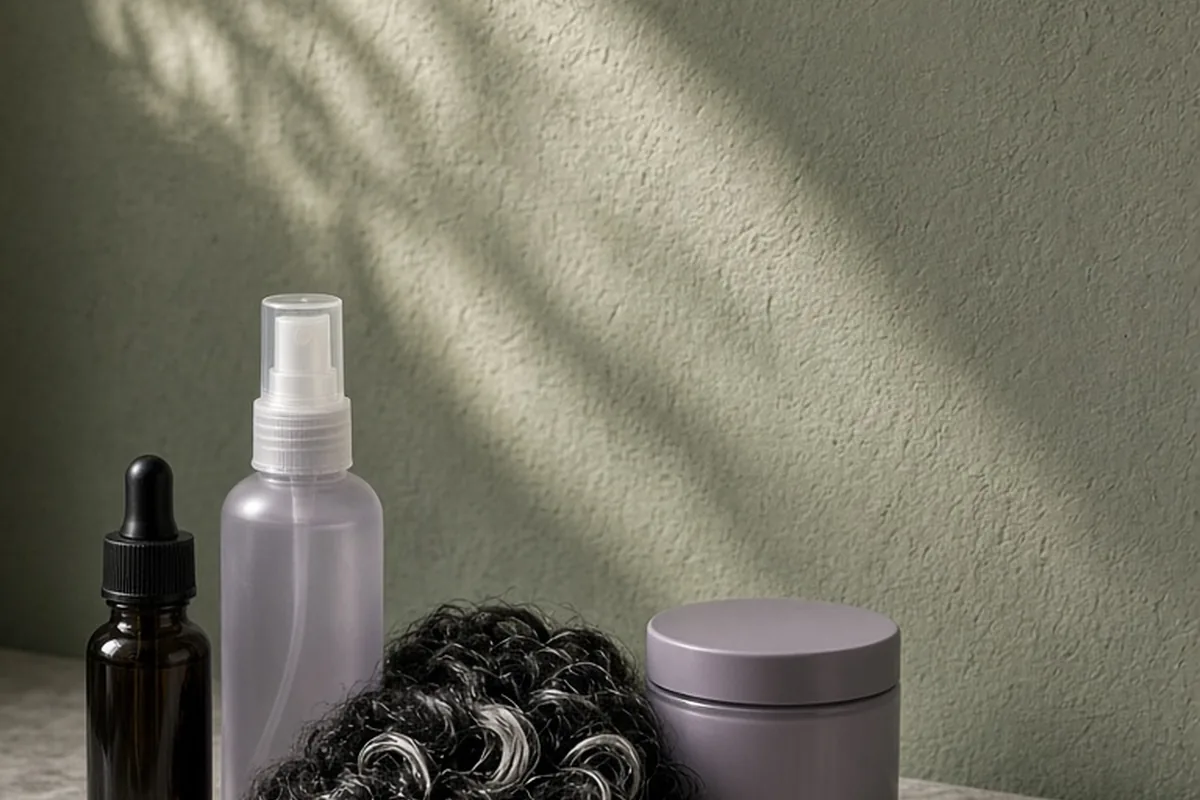
Finding the most effective moisturizer for Black hair for women over 40 requires prioritizing water-based leave-in formulas over heavy mineral greases, accounting for lower natural sebum production, and adapting to gray hair texture changes. Look for products listing water, aloe vera, or vegetable glycerin in the top ingredients to infuse real hydration, paired with lightweight plant oils or ceramides to lock moisture into drier, more fragile coils.
Navigating textured hair care after forty often requires an intentional pivot away from lifelong styling habits. As systemic hormonal shifts slow natural oil production and silver strands introduce new porosity patterns, hair that once thrived on heavy pomades can suddenly feel brittle, dull, or chronically parched.
How Aging and Hormonal Shifts Change Textured Hair Moisture Needs
As women enter their forties and navigate perimenopause or menopause, estrogen levels gradually decline, directly affecting the sebaceous glands on the scalp. These glands produce less natural sebum, meaning the natural lubricating oils that once traveled down the hair shaft decrease significantly. For tightly coiled and curly textures, where natural bends and twists already make it difficult for sebum to reach the ends, this reduction often manifests as sudden, widespread dryness and reduced elasticity.
Simultaneously, the diameter of individual hair fibers can decrease, resulting in finer strands that are more vulnerable to mechanical friction and moisture loss. Using heavy, suffocating products designed for youthful, dense hair often weighs these finer strands down, creating surface buildup while leaving the inner cortex dehydrated. Recognizing that dryness in your forties is driven by biological moisture depletion rather than a lack of heavy surface grease is the first step toward building a healthy, sustainable hydration routine.
Choosing Water-Based Moisturizers Over Heavy Greases for Mature Coils
True hair hydration comes exclusively from water, not from oils, butters, or petroleum-based pomades. When shopping for a daily or weekly moisturizer, inspect the ingredient label carefully: pure water, deionized water, or aloe vera juice must appear as the very first ingredient. Humectants like vegetable glycerin, hyaluronic acid, agave nectar, and panthenol (provitamin B5) draw ambient moisture from the atmosphere directly into the hair shaft, providing immediate suppleness to tight coils.
Heavy mineral oils, petrolatum, and dense waxes do not hydrate hair; instead, they act solely as occlusive barriers. While occlusives have a place in sealing moisture, applying them to dry hair creates a hydrophobic shield that blocks future water from entering. For mature textured hair, replace thick petroleum ointments with lightweight leave-in creams or milk lotions formulated with hydrolyzed proteins, ceramides, and botanical humectants that penetrate deep into the hair fiber without suffocating the strand.
Managing Graying Texture, Porosity Changes, and Cuticle Brittleness
Gray and silver hair strands lack melanin, which not only removes color pigment but also alters the structural protein matrix of the hair shaft. Many women over forty notice that their gray patches feel wiry, coarse, or resistant to moisture, while surrounding pigmented hair behaves completely differently. In reality, gray hair often possesses a tightly compacted cuticle layer that resists initial water absorption, yet once wet, it can lose that moisture rapidly if the cuticle remains raised or uneven.
To effectively hydrate resistant gray coils, incorporate gentle heat or warm water during your moisturizing sessions to temporarily lift the cuticle and allow humectants to enter. Look for formulations containing lightweight lipid replenishers, such as squalane, argan oil, or jojoba oil, which mimic natural sebum and soften the outer keratin structure of silver strands. Avoid heavily dyed or pigmented leave-in moisturizers that can stain silver hair yellow, choosing clear, white, or lightly tinted natural creams instead.
Balancing Scalp Hydration and Follicle Health Without Pore Clogging
It is essential to distinguish between a dehydrated scalp and dry hair strands, as treating both with the same heavy product can compromise follicle health. In your forties, an underactive scalp may feel tight, itchy, or flaky, leading many to slather rich hair butters directly onto the skin. Doing so can clog follicles, disrupt the scalp microbiome, and exacerbate age-related thinning around the crown and hairline.
Instead of heavy butters, soothe a dry mature scalp using targeted water-based scalp serums, dilute aloe rinses, or lightweight botanical oils with natural anti-inflammatory properties, such as rosemary-infused jojoba or tea tree oil in minimal concentrations. Apply rich leave-in moisturizers exclusively from the mid-lengths down to the ends of the hair, keeping the scalp clear, balanced, and primed for optimal follicle respiration.
Layering Techniques: Adapting the LCO and LOC Methods for Over-40 Hair
The sequence in which you apply moisture products determines how long hydration remains locked inside your coils. The Liquid-Cream-Oil (LCO) and Liquid-Oil-Cream (LOC) methods are standard frameworks, but mature hair often requires specific adjustments. If your hair has developed lower porosity with age, applying liquid (water or a liquid leave-in mist) followed by a hydrating cream, and finishing with a microscopic layer of oil (LCO) typically yields the best absorption without leaving a greasy residue.
Conversely, if your hair has high porosity from years of thermal styling or color processing, the LOC method can help trap moisture by applying oil immediately after liquid to fill cuticle gaps before smoothing on a protective butter or cream. Regardless of the method you choose, moderation is vital: dispense nickel-sized portions, work in small sections, and focus the highest concentration of sealing oils on the fragile, oldest ends of your hair.
Moisture Retention Routines: Washing, Steaming, and Night Care
Retaining moisture between wash days requires a cohesive regimen that protects delicate mature coils from environmental friction and mechanical breakage. Cleanse every seven to ten days with a sulfate-free, conditioning shampoo or cleansing cream to eliminate product residue without stripping baseline lipids. Integrating a monthly warm-steam treatment with a deep conditioner enhances water absorption deep into the cortex, restoring bounce and elasticity to aging hair.
Nighttime care is equally crucial for moisture longevity. Cotton pillowcases actively wick moisture away from textured hair and generate friction that snaps delicate edges. Protect your daily moisturizing efforts by sleeping on a high-grade silk or satin pillowcase or securing hair under a breathable satin bonnet. If ends feel dry midway through the week, lightly mist with water and a water-based leave-in before re-tucking them into a low-tension protective style like twists, braids, or a loose satin-scrunchie pineappled bun.
Illustrative Scenarios
Transitioning from Heavy Pomades to Layered Hydration
A 46-year-old woman noticed that her tightly coiled hair felt constantly dry and began snapping along the mid-shaft, despite applying thick petroleum grease daily as she had for decades. Her scalp felt congested, yet her ends remained crunchy. After learning about natural sebum reduction in mature hair, she clarified her scalp to remove residue and switched to a daily routine starting with an aloe-vera-based liquid mist, followed by a ceramide leave-in cream and two drops of argan oil on her ends. Within four weeks, her hair regained soft elasticity, and chronic flaking cleared.
Key point: Occlusive grease applied to dry hair seals out water; real hydration requires water-based humectants sealed with light oils.
Softening Resistant Gray Strands at the Temples
A 52-year-old woman developed prominent patches of wiry silver hair around her hairline that repelled her regular moisturizing creams, creating frizzy, unmanageable sections. She initially tried applying heavier edge controls, which caused buildup and skin irritation. Instead, she introduced a warm water spritz before applying a lightweight glycerin-and-squalane leave-in lotion, gently smoothing the gray sections under a satin scarf for fifteen minutes to let ambient body heat open the cuticle. Her silver coils softened significantly and integrated seamlessly with her dark coils.
Key point: Coarse gray patches require gentle thermal assistance and humectants rather than stiff holding gels to absorb moisture.
Frequently asked questions
How often should women over 40 moisturize Black hair?
Most women over 40 benefit from refreshing moisture every two to three days, depending on hair porosity and indoor climate. Lightly misting with water or an aloe-based spray followed by a dime-sized amount of leave-in cream maintains suppleness without causing buildup.
Does gray Black hair require a different type of moisturizer?
Yes, gray hair lacks melanin and often has a firmer cuticle structure that repels moisture. Choose clear or white water-based leave-in conditioners enriched with lightweight humectants like glycerin and squalane, avoiding heavy yellow oils or tinted pomades that could stain silver strands.
Why does hair still feel dry after applying natural oils?
Oils are sealants, not moisturizers; they contain no water to hydrate the inner cortex. Applying oil directly to dry strands seals dryness inside and blocks ambient humidity from entering, making hair feel brittle over time.
When should scalp dryness or thinning be evaluated by a professional?
If scalp dryness is accompanied by persistent redness, intense burning, patchy hair shedding, or widening parts, schedule an evaluation with a board-certified dermatologist or certified trichologist. These symptoms may indicate inflammatory scalp conditions or hormonal alopecia requiring medical intervention.
Your next step
Inspect your current hair products, replace heavy mineral greases with a water-first leave-in spray, and test an LCO application method on a single clean section tonight.