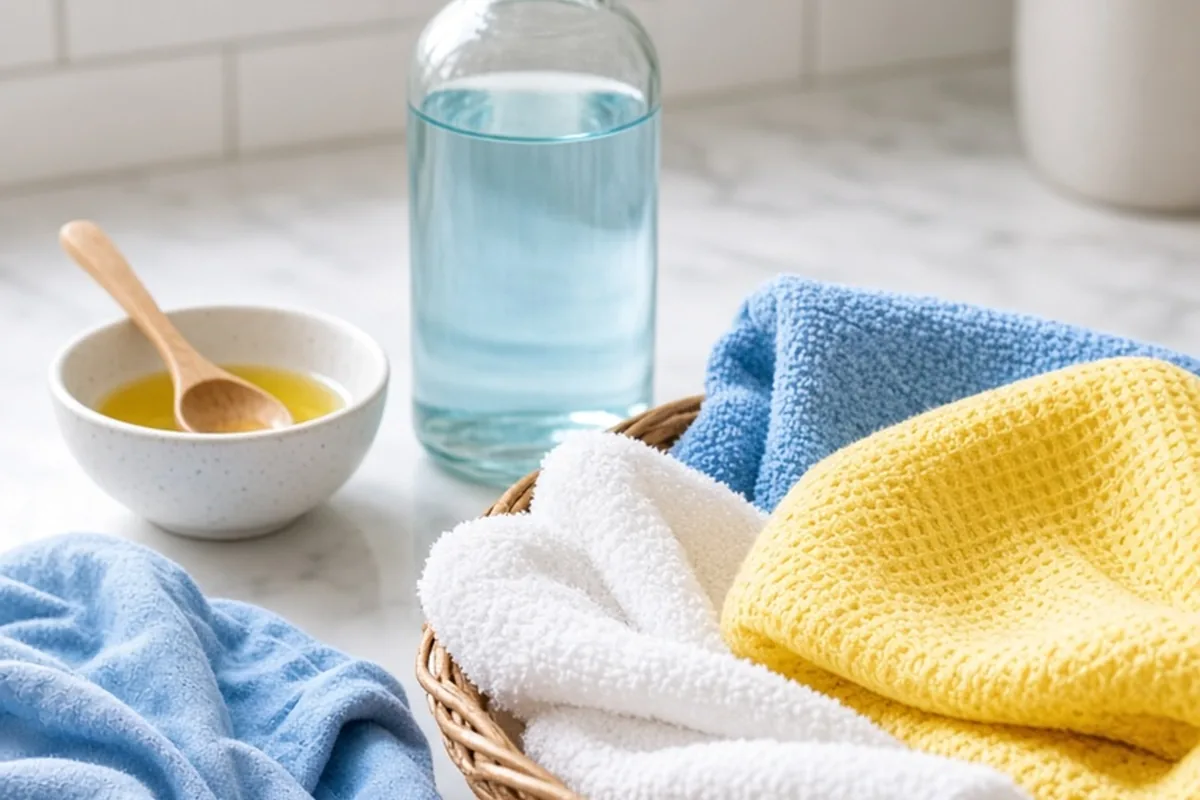
To moisturize Black hair effectively, always apply a water-based leave-in moisturizer to clean, damp hair before layering a plant-based oil or butter to lock hydration inside the hair shaft. Because tightly coiled strands naturally slow the journey of scalp oils down the hair fiber, consistent hydration routines like the Liquid-Oil-Cream method, paired with periodic clarifying and nighttime protection, prevent chronic dryness, breakage, and dullness.
Textured hair has unique structural bends and tight coils that make retaining internal hydration an ongoing priority. Knowing the difference between real hydration and topical sealing ensures your daily routine builds resilient, manageable, and vibrant strands.
Moisturizing Black Hair: True Hydration Versus Surface Sealing
A frequent challenge in textured hair care is confusing hydration with lubrication. True moisture comes from water and water-soluble humectants that penetrate the hair cuticle to increase the elasticity of the internal cortex. Oils, butters, and heavy pomades do not add water to dehydrated hair strands; instead, they function as hydrophobic barriers that slow down the rate at which water evaporates into the atmosphere. Applying an oil directly onto dry, unwashed hair coats the exterior without quenching internal thirst, which can lead to brittle strands that snap under moderate tension.
To achieve balanced moisture, your foundational product must feature water as the primary ingredient. When searching for an everyday moisturizer or leave-in conditioner, check that water, aloe vera juice, or an herbal infusion heads the formulation list. Ingredients like glycerin, agave nectar, panthenol, and sodium PCA act as moisture-attracting humectants, pulling ambient humidity into the hair structure. Once this water base is thoroughly distributed, applying a targeted botanical oil or rich lipid cream creates an effective seal that keeps the moisture captive for days.
Assessing Porosity to Guide Product Consistency
Porosity describes how readily your hair cuticles open and close to absorb and retain water. Low-porosity strands possess tightly bound, overlapping cuticle layers that resist moisture entry. When using heavy creams or thick butters on low-porosity hair, the product frequently sits on the surface, creating visible residue without improving flexibility. For low-porosity coils, lightweight, water-based lotions paired with gentle warmth during deep conditioning help lift the cuticle scale, allowing humectants and conditioning agents to travel deep into the strand.
Conversely, high-porosity hair features raised, chipped, or weathered cuticles resulting from routine mechanical friction, heat styling, coloring, or natural genetic patterns. While high-porosity hair absorbs water instantly, it loses that moisture just as rapidly through the gaps in the outer protective layer. This hair profile benefits from richer, denser leave-in creams formulated with fatty alcohols, plant butters, and hydrolysed proteins that temporarily patch gaps along the cuticle wall, helping the strand hold onto water significantly longer.
Ingredient Evaluation for Clean and Lasting Hydration
Selecting an effective moisturizer requires reading ingredient labels to understand how each compound interacts with textured curls. Look for natural emollients like shea butter, murumuru butter, mango seed butter, and jojoba seed oil. Jojoba oil closely mimics the molecular profile of natural human sebum, making it an exceptional choice for softening the hair fiber without generating excessive greasy residue. Fatty alcohols such as cetyl alcohol, stearyl alcohol, and cetearyl alcohol provide slip and detangling power while delivering emollient properties that smooth down the outer cuticle.
Be cautious with formulations that rely heavily on drying short-chain alcohols, such as alcohol denat or isopropyl alcohol, which can accelerate moisture loss. Similarly, while non-soluble silicones can provide temporary shine and slickness, they require regular clarifying shampooing to remove thoroughly. If you use heavy silicone-based serums without periodic deep cleansing, the resulting invisible film blocks subsequent water-based moisturizers from entering the strand, creating chronic dryness beneath a deceptively shiny exterior.
Applying the Liquid, Oil, and Cream Layering Techniques
Layering hair products in a deliberate sequence is an established method to prolong moisture retention across wash cycles. The classic Liquid-Oil-Cream sequence begins with a liquid base, such as clean water or an aloe-infused leave-in mist applied evenly across sectioned, damp hair. The second step involves smoothing a thin layer of botanical oil across the strands to act as a flexible moisture barrier. The final step seals the system with a rich styling cream or butter, which reinforces the cuticle layer, defines curl clusters, and prevents friction damage.
An alternative variation, the Liquid-Cream-Oil method, switches the order of the last two steps and often works better for medium-to-high porosity hair. In this variation, applying the heavy moisturizing cream immediately after the liquid allows creamy humectants and conditioning agents to blend directly into the water layer. Finishing with a pure oil forms a polished outer seal that locks both the liquid and cream layers beneath. Experiment with both orders on distinct sections of your hair after washing to observe which sequence leaves your strands softer and more pliable over multiple days.
Managing Product Buildup and Maintaining Scalp Cleanliness
A common mistake when managing dry textured hair is layering fresh moisturizer over dirty, coated hair fibers day after day. Over time, repeated applications of leave-in conditioners, oils, and styling gels combine with dead skin cells and environmental dust to produce heavy buildup. This layer dulls natural sheen, causes flaking, prevents fresh water from reaching the cortex, and can irritate delicate scalp skin. Regular moisture cannot replace the necessary function of a dedicated cleansing routine.
Incorporate a gentle sulfate-free shampoo for weekly or bi-weekly maintenance, alongside a stronger clarifying wash whenever your hair feels coated, limp, or unresponsive to regular conditioners. When cleansing, direct the shampoo primarily onto the scalp to lift excess sebum and debris, allowing the suds to rinse down the length of the strands without aggressive scrubbing. Once the hair shaft is clear of old residue, your moisturizing products will absorb uniformly, restoring bounce and definition without leaving greasy residue on your hands or pillowcases.
Protecting Moisture Overnight and During Seasonal Changes
Environmental factors and mechanical friction constantly pull hydration out of textured strands. Cotton pillowcases and rough bedding absorb natural oils and applied moisturizers directly from your hair overnight, leading to dry, tangled morning curls. Wearing a smooth satin or silk bonnet, or sleeping on a dedicated silk pillowcase, preserves your evening moisture application and reduces abrasive fiber-on-fiber friction. For longer styles or loose curls, gently gathering hair into loose high pineapples or two-strand twists under a scarf maintains product distribution and detangled structure through the night.
Seasonal climate swings also dictate adjustments to your moisturizing regimen. In hot, humid conditions, humectants can pull excessive moisture from the atmosphere into the hair, causing strands to swell, lose definition, and become frizzy. In dry, cold winter air, high-humectant formulas may pull moisture out of the hair shaft toward the parched environment. Counteract winter dryness by increasing the use of richer sealing butters and reducing high-humectant styling gels, while leaning into lighter leave-in sprays and balanced stylers during humid summer months.
Frequently asked questions
How often should you apply moisturizer to Black hair?
Most textured hair types benefit from moisturizing every two to three days, though the ideal frequency depends on your porosity, climate, and styling choices. If your strands feel brittle, stiff, or sound raspy when touched, mist lightly with water and apply a leave-in moisturizer immediately.
Can you moisturize Black hair while it is dry?
While you can apply light creams to dry hair, moisturizers perform most effectively when applied to slightly damp or misted strands. Introducing water or an aloe mist before applying a product ensures the humectants have actual liquid to drive into the hair shaft.
Does natural oil moisturize textured hair on its own?
No, natural oils provide lubrication, slip, and sealing properties, but they do not contain water to hydrate the hair fiber. Always apply a water-based product or leave-in conditioner first, then apply oil over top to trap that moisture inside.
Why does my hair still feel dry after applying heavy hair butter?
Heavy butters seal existing conditions; if applied to dry or product-coated hair, they create a barrier that prevents external moisture from entering. Clarify your hair to remove old product buildup, then apply your butter over freshly washed, damp strands to lock in hydration.
Your next step
Examine your current hair products, ensure your daily leave-in lists water as the primary ingredient, and apply it to damp hair before sealing with your favorite botanical oil.