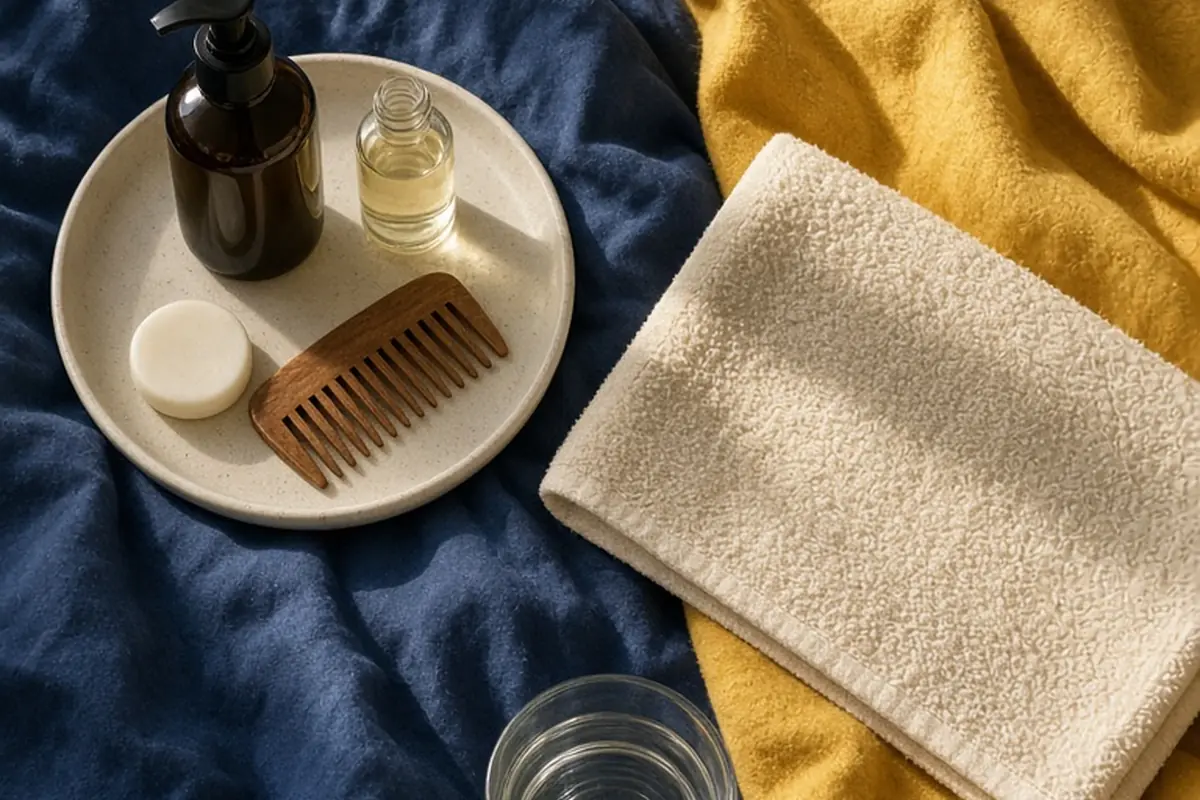
The primary difference between using moisturizing shampoo at home and receiving a salon wash lies in formula concentration, water delivery, and application technique. Professional salon cleansers often feature concentrated humectants and specialized surfactant systems tailored to specific hair textures on the spot. While regular at-home washes provide daily or weekly maintenance to prevent moisture loss, in-salon cleansing incorporates mechanical scalp stimulation, controlled water temperature, and custom product layering that targets deep structural dryness more effectively than a standard home routine.
Navigating hair hydration often comes down to choosing between convenient at-home washing routines and professional in-salon cleansing services.
Formulation Differences Between Retail and Salon Moisturizing Shampoos
Retail moisturizing shampoos found in grocery stores and drugstores are formulated to serve a wide range of consumers with varying wash habits. Because manufacturers design these products for mass distribution, they typically rely on stable surfactant bases combined with standardized conditioning agents such as silicones, polyquaterniums, and basic fatty alcohols. These ingredients coat the hair shaft to provide immediate slip, detangling, and a soft exterior feel. While this surface smoothing helps reduce friction during brushing, it can sometimes mask underlying dehydration or lead to product buildup if used too frequently without clarifying.
In contrast, professional salon moisturizing shampoos generally utilize higher concentrations of targeted active ingredients and gentler, secondary surfactant blends. Salon-grade cleansers often feature hydrolyzed proteins, micro-emulsified botanical oils, and refined humectants like panthenol or glycerin variations engineered to penetrate the cuticle layer rather than simply sitting on top of it. Stylists select these formulations based on immediate assessment of hair elasticity, density, and chemical history, allowing for targeted moisture delivery without weighing down fine strands or under-saturating coarse textures.
Water Pressure, Heat Control, and Professional Application Technique
Beyond the chemical makeup of the shampoo itself, the physical method of washing dramatically changes how much hydration your hair retains. In a salon environment, the wash basin setup offers continuous, high-volume water flow at calibrated temperatures. A stylist typically spends several minutes thoroughly saturating the entire hair mass before applying cleanser, ensuring that dense or tightly coiled sections are fully wet. Adequate saturation opens the hair cuticle slightly and dissolves existing water-soluble residues, creating an optimal surface for the moisturizing surfactants to work without excessive friction.
Application technique at home often involves quick scrubbing motions that can ruffle the hair cuticle, cause tangling, and concentrate product solely on the crown or hairline. Salon professionals use systematic sectioning and deliberate massage motions with the pads of their fingers to work the lather from the root down the hair shaft. This method stimulates the scalp without abrading the hair strands, maximizes contact time for conditioning agents, and ensures the shampoo is rinsed away completely, preventing dulling residue that can block moisture absorption in subsequent styling steps.
Evaluating Moisture Needs Across Different Hair Textures and Porosities
Hair texture and porosity heavily dictate whether an at-home moisturizing shampoo is sufficient or if professional intervention is required. Fine or low-porosity hair has tightly bound cuticle scales that resist moisture penetration, often causing heavy moisturizing shampoos to sit on the surface, making hair look limp and greasy. At home, low-porosity strands require lightweight humectants and warm water to encourage the cuticle to accept hydration. In a salon, stylists can pair specialized lightweight cleansers with indirect heat or steaming to open the cuticle safely.
High-porosity, chemically treated, or tightly textured hair requires an entirely different balance of hydration and lipid replenishment. High-porosity strands absorb water rapidly but lose it just as quickly due to gaps in the cuticle structure. While regular at-home washes using rich, sulfate-free cleansers are essential for preventing brittle breakage between appointments, salon moisturizing treatments combine balanced pH shampoos with deep-penetrating reconstructors. This dual approach fills structural gaps and seals moisture inside the cortex far more securely than everyday shampoos can achieve alone.
Water Quality and Hard Water Build-Up at Home vs Controlled Salon Systems
The mineral content of your household water plays an understated yet significant role in how moisturizing shampoos perform. Many residential water supplies contain elevated levels of dissolved minerals such as calcium, magnesium, and iron. When hard water mixes with at-home moisturizing shampoos, these minerals bond with fatty acids and surfactants to create an insoluble film known as soap scum. Over time, this mineral barrier prevents hydrating ingredients and conditioners from entering the hair fiber, leaving hair feeling paradoxically dry, rough, and stiff despite regular use of moisturizing formulas.
Many professional salons install specialized filtration and water softening systems directly onto their wash bowls to eliminate mineral interference, chlorine, and sediment. Washing hair with treated, soft water allows moisturizing cleansers to lather evenly and rinse cleanly without leaving mineral deposits. This clean baseline enables conditioning agents to bind directly to the keratin structure of the hair. If your hair feels softer, glossier, and more hydrated after a salon visit, the difference is frequently linked to the absence of mineral accumulation in the salon's water supply.
Cost Analysis, Frequency, and When to Choose Salon Cleansing Over Home Washing
Evaluating at-home washing versus professional salon services requires balancing ongoing financial investment with your hair's specific therapeutic needs. At-home moisturizing shampoos represent an accessible, low-cost per-wash option that provides continuous maintenance for healthy to moderately dry hair. Maintaining a dedicated home routine is necessary for hygiene and day-to-day moisture management, as regular salon visits alone cannot replace routine cleansing intervals.
However, investing in a salon cleansing and moisturizing service becomes advantageous when your hair exhibits severe dehydration, chronic tangling, chemical damage from bleaching, or scalp dryness that retail products fail to correct. Salon services carry higher per-visit costs because they incorporate professional diagnosis, customized product combinations, specialized equipment, and dedicated labor. Rather than viewing salon visits as a direct replacement for weekly home washes, it is practical to treat them as targeted resets that restore moisture balance before resuming your standard at-home care.
How to Improve Your At-Home Moisturizing Shampoo Results
You can significantly narrow the performance gap between at-home washes and salon results by adopting several professional washing habits in your own bathroom. Start by thoroughly rinsing your hair with warm water for at least two full minutes before applying shampoo, ensuring every layer is drenched. Instead of dumping product directly onto the crown, emulsify a quarter-sized amount between wet palms first, then distribute it evenly across the scalp, focusing on the nape, temples, and vertex while letting the lather gently rinse through the lengths.
Additionally, evaluate your home environment by testing your tap water for hardness and considering an inline shower filter if mineral buildup is present. To prevent moisture-blocking residue, incorporate a gentle clarifying wash once every few weeks before applying your moisturizing cleanser and a rich conditioner. Always follow cleansing with a dedicated leave-in conditioner or water-based hydrator on damp hair to lock in the moisture introduced during the wash, replicating the multi-step hydration process used by professional stylists.
Frequently asked questions
Can I use a salon moisturizing shampoo as my everyday home cleanser?
Yes, salon moisturizing shampoos can be used at home, provided the formula matches your hair texture and porosity. Because professional formulas tend to be more concentrated, you typically need to use less product per wash than you would with a retail alternative.
Why does my hair feel cleaner and softer after a salon wash compared to home?
Salons combine professional-grade water filtration, customized cleanser blending, and thorough mechanical massage that properly saturates and rinses the hair. This complete removal of product buildup and mineral residue allows hydrating ingredients to perform at their full potential.
How often should I get a professional moisturizing wash if I already wash at home?
For most hair types, scheduling a professional wash and deep-conditioning treatment every four to six weeks is sufficient to reset hydration levels and address any environmental or chemical dryness. Those with heavily processed or high-porosity hair may benefit from more frequent visits.
Your next step
Assess your current hair porosity and local water hardness this week to decide whether to adjust your at-home shampoo application technique or book an in-salon hydration reset.