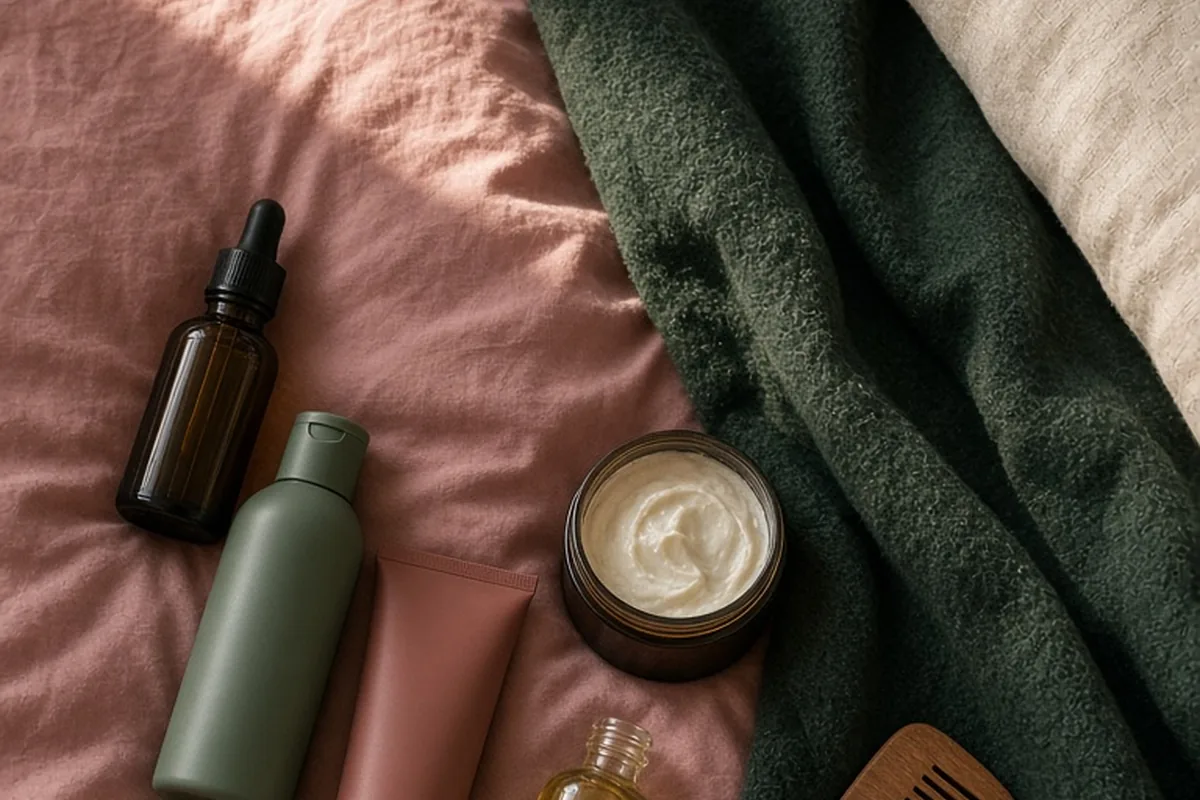
A beginner routine built around moisturizing shampoo relies on protective pre-wash treatments and targeted post-wash hydrators. Before washing, applying a pre-shampoo oil or treatment prevents moisture loss and detangles dry strands. During the wash, a gentle moisturizing shampoo lifts dirt without stripping natural oils. Afterward, apply a rinse-out conditioner or deep mask to replenish moisture, followed by a leave-in conditioner and a light sealing oil or serum on damp hair to lock in lasting softness.
Starting a new hair care routine can feel overwhelming when shelves are packed with oils, serums, masks, and sprays that claim to fix dry or brittle hair. Focusing solely on shampoo often leaves hair feeling incomplete, either because the cleansing step strips the fiber or because the hair lacks a protective barrier afterward. By organizing products into distinct pre-wash, cleansing, and post-wash categories, beginners can easily build a reliable routine that keeps strands hydrated, manageable, and resilient.
Pre-Shampoo Treatments: Protecting Hair Fibers Before Cleansing
A pre-shampoo treatment, often called a pre-poo, is a protective layer applied to dry or slightly damp hair before you step into the shower. When hair absorbs water during washing, the inner cortex swells while the outer cuticle lifts. Repeated swelling and contracting from frequent washing can weaken delicate strands, a process known as hygral fatigue. Applying an oil, butter, or specialized bonding emulsion before shampooing creates a temporary hydrophobic shield that reduces excess water absorption and softens friction during lathering.
For beginners, incorporating a pre-shampoo step significantly minimizes mid-wash tangles and breakage. If your hair is coarse, dry, or color-treated, smoothing a lightweight plant oil or a rich detangling cream through your mid-lengths and ends five to thirty minutes before washing allows the formula to lubricate tangled fibers. This makes it far easier to finger-detangle before getting into the shower, ensuring that the shampoo can clean your scalp without forcing you to pull through stubborn, water-soaked knots.
Selecting the Right Pre-Wash Product for Your Hair Texture
Not all hair textures require the same pre-wash approach. Fine or low-porosity hair can easily become weighed down if you apply heavy, dense butters before cleansing. If you have fine strands, look for light pre-wash sprays, aloe-based detanglers, or lighter oils such as jojoba or sweet almond oil. Focus application strictly on the oldest parts of your hair—the ends—and avoid applying heavy oils directly to your scalp unless you are addressing specific dry scalp flakes.
Conversely, thick, high-porosity, or tightly coiled textures benefit from heavier penetrating oils, such as coconut or avocado oil, and rich commercial pre-poo balms. High-porosity hair loses internal moisture rapidly through lifted cuticles, so a dense pre-treatment fills the microscopic gaps along the hair shaft. Allow the treatment to sit under a warm towel or plastic cap for fifteen to twenty minutes before washing to encourage deep softening without interfering with the cleansing power of your moisturizing shampoo.
The Role of Moisturizing Shampoo in a Multi-Step System
A moisturizing shampoo serves as the bridge between your pre-wash prep and your post-wash nourishment. Unlike clarifying formulas designed to strip away every trace of residue, moisturizing shampoos use milder cleansing agents combined with humectants, such as glycerin or panthenol, and conditioning fatty alcohols. The objective is to lift excess sebum, sweat, and environmental dust from the scalp while preserving the protective lipids on the hair fiber itself.
When using a moisturizing shampoo, concentrate the lather on the scalp rather than piling your ends on top of your head. Gently massage your scalp with the pads of your fingers in circular motions to dislodge buildup. As you rinse, the diluted suds will naturally wash down the lengths of your hair, removing any excess pre-shampoo oil without roughing up the cuticles or leaving your strands feeling squeaky, brittle, or stripped.
Post-Wash Rinse-Out Conditioners and Deep Conditioning Masks
Immediately after rinsing away your moisturizing shampoo, applying a rinse-out conditioner or deep mask is essential for restoring softness and lowering the hair cuticle. Shampoos naturally raise the cuticle slightly during the cleaning process, and conditioners work by coating the hair with positively charged conditioning agents that neutralize friction, smooth the surface, and impart slip. Squeeze out excess water before application so the conditioning product is not diluted by soaking-wet strands.
Beginners often wonder whether to use a daily rinse-out conditioner or a deep conditioning mask. A standard rinse-out conditioner works in one to three minutes, providing quick slip and detangling for normal wash days. A deep conditioning mask contains higher concentrations of emollient oils, fatty acids, and hydrolyzed proteins, requiring five to twenty minutes of processing time. Using a deep treatment once a week or every two weeks offers intensive repair for parched strands, while a lighter conditioner suffices for frequent wash schedules.
Leave-In Conditioners and Detangling Milks for Daily Moisture
Once you step out of the shower and gently blot your hair with a microfiber towel or cotton T-shirt, a leave-in conditioner provides the primary post-wash hydration base. Unlike rinse-out formulas, leave-in conditioners are formulated with lighter weight emulsions that remain on the hair without leaving a gummy or stiff residue. They replenish lost water, keep the hair pliable, and create an even foundation for any styling products that follow.
Distribute your leave-in conditioner evenly through damp hair using a wide-tooth comb or your fingers, working from the ends upward toward the mid-lengths. If you have fine hair, look for water-based mist leave-ins that offer slip without sacrificing volume. For denser, textured, or curly hair, creamy detangling milks containing shea butter, argan oil, or marshmallow root extract provide the necessary weight to prevent mid-day frizz and tangling.
Sealing and Protecting: Oils, Serums, and Heat Protectants
Moisture refers to water, but water naturally evaporates into the surrounding air unless it is trapped with an occlusive agent. Applying a sealing oil or silicone-based serum as the final post-wash step forms a protective barrier over the leave-in conditioner. This practice is the basis of traditional moisture layering routines (often referred to as the Liquid-Oil-Cream or Liquid-Cream-Oil method). A few drops of argan, jojoba, or marula oil smoothed over the ends lock in moisture and add visible shine.
If your post-wash routine involves blow-drying, diffusing, or flat ironing, an effective heat protectant is non-negotiable. Heat protectants use polymers and silicones to slow down heat conduction and distribute high temperatures evenly across the strand. Apply your heat protectant while the hair is still damp, ensuring complete coverage before applying direct heat tools, as dry or unshielded strands are significantly more vulnerable to thermal damage and split ends.
Balancing Product Layering to Prevent Heavy Buildup
While layering pre-wash oils, moisturizing shampoos, deep conditioners, leave-ins, and serums provides comprehensive care, using too many heavy products at once can lead to buildup. When excess residue coats the hair shaft, it forms an impermeable layer that blocks fresh moisture from penetrating in subsequent washes, resulting in hair that feels simultaneously limp, coated, and dry at the ends.
To maintain healthy balance, adjust product weights based on how your hair responds over several wash cycles. If your roots look greasy on the second day, reduce the quantity of leave-in cream or switch your pre-shampoo oil to a lighter formula. Additionally, incorporate a gentle clarifying shampoo once every three to four weeks to reset your scalp and hair fiber, clearing away accumulated oils and silicones so your moisturizing products can continue to absorb effectively.
Frequently asked questions
Can I use coconut oil as a pre-shampoo treatment for all hair types?
Coconut oil is rich in lauric acid, which penetrates deep into the hair shaft and works well for coarse or high-porosity hair. However, fine, low-porosity, or protein-sensitive hair may become stiff or brittle with frequent coconut oil use. For fine or easily weighed-down hair, lighter oils like jojoba or squalane are generally better alternatives.
Do I need to use both a rinse-out conditioner and a leave-in conditioner?
Using both provides optimal results for dry, curly, or textured hair because they serve different purposes. A rinse-out conditioner detangles and seals the cuticle in the shower, while a leave-in conditioner stays on the hair to maintain hydration and protect against atmospheric dryness throughout the day. Those with very fine or oily hair may occasionally skip the rinse-out step if using a rich leave-in.
How long should I leave a pre-shampoo oil on before washing?
For most hair types, fifteen to thirty minutes is sufficient to soften strands and protect against water-induced swelling. If your hair is severely dry or brittle, leaving an oil treatment on for up to an hour or applying gentle warmth with a warm towel can improve softness. Avoid leaving raw food-grade oils on the scalp overnight, as prolonged oil exposure can irritate sensitive scalp skin.
When should I apply hair oil: on wet hair or dry hair?
Applying a few drops of sealing oil to damp hair directly over your leave-in conditioner helps trap water inside the hair cuticle. You can also smooth a tiny amount of oil over completely dry ends to tame flyaways and add shine, but damp application remains the most effective method for long-term moisture retention.
Your next step
Assess your hair's texture and porosity this week, then select one lightweight pre-shampoo oil and one water-based leave-in conditioner to pair with your moisturizing shampoo for your next wash day.