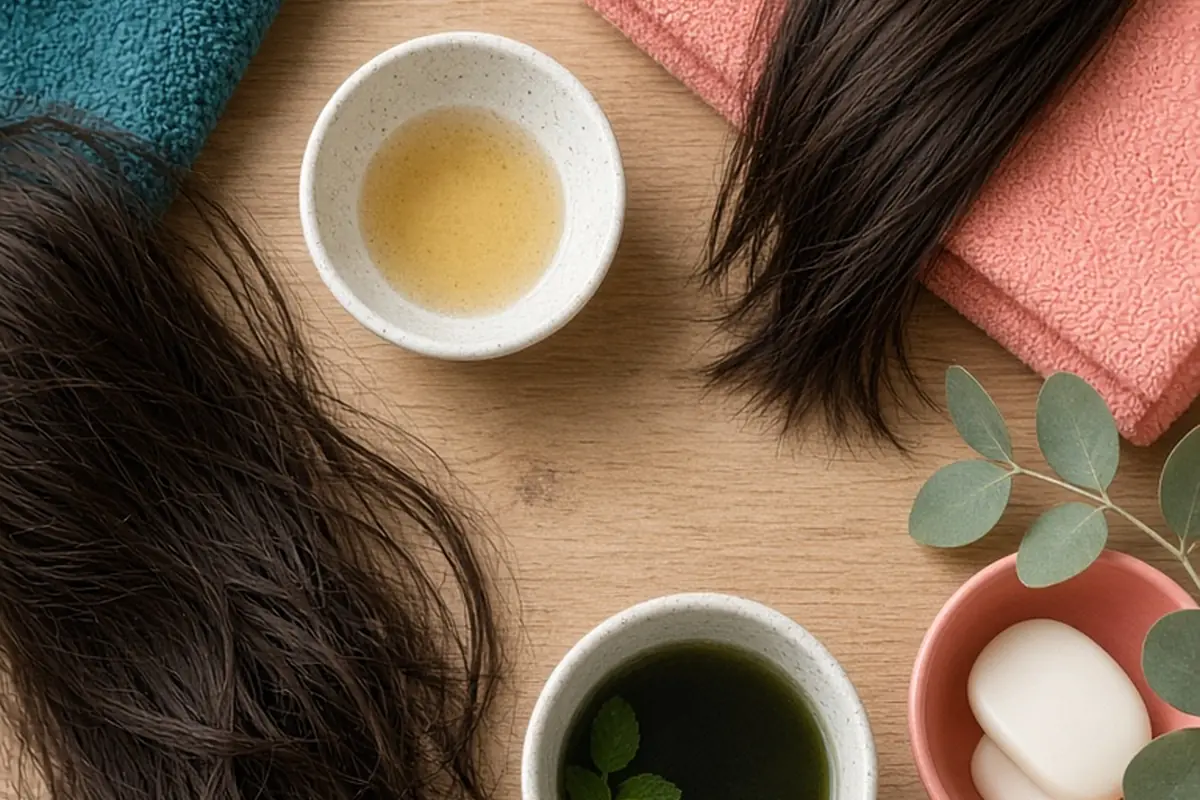
Salon moisturizing shampoo services generally appear either as an included step within a standard wash and style service or as an upgraded backbar hydration add-on. Total appointment costs depend on stylist seniority, local salon overhead, product line formulations, hair length, and hair density. Before the service, dry hair often shows rough cuticles, dullness, and tangled strands; after professional cleansing, hair gains noticeable slip, elasticity, and softness. To avoid unexpected checkout charges, ask your stylist during the consultation whether specialized hydrating cleansers carry separate product surcharges.
Navigating salon service menus can be confusing when standard cleansing steps blur into premium hydration treatments. Understanding how professional moisturizing shampoos work, what visible changes they produce, and how salons calculate backbar service pricing allows you to plan your hair care budget with confidence.
What Happens to Hair Before and After a Salon Moisturizing Shampoo
Before a professional moisturizing shampoo service, hair frequently exhibits environmental dehydration, product buildup, and rough cuticle alignment. Daily exposure to hot tools, dry indoor air, hard water minerals, and harsh clarifying cleansers strips the natural lipid layer that protects the hair shaft. This state leaves strands feeling brittle, looking dull, and tangling easily at the ends. For individuals with naturally curly, coily, or high-porosity hair, this lack of moisture often manifests as exaggerated frizz, diminished curl definition, and reduced elasticity that makes detangling uncomfortable.
During the salon wash, the stylist adjusts water temperature and uses targeted mechanical massage to distribute the moisturizing cleanser across the scalp and through mid-lengths without causing friction damage. Professional moisturizing shampoos utilize concentrated humectants, fatty alcohols, and gentle surfactant bases designed to cleanse without stripping essential sebum. Following the wash and rinse, the immediate physical transformation is clear: cuticles lay flatter, moisture retention within the cortex improves, and the hair exhibits substantial slip. After styling, the finished hair displays enhanced reflective shine, bouncier movement, and improved manageability that lasts through several subsequent home styling sessions.
How Salons Structure Charges for Moisturizing Shampoo and Backbar Care
Salons rarely list a standalone moisturizing shampoo as an isolated item on their front-facing service board. Instead, the wash is typically integrated into broader service categories such as a wash and blow-dry, a baseline haircut package, or a multi-step restorative treatment. When a client requests a specialized hydrating wash, the stylist may use standard salon-tier inventory or reach for a premium backbar line that triggers an automated service add-on fee.
The baseline rate of any salon wash is heavily influenced by the facility's business model and geographic location. High-rent metropolitan salons naturally factor steeper commercial overhead into their basic wash basin services compared to suburban or independent suite-based stylists. Additionally, salons that operate on an unbundled, a la carte pricing structure bill every phase of the appointment separately. In those environments, the initial wash, the specific moisturizing formulation applied, the deep conditioning seal, and the rough blow-dry each appear as distinct line items on the final itemized receipt.
Stylist experience levels also introduce wide pricing tiers across the same salon floor. A master stylist or creative director commands higher rates for standard wash and styling appointments than an apprentice or junior stylist, even when identical moisturizing cleansers are used at the shampoo bowl. Clients should recognize that salon labor rates reflect technical time, scalp assessment expertise, and styling proficiency alongside the cost of the liquid product dispensed.
The Role of Hair Texture, Length, and Porosity in Salon Hydration Invoices
Hair density and total length represent primary operational variables when salons calculate product use and labor time. Standard service quotes generally assume average shoulder-length hair of medium density. When a client possesses thick, waist-length hair or tightly coiled textures requiring extensive sectioning and saturation, the stylist must dispense double or triple the volume of moisturizing cleanser to achieve uniform distribution.
Textured and coily hair types often require deliberate, low-manipulation washing techniques and slow, section-by-section detangling under running water. This care prevents mechanical breakage but extends the time spent at the shampoo bowl from a routine ten minutes to thirty minutes or more. Salons frequently manage these variations by instituting density surcharges, long-hair fees, or hourly labor adjustments rather than increasing the base shampoo price directly.
Porosity further dictates how much product the hair absorbs during the washing process. High-porosity hair drinks up liquid cleansers and conditioning agents rapidly, necessitating repeated applications or complementary pre-cleansing oils to protect vulnerable ends. When scheduling an appointment, providing accurate details regarding your hair length, density, and chemical history helps the salon reserve adequate time and provide an accurate upfront quote.
Comparing Professional Salon Washes to At-Home Moisturizing Routines
Evaluating whether to pay for frequent salon moisturizing washes or invest in high-grade home products comes down to formulation chemistry, application technique, and long-term cost distribution. Professional salon backbar shampoos contain high concentrations of active ingredients, balanced surfactant blends, and refined conditioning polymers that may not be available in mass-market retail channels. Furthermore, salons benefit from professional basin water pressure, adjustable temperature controls, and water filtration systems that optimize product performance.
However, relying solely on salon appointments for regular hair hydration can become financially unsustainable over time. An effective compromise for most individuals involves reserving salon moisturizing washes for chemical service days, seasonal transitions, or trim appointments, while maintaining results at home with quality retail hydrating shampoos. While an at-home bottle requires an upfront retail purchase, the cost per use is significantly lower than recurring salon service fees.
To replicate salon-quality results at home, technique matters as much as the bottle on your shelf. Salon stylists thoroughly saturate the hair with warm water for at least two minutes before dispensing product, emulsify the shampoo between their palms, focus application strictly on the scalp, and allow the lather to gently rinse through the lengths without vigorous scrubbing. Adopting these salon washing habits at home protects your hair's moisture balance between professional salon visits.
How to Ask for Transparent Treatment Pricing During Your Consultation
Misunderstandings regarding salon pricing almost always stem from unstated assumptions made prior to the wash. When a stylist asks at the shampoo bowl if you would like to try a special hydrating formula, a mint scalp scrub, or a moisture-locking rinse, they are often presenting an optional add-on that carries an additional charge. Because the backbar experience feels seamless, clients may assume these recommendations are complimentary inclusions in their base service.
Establishing clear communication during the initial styling chair consultation protects you from unexpected costs. Before moving to the wash station, ask the stylist directly whether the quoted price covers the standard wash or includes targeted hydration products. A practical approach is to ask: Does this service quote cover the specialized moisturizing wash, or is that billed as an additional treatment on my final receipt?
If your budget is fixed, communicate your boundary clearly without embarrassment. Professional stylists work within client budget parameters every day and can adjust their product selections accordingly. If a recommended deep hydration treatment exceeds your planned spending for the visit, you can simply ask the stylist to proceed with the standard house moisturizing shampoo and suggest an at-home product you can purchase later.
Maintaining Post-Salon Hair Moisture and Extending Your Investment
The benefits of a professional salon moisturizing wash can dissipate quickly if post-salon care is neglected. The immediate post-wash period is critical: cuticles are smoothed and lipid content is balanced, but exposure to high heat tools or chlorine can reverse these gains within hours. To protect your salon results, avoid washing your hair for at least forty-eight hours after a deep hydrating salon appointment to allow conditioning agents to remain settled on the fiber surface.
When you resume your home routine, examine the environmental factors in your bathroom. Municipal tap water containing heavy mineral deposits like calcium and magnesium binds to hair proteins, creating a filmy barrier that blocks moisture absorption and hardens hair fibers. Installing a showerhead filter neutralizes these minerals, preserving the softness achieved during your salon visit.
Complement your wash routine with moisture-retention habits throughout the week. Sleep on a silk or satin pillowcase to reduce fabric friction that wicks away natural oils, and apply a lightweight leave-in conditioner or botanical oil to the mid-lengths and ends before detangling. These protective practices prolong the smooth, hydrated feel of your hair and stretch the necessary interval between salon appointments.
Illustrative Scenarios
Clarifying Add-On Costs During a Seasonal Moisture Service
A client with dense, naturally dry curly hair booked a standard trim and wash after months of winter indoor heating left their hair feeling brittle. During the basin consultation, the stylist noted substantial cuticle dryness and suggested a concentrated backbar hydration cleanse instead of the house shampoo. Rather than assuming the upgrade was bundled into the standard cut price, the client inquired about the pricing structure for the specialty wash and extra detangling time. The stylist explained that the intense moisturizing wash carried an add-on product fee and a fifteen-minute labor extension charge for gentle curl detangling. The client approved the adjusted quote, and the stylist completed the thorough hydration service without any surprises when the final bill was presented.
Key point: Asking direct questions about product upgrades and extended basin time before the wash begins ensures transparent billing and aligns expectations between client and stylist.
Frequently asked questions
Is a salon moisturizing shampoo different from a deep conditioning treatment?
Yes. A moisturizing shampoo is a cleansing product formulated with gentle surfactants and humectants to remove debris while preserving natural moisture. A deep conditioning treatment is a post-cleansing step that uses concentrated proteins, lipids, and emollient masks left on the hair with heat or steam to reconstruct and deeply hydrate the cortex.
Why do some salons charge extra for thick or long hair during a wash?
Thick and long hair requires significantly more product volume to ensure full saturation and takes extra stylist time to detangle and rinse thoroughly. Salons apply density or length surcharges to cover both the increased backbar product consumption and the additional labor time spent at the shampoo bowl.
Can a moisturizing shampoo weigh down fine, oily hair?
It can if the formula contains heavy plant butters or mineral oils unsuitable for fine strands. Clients with fine hair should request lightweight humectants, such as glycerin or aloe-based formulations, that hydrate the hair shaft without leaving a heavy, greasy residue on the scalp.
How often should you get a professional moisturizing wash at a salon?
Most clients benefit from a professional salon wash and treatment every four to six weeks, often aligned with routine trims or color maintenance. In between visits, using a balanced sulfate-free hydrating shampoo at home maintains healthy moisture levels without recurring salon labor costs.
Your next step
Contact your salon before your next appointment to request an itemized service estimate that explicitly details wash upgrades, styling inclusions, and hair density fees.