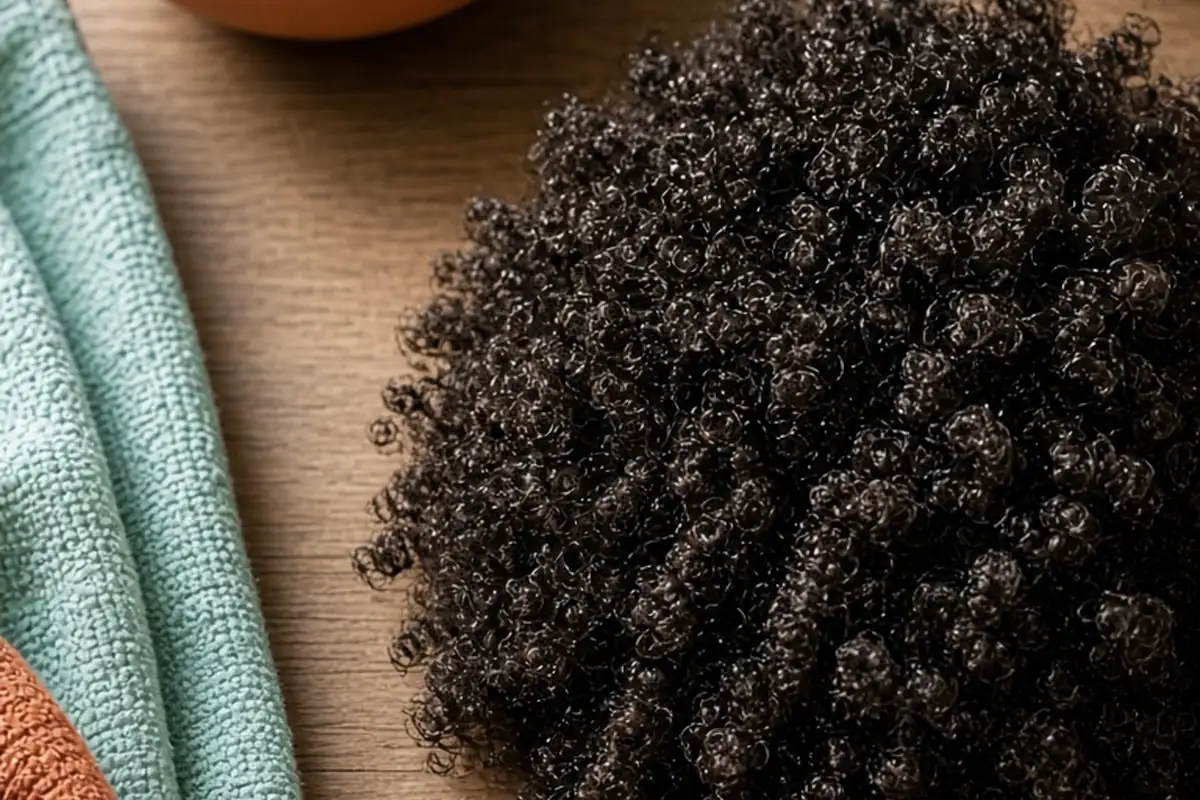
A moisturizing shampoo for Black low-porosity hair must balance thorough, residue-free cleansing with lightweight, water-soluble hydration. Because low-porosity textured strands feature tightly overlapping cuticle layers that resist moisture absorption, heavy cream cleansers packed with raw shea butter, mineral oil, or insoluble silicones readily cause buildup. Instead, prioritize gentle sulfate-free cleansers formulated with mild amphoteric surfactants, hydrating humectants such as glycerin and aloe vera, and lightweight oils like jojoba or argan that nourish without coating the hair shaft.
Caring for tightly coiled or curly low-porosity hair often presents a frustrating contradiction: your strands chronically crave hydration, yet conventional moisturizing products tend to sit on the surface, leaving curls stiff, coated, and parched underneath.
Anatomy of Black Low-Porosity Hair: Why Conventional Moisture Sits on Top
Porosity describes how readily your hair absorbs and retains water. In low-porosity Black hair, the outer cuticle layer consists of tightly packed, flat scales that overlap seamlessly like shingles on a roof. While this dense cellular structure makes the hair naturally resilient against protein loss and environmental friction, it acts as a stubborn barrier against hydration. When moisture cannot easily slip beneath the cuticle layer, water and rich conditioning agents bead up on the exterior of the strand rather than diffusing into the cortex.
Traditional moisturizing shampoos developed for textured hair frequently rely on thick, heavy emollients such as petrolatum, pure cocoa butter, and dense vegetable fats to impart immediate softness. On low-porosity hair, these heavy ingredients rarely penetrate. Instead, they dry into an invisible, hydrophobic film that accumulates with every wash. Over several weeks, this accumulation blocks subsequent water molecules from entering, leading to flash drying, brittle ends, reduced curl definition, and chronic dullness despite frequent cleansing.
Key Cleansing Agents and Humectants for Penetrating Tightly Sealed Cuticles
The ideal shampoo base for low-porosity textured hair relies on mild, non-stripping surfactants that gently remove surface oils while keeping the cuticle receptive to hydration. Look for surfactants such as cocamidopropyl betaine, sodium cocoyl isethionate, sodium lauroyl methyl isethionate, or decyl glucoside. These cleansers lift dirt, excess sebum, and everyday styling residues without causing the severe friction and acute moisture loss associated with harsh surfactants like sodium lauryl sulfate.
To deliver moisture that actually integrates into the hair structure, effective formulas incorporate low-molecular-weight humectants. Ingredients like aloe barbadensis leaf juice, vegetable glycerin, panthenol (provitamin B5), and agave nectar attract ambient moisture and bind water to the hair shaft without leaving a heavy tactile residue. When combined with light, nutrient-rich carrier oils like jojoba oil—which closely mimics human sebum—or grapeseed oil, the shampoo conditions the fiber while preserving its natural porosity balance.
Evaluating Moisturizing Shampoo for Black Low-Porosity Hair: Formula Red Flags
When assessing product labels, the order of ingredients provides clear insight into whether a shampoo will nourish your coils or coat them in unmanageable residue. The first five ingredients dictate the product's primary physical behavior. If heavy occlusives like raw shea butter, castor oil, petrolatum, or mineral oil appear near the top of the deck, the cleanser functions more like a rich co-wash than a clarifying hydrator. Low-porosity strands typically reject these dense formulations, causing rapid product buildup that leaves curls limp and greasy at the root.
Another formulation pitfall involves the misuse of hydrolyzed proteins. While damaged or high-porosity hair requires frequent protein infusions to patch holes along the cuticle wall, healthy low-porosity hair already possesses an intact, tightly sealed cuticle. Shampoos high in hydrolyzed wheat, keratin, or soy protein can bind excessively to the outer sheath, creating a stiff, brittle coating that causes snapping during detangling. Keep protein-heavy formulas to an occasional treatment, opting instead for moisture-focused, protein-light or protein-free cleansers for routine wash days.
Selecting Formulas by Curl Pattern: Fine Textures to Dense 4C Coils
While all low-porosity hair shares a closed cuticle structure, differences in pattern and density alter how cleansing formulas interact with your scalp and strands. Type 3 loose curls and fine Type 4 textures require ultra-fluid, weightless shampoos that rinse away completely with zero drag. For these patterns, gel-based hydrating shampoos containing marshmallow root extract, rosewater, or panthenol deliver adequate slip for finger detangling without deflating your natural volume or weighing down fragile curl clumps.
Dense Type 4B and 4C coils feature complex z-patterns and tight bends that make natural sebum migration down the hair shaft exceptionally slow. These textures need maximum slip during the cleansing stage to prevent mechanical breakage and knotting. Look for moisturizing shampoos that incorporate slippery elm extract, flaxseed gel, or babassu oil. These botanicals provide the lubricity necessary to work suds through dense sections of hair while ensuring that cuticles are gently cleansed rather than stripped dry.
Thermal Cleansing Techniques to Maximize Product Absorption
The physical conditions under which you wash low-porosity hair are just as critical as the ingredients in your bottle. Cold or lukewarm water causes the hair cuticle to contract and seal even tighter, preventing cleansers and conditioning hydrators from working effectively. To encourage the cuticles to lift slightly, thoroughly saturate your hair with warm water for at least three to five minutes before applying shampoo. The warmth gently softens the keratin structure and loosens stubborn styling waxes or butter buildup.
Once your hair is completely drenched, divide your hair into four to six manageable sections. Work a quarter-sized amount of shampoo directly onto the scalp of each section, using your fingertips to massage and stimulate blood flow. Smooth the lather downward along the length of your strands rather than bunching hair up on top of your head, which causes cuticle friction and tangling. Rinse thoroughly with warm water, ensuring that every trace of lather dissolves completely before you move on to conditioning treatments.
Managing the Balance Between Weekly Moisture and Monthly Clarification
Even when using the most balanced moisturizing shampoo, low-porosity Black hair inevitably collects residual buildup from leave-in conditioners, styling gels, scalp oils, and environmental dust. A purely moisturizing wash regimen can lead to hair that feels perpetually dry despite frequent washing—a condition known as buildup-induced dehydration. Because the hair is coated in layers of old product, new moisture cannot pass through, regardless of how moisturizing your daily or weekly cleanser claims to be.
To maintain optimal hair health, implement a dedicated clarifying routine every three to four weeks. Use a sulfate-based or chelating clarifying shampoo to strip away mineral deposits from hard water and stubborn product residue. Follow the clarifying wash immediately with a warm, indirect heat deep conditioning session to replenish internal moisture. After your hair is thoroughly reset, return to your regular gentle, humectant-rich moisturizing shampoo for your weekly cleansing sessions.
Troubleshooting Wash-Day Issues: Resolving Dryness, Flaking, and Stiffness
If your hair feels stiff, dry, or straw-like immediately after rinsing your moisturizing shampoo, evaluate the water quality in your home and the protein content of your product. Hard water contains dissolved minerals like calcium and magnesium that bind to low-porosity cuticles, producing a rough, brittle texture that mimics dryness. If a water softener or shower filter is not an option, introduce an occasional chelating shampoo or an apple cider vinegar rinse diluted with warm water to neutralize mineral residue.
Scalp flaking accompanied by greasy roots usually indicates that a moisturizing shampoo is either too rich or not cleansing the scalp thoroughly enough. Low-porosity strands do not benefit from co-washing or ultra-creamy, non-foaming cleansing conditioners as primary cleansers, as these leave sebum behind to oxidize at the follicle opening. Transitioning to a clear, lathering, sulfate-free moisturizing shampoo will clear the scalp environment while preserving your strand's delicate lipid barrier.
Frequently asked questions
Can I use a co-wash instead of a moisturizing shampoo on low-porosity hair?
Co-washing exclusively is generally not recommended for low-porosity hair. Cleansing conditioners contain conditioning agents and heavy emollients that quickly coat closed cuticles, resulting in significant buildup that prevents water absorption. Use a gentle, sulfate-free lathering shampoo for your regular washes instead.
How often should I wash Black low-porosity hair with a moisturizing shampoo?
Most individuals with low-porosity Black hair find success washing once every 7 to 10 days. Washing too frequently can disrupt natural lipid balances, while waiting longer than two weeks allows sebum, sweat, and styling products to form an impermeable barrier on the scalp and hair.
Is warm water or cold water better for washing low-porosity hair?
Warm water is essential during both the shampoo and conditioning phases for low-porosity hair. The heat gently encourages the tightly overlapping cuticle layers to expand slightly, allowing moisture and cleansing agents to enter. Cold water causes cuticles to seal tight, locking hydration out.
Should my moisturizing shampoo contain protein if I have low-porosity hair?
Generally, low-porosity hair needs minimal protein because its natural cuticle structure is already intact and resilient. Shampoos high in protein can cause strands to become rigid and brittle. Look for moisture-focused formulas and reserve protein treatments for targeted use every couple of months if your hair undergoes chemical processing or heat styling.
Your next step
Inspect your current shampoo bottle's ingredient list: if heavy butters, silicones, or proteins dominate the top five slots, swap it for a clear, sulfate-free formula rich in aloe, glycerin, and gentle amphoteric cleansers before your next wash day.