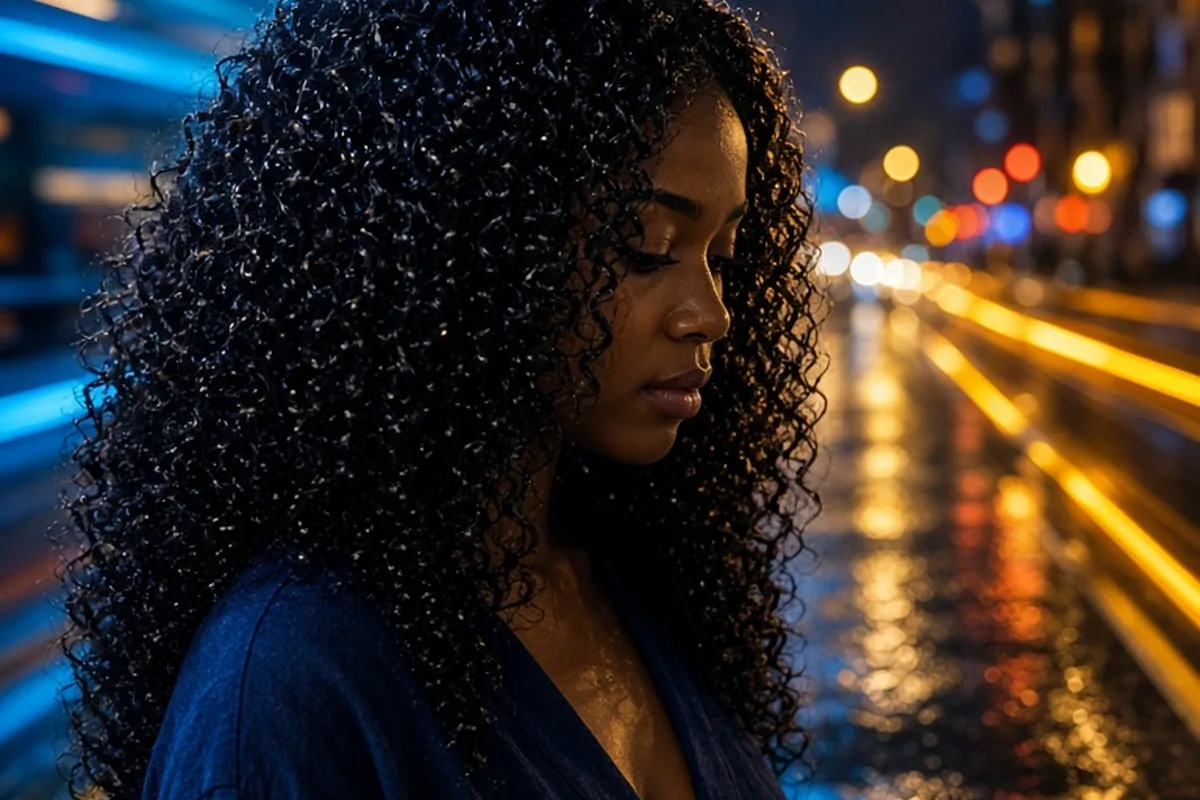
A moisturizing shampoo for Black hair cleanses the scalp without stripping natural sebum, using gentle surfactants like coco-glucoside paired with emollient oils, fatty alcohols, and humectants like glycerin or aloe vera. To maintain healthy hair, wash textured strands every 7 to 14 days, detangle gently with conditioner or a pre-wash treatment beforehand, focus the lather solely on your scalp, and seal strands immediately after rinsing with a rich leave-in conditioner and botanical oil or butter.
Curls, coils, and zig-zag patterns create unique structural bends that make it difficult for scalp-produced sebum to travel down the hair shaft. Because Black hair is inherently prone to dryness, selecting the right cleanser and washing technique determines whether your strands retain elasticity or suffer from chronic breakage.
Why Textured and Black Hair Requires Hydrating Cleansers
Black hair features an asymmetrical, elliptical follicle shape that causes the hair strand to grow in tight spirals, coils, or zigzag configurations. While this structure creates beautiful volume and versatility, it also produces points of mechanical vulnerability along the curve of each turn. Natural sebum secreted by the sebaceous glands on the scalp cannot easily travel along these intricate bends to lubricate the ends. As a result, textured hair naturally experiences higher rates of moisture evaporation than straight hair types.
Traditional clarifying or clarifying-adjacent shampoos rely on harsh anionic detergents like sodium lauryl sulfate or ammonium lauryl sulfate. These ingredients strip away environmental dirt and excess sebum effectively, but they also remove the delicate lipid layer that protects the hair cuticle. For Black hair, this stripping action causes the cuticle scales to lift and fray, resulting in extreme friction, tangling, dullness, and eventual breakage. A dedicated moisturizing shampoo is formulated to preserve that lipid barrier by cleansing the scalp gently while depositing conditioning agents onto the strands during the wash cycle.
Moisturizing Shampoo Ingredients to Prioritize and Avoid
Evaluating a shampoo requires looking past front-label marketing claims and reading the ingredient list. An effective moisturizing shampoo for Black hair relies on mild, non-stripping surfactants derived from coconut, corn, or sugar. Ingredients like sodium cocoyl isethionate, cocamidopropyl betaine, decyl glucoside, and disodium laureth sulfosuccinate cleanse the scalp without depleting moisture. These gentle surfactants foam lightly to lift debris while keeping the hair cuticle smooth and intact.
Hydrating formulas pair these mild cleansers with humectants, fatty alcohols, and botanical emollients. Humectants like vegetable glycerin, aloe vera juice, panthenol (provitamin B5), and agave nectar draw ambient moisture toward the hair fiber. Fatty alcohols such as cetyl alcohol, stearyl alcohol, and cetearyl alcohol provide slip and soften the outer surface of the strand. Plant oils and butters, including jojoba oil, argan oil, sweet almond oil, and shea butter, add a lightweight protective film that reduces friction while wet strands are manipulated.
Conversely, avoid formulas containing short-chain drying alcohols such as isopropyl alcohol, alcohol denat, or propanol near the top of the ingredient deck, as these accelerate moisture loss. Similarly, beware of heavy, non-water-soluble silicones such as dimethicone if you do not plan to use a clarifying shampoo periodically. While silicones can impart temporary shine, they can build up over time on coily hair, forming an impermeable barrier that blocks water from entering the cortex.
Matching Shampoo Formulas to Your Hair Porosity
Porosity describes how easily your hair absorbs and retains water, which directly influences how a moisturizing shampoo performs on your strands. Low porosity hair features tightly bound, overlapping cuticle layers that resist water penetration. If you have low porosity coils, thick and butter-heavy shampoos can sit on the exterior of the hair fiber, leading to product buildup without imparting genuine hydration. Look for lightweight moisturizing shampoos featuring hydrolyzed proteins, glycerin, and light oils like grapeseed or jojoba, and always use warm water during washing to encourage the cuticle to open.
High porosity hair possesses gaps and tears along the cuticle layer, often caused by chemical processing, color treatments, heat styling, or natural strand structure. High porosity strands take in water rapidly but lose it just as quickly, leaving hair dry and brittle within hours of washing. For this hair type, select ultra-rich moisturizing cleansers enriched with conditioning agents, ceramides, and heavier plant oils like avocado or olive oil. These ingredients help fill micro-gaps in the cuticle structure and slow moisture loss during the cleansing process.
Medium porosity hair has a balanced cuticle layer that readily accepts moisture and retains it with minimal intervention. If your hair falls into this category, a balanced moisturizing shampoo with gentle surfactants and moderate emollient content will maintain strand equilibrium without requiring heavy protein reinforcement or overly intensive clarifying routines.
A Step-by-Step Moisturizing Wash Day Routine for Black Hair
A healthy wash day starts before you turn on the shower. Apply a pre-shampoo treatment, often called a pre-poo, using a natural oil or a dedicated detangling conditioner. Divide your hair into four to six workable sections and secure them with clips. Gently finger-detangle each section, working from the ends upward toward the roots. This pre-treatment creates a protective buffer that minimizes hygral fatigue—the swelling and contracting of the hair shaft as it absorbs and expels water—and prevents unmanageable matting once the hair is wet.
When you are ready to wash, thoroughly saturate your hair with lukewarm water. Keep your hair divided in sections to maintain control and reduce friction. Apply a quarter-sized amount of moisturizing shampoo directly to your scalp in each section, using your fingertips—not your fingernails—to massage the scalp in small circular motions. Focus your energy entirely on clearing the scalp of sweat, oils, and exfoliated skin. Allow the lather to rinse down through the lengths and ends of your hair rather than rubbing the ends together, which roughs up the cuticle and creates knots.
After rinsing the shampoo thoroughly with lukewarm water, apply a generous amount of moisturizing rinse-out conditioner or deep conditioning mask to the lengths and ends of each section. Use a wide-tooth comb or flexible detangling brush to distribute the product evenly, beginning at the tips and progressing slowly to the roots. Let the conditioner sit for 15 to 30 minutes, using a plastic cap or gentle heat to improve absorption. Rinse with cool to lukewarm water to help smooth the cuticles, then proceed immediately to your leave-in styling regimen while hair remains damp.
Balancing Moisturizing Cleansers with Clarifying and Protein Needs
While moisturizing shampoos are essential for regular maintenance, relying exclusively on them can eventually create product buildup. Moisturizing formulas deposit beneficial conditioning agents, oils, and butters onto the hair shaft with every use. Over several weeks, these residues accumulate on the scalp and strands alongside leave-in conditioners, styling gels, and edge controls. When buildup accumulates, it forms a barrier that repels water, leaving hair feeling paradoxically dry, coated, and unresponsive to conditioning treatments.
To prevent buildup, integrate a gentle clarifying shampoo into your routine every three to five wash cycles, or once a month depending on your styling habits. Clarifying lifts stubborn product deposits, mineral residue from hard water, and environmental pollutants, resetting your hair so that moisturizing products can penetrate effectively. Always follow a clarifying session with an intensive, heat-assisted deep conditioning treatment to restore moisture immediately.
Healthy hair also requires a delicate balance between moisture and structural protein. If your hair feels excessively soft, mushy, or stretchy when wet and struggles to hold its natural curl definition, it may be over-moisturized and in need of a light protein treatment. If your strands feel stiff, brittle, and snap easily upon manipulation, prioritize moisture-rich, protein-free shampoos and deep conditioners until elasticity returns.
Wash-Day Mistakes That Cause Dryness and Breakage
One common mistake is washing textured hair with water that is too hot. High water temperatures open the cuticle layer excessively and strip the scalp of natural protective lipids, leaving hair dry and prone to tangles. Always wash with warm water to loosen oils and rinse with lukewarm or cool water to help seal the cuticle smooth.
Another widespread error is scrubbing the entire length of the hair bundle like fabric. Coily and curly hair strands are naturally fragile when saturated with water because the hydrogen bonds that give hair its strength are temporarily broken. Piling hair on top of the head or vigorously rubbing the ends together creates friction, causes micro-tears in the cortex, and generates severe tangles. Cleansing should focus strictly on the scalp, letting the suds wash over the ends passively during rinsing.
Finally, delaying moisture application after washing leaves strands vulnerable to rapid dehydration. Textured hair loses water through evaporation within minutes of leaving the shower. Waiting until hair is completely air-dried before applying leave-in conditioners and sealing oils makes it difficult for the hair shaft to lock in hydration. Apply your water-based leave-in products while hair is still damp or wet, then seal with an oil or butter using the LOC (Liquid, Oil, Cream) or LCO method to lock that moisture inside.
Daily and Weekly Habits to Preserve Wash-Day Moisture
Maintaining moisture between washes is just as critical as the wash routine itself. Cotton pillowcases and sheets absorb moisture directly from hair fibers and generate mechanical friction that roughens the cuticle. Protect your hair at night by wearing a satin or silk bonnet, wrapping strands in a silk scarf, or sleeping on a high-grade satin pillowcase. If you wear protective styles such as braids, twists, or cornrows, ensure your stylist maintains moderate tension to avoid traction stress on your scalp and edges.
Between wash days, refresh dry strands with a light water-based mist containing aloe vera or vegetable glycerin rather than re-shampooing prematurely. Follow the mist with a tiny amount of lightweight oil to re-seal the ends. Keep daily styling gentle by using seamless wide-tooth tools or fingers, and trim split ends every 10 to 14 weeks to prevent splits from traveling up the shaft and causing chronic moisture loss.
Frequently asked questions
How often should Black hair be washed with a moisturizing shampoo?
Most people with textured or Black hair find that washing every 7 to 14 days maintains scalp cleanliness without stripping essential moisture. If you exercise frequently, use heavy styling products, or have an oily scalp, washing weekly is ideal. Those with dry scalps or protective styles may extend intervals to 10 or 14 days.
Can a moisturizing shampoo replace my deep conditioner?
No. While a moisturizing shampoo cleanses gently and deposits light conditioning agents, it remains on the hair for only a few minutes. Deep conditioners have a lower pH and higher concentrations of emollients and proteins designed to penetrate the cortex and restore structural elasticity over 15 to 30 minutes.
What is the difference between a sulfate-free shampoo and a moisturizing shampoo?
A sulfate-free shampoo simply excludes harsh sulfate detergents, but it can still contain other clarifying surfactants that dry out textured hair. A moisturizing shampoo specifically includes hydrating ingredients like oils, fatty alcohols, and humectants alongside gentle cleansers to active moisture retention during washing.
Will a moisturizing shampoo weigh down fine coily hair?
Moisturizing shampoos formulated with heavy butters and dense oils can weigh down fine-textured coils. If your hair is fine, choose lightweight moisturizing formulas that use humectants like glycerin and light oils like jojoba, almond, or sunflower seed oil instead of dense shea butter or castor oil bases.
Your next step
Review your shampoo bottle's ingredient list to verify it uses gentle surfactants like cocamidopropyl betaine rather than harsh sulfates, and section your hair into four twists before your next wash day.