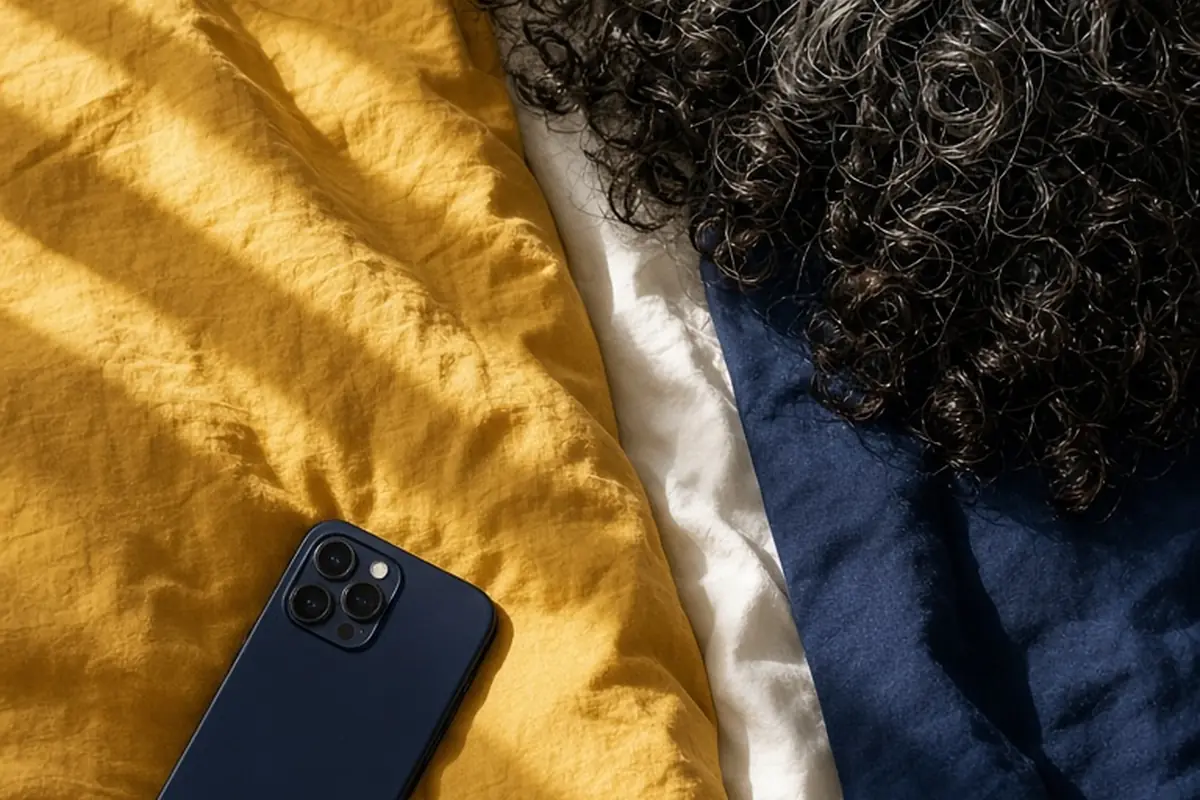
A moisturizing shampoo for curly hair for women over 40 should cleanse gently without stripping depleted natural oils. As scalp sebum production drops and strands lose elasticity with age, prioritize sulfate-free formulas built around gentle surfactants like coco-glucoside or sodium cocoyl isethionate. Pair these with humectants like glycerin and emollients such as jojoba or argan oil to restore moisture balance, preserve curl structure, and soothe an increasingly dry or sensitive scalp.
Caring for curly hair often requires recalibrating your routine as your body changes, because formulas that once delivered bouncy definition can suddenly leave your hair feeling parched, brittle, or limp.
How Aging Changes Curly Hair Structure and Moisture Retention
The biological environment of the scalp undergoes substantial shifts in your forties and beyond. Sebaceous glands gradually decrease their output of natural oils, which creates an immediate challenge for curly patterns. Because curls and coils possess a helical shape, natural sebum already struggles to travel down the hair shaft from the scalp to the ends. When sebum production declines further with age, the hair fiber experiences accelerated surface friction, moisture evaporation, and rough cuticle behavior along every bend of the spiral.
At the same time, the physical composition of individual strands often evolves. Many women notice changes in strand diameter, where once-thick hairs become finer, or where new gray hairs emerge with a wirier, irregular cuticle pattern. Gray hair frequently lacks the smooth lipid coating found in pigmented strands, meaning it absorbs ambient moisture inconsistently and loses internal hydration quickly. When you combine reduced sebum with changing fiber elasticity, the hair becomes far more susceptible to mechanical friction, mid-shaft breakage, and chronic dehydration.
These structural shifts change how your scalp and strands react to standard cleansers. A formula that merely strips dirt and styling residue will leave mature curls looking dull and feeling rough to the touch. Instead of focusing solely on washing away residue, a successful routine for mature curls prioritizes lipid preservation, helping each curl clump remain supple and protected against environmental friction throughout the wash cycle.
Moisturizing Shampoo Formulas That Support Aging Curls
Selecting an effective formula starts with understanding the surfactant system listed on the bottle. Traditional shampoos rely on aggressive detergents like sodium lauryl sulfate or sodium laureth sulfate to generate quick foam, but these ingredients can strip the already fragile protective lipid layer off mature curls. Look instead for mild, non-ionic and amphoteric cleansers, such as coco-glucoside, decyl glucoside, sodium cocoyl isethionate, or sodium lauroyl methyl isethionate. These coconut- and sugar-derived surfactants dissolve excess sweat and environmental grime while keeping the strand envelope intact.
Beyond gentle cleansing agents, the best formulations incorporate balanced humectants and plant-derived emollients. Humectants like vegetable glycerin, panthenol (provitamin B5), and aloe vera leaf juice attract ambient water molecules into the hair shaft, which helps rehydrate dehydrated keratin fibers. To lock that moisture in place, the formula needs bio-compatible emollients such as jojoba seed oil, argan oil, or squalane. Jojoba oil is particularly useful because its chemical profile closely resembles natural human sebum, allowing it to coat the strand lightly without forming a greasy barrier that weighs down delicate curls.
Formulas containing hydrolyzed proteins also offer targeted benefits for aging curls that have lost tensile strength. Ingredients such as hydrolyzed silk, hydrolyzed quinoa, or hydrolyzed wheat protein temporarily patch microscopic gaps in a weathered cuticle layer. The key is balance: mature curls need just enough micro-protein to retain structural spring and reduce breakage without accumulating rigid protein deposits that make dry curls feel stiff and brittle.
Ingredients and Cleansing Habits That Dry Out Mature Curls
Certain ingredients and washing habits accelerate the dehydration of mature curly hair. Clarifying shampoos formulated with high concentrations of olefin sulfonate or chelating salts can be useful on rare occasions, but using them regularly leaves mature curls vulnerable to severe dryness. In addition, short-chain drying alcohols, often listed on labels as alcohol denat, SD alcohol 40, or isopropyl alcohol, accelerate moisture evaporation and can cause immediate frizz and dullness across delicate curl patterns.
Silicones also present a nuanced trade-off for women managing mature hair textures. Insoluble silicones like dimethicone provide an immediate cosmetic gloss, but they create a synthetic film over the hair shaft that resists water penetration over repeated washes. For aging curls that already struggle to absorb moisture, this barrier can lead to internal dehydration beneath a deceptive surface shine. If your cleanser contains silicones, ensure they are water-soluble varieties, such as PEG-modified dimethicones, or alternate with a mild clarifying cleanse to prevent heavy buildup.
Over-cleansing is another common issue that exacerbates dryness after age forty. Washing hair daily or every other day out of habit can strip away the limited sebum the scalp produces, triggering a cycle of scalp tightness, compensatory flakes, and straw-like curl ends. Mature curls generally thrive when wash days are spaced out, giving natural oils time to nourish the root area without being constantly dissolved by cleansing agents.
Adjusting Wash Frequency and Lathering Technique for Scalp Health
Adapting your wash frequency requires listening to your scalp rather than following a rigid calendar. Most women over forty with type 3 or type 4 curls find that washing once every five to seven days maintains a clean scalp environment while preventing chronic dryness. If you have looser type 2 waves or exercise frequently, washing two times per week using an ultra-gentle, low-lather cleanser often provides the right balance between cleanliness and moisture retention.
Your physical technique in the shower plays an equally critical role in preserving curl integrity. Concentrate shampoo application exclusively on the scalp and roots, using the soft pads of your fingertips rather than your fingernails. Massage in gentle, circular motions to stimulate blood circulation and dislodge dead skin cells without tangling the lengths. There is no need to vigorously scrub your ends; the diluted lather that cascades down the hair during rinsing is sufficient to cleanse the mid-lengths without causing mechanical abrasion or stripping vital moisture.
Water temperature during the wash process also impacts your final curl pattern and shine. Very hot water strips lipid layers quickly and forces the hair cuticle open, leading to sudden frizz, moisture loss, and accelerated fading if your hair is color-treated. Wash and rinse your hair with lukewarm or tepid water to keep the cuticle smooth and flat, which helps your moisturizing shampoo lock in hydration and enhances natural curl clump definition once dry.
Caring for Color-Treated, Graying, and Fragile Curl Textures
Many women in their forties and fifties navigate a combination of color treatments, highlights, and natural gray growth across their curl canopy. Permanent hair dyes and lighteners alter the porosity of the hair fiber by lifting the protective outer cuticle, making strands loose water rapidly. When color-treated hair meets the naturally dry tendency of aging curls, the hair fiber demands an acidic shampoo with a pH between 4.5 and 5.5 to keep cuticles compressed and lock pigment into the cortex.
Natural gray hair introduces its own set of structural challenges. Silver strands often possess an irregular surface texture that feels coarser and more wire-like than pigmented hairs, yet they are structurally weaker internally. While purple or toning shampoos are popular for counteracting yellow tones in silver hair, many commercial toning products are notoriously drying. Women with gray curls should prioritize deeply hydrating moisturizing shampoos for their primary washes, reserving toning products for occasional use or opting for color-depositing conditioners that provide moisture alongside pigment correction.
Post-wash handling requires extra gentleness when managing fragile, mature textures. Wet hair is in its most vulnerable state, with hydrogen bonds temporarily suspended. Instead of rubbing your curls with a rough terry-cloth towel, gently cup and squeeze excess water out with a smooth microfiber towel or a soft cotton shirt. This reduces friction-induced frizz, protects aging cuticles from rough snags, and allows the conditioning ingredients from your wash to remain active on the hair fiber.
Matching Cleanser Density to Curl Type and Hair Porosity
Finding the right moisturizing shampoo depends on aligning the product's weight with your specific curl diameter and porosity level. Looser waves and fine curls (Type 2A to 3A) need lightweight hydration delivered through transparent, gel-based cleansers powered by aloe, glycerin, and light oils like jojoba or grapeseed. Heavy, opaque cream shampoos packed with shea butter or thick castor oil can overwhelm fine mature strands, leaving them limp, greasy at the root, and lacking curl spring.
Conversely, tight curls and dense coils (Type 3C to 4C) benefit from rich, lotion-consistency cleansers or conditioning wash creams that provide high slip. These textures require substantial lipid replenishment from ingredients like mango seed butter, babassu oil, and avocado oil to protect fragile bends from tangling during the wash. In these curl patterns, a shampoo that provides slip helps you detangle with your fingers while the lather is active, drastically reducing wash-day shedding and breakage.
Porosity—how easily your hair absorbs and loses moisture—is the final piece of the selection puzzle. High-porosity curls, common after years of heat styling or chemical coloring, benefit from formulas containing hydrolyzed proteins and sealing plant oils to patch cuticle holes. Low-porosity curls, where cuticles remain tightly clamped shut, need lightweight humectants and warm water to encourage hydration absorption without creating surface buildup. Inspect the ingredient list order before buying to ensure the primary moisturizing agents match your hair's unique density and porosity profile.
Illustrative Scenarios
Addressing Sudden Flaking Without Stripping Delicate Curls
Diane, 47, noticed persistent white flakes along her hairline alongside increasingly dry, frizzy 3B curls. Assuming she had active dandruff, she bought an over-the-counter anti-dandruff shampoo formulated with strong zinc pyrithione and harsh sulfates. Within three weeks, her scalp felt tight and itchy, and her curl clumps lost their elasticity, breaking easily during detangling. Diane realized her flakes were caused by a parched, aging scalp rather than an oily fungal imbalance. She replaced the harsh medicated shampoo with a sulfate-free cleanser rich in aloe vera juice and squalane, washing only twice a week with lukewarm water.
Key point: Scalp dryness in mature hair is often mistaken for dandruff; gentle hydration resolves flaking far more effectively than harsh stripping agents.
Managing Coarse Gray Regrowth in Looser Curl Waves
Carla, 52, had loose 2C curls that became unruly when silver strands began dominating her crown. The gray hairs stood out as wiry and coarse, refusing to clump with the rest of her waves. In an attempt to tame them, she relied on a thick cleansing butter designed for very tight coils, which weighed down her fine brunette strands while leaving her roots flat. Carla shifted to a balanced, lightweight moisturizing shampoo powered by hydrolyzed silk and jojoba seed oil. The humectants softened the stiff silver hairs while keeping her overall wave pattern light, defined, and bouncy.
Key point: Selecting a cleanser based on strand thickness rather than just gray texture preserves natural volume while softening resistant hairs.
Frequently asked questions
How often should a woman over 40 with curly hair wash her hair?
Most women over 40 with curly hair see the best results by washing once or twice a week. Because scalp oil production decreases with age, washing less frequently prevents the hair fiber from drying out. Adjust this schedule based on your personal scalp comfort, activity level, and styling product usage.
Is a co-wash better than a moisturizing shampoo for mature curls?
A co-wash can be helpful as an alternating wash for tight, very dry coils, but relying entirely on cleansing conditioners can lead to buildup on the scalp. A gentle, sulfate-free moisturizing shampoo provides necessary scalp cleansing while still preserving essential natural oils. Alternating between the two is often the most balanced approach.
Can a moisturizing shampoo help with hormonal hair thinning or shedding?
A moisturizing shampoo supports a healthy scalp barrier and reduces strand breakage along fragile curl bends, which helps your hair look fuller. However, topical shampoos cannot reverse internal hormonal changes that affect follicular density. If you experience sudden or widespread thinning, consult a board-certified dermatologist for a medical evaluation.
How can I tell if my curl shampoo has too much protein for my hair?
If your shampoo contains too much protein for your hair's needs, your curls will gradually feel stiff, straw-like, or brittle, and they may snap easily during styling. If you notice these symptoms, switch to a purely moisture-based cleanser centered on humectants and light plant oils until your hair regains its softness and elasticity.
Your next step
Examine the ingredient label on your current shampoo today to verify that harsh sulfates like sodium lauryl sulfate are absent, and schedule your next wash using a low-foaming, glycerin- or plant-oil-infused formula applied strictly to your roots.