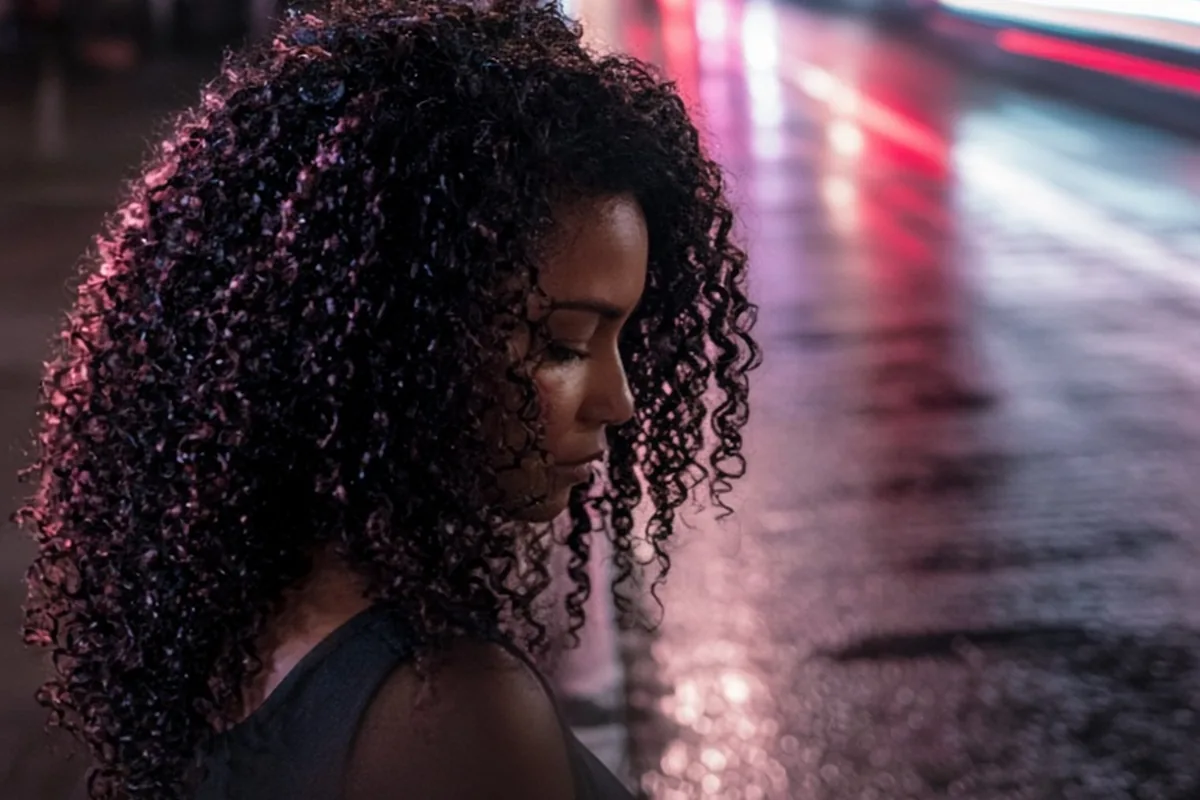
A moisturizing shampoo maintenance schedule for curly hair generally requires cleansing every four to ten days, depending on your curl diameter, scalp oil production, and porosity. Loose type 3 curls typically require washing every four to five days, while tighter type 4 coils thrive on a seven-to-ten-day cycle. Rotate in a clarifying shampoo once every three to four weeks to clear product residue without stripping essential moisture.
Because the spiral structure of textured hair slows the downward migration of natural scalp oils, curly strands are inherently vulnerable to dryness, cuticle friction, and breakage. Finding the right wash cadence protects your hair fiber integrity while keeping your scalp clean and comfortable.
Mapping Cleansing Cadence to Curl Pattern and Strand Porosity
Determining how often to apply a moisturizing shampoo begins with evaluating your curl pattern and strand porosity. Curly hair ranges from loose, open loops to dense, z-pattern coils. Loose type 3 curls tend to have more active sebum dispersion along the shaft compared to tight type 4 coils. If you have fine or loose curls, natural scalp sebum travels faster down the strand, which can cause roots to feel heavy within three to five days. Conversely, tightly coiled hair features numerous bends and turns that impede sebum travel, meaning the hair shaft can easily go seven to ten days without accumulating significant natural oils.
Porosity—how easily your hair absorbs and retains moisture—plays an equally decisive role in your cleansing calendar. Low-porosity curls have tightly bound cuticle scales that resist moisture absorption and cause hair products to sit on the surface. If you have low-porosity hair, waiting too long between washes leads to rapid product buildup, which stiffens the curl pattern and blocks hydration. High-porosity curls have raised, open cuticles that absorb water instantly but lose it just as quickly. High-porosity strands benefit from a gentle moisturizing wash every five to seven days to restore conditioning lipids and maintain cuticle flexibility without mechanical wear.
To identify your baseline schedule, observe your scalp and hair mid-week. If your scalp feels tight, itchy, or coated with residue before your scheduled wash day, shorten your interval by one or two days. If your hair remains supple, defined, and free of scalp irritation, you can safely extend the window between moisturizing shampoo applications.
Designing a Four-Week Moisturizing and Clarifying Shampoo Rotation
A successful textured hair routine requires a predictable rotation rather than relying on a single cleanser for every wash day. While a moisturizing shampoo gently removes daily grime and replenishes surface lipids, it is intentionally formulated with conditioning agents that do not fully dissolve heavy styling butters, silicones, or polyquaternium styling polymers. Over time, relying exclusively on moisturizing formulas can coat the hair shaft, preventing subsequent conditioning treatments from penetrating the cortex.
A balanced four-week schedule alternates between hydration maintenance and thorough detoxification. In week one, use your primary moisturizing shampoo followed by a balanced rinse-out conditioner to set a clean, hydrated foundation. In week two, repeat the moisturizing shampoo wash and follow with a medium-weight leave-in product. In week three, if you notice dullness or reduced curl bounce, substitute your moisturizing wash with a chelating or clarifying shampoo, immediately following with an intensive deep conditioning mask to replenish lost moisture. In week four, return to your core moisturizing shampoo.
This monthly cycle prevents both hygral fatigue—the weakening of the hair fiber caused by repeated swelling and drying from over-washing—and follicular congestion caused by persistent product residue. Keeping a simple calendar log helps you track how your hair responds to deep cleansing versus moisturizing washes over several weeks.
Adapting Your Wash Routine for Exercise, Sweat, and Seasonal Weather
Lifestyle demands and environmental conditions often require you to adjust your primary moisturizing shampoo schedule. Frequent cardiovascular exercise introduces sweat and salt deposits to the scalp. Salt can draw moisture out of textured strands and cause localized itching. However, shampooing your hair with a detergent after every single workout will strip natural sebum and cause rapid moisture depletion.
When exercising multiple times per week, keep your full moisturizing shampoo routine anchored to its standard weekly or bi-weekly schedule. On intermediate workout days, rinse your scalp thoroughly with lukewarm water or use a light, detergent-free botanical rinse. Focus manual friction solely on the scalp skin to dissolve dried sweat salts without lathering the lengths of your hair. Apply a tiny amount of lightweight leave-in conditioner to your ends afterward to preserve curl clumping and moisture balance.
Seasonal transitions also dictate practical schedule shifts. During dry winter months, indoor heating and frigid outdoor air accelerate moisture evaporation from curly hair. Extending your wash interval by one or two days and using a richer moisturizing shampoo formula protects the lipid barrier. In humid summer environments, increased sweat and atmospheric moisture may require moving from an eight-day wash cycle to a five-day cycle to prevent product buildup and scalp humidity imbalances.
Evaluating Moisturizing Shampoo Formulations and Surfactant Profiles
Selecting the right moisturizing cleanser requires examining the ingredient panel rather than relying on marketing labels. Traditional clarifying shampoos rely heavily on aggressive primary surfactants like sodium lauryl sulfate, which strip the lipid layer of textured hair. In contrast, effective moisturizing shampoos utilize mild, non-stripping surfactants such as sodium cocoyl isethionate, cocamidopropyl betaine, sodium methyl cocoyl taurate, or decyl glucoside. These cleansing agents lift surface debris while leaving the delicate outer cuticle intact.
In addition to gentle cleansing bases, quality moisturizing shampoos incorporate humectants and emollients directly into the wash formula. Ingredients such as vegetable glycerin, panthenol (provitamin B5), and aloe vera leaf juice attract atmospheric moisture to the strand during the wash cycle. Concurrently, light fatty alcohols like cetyl and stearyl alcohol, alongside emollient plant oils such as jojoba, argan, or sunflower seed oil, provide lubrication that reduces wet-combing friction and prevents hair fibers from tangling while wet.
Be mindful of heavy, non-water-soluble silicones such as dimethicone in daily moisturizing shampoos unless you plan to clarify regularly. While silicones provide temporary slip and shine, they can build up quickly on curly textures if your primary shampoo relies exclusively on mild surfactants that cannot break down heavy polymer coatings.
Executing the In-Shower Technique to Cleanse Scalp Without Drying Curls
How you apply your moisturizing shampoo is just as important as how frequently you use it. Improper mechanical action during the wash process is a leading cause of mid-shaft breakage and unnecessary tangling. Before stepping into the shower, gently separate large knots with your fingers or a wide-tooth comb, using a drop of plant oil or pre-wash conditioner if your curls are prone to matted tangles.
Saturate your hair completely with lukewarm water for at least two full minutes before applying cleanser. Water volume helps open dense curl clusters, allowing the shampoo to distribute evenly without aggressive rubbing. Dispense a quarter-sized amount of moisturizing shampoo into your palms, emulsify it with water, and apply it directly to the scalp using the pads of your fingers. Work in circular motions across the front hairline, crown, sides, and nape.
Avoid gathering the lengths and ends of your hair onto the top of your head to scrub them in a lather pile. This friction roughs up the cuticle and creates stubborn knots. Instead, let the diluted suds rinse downward through the mid-lengths and ends as you rinse your scalp under running water. The cascading lather provides sufficient cleansing for the fragile ends without removing the natural lipids they need to remain pliable.
Diagnosing Wash Frequency Issues and Moisture-Protein Imbalance
Maintaining curly hair requires ongoing evaluation, as shifts in diet, styling products, chemical treatments, and climate can alter how your hair responds to your current maintenance schedule. If you are over-washing your hair, strands will often feel brittle, dry, or straw-like within hours of drying. You may notice increased shedding from breakage, an unmanageable halo of frizz, and a loss of natural curl elasticity.
Under-washing, on the other hand, manifests primarily at the scalp and the root zone. Common signs that your wash schedule is too infrequent include persistent scalp tenderness, greasy roots accompanied by dry ends, white or yellowish flake buildup, and curls that feel coated, gummy, or limp. When excess styling creams and natural oils sit on the hair fiber for weeks without adequate cleansing, they form an occlusive barrier that repels water, leading to chronic internal dehydration despite heavy product application.
If your hair feels soft and mushy when wet and stretches excessively without bouncing back, you may be experiencing moisture overload from frequent wetting without adequate protein structure. In this scenario, widen your wash intervals, incorporate a light protein-enriched conditioner, and ensure your moisturizing shampoo is followed by targeted styling rather than continuous re-wetting.
Frequently asked questions
Can I replace moisturizing shampoo entirely with a cleansing conditioner or co-wash?
While co-washing works well for occasional mid-week refreshes, relying solely on conditioner-based cleansers can lead to persistent residue on the scalp and hair over time. Cleansing conditioners lack the surfactant strength to remove stubborn oils, environmental pollutants, and styling polymers. A scheduled moisturizing shampoo provides the necessary cleansing action while maintaining fiber hydration.
How do I know if my moisturizing shampoo is stripping my curls?
Your hair should feel soft, pliable, and smooth immediately after rinsing out the shampoo, even before applying your conditioner. If your hair feels squeaky, stiff, tangled, or rough to the touch while still wet, the surfactant base is likely too strong for your curl pattern or your wash schedule is too frequent.
Should I wash low-porosity curls more frequently than high-porosity curls?
Low-porosity hair often requires slightly more frequent cleansing, typically every five to seven days, because its tightly sealed cuticle layer causes styling products to accumulate quickly on the exterior. High-porosity hair can often go six to eight days between washes if adequately sealed, though it requires richer emollient formulations to prevent rapid moisture loss.
Does washing curly hair once a week cause excess shedding?
Textured hair sheds naturally on a daily basis, but loose shed hairs remain trapped within the curl pattern instead of falling away freely. When you wash your hair once a week and detangle, all accumulated shed strands release simultaneously, which can look alarming but is usually normal daily shedding.
Your next step
Assess your scalp comfort and curl elasticity this week, then set a recurring calendar reminder for a dedicated moisturizing wash every five to seven days as your initial baseline.