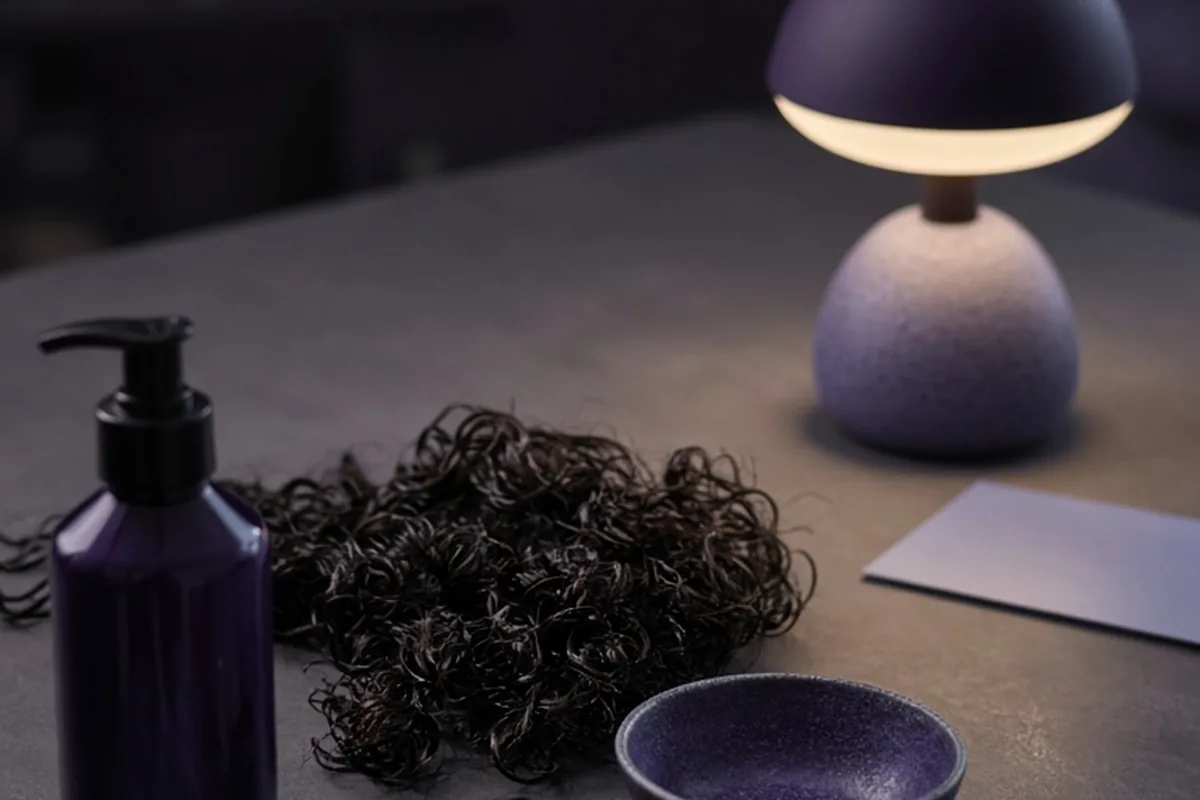
Salons charge for moisturizing shampoo treatments for curly hair either as an integrated component of a curly cut and style, a stand-alone hydration wash service, or a specialized backbar deep-cleansing add-on. Retail salon-grade bottles are priced separately for at-home care. Total salon costs vary based on stylist curl certification, hair density and length, product formulations, and whether steam or scalp massage is included. Salons provide exact service menus and custom quotes upon request.
Navigating a salon menu when you have wavy, curly, or coily hair often involves deciphering a wide range of service tiers, product add-ons, and specialty techniques. Understanding how salons bill for moisturizing shampoo sessions, backbar hydration treatments, and take-home curl care ensures you book the right appointment for your hair type and budget.
How Salons Structure Pricing for Curly Hair Shampoo and Hydration Services
Professional salons rarely bill a moisturizing shampoo as an isolated item on an invoice unless you specifically book a standalone wash-and-go or blowout service. In most salon environments, cleansing with a moisture-rich shampoo is integrated into a broader package, such as a specialized dry curly cut, a silk press, or a routine trim and style. When booked as a standalone appointment, the service typically includes a thorough scalp cleanse, intentional hydration detangling, moisture conditioning, and basic styling or diffusing.
The overall fee structure depends heavily on whether the appointment is classified as standard maintenance or a restorative curl treatment. Standalone cleansing appointments designed specifically for textured hair require significantly more basin time, sectioning, and physical effort than straight-hair blowouts. Stylists must gently work the moisturizing cleanser through delicate curl clusters without disrupting natural curl clumping or causing mechanical breakage.
Additionally, many salons utilize a tiered menu where a foundational wash includes entry-level salon cleansers, while moisture-dense luxury lines, sulfate-free curl cleansers, or low-lather cleansing conditioners are categorized as premium backbar upgrades. In some salons, stylists may also apply a density or length fee if your curls require extended basin time or double the typical volume of cleansing and conditioning product.
What Differentiates Salon Moisturizing Shampoo Formulations from Mass-Market Brands
Salon-exclusive moisturizing shampoos for curly hair differ fundamentally from standard mass-market cleansers in their surfactant balance, ingredient concentration, and pH formulation. Curly hair naturally struggles with moisture retention because natural scalp oils, known as sebum, cannot easily travel down the spiral structure of the hair shaft. Mass-market formulas often rely on aggressive, inexpensive surfactants that strip these scarce natural oils, leaving curls dry, frizzy, and prone to breakage.
Professional backbar moisturizing shampoos use gentle, non-stripping cleansing agents such as cocamidopropyl betaine, sodium cocoyl isethionate, or decyl glucoside. These ingredients lift dirt, sweat, and environmental debris from the scalp without depleting the hair strand's internal lipid barrier. Furthermore, salon-grade curl shampoos contain higher concentrations of functional humectants, such as vegetable glycerin, aloe vera leaf juice, and hydrolyzed proteins, alongside plant-derived emollients like shea butter, argan oil, and jojoba seed oil.
Because salon products contain lower water ratios and higher concentrations of active botanicals and conditioning polymers, the cost per application reflects the raw ingredient quality. Stylists understand how these formulations interact with different curl patterns, choosing specific product weights to prevent weighing down loose type 2 waves while providing sufficient slip and lipid replenishment for dense type 4 coils.
Salon Service Add-Ons That Change Your Final Backbar Cleansing Bill
When you sit at the shampoo basin, stylists frequently recommend companion treatments to amplify the benefits of a moisturizing shampoo. These supplemental services enhance moisture penetration, improve scalp health, and resolve underlying product buildup, but they also increase the final bill. Recognizing the difference between routine cleansing and specialty backbar treatments helps you choose the right additions for your specific hair needs.
One common add-on is a clarifying or chelating prelude. If your curls have accumulated mineral deposits from hard water or heavy silicone residues from styling products, a moisturizing shampoo cannot penetrate the hair shaft effectively. A stylist may apply a clarifying treatment first to reset the cuticle, followed immediately by a rich moisturizing wash and deep conditioning treatment. Similarly, steam hydration therapy is a popular basin upgrade that uses gentle, moist warmth to open the cuticle layer, allowing hydrating cleansers and conditioning agents to absorb deeply.
Other basin enhancements include customized scalp detox scrubs, bond-building treatments to repair structural damage from heat or color, and intensive moisture masks applied under an infrared lamp. Each of these procedures requires additional time, product allocation, and specialized equipment, which salons itemize as distinct service fees or package into comprehensive hydration bundles.
Stylist Certification Levels and Regional Factors in Curly Hair Service Rates
The price you pay for a professional curl wash and moisturizing treatment is heavily influenced by the stylist's specific training and credentials. General cosmetology licensing covers basic hair care, but specialized textured-hair management requires post-graduate education. Stylists who hold certifications from recognized curl academies have completed advanced coursework in dry curl cutting, curl pattern analysis, porosity balancing, and moisture-locking application techniques.
Because specialized curl artists invest significant time and financial resources into continuing education, their service rates reflect that specialized expertise. An appointment with an apprentice or junior stylist will cost less than a session with a master curl specialist or salon artistic director, even when using the identical backbar moisturizing shampoo.
Geographic location and salon overhead also dictate pricing variations. Salons operating in dense metropolitan areas with high commercial rents and operational overhead generally maintain higher baseline service rates than neighborhood salons in smaller towns. When researching curl specialists, examining both their geographic market and their verified credentials provides valuable context for their published service menu.
Salon Backbar Service Versus Buying Take-Home Curly Moisturizing Shampoo Bottles
Clients often wonder whether they should pay for recurring in-salon wash-and-hydration treatments or invest in the salon's retail bottles to wash their hair at home. Both approaches offer unique advantages, and many people achieve the best results by blending professional quarterly appointments with consistent home maintenance.
A salon retail bottle of professional moisturizing shampoo represents an upfront investment that yields multiple uses over several months. Because professional shampoos are concentrated, you typically need only a coin-sized amount emulsified with plenty of water to cleanse the scalp thoroughly. Buying the retail bottle allows you to maintain the moisture balance established during your salon visit, preserving curl elasticity and minimizing tangles between professional appointments.
In contrast, the cost of an in-salon wash service pays for professional technique rather than just the physical liquid in the bottle. A skilled stylist performs targeted scalp stimulation, controls water temperature to prevent cuticle shock, ensures thorough detangling without stress on the hair follicle, and applies styling products with deliberate tension and distribution methods. If you struggle with severe tangling, scalp irritation, or product application technique, the hands-on service provides value that a retail bottle alone cannot replicate.
How Porosity, Curl Pattern, and Density Affect Product Selection and Application Time
Your unique hair characteristics directly influence the amount of time, labor, and product required during a salon shampoo service. Salons assess three primary physical traits when formulating your moisturizing wash: porosity, curl pattern, and overall density. Porosity describes how easily moisture penetrates and exits the hair cuticle, curl pattern defines the shape and tightness of your spirals, and density refers to the number of individual strands on your scalp.
Low-porosity curls have tightly bound, overlapping cuticle scales that resist moisture absorption, requiring warm water, extended lathering time, and lightweight humectants that will not sit on the surface as greasy residue. High-porosity curls, often resulting from color processing, sun exposure, or natural structure, have raised cuticles that drink in moisture instantly but lose it just as quickly. For high-porosity hair, stylists use rich, creamy moisturizing shampoos fortified with gentle proteins and emollient oils to seal the gaps along the cuticle.
Density and curl tightness also determine physical basin labor. Cleansing dense, tightly coiled hair requires dividing the scalp into multiple quadrants, carefully applying shampoo directly to the skin, and gently finger-detangling under running water. Because this process cannot be rushed without risking breakage, salons account for the required labor time when establishing their service quotes.
Questions to Ask Your Stylist Before Booking a Curly Hydration Service
To avoid unexpected surprises at checkout and ensure your hair receives the proper care, communication with the salon before your appointment is essential. Many salons offer brief virtual or phone consultations where you can clarify their service policies, product lines, and billing structures for textured hair.
Begin by asking whether the shampoo service is fully integrated into your booked service or billed as an a la carte line item. Inquire whether their listed rates include specialized curl products, detangling, and basic styling, or if those elements trigger additional add-on charges. If your hair is particularly long, thick, or tangled, ask directly how the salon handles density or extra-time fees so you understand the potential range of the final invoice.
It is also beneficial to ask which professional product lines the salon uses at their backbar. If you have specific ingredient preferences—such as avoiding synthetic fragrances, drying alcohols, sulfates, or non-water-soluble silicones—confirming their available product options in advance ensures that their backbar aligns with your curl care goals.
Frequently asked questions
Can I bring my own moisturizing shampoo to a salon appointment to save money?
Most professional salons do not reduce their service fees if you bring your own shampoo, as their pricing primarily reflects the stylist's time, labor, and overhead. However, stylists are generally happy to accommodate clients who bring their own doctor-prescribed or allergen-free cleansers for medical reasons.
How often should I get a professional moisturizing shampoo treatment at a salon?
Most curly clients benefit from a professional wash, deep hydration treatment, and maintenance check every six to twelve weeks, typically aligning with routine trims. In between professional salon visits, maintaining a consistent at-home routine with a salon-grade moisturizing cleanser preserves hair health.
Will a moisturizing shampoo weigh down fine wavy or loose curly hair?
A moisturizing shampoo will not weigh down fine curls if it is formulated with lightweight humectants like aloe vera and glycerin rather than heavy butters. When booking, inform your stylist if you have fine hair so they can select a weightless hydration formula that cleanses without flattening your natural volume.
Why does a curly wash-and-style service take longer than a standard blowout?
Curly hair requires meticulous sectioning, gentle finger-detangling, deliberate moisture application, and specialized drying techniques such as hooded drying or slow diffusing. These steps protect the fragile curl pattern and prevent frizz, requiring significantly more hands-on time than standard straight styling.
Your next step
Review your local curl salon's service menu online and call ahead to confirm whether deep hydration, detangling, and curl-specific styling are included in their baseline wash rate before booking your appointment.