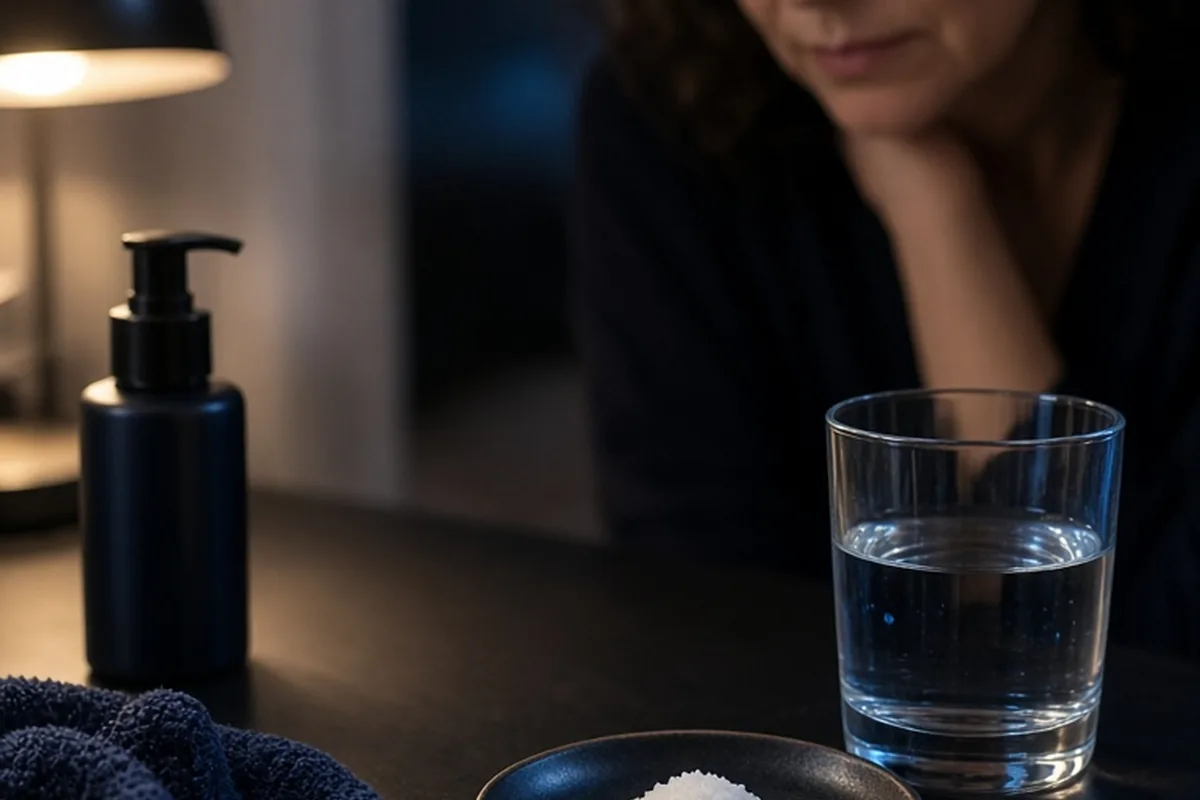
Choosing a moisturizing shampoo for women over 40 requires prioritizing gentle, non-stripping surfactants, humectants like glycerin and panthenol, and lightweight lipids over heavy silicones or harsh detergents. As natural sebum production declines with age, hair strands become more susceptible to dryness, brittleness, and elasticity loss. The most effective formulas cleanse the scalp thoroughly without disrupting its protective moisture barrier, maintaining softness and manageability across straight, wavy, curly, and coily textures.
Hair undergoes subtle yet noticeable shifts over time, often reflecting changes in natural oil production, texture, and structural resilience. Navigating these changes starts at the foundation of your hair care routine: selecting a shampoo that cleanses effectively while actively preserving essential hydration.
Why Scalp Moisture and Hair Fiber Density Shift After Forty
The biological environment of the scalp changes gradually as part of the natural aging process. Sebaceous glands, which produce the natural oils that coat and protect each hair shaft, generally decrease their output over time. This reduction means that oil travels down the hair strand much more slowly, leaving mid-lengths and ends vulnerable to friction, environmental exposure, and moisture depletion. Simultaneously, individual hair strands may emerge finer in diameter or with an altered cuticle structure, making them more prone to tangling and breakage during standard washing.
In addition to changes in oil output, gray or unpigmented strands often possess a different physical texture than naturally pigmented hair. The outer cuticle layer of unpigmented hair can become coarser and more resistant to absorbing water initially, yet paradoxically less capable of retaining moisture once wet. Recognizing that adult hair experiences both reduced internal moisture and diminished surface lubrication helps clarify why standard clarifying or high-foaming formulas often feel too harsh or drying.
Evaluating Cleansing Agents in Moisturizing Shampoo for Women Over 40
The primary purpose of any shampoo is to remove environmental debris, sweat, and product residue from the scalp. However, aggressive surfactants like sodium lauryl sulfate can strip the delicate lipid layer of mature hair fibers, leading to immediate roughness and long-term cuticle degradation. When selecting a moisturizing formula, look for milder cleansing agents such as sodium cocoyl isethionate, coco-glucoside, decyl glucoside, or disodium laureth sulfosuccinate. These surfactants create a rich, creamy lather that lifts dirt without compromising the scalp's natural moisture barrier.
It is equally important to balance mild cleansing with adequate scalp purification. Some overly emollient shampoos rely heavily on non-water-soluble silicones or heavy oils to simulate smoothness, which can accumulate on the scalp and suffocate the follicle over time. A balanced formulation relies on balanced surfactants that rinse cleanly, paired with conditioning agents that deposit hydration selectively where the strand requires reinforcement.
Hydrating Ingredients and Humectants That Support Mature Strands
A quality moisturizing shampoo should deliver ingredients that attract, bind, and seal moisture within the hair cortex. Humectants are critical in this process. Ingredients like vegetable glycerin, panthenol (pro-vitamin B5), aloe vera juice, and sodium hyaluronate draw ambient moisture into the hair shaft, restoring flexibility and reducing mechanical breakage during styling. Panthenol is particularly valuable because it can penetrate the cuticle layer, providing mild plumping to thinning strands while enhancing overall tensile strength.
Alongside humectants, look for lightweight botanical oils and lipid-replenishing agents such as jojoba oil, squalane, argan oil, and ceramides. These components mimic natural sebum, smoothing down lifted cuticle scales and creating a breathable protective shield against daily environmental stress. Ceramides, in particular, act as the cement holding cuticle layers together, preventing internal moisture loss and preserving natural shine without leaving a greasy or weighed-down finish.
Matching Hydration Levels to Your Natural Hair Pattern and Porosity
Different hair types require distinctly tailored moisture ratios. Fine or straight hair types after forty often suffer from a loss of volume alongside dryness. For these textures, heavy creams and butter-laden formulas can weigh the roots down, creating a limp appearance. The ideal choice for fine hair is a lightweight, gel-based hydrating shampoo rich in humectants and hydrolyzed proteins that impart moisture without leaving a greasy residue.
Conversely, wavy, curly, and coily textures (types 2 through 4) naturally experience greater moisture deficits because natural sebum struggles to navigate twists and turns along the strand. Coily and tightly curled hair benefits substantially from rich, lotion-like cleansers or conditioning wash creams containing shea butter, castor oil, and fatty alcohols like cetyl or stearyl alcohol. Furthermore, if your hair has high porosity due to color processing or heat styling, formulas containing structural amino acids alongside emollients will help prevent rapid hydration loss.
Balancing Scalp Cleanliness with Gentle Hydration Techniques
Transitioning to a moisturizing shampoo occasionally leads to perceived buildup if the washing technique is not adjusted. Because moisturizing formulas deposit conditioning agents, they must be applied deliberately. Focus the shampoo application strictly on the scalp and root area, using the pads of your fingers to massage in small circular motions. This mechanical action dislodges dead skin cells and buildup without requiring aggressive scrubbing along delicate mid-lengths and ends.
Allow the lather to rinse down the length of your hair rather than scrubbing the ends directly. The cascading suds provide sufficient cleansing for the lengths without roughing up the cuticles. If you frequently use styling products, dry shampoos, or root cover-up sprays, incorporate a gentle clarifying wash or scalp scrub once every few weeks to prevent residue accumulation while keeping your regular moisturizing shampoo as your primary cleanser.
Adjusting Wash Frequency and Water Temperature for Better Moisture Retention
Washing mature hair too frequently can accelerate dryness, even when using high-quality moisturizing formulas. While daily washing was once common, many women over forty find that washing two to three times per week, or even once weekly for coarser or coily textures, preserves vital natural oils and improves hair elasticity. Observe your scalp comfort: if your roots feel oily or tight, adjust your schedule accordingly rather than adhering to a rigid calendar.
Water temperature during the wash cycle also plays a substantial role in moisture retention. Extremely hot water lifts the hair cuticle and strips away protective lipids, exacerbating frizz and dryness. Opt for lukewarm water when wetting and lathering the hair, and finish with a cooler rinse if comfortable. Cooler water encourages the cuticle layer to lie flat, reflecting light more evenly and locking in the hydrating benefits of your shampoo and subsequent conditioner.
Illustrative Scenarios
Adjusting Hydration for Fine, Color-Treated Hair
A woman in her late forties with fine, color-treated wavy hair noticed her ends felt brittle and straw-like, while her roots quickly became flat. Assuming her hair was universally parched, she purchased an ultra-rich conditioning shampoo containing heavy plant butters. Within two weeks, her hair felt weighed down, greasy at the crown, and lacked volume. Realizing the formula was too heavy for her strand diameter, she switched to a lightweight humectant-based shampoo containing glycerin and panthenol, using a clarifying rinse once a month. Her hair regained natural bounce while maintaining softness at the ends.
Key point: Match shampoo weight to hair strand thickness rather than assuming all dry mature hair requires heavy oils and butters.
Managing Texture Shifts in Coily, Graying Hair
A woman in her early fifties transitioning to natural gray hair with a type 4 curl pattern found her regular sulfate shampoo left her coils stiff, tangled, and prone to breakage. Her initial reaction was to apply more leave-in oils, which only sat on the surface of the dry strands. She changed her baseline routine to a sulfate-free, cream-based moisturizing cleanser enriched with aloe and jojoba oil, taking time to massage it thoroughly into the scalp with warm water. This switch allowed her coils to absorb moisture properly, significantly reducing detangling friction and brittleness.
Key point: Graying, textured hair requires sulfate-free, emollient cleansers that soften the cuticle during washing rather than relying solely on post-wash products.
Frequently asked questions
Can a moisturizing shampoo help with thinning hair after forty?
A moisturizing shampoo does not cure hereditary or hormonal hair thinning, but it supports overall hair retention by reducing strand breakage and maintaining a healthy, flexible scalp environment. Formulas with panthenol and mild proteins can also temporarily plump individual strands, creating the appearance of fuller density without stripping moisture.
Is a sulfate-free shampoo always necessary for mature hair?
While not mandatory for every individual, sulfate-free shampoos are generally gentler on aging hair fibers that naturally produce less protective sebum. They help prevent color fading, reduce cuticle roughness, and minimize scalp irritation, making them an excellent primary option for dry or chemically treated hair.
How do I know if my hair needs moisture or protein?
Hair lacking moisture typically feels dry, rough, and tangles easily, snapping when stretched without any natural elasticity. Hair that lacks protein often feels overly soft, limp, mushy when wet, or stretches excessively before breaking. A balanced regimen often combines regular moisture with occasional mild protein treatments.
Will a moisturizing shampoo cause product buildup on my scalp?
Formulas that rely on water-soluble humectants and lightweight lipids rinse away cleanly and rarely cause buildup. However, products heavy in insoluble silicones, waxes, or mineral oils may accumulate over time, which can be easily managed by periodically using a gentle clarifying cleanser.
Your next step
Check your current shampoo ingredient list today to ensure gentle cleansers like glucosides or isethionates replace harsh sulfates, and test a lukewarm rinse during your next wash to improve cuticle smoothness.