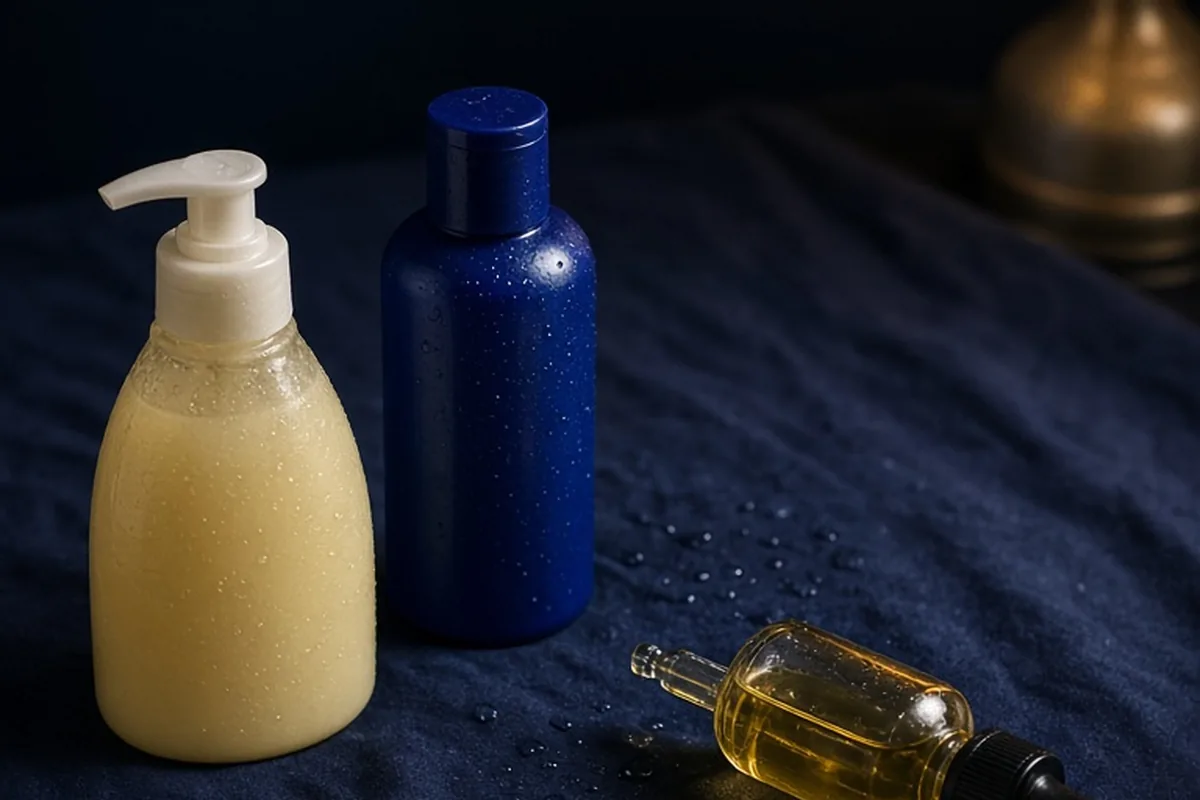
A beginner moisturizing shampoo routine starts with washing your hair one to three times weekly using a gentle, hydrating cleanser. Focus application directly on your scalp to lift oil and debris, allowing the suds to run down the lengths without aggressive scrubbing. Follow immediately with a rinse-out conditioner on your mid-lengths and ends, then seal in moisture on damp hair with a lightweight leave-in product or oil.
Starting a new hair care routine can feel overwhelming when shelves are packed with hundreds of bottles promising instant repair and deep hydration. Dryness, frizz, and dullness usually happen when the hair cuticle loses its natural moisture barrier through environmental exposure, heat styling, or harsh cleansing agents. Building a reliable routine does not require dozens of complicated products, but it does require understanding how hydrating cleansers work and how to properly layer moisture after every wash.
Recognizing When Hair Needs Moisture Instead of Clarifying or Protein
Before swapping your current products, you need to confirm whether your hair is truly dehydrated or experiencing a different issue like product buildup or structural weakness. Hair that lacks moisture typically feels rough to the touch, looks dull in natural light, snarls easily when dry, and expands into unpredictable frizz in humid weather. When you stretch a single wet strand of dehydrated hair, it may feel stiff and snap quickly because it lacks the internal hydration required for natural flexibility.
In contrast, hair with excess product buildup feels sticky, coated, or perpetually greasy even shortly after washing, which requires an occasional clarifying shampoo rather than extra moisturizing formulas. Hair that lacks protein often feels limp, mushy, or excessively stretchy when wet, requiring keratin or amino acid treatments rather than pure hydration. If your primary sensations are dryness, static, flaking from a tight scalp, and a straw-like texture, a dedicated moisturizing shampoo regimen is the correct foundation.
Selecting Moisturizing Shampoo Products for Your Hair Type and Porosity
Moisturizing shampoos are formulated with lower concentrations of harsh detergents and higher levels of humectants and emollients to protect your hair fiber while cleaning your scalp. Humectants like glycerin, aloe vera juice, panthenol, and hyaluronic acid draw water into the hair shaft, while light emollients like jojoba oil, argan oil, and shea butter smooth down the outer cuticle layer to keep that water from escaping. For a beginner routine, look for sulfate-free formulas or those using gentle coconut-derived surfactants such as coco-betaine or sodium cocoyl isethionate.
Your hair texture and porosity determine how rich your moisturizing shampoo should be. Fine, straight, or low-porosity hair absorbs moisture slowly and gets weighed down quickly, meaning you will benefit most from lightweight, gel-based hydrating shampoos featuring aloe vera and panthenol rather than dense butters. Coarse, thick, or high-porosity curly and coily hair loses moisture rapidly through open cuticles, making cream-based cleansing formulas enriched with plant oils, fatty alcohols, and heavier emollients an ideal choice to maintain soft strands.
Step-by-Step Wash Day Technique for Maximum Scalp and Strand Hydration
The way you wash your hair is just as important as the bottle you select. Begin by thoroughly saturating your entire head with lukewarm water for at least one to two full minutes. Rushing this step prevents the shampoo from lathering properly, which often leads beginners to use far too much product. Hot water should be avoided during this stage, as extreme heat strips natural sebum from your scalp and forces the hair cuticle wide open, accelerating moisture loss before you even begin.
Dispense a coin-sized amount of moisturizing shampoo into your palms and rub your hands together to emulsify the product before touching your head. Apply the shampoo directly to your scalp and the nape of your neck, using the pads of your fingers in small circular motions to loosen dead skin cells and excess oil. Never bunch your hair lengths up onto the crown to scrub them vigorously, as this causes friction, tangles, and cuticle damage; simply let the suds rinse down through your mid-lengths and ends as you rinse thoroughly with water.
Pairing Your Moisturizing Wash with Rinse-Out and Leave-In Conditioners
A moisturizing shampoo is designed to cleanse gently without stripping, but it cannot restore full moisture balance on its own. Immediately after rinsing out your shampoo, gently squeeze excess water from your hair and apply a rich rinse-out conditioner from your mid-lengths down to your ends. Keep the conditioner away from your roots if you are prone to oily roots or limp volume, and allow it to sit for two to five minutes so conditioning agents can coat and smooth the hair fiber before rinsing with cool-to-lukewarm water.
Once you step out of the shower, apply a leave-in conditioner or hydrating mist while your hair is still damp to lock in baseline hydration. Water-based leave-in conditioners provide continuous moisture throughout the day and make detangling much safer by adding slip. If you have thicker or highly porous hair, you can layer a few drops of a sealing oil like argan, squalane, or sweet almond oil over the leave-in cream, which creates a protective seal that prevents environmental air from evaporating your freshly washed hydration.
Establishing Wash Frequency and Handling Seasonal Changes
A beginner moisturizing routine must be adjusted to your personal scalp biology and lifestyle rather than a rigid calendar rule. People with fine, straight hair or very active routines may need to wash every two to three days to keep their scalp clear without over-drying their strands. Individuals with wavy, curly, or tight coily textures usually thrive washing once or twice a week, as natural oils travel much slower down curved hair shafts, allowing strands to retain moisture longer between wash cycles.
Be prepared to adapt your moisturizing shampoo routine as the weather shifts throughout the year. Cold winter air and indoor heating dry out both the scalp and hair strands, often requiring you to switch to a richer cream cleanser and add a weekly deep conditioning mask. In hot, humid summer months, high humidity and sweat may require a slightly lighter moisturizing formula paired with a monthly clarifying wash to keep your scalp balanced and free of residue.
Troubleshooting Common Beginner Mistakes That Trigger Dryness
One frequent error among beginners is completely abandoning clarifying washes when adopting a moisturizing routine. While moisturizing shampoos are ideal for regular use, their gentle surfactants and conditioning oils can slowly leave a film over several weeks, especially if you also use styling creams or silicone serums. If your hair suddenly feels coated, stiff, or resistant to water, use a gentle clarifying shampoo once a month to reset your hair canvas before returning to your regular moisturizing cleanser.
Another common misstep is aggressive towel drying immediately after washing. Rubbing wet hair with a standard cotton terrycloth towel creates immense friction on softened cuticles, causing instant frizz and breakage. Instead, gently squeeze excess moisture using a smooth microfiber towel or a clean cotton t-shirt, working in sections without rubbing. Combining this gentle drying method with consistent product application ensures your moisturizing routine delivers soft, manageable results over time.
Frequently asked questions
Can I use a moisturizing shampoo every single day?
Daily washing is generally unnecessary and can strip natural oils, even with a gentle formula. Most people achieve better moisture retention by washing two to three times per week. If you exercise daily, try rinsing with plain water or using a light conditioner rinse on non-wash days.
How quickly should I expect to see results from a moisturizing routine?
You should notice increased softness, less static, and easier detangling immediately after your first wash and condition cycle. Visible improvements in long-term elasticity, reduced breakage, and enhanced shine usually appear after three to four weeks of consistent use.
Will a moisturizing shampoo make fine or thin hair look flat?
Moisturizing shampoos can weigh down fine hair if they contain heavy oils, waxes, or unrefined butters. If you have fine strands, choose clear or lightweight gel formulas that list aloe vera, glycerin, or panthenol instead of thick cream cleansers with heavy shea butter.
What is the difference between a hydrating shampoo and a clarifying shampoo?
A hydrating or moisturizing shampoo uses mild cleansers and humectants to preserve strand moisture during regular cleansing. A clarifying shampoo contains stronger surfactants formulated to strip away stubborn product buildup, hard water minerals, and excess sebum, and is typically used only once or twice a month.
Your next step
Check the ingredient label on your current shampoo to see if it relies on harsh sulfates, then switch to a gentle humectant-based moisturizing shampoo applied exclusively to your scalp during your next wash.