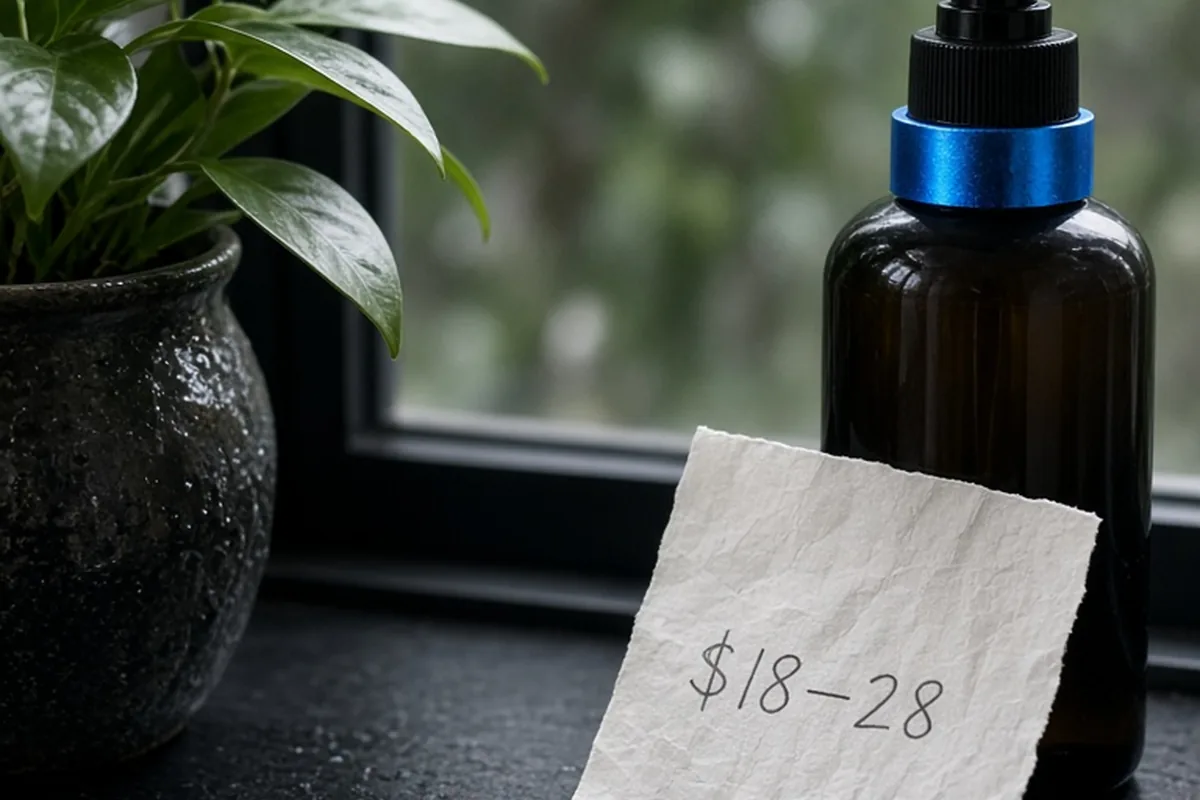
Moisturizing shampoo salon costs depend on whether the product is used during an in-basin service or purchased as a take-home retail bottle. During appointments, moisturizing cleansers are often bundled into standard wash, cut, or blowout packages, though high-end formulations or deep-hydration basin rituals may incur standalone add-on fees. Retail bottles sold at salons carry professional distributor markups influenced by brand exclusivity, concentrated surfactant formulas, and regional salon overhead.
Navigating a salon service menu can feel confusing when basic terms like cleansing, deep hydration, and specialty washes carry separate pricing structures. Understanding how salons account for professional backbar products helps you plan your appointment budget and avoid unexpected checkout additions.
How Salons Structure In-Basen Cleansing and Treatment Fees
Salon pricing for backbar cleansers rarely follows a single, universal formula. In many traditional salons, a baseline moisturizing wash is included in the foundational price of a haircut, color application, or blowout. When you sit at the shampoo bowl, the stylist selects a daily cleansing formula based on an initial visual assessment of your scalp and hair shaft. In standard service packages, this wash is treated as an operational overhead cost rather than a separate line item on your final receipt.
However, modern boutique and specialized texture salons increasingly adopt an a la carte or tiered pricing structure. If your hair requires a concentrated hydrating formula, a sulfate-free moisture cleanse, or a chelating wash to remove mineral buildup before moisture can penetrate, salons may categorize the wash as an upgraded basin service. In these establishments, the wash bowl experience transitions from a simple preparatory rinse into a targeted service step, occasionally billed alongside scalp massages, hot towel wraps, or specialized basin steam sessions.
Moisturizing Shampoo Salon Cost: Service Bowls Versus Retail Bottles
When analyzing moisturizing shampoo salon costs, it is essential to distinguish between backbar application fees and the retail inventory displayed in the salon lobby. Backbar products are purchased by salons in bulk gallon or liter dispensers designed specifically for professional backwash stations. The cost attributed to the client during a single wash reflects only a fraction of an ounce of concentrated formula, combined with the stylist's labor, water usage, and salon operating overhead.
Take-home retail bottles, by contrast, reflect manufacturer suggested retail pricing alongside local retail distribution markups. Salons purchase these units directly from authorized beauty distributors and resell them to clients seeking to maintain their salon results at home. Retail bottles at professional salons generally carry a higher price point than mass-market drugstore alternatives because they feature higher concentrations of active conditioning agents, gentler surfactant systems, and exclusive distribution agreements that prevent unauthorized third-party discounting.
Why Hair Texture, Porosity, and Density Impact Basin Pricing
Hair characteristics directly influence the volume of product and active working time a stylist must invest at the shampoo bowl. Clients with fine, low-density hair may require only a single nickel-sized lather of a lightweight hydrating cleanser to restore balance without weighing down the root area. The time spent at the basin remains minimal, fitting neatly into standard booking increments.
Conversely, individuals with thick, high-density, coily, or highly porous textured hair often require a more labor-intensive cleansing process. High-porosity hair absorbs moisture rapidly while tangling easily, necessitating sectioned application, emulsification, and extensive slip to prevent mechanical breakage during the wash. When a stylist must perform a thorough double cleanse, apply significant volumes of premium moisture formula, and gently finger-detangle dense curl patterns at the bowl, the appointment requires extended basin time, which salons frequently reflect in specialized texture-care pricing.
Understanding Stylist Tiers, Salon Tiers, and Geographic Variables
The overall cost of any salon experience, including the grade of moisturizing shampoo used at the backbar, varies substantially based on geographic location and the operational tier of the business. Salons located in dense metropolitan markets face higher commercial rent, utility rates, and payroll demands, which are distributed across both service menus and retail inventory markups. A boutique salon in an urban center will generally charge higher baseline rates for a wash and blowout than a suburban community salon.
Within an individual salon, stylist education and seniority tiers also shift the pricing structure. Junior stylists or apprentices often provide services at lower foundational rates, while master stylists or creative directors command premium pricing based on advanced technical certifications and high client demand. When booking with senior staff, the implicit cost of every product application increases because you are paying for specialized diagnostic expertise alongside the physical product being applied to your hair.
Formulation Differences Between Salon and Mass-Market Moisturizing Cleansers
Professional moisturizing shampoos stocked in salons are formulated differently than high-volume commercial alternatives. Mass-market hydrating shampoos frequently rely on heavy synthetic silicones and inexpensive waxes that coat the hair fiber to create immediate surface smoothness. While this creates a temporary sensation of softness, repeated use can lead to hydrophobic buildup that eventually blocks water from entering the hair cortex, causing long-term dehydration.
Professional salon cleansers typically utilize balanced surfactant blends, such as sodium cocoyl isethionate or gentle glucosides, paired with hydrolysed proteins, amino acids, and micro-emulsified plant oils. These ingredients are designed to clean without stripping the lipid barrier, allowing moisture to penetrate beneath the cuticle layer. Because these high-grade raw ingredients and specialized humectants cost manufacturers more to produce, the wholesale and retail costs within the salon channel reflect that formulation investment.
Hidden Add-Ons and Upgraded Conditioning Treatments at the Basin
A common point of confusion during checkout arises when a client assumes a specialized treatment was part of the standard wash. While a standard wash includes an entry-level moisturizing shampoo and lightweight rinse-out conditioner, stylists may suggest mid-service upgrades based on hair condition. If your hair shows signs of chemical damage, environmental dryness, or thermal distress, the stylist might recommend a deep-conditioning mask, bond-rebuilding additive, or moisture-infusion steam treatment.
These specialty treatments require dedicated processing time, active heat application, and concentrated specialty formulas that sit outside standard wash packages. To avoid unexpected charges, it is entirely reasonable to ask whether a suggested product switch or basin ritual is included in your booked package or carries an additional service fee before the stylist proceeds with the application.
Questions to Ask Your Stylist to Clarify Basin and Product Charges
Clear communication before your appointment begins eliminates financial ambiguity and sets realistic expectations for your hair goals. When scheduling an appointment online or by phone, ask specifically what steps are included in the baseline service description. Inquiring whether the wash includes customized shampoo selection or if specialty moisture washes represent an upgrade ensures you understand the base rate.
During your initial chair consultation, discuss your hair history, wash frequency, and moisture concerns openly. If the stylist recommends a specific retail shampoo for home maintenance, ask why that formulation matches your scalp and porosity needs, how long a standard bottle typically lasts with proper usage, and whether they offer travel sizes or smaller bottles so you can test the formula before investing in full-sized professional retail.
Balancing Professional Salon Washes With At-Home Moisture Care
Maintaining optimal hair hydration does not require paying for weekly professional salon washes if you establish a consistent, balanced routine at home. In-salon moisturizing washes and treatments serve as intensive corrective resets, clearing stubborn mineral buildup and restoring base moisture levels that can be maintained for weeks with standard home care. Relying solely on professional visits for basic moisture is rarely cost-effective for most personal budgets.
To protect your investment between appointments, pair professional recommendations with sensible home washing habits. Use lukewarm rather than hot water to prevent the cuticle from lifting excessively, concentrate moisturizing shampoos primarily on the scalp while allowing the suds to rinse through the mid-lengths, and follow with a compatible conditioner. Reserving salon visits for periodic trims, intensive deep-hydration resets, or chemical services creates a practical balance between professional expertise and at-home maintenance costs.
Frequently asked questions
Does a moisturizing shampoo cost extra during a standard haircut?
In most traditional salons, a basic moisturizing shampoo is included as part of the standard wash, cut, and style package. Extra charges generally apply only if you request a specialty treatment line, a standalone wash-and-blowout service, or an intensive deep-conditioning mask add-on at the basin.
Why are professional moisturizing shampoos sold in salons more expensive than store brands?
Salon-exclusive retail shampoos contain higher concentrations of active humectants, gentler cleansing surfactants, and specialized conditioning agents compared to diluted mass-market options. The pricing also reflects professional distribution agreements, product research, and salon retail markups.
Can an in-salon moisturizing wash replace a deep conditioning treatment?
No, a moisturizing shampoo is designed primarily to cleanse the scalp and hair fiber without stripping natural lipids. While it introduces mild hydration, it lacks the concentrated lipid density and extended cuticle-penetrating power of a dedicated deep conditioning mask or bond-building service.
Should I tip extra if my stylist uses a specialty moisturizing product during my wash?
Tipping is customarily calculated on the total service bill rather than the specific type of shampoo used. However, if an assistant or stylist provided an extended basin massage, thorough detangling, or specialized steam treatment, factoring that extra labor into your gratuity is standard salon etiquette.
Your next step
Call your salon or review their online booking menu before your next appointment to verify whether specialty moisturizing basin products are bundled into your service or billed as separate treatment add-ons.