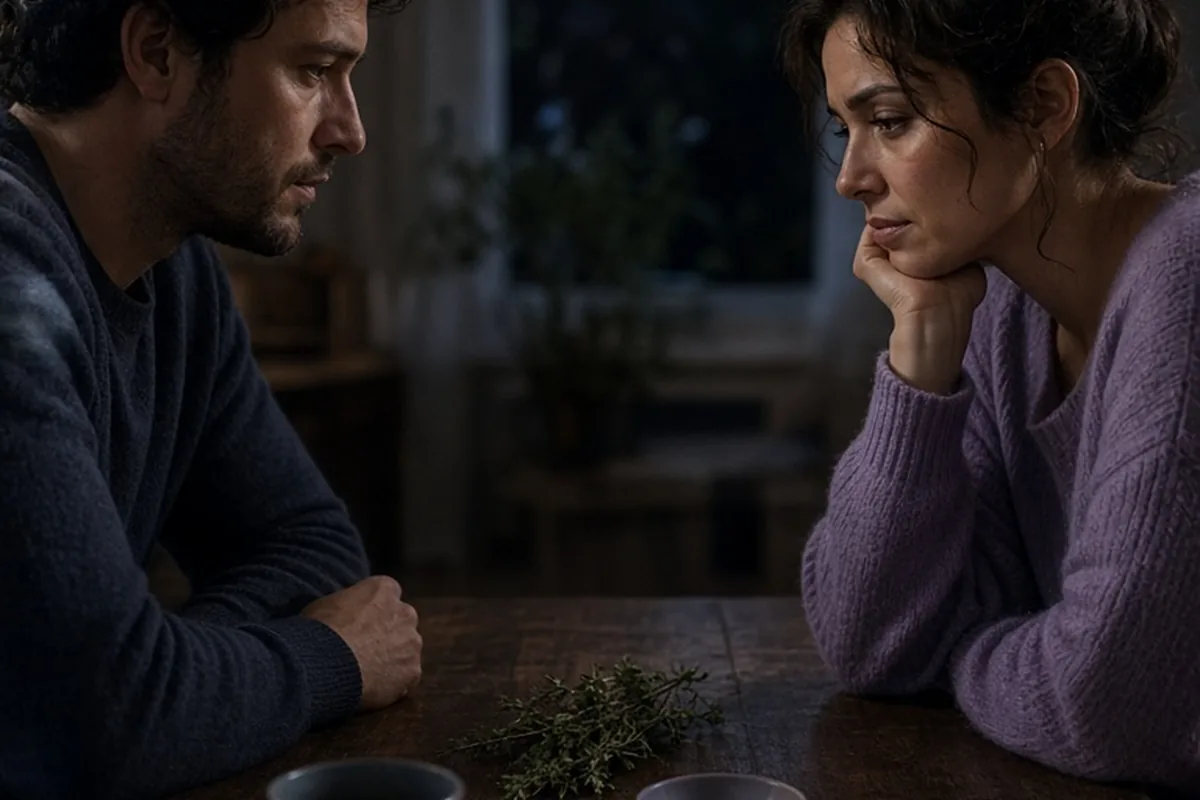
Moon in Cancer love traits center on emotional depth, loyalty, protective instincts, and a profound desire for domestic security. In romantic relationships, individuals with this natal placement experience emotions intensely and express affection through nurturing gestures, attentive listening, and consistent care. They prioritize genuine emotional safety over surface-level excitement, often taking time to lower their natural defenses until mutual trust, reciprocal vulnerability, and dependable commitment are clearly established.
In astrology, the Moon reflects an individual's instinctual emotional wiring, core vulnerabilities, and private needs within romantic partnerships. Exploring how the Cancer archetype functions in this placement provides practical clarity on how someone navigates intimacy, responds to relationship friction, and develops lasting devotion.
The Priority of Emotional Security and Domestic Comfort
At the heart of the Cancer Moon romantic profile is a deep need for sanctuary. While other placements may seek constant adventure or intellectual debate to feel connected, a Cancer Moon measures relationship health through emotional stability, predictability, and genuine comfort. To someone with this placement, home is not merely a physical structure; it is an emotional container where masks can come off, defenses can drop, and authentic feelings can be shared without judgment.
In day-to-day dating, this inclination shows up through shared rituals, quiet evenings together, and thoughtful domestic care. A partner with this placement often demonstrates love by preparing a favorite meal, curating a warm living environment, or offering an empathetic ear after a grueling workday. These everyday acts of care are not incidental chores; they represent their primary language of affection and emotional investment.
A common trade-off occurs when the desire for a safe emotional bubble leads to premature domesticity or an aversion to external social engagement. When one partner requires external stimulation or frequent independent outings, tension can arise. Constructive balance involves creating predictable quality time together at home while respecting each other's outside interests and individual friendships.
The Protective Shell and the Pacing of Vulnerability
Represented symbolically by the crab, the Cancer Moon is famous for its protective exterior. Because individuals with this placement feel emotional nuances so intensely, they naturally guard their inner world until a partner has demonstrated reliability. Early in a relationship, this can sometimes be misread as aloofness, shyness, or mixed signals, when it is actually an instinctual risk-management strategy designed to protect a soft interior from rejection or emotional volatility.
A Cancer Moon will often observe how a dating partner handles small disclosures, minor disagreements, and sensitive moments before opening up completely. They look for emotional maturity, active listening, and whether their partner respects boundaries. Forcing rapid vulnerability or demanding instant transparency usually triggers deeper withdrawal, as pressure feels inherently unsafe to this placement.
For the person dating a Cancer Moon, patience and steady consistency are essential. Rather than interrogating quiet moments or demanding emotional declarations, focus on maintaining dependable communication, keeping commitments, and responding thoughtfully when they do choose to share personal history. Trust is earned through repeated, quiet moments of integrity rather than dramatic gestures.
Nurturing Behavior and the Risk of Unspoken Expectations
Generosity and anticipatory care are defining hallmarks of a Cancer Moon in love. They possess an uncanny ability to notice subtle shifts in a partner's energy, often knowing when someone is stressed, discouraged, or exhausted before a single word is spoken. They naturally step in to soothe distress, offer practical assistance, and provide unconditional support during difficult chapters.
However, this intuitive giving comes with a significant vulnerability: unspoken expectations. Because a Cancer Moon reads emotional atmospheres so effortlessly, they frequently assume their partner possesses the same intuitive radar. When their partner fails to notice subtle hints or does not automatically reciprocate specific acts of care, the Cancer Moon may feel unappreciated, neglected, or misunderstood.
To prevent chronic resentment, the Cancer Moon individual must practice direct communication rather than hoping a partner will simply intuit their emotional state. Stating clearly, 'I had a difficult day and need some focused conversation tonight,' replaces guessing games with actionable clarity, allowing a willing partner to provide the exact support needed without anxiety.
Managing Mood Fluctuations and Emotional Tides
Because the Moon is the traditional ruler of Cancer, lunar placements here experience emotional tides that rise and fall with natural regularity. An individual with this placement can feel joyful, deeply connected, and optimistic one day, and noticeably introspective, sensitive, or withdrawn the next. These mood shifts rarely indicate that the relationship is in danger; rather, they reflect an internal processing cycle.
When a Cancer Moon retreats, an inexperienced partner might react defensively, assuming the silence stems from anger, loss of attraction, or passive-aggressive maneuvering. Escalating with panic or demands for immediate explanations often backfires. A more effective response is to provide calm, reassuring presence without taking the temporary emotional dip personally.
At the same time, the responsibility for healthy communication rests on both sides. A Cancer Moon partner must learn not to leave their significant other stranded in ambiguity. Offering a simple reassurance—such as, 'I am feeling a bit drained today and need a little quiet time, but we are completely fine'—allows for necessary self-regulation while preserving mutual peace.
Navigating Conflict and Overcoming Passive Avoidance
Conflict resolution requires conscious care when dealing with Cancer Moon traits. Because confrontation feels inherently threatening to their sense of emotional security, their default reaction to conflict is often indirect. They may resort to the silent treatment, subtle sarcasm, or physical withdrawal into their shell, hoping the partner will acknowledge the hurt and initiate repair.
While avoiding direct arguments feels protective in the moment, it frequently prolongs misunderstandings and leaves the other partner feeling shut out or walking on eggshells. Constructive conflict requires creating an environment where disagreements do not threaten the existence of the relationship itself. When both people feel secure, hard conversations can happen without panic.
A reliable formula for resolving tension involves using low-threat, feeling-centered language. Instead of presenting accusations or itemizing past mistakes, focus on specific current experiences. Stating, 'When plans change without notice, I feel disconnected and anxious,' invites collaboration rather than defense, allowing the Cancer Moon's natural empathy to guide the conversation toward repair.
Compatibility Dynamics Across Elemental Placements
Understanding how a Cancer Moon interacts with other astrological elements helps set realistic expectations for romantic communication. In synastry and relationship dynamics, different elemental placements offer distinct strengths and specific areas where conscious adjustment is necessary.
When paired with Earth Moons (Taurus, Virgo, Capricorn) or fellow Water Moons (Cancer, Scorpio, Pisces), there is usually an immediate sense of shared pacing. Earth provides a grounding, practical foundation that helps stabilize Cancerian sensitivity, while Water placements share an instinctive emotional shorthand. The primary risk in these pairings is inertia or mutual brooding during difficult periods.
When interacting with Fire Moons (Aries, Leo, Sagittarius) or Air Moons (Gemini, Libra, Aquarius), the dynamic offers complementary growth alongside potential misunderstandings. Fire's blunt directness and Air's intellectual detachment can inadvertently bruise a Cancer Moon's feelings if delivery is harsh. However, when managed with mutual respect, Fire brings invigorating optimism and Air offers helpful objectivity that keeps emotional tides from becoming overwhelming.
Illustrative Scenarios
Navigating an Unexpected Schedule Change
David, who has a Cancer Moon, spent hours planning a quiet anniversary dinner at home with his partner, Sarah. When Sarah texted late in the afternoon asking if they could reschedule to attend a last-minute networking event for her new job, David felt deeply hurt, interpreting the request as a sign that their relationship was a second priority. He responded with terse, one-word answers and withdrew for the rest of the evening. After taking time to process his reaction, David realized his hurt came from unstated expectations rather than malice. He called Sarah, explained that dedicated quality time was how he felt valued, and listened as she explained the career stakes. They attended the event briefly and reserved the following evening entirely for an uninterrupted dinner.
Key point: Clear communication about emotional priorities resolves conflict far better than retreating into silent withdrawal.
Pacing Vulnerability in Early Dating
Elena started dating Mark and felt a strong initial connection. However, after sharing several personal family challenges on their third date, Elena felt suddenly exposed and anxious. Fearful that she had revealed too much too soon, she began pulling back on messaging, leaving Mark confused by the sudden drop in warmth. Rather than continuing to cycle between intense disclosure and cold avoidance, Elena sent a grounded, simple message acknowledging that she tended to process things slowly. Mark appreciated the honesty and maintained a steady, pressure-free pace. Over the following weeks, their connection deepened naturally without dramatic swings in intensity.
Key point: Emotional safety is built through steady, gradual consistency rather than sudden leaps into total vulnerability.
Frequently asked questions
How does someone with a Cancer Moon handle relationship breakups?
A Cancer Moon typically experiences breakups with profound grief and may hold onto memories, physical keepsakes, and sentimental attachments for an extended period. Because they invest deeply in emotional bonds, healing requires a clean break, strong support systems, and sufficient time to process their feelings before they feel ready to trust someone new.
What is the most effective way to comfort a Cancer Moon who is upset?
Offer a calm, non-judgmental presence rather than immediately offering logical solutions or telling them not to feel a certain way. Simple physical comfort, making a soothing beverage, and listening attentively validate their emotional experience and allow their defensive shell to soften naturally.
Can two individuals with Cancer Moons have a healthy long-term relationship?
Yes, two Cancer Moons often enjoy extraordinary mutual empathy, deep domestic harmony, and intuitive understanding of each other's emotional needs. The main challenge is avoiding collective mood slumps, where both partners retreat into their shells simultaneously and wait for the other person to initiate emotional repair.
Your next step
Choose one regular, low-pressure moment this week to talk with your partner about the specific daily habits and small gestures that make each of you feel most emotionally safe and supported.