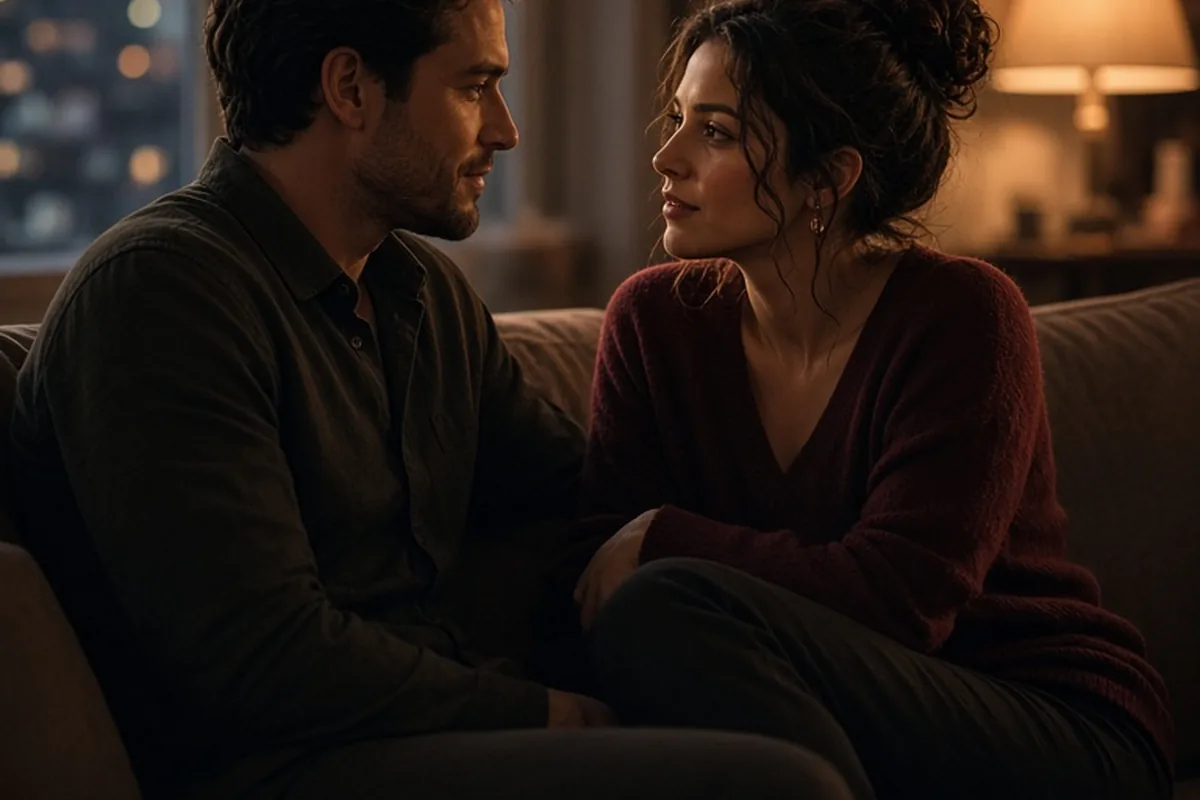
Movie drinking games are social viewing activities where participants take sips or complete playful challenges whenever specific, recurring tropes, lines, or visual cues happen on screen. Players choose a film, establish three to five clear visual or dialogue triggers, and agree on pacing beforehand. They keep group energy high during casual gatherings while remaining easy to adapt for non-alcoholic drinks and mixed preferences.
Watching a favorite film with friends becomes significantly more interactive when everyone actively scans the screen for signature character quirks, predictable plot devices, and iconic one-liners.
Understanding the Basic Mechanics and Rule Design
At their foundation, movie drinking games operate on a shared call-and-response rhythm that turns passive viewing into an interactive group experience. The host and guests select a movie and assign simple actions to recurring on-screen events. The most effective games structure these triggers into distinct tiers: high-frequency cues for quick sips, medium-frequency cues for group reactions, and rare milestone moments that trigger a celebratory toast or a lighthearted physical challenge. This structured hierarchy prevents the game from feeling chaotic or exhausting.
A common pitfall is rule overload, where hosts try to track ten or fifteen separate conditions at once. When rules become too complex, guests spend more time consulting rule sheets than enjoying the movie or chatting with each other. Limiting the active rules to three to five memorable prompts keeps the game intuitive and relaxed. For example, in an adventure film, taking a sip whenever a character consults a map or gets into a vehicle provides a steady, predictable pace without disrupting conversation.
Adapting Cues for Specific Movie Genres
Different film genres follow distinct storytelling tempos, which means your rule set should align with the movie's natural flow. Romantic comedies, for instance, rely heavily on dialogue, awkward misunderstandings, and emotional montages. Because these moments unfold at a measured pace, players can comfortably engage with the prompts without feeling rushed. In contrast, assigning cues to fast-paced action sequences requires careful restraint to prevent rapid-fire triggers that can quickly overwhelm participants.
When tailoring rules to a specific genre, focus on the unique conventions that define that style of filmmaking. Horror movies naturally lend themselves to tension-based cues like false jump scares, ominous mirror reflections, or characters foolishly wandering off alone. Sci-fi and fantasy films work well with visual cues like holographic interfaces, alien creature reveals, or fictional slang terms. Matching the cues to the genre highlights the movie's best moments while keeping gameplay balanced.
- Romantic Comedies: Sip when a character receives unhelpful dating advice, an awkward public speech occurs, or a musical makeover montage begins.
- Action and Adventure: Sip during a slow-motion dramatic walk, when an explosion happens without the hero looking back, or when a weapon is reloaded.
- Horror and Thrillers: Sip when a flashlight flickers, a character looks into a bathroom mirror cabinet, or someone enters a dark basement alone.
- Fantasy and Sci-Fi: Sip when made-up jargon is explained via exposition, an ancient prophecy is mentioned, or a sweeping landscape panorama appears.
Universal Cues That Work for Almost Any Movie
When organizing an impromptu viewing night or watching an unfamiliar indie film where plot tropes are unpredictable, universal cinematic triggers offer a dependable foundation. Standard filmmaking techniques, such as prominent product placement, dramatic slow-motion zooms, characters abruptly hanging up phones without saying goodbye, and wide establishing drone shots, appear across virtually all modern productions. Relying on these universal habits lets everyone participate immediately without requiring prior knowledge of the script.
While universal visual cues are easy to implement, relying solely on technical camera choices can occasionally make the game feel detached from the actual storyline. To keep the group emotionally engaged with the narrative, balance technical camera cues with common character behaviors, such as a character pouring a beverage on screen, delivering an insult, or entering a room unannounced. Combining visual techniques with relatable character interactions creates a well-rounded game that suits any film selection.
Pacing Strategies and Responsible Hosting Practices
The primary responsibility of a good host is managing the physical pacing of the evening so that all participants remain comfortable and safe throughout the film's runtime. Standard feature films last anywhere from ninety minutes to nearly three hours, meaning that an overactive cue can escalate total liquid consumption faster than anticipated. Establishing that a standard prompt requires only a modest sip rather than a full gulp ensures the activity remains social and sustainable over several hours.
Thoughtful hosts integrate hydration, food, and natural pauses directly into the schedule. Placing large pitchers of ice water, sparkling seltzers, and carbohydrate- or protein-rich snacks within arm's reach helps maintain balanced energy levels across the room. You can also establish positive game rules, such as taking a collective water break whenever a major plot twist occurs or utilizing the traditional mid-movie intermission to pause the video, refill water glasses, and check in with your guests.
Inclusive and Alcohol-Free Game Variations
A truly successful gathering makes every participant feel welcome, regardless of whether they choose to drink alcohol. The core appeal of movie drinking games lies in shared observation, collective anticipation, and playful reactions rather than alcohol itself. Setting up a dedicated beverage station stocked with artisanal sodas, flavored sparkling waters, herbal iced teas, or alcohol-free mocktail ingredients guarantees that non-drinking guests, designated drivers, and sober friends participate on equal footing.
In addition to non-alcoholic drink substitutions, hosts can easily incorporate interactive non-drinking mechanics into the game. Whenever a key cue happens on screen, players can race to grab a soft centerpiece object, earn points on a communal tally board, or answer rapid-fire trivia questions about the actors. Introducing these varied physical and mental challenges keeps the room energized and ensures the game remains entertaining for everyone regardless of what is in their cup.
Selecting the Right Films for Group Gameplay
Not every cinematic masterpiece is well-suited for a casual, interactive game night. Highly complex psychological thrillers, deeply emotional dramas, or dialogue-dense mysteries that demand total, uninterrupted concentration often lose their narrative impact when interrupted by gameplay cues. The most enjoyable selections are typically beloved nostalgia favorites that guests know well, high-energy franchise blockbusters, or charmingly predictable cult classics with recognizable formulas.
Familiarity allows the audience to anticipate famous lines and build shared excitement as iconic scenes approach. If you decide to watch a brand-new release, choose films featuring strong visual identities, distinct comedic elements, or well-established franchise conventions. These features ensure that first-time viewers can spot triggers effortlessly without needing to pause the movie repeatedly to settle rule disputes.
Managing Rule Fatigue and Mid-Film Adjustments
Even carefully prepared games can occasionally run into unexpected imbalances once the movie begins. For example, a director might lean on a specific catchphrase or visual tic far more often than anticipated, turning a lighthearted prompt into an exhausting chore. Attentive hosts observe the group's mood and feel completely comfortable calling a quick time-out to retire an overactive rule or swap in a fresh, more entertaining observation.
Addressing rule fatigue promptly keeps the atmosphere relaxed and low-pressure. If participants seem disengaged or overwhelmed by tracking multiple conditions, simply pause during a natural scene transition, ask the room which one or two rules are generating the most laughs, and drop the rest. The primary goal of any movie night is shared comfort and fun, not rigid adherence to an initial list of rules.
Frequently asked questions
How many rules should a movie drinking game have?
A standard movie drinking game works best with three to five total rules. Keeping the list short ensures participants can easily remember the cues without constantly looking away from the screen.
Can you play movie drinking games with non-alcoholic drinks?
Yes, movie drinking games work just as well with sparkling water, sodas, mocktails, or kombucha. The fun comes from spotting tropes together, making beverage choice entirely flexible.
What should a host do if a cue happens too frequently during the film?
If a cue occurs much more often than expected, pause the movie briefly and agree to modify or retire that specific rule. Adjusting rules on the fly keeps the pacing balanced and enjoyable for everyone.
Your next step
Pick a familiar, trope-filled movie and choose three simple, balanced cues before starting, ensuring plenty of water and alcohol-free options are ready for all guests.