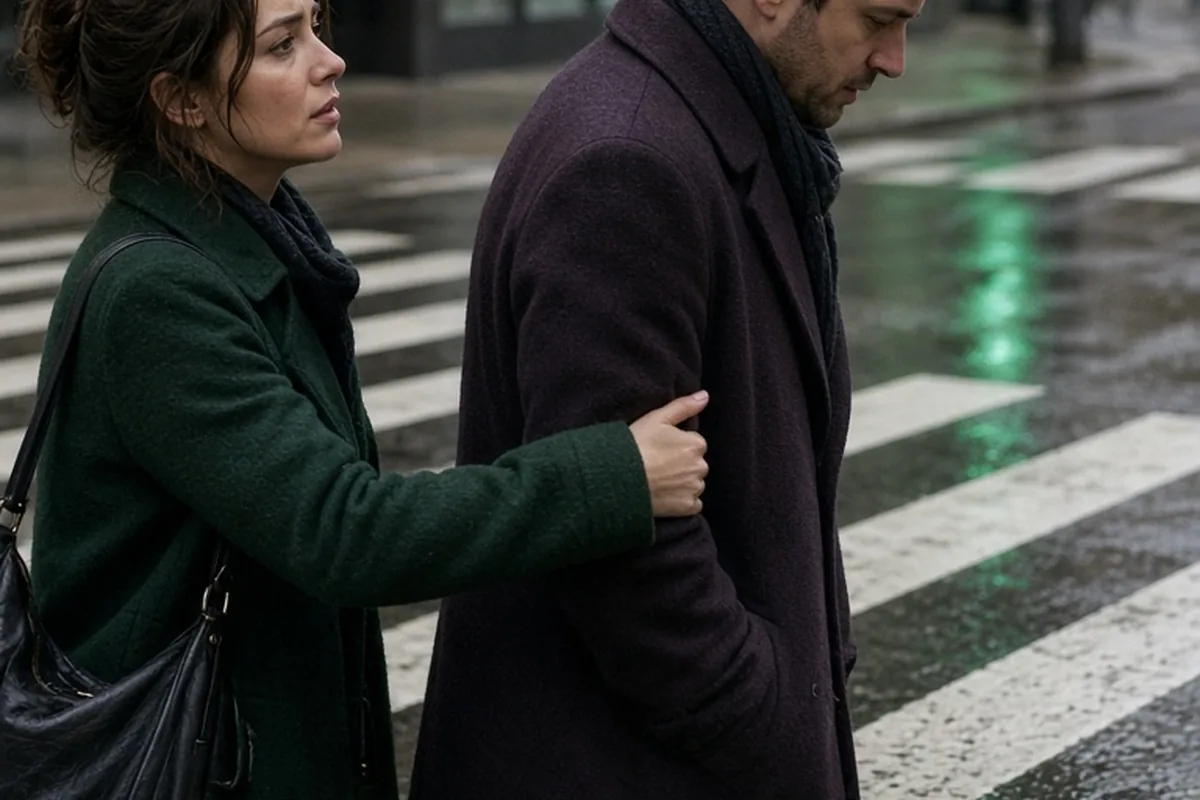
When your boyfriend pushes you away while grieving, his withdrawal is usually a reaction to emotional overload rather than a loss of love. The best response is to offer predictable, low-pressure support, handle daily logistics, respect his need for solitude without disappearing entirely, and maintain your own emotional boundaries so you can remain steady without burning out.
Watching someone you love navigate profound loss can leave you feeling helpless, especially when their instinct is to shut down, go silent, or retreat behind closed doors.
Understanding Why Grief Drives Emotional and Physical Withdrawal
Grief demands an extraordinary amount of cognitive and emotional energy. When a person experiences a major loss—whether of a parent, sibling, close friend, or livelihood—the brain is forced to process an overwhelming reality while managing acute sorrow, shock, and fatigue. Many men are socialized to process deep distress internally or believe they must appear composed, which makes external interactions feel exhausting. When your boyfriend pulls back, it is rarely a calculated rejection of the relationship; rather, it is often an unconscious attempt to conserve whatever limited psychological energy he has left to get through the day.
In practical terms, this withdrawal often manifests as delayed text replies, flat emotional responses, or spending hours isolated in another room. For example, a man who previously shared every detail of his workday might suddenly offer only one-word answers and decline invitations to spend time together. Recognizing that his emotional bandwidth is temporarily consumed by grief helps you avoid interpreting his silence as personal abandonment. However, understanding the root cause does not mean you must ignore the distance entirely; it simply gives you the correct context for deciding how to respond without adding to his internal burden.
Shifting from Emotional Demands to Practical, Low-Pressure Support
When a partner is hurting, our natural instinct is to ask questions like 'How are you feeling?' or 'What can I do to help?' While well-intentioned, open-ended questions place an administrative burden on a grieving person who may not even have the words to describe their state. Asking them to evaluate their feelings or assign you tasks requires decision-making energy they currently lack. Shifting your approach toward concrete, tangible assistance removes that mental load and communicates care through action rather than emotional interrogation.
Instead of asking what he needs, focus on quiet, predictable gestures that require zero effort on his part to accept or decline. You might drop off pre-portioned meals, pick up his groceries, take care of a household chore, or walk his dog without expecting a lengthy conversation in return. If you spend time in the same room, offer a neutral presence—reading a book or watching a game together—where silence is comfortable and no emotional performance is expected. The trade-off is that you may not receive immediate gratitude or verbal validation, but practical care builds a reliable safety net beneath him while he processes his loss.
Communicating Clearly Without Forcing an Emotional Breakthrough
When someone retreats, the urge to pursue them often intensifies. Sending repeated messages asking if he is mad at you or attempting to stage a deep emotional conversation usually backfires, causing a grieving partner to withdraw even further into self-protection. Effective communication during bereavement should be calm, asynchronous, and reassuring, explicitly releasing him from the obligation of immediate engagement.
A supportive message clearly states your presence without demanding reciprocity. Phrases such as 'I am thinking of you today; no need to reply to this, just wanted you to know I am here whenever you are ready' give him permission to rest without guilt. If you live together, letting him know you are stepping out for an errand or giving him the living room for the evening provides structure without making him feel cornered. By eliminating conversational pressure, you preserve a calm environment where he can step forward on his own timeline when he feels capable of connecting.
Protecting Your Own Emotional Stability and Personal Boundaries
Supporting a grieving partner can be deeply isolating, especially when your own emotional needs go unmet for weeks or months. It is common to feel a mixture of worry, loneliness, and even quiet resentment when your efforts seem unacknowledged. However, pouring all your energy into someone who cannot currently reciprocate will eventually lead to emotional depletion. You cannot serve as an effective anchor for your partner if your own foundation is collapsing under sustained anxiety.
Maintaining your personal routine, staying connected with your own friends, and pursuing hobbies are essential strategies for staying grounded. Furthermore, it is crucial to distinguish between quiet withdrawal and disrespectful conduct. Grief explains sadness, numbness, and fatigue, but it does not grant a partner permission to be verbally cruel, deceitful, or hostile. If his behavior crosses into mistreatment, you can compassionately establish a boundary: acknowledge his pain while calmly stating that you will step away until communication can remain respectful.
Navigating Changes in Affection and Physical Intimacy
Acute stress and sorrow dramatically affect the nervous system, frequently suppressing physical desire and making touch feel overwhelming. For some grieving individuals, physical affection is comforting, while for others, even a simple hug can feel like an emotional demand they cannot meet. If your boyfriend has stopped initiating affection or pulls away from physical touch, try to view this as a physiological symptom of grief rather than a loss of physical attraction.
The best approach is to let physical connection be mutual and free of expectation. You can offer gentle touch—such as placing a hand on his shoulder or sitting near him on the couch—while paying attention to his response. If he tenses or moves away, simply release the contact without taking offense or making a comment. Allowing non-sexual closeness, such as resting quietly together without any progression toward intimacy, allows him to experience physical comfort without feeling pressured to perform.
Recognizing When Grief Requires Outside Support
Grief is a natural human process that follows no fixed timeline, and significant mood fluctuations are normal in the initial months following a loss. However, there are instances where acute bereavement evolves into prolonged severe depression or dangerous coping mechanisms, such as heavy substance misuse or severe self-neglect. As a romantic partner, you are a source of companionate support, not a trained mental health professional or a crisis intervention counselor.
If you notice persistent signs of total incapacitation, extreme hopelessness, or destructive behavior, it is appropriate to gently suggest outside help. You might frame this collaboratively: 'You have been carrying a massive weight since your loss, and you do not have to carry it completely alone. Would you be open to speaking with a grief counselor or joining a support group?' Offering to help research therapists or schedule an appointment can lower the barrier to entry, while keeping the responsibility for his long-term healing where it belongs.
Illustrative Scenarios
Stepping Back from Conversational Pressure
After Marcus lost his father, he stopped replying to Elena's evening texts and spent entire weekends working alone in his garage. Elena initially felt panicked, fearing their relationship was falling apart, and sent multiple lengthy messages asking what she had done wrong. Realizing her anxiety was adding pressure to his grief, Elena changed her approach. She dropped off a container of homemade food, left a brief note stating she was available whenever he wanted company, and went to dinner with her own friends. Three days later, Marcus came inside, sat down, and thanked her for giving him space, explaining that the lack of expectations allowed him to process his sadness without feeling scrutinized.
Key point: Removing conversational pressure allows a grieving partner to retreat safely without feeling forced to manage your emotional reassurance.
Establishing Boundaries Around Grief-Driven Irritability
Following the sudden passing of a close friend, Julian became irritable, frequently snapping at Priya over minor household questions. Priya initially walked on eggshells, suppressing her feelings to avoid upsetting him further, but soon found herself feeling anxious and resentful. During a calm moment over breakfast, Priya gently addressed the dynamic. She affirmed her care for him and acknowledged his immense pain, but clearly stated that sarcastic remarks were hurtful and that she would step out of the room when he felt frustrated. Julian recognized his short temper was spilling over, apologized, and agreed to take a solitary walk whenever he felt overwhelming anger rising.
Key point: Holding compassionate boundaries prevents resentment from festering and protects mutual respect during a painful life chapter.
Frequently asked questions
Should I leave my boyfriend completely alone or keep checking in on him?
A balanced approach works best: avoid hovering or demanding replies, but do not vanish entirely. Send occasional, low-pressure messages offering practical support or reassurance, making it explicit that he does not need to write back immediately.
How long does a grieving partner usually push people away?
There is no standard timeline for grief, as the acute withdrawal phase can last several weeks or fluctuate over months depending on the nature of the loss. If total emotional detachment persists for an extended period without any moments of connection, a gentle conversation about seeking outside support may be helpful.
Is it normal to feel lonely or resentful when my partner is grieving?
Yes, feeling lonely, unappreciated, or frustrated is a very common reaction when your partner is emotionally unavailable for a long period. Acknowledging these feelings without guilt and leaning on your own support network of friends and family will help you stay grounded.
What should I do if he becomes completely hostile or verbally abusive?
Grief never excuses abusive or aggressive behavior. If your boyfriend becomes hostile, calmly remove yourself from the situation, establish clear boundaries about how you expect to be spoken to, and prioritize your own emotional and physical safety.
Your next step
Send one simple, low-pressure message today offering a concrete practical favor—such as dropping off a meal—and dedicate the rest of your evening to an activity that restores your own well-being.